There are moments in this work that feel heartbreakingly familiar.
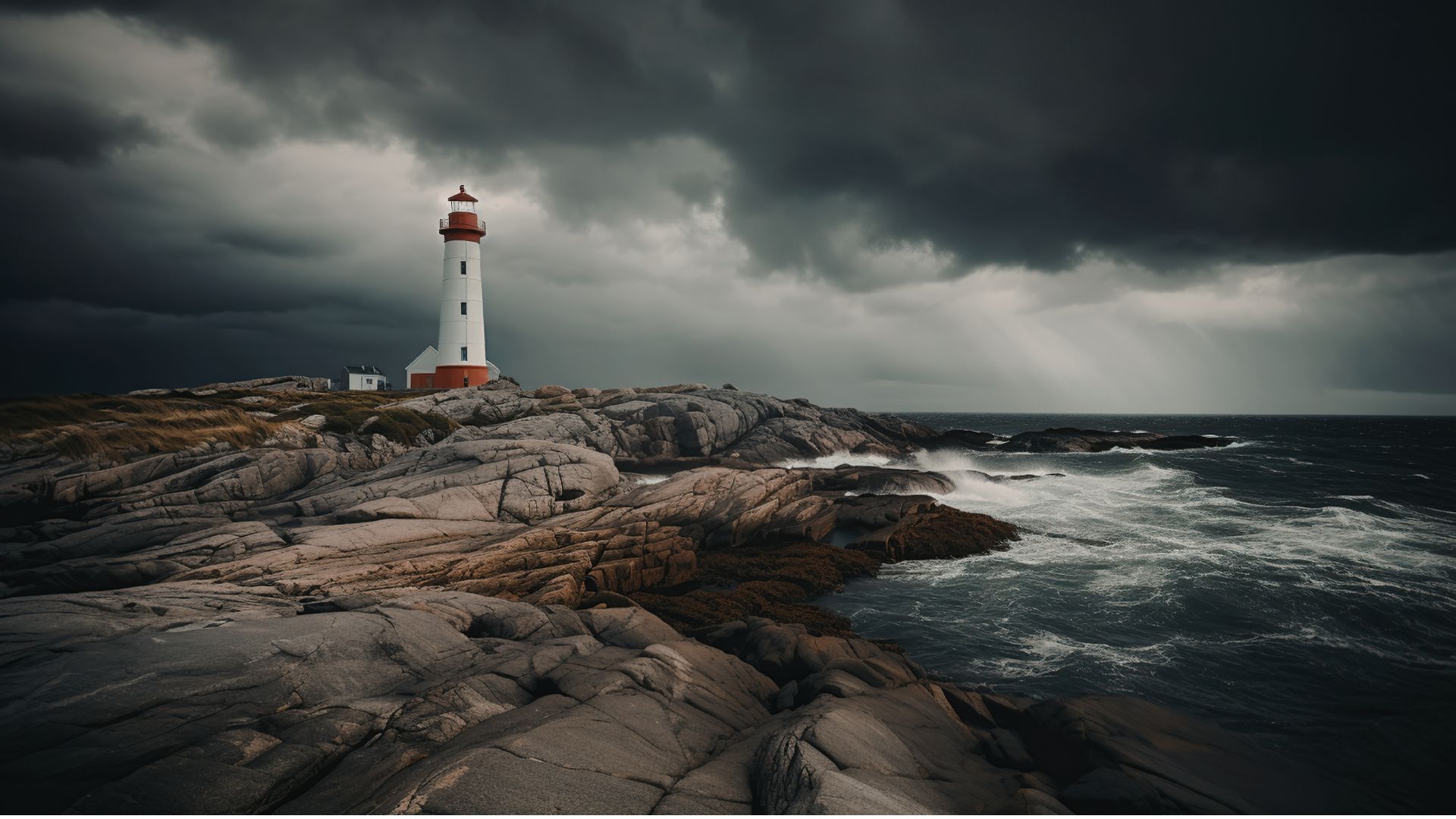
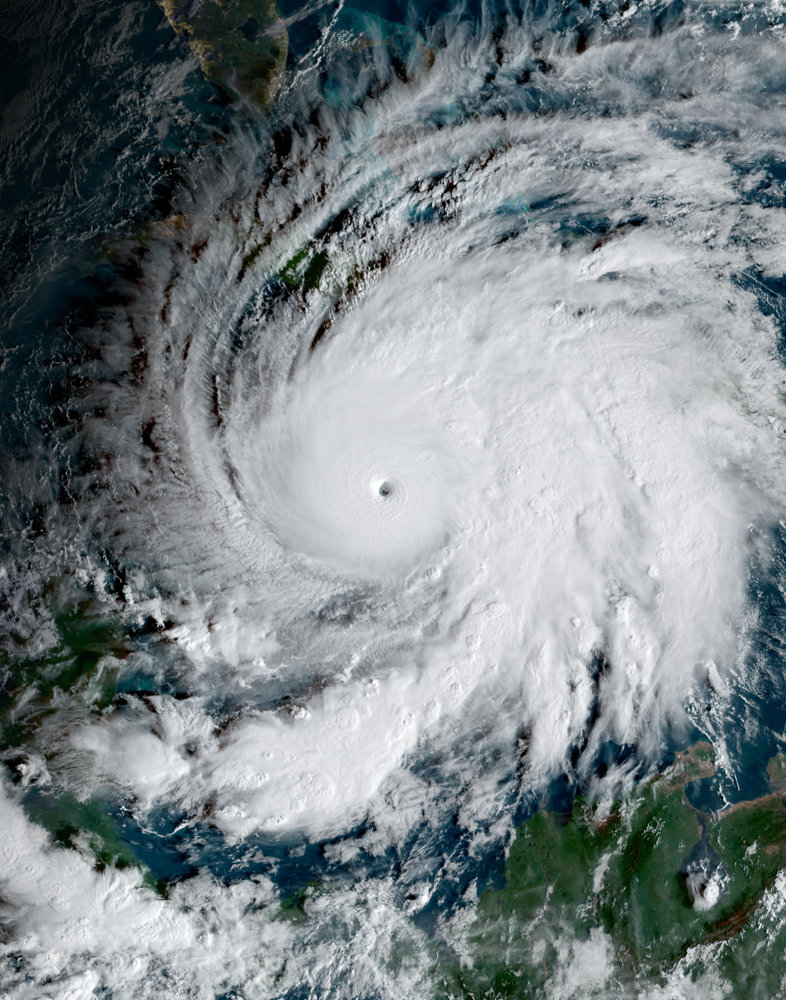
Two weeks after we completed our Jamaica Awareness of Mangroves in Nature (J.A.M.I.N.) programming, Hurricane Melissa made landfall. A powerful Category 5 hurricane, Melissa is now tied with Hurricane Allen in 1980 for the strongest winds ever recorded in an Atlantic storm. Like Hurricane Dorian, which devastated The Bahamas in 2019, Melissa will be remembered as one of the strongest hurricanes on record in the region.
For 11 years, the University of the West Indies Discovery Bay Marine Laboratory and William Knibb Memorial High School have been more than program partners. They have welcomed us into their classrooms and labs, shared meals and laughter, and committed themselves to educating their students about mangroves and coastal resilience. These colleagues and students are not distant collaborators. They are family.
And they were hit hard.
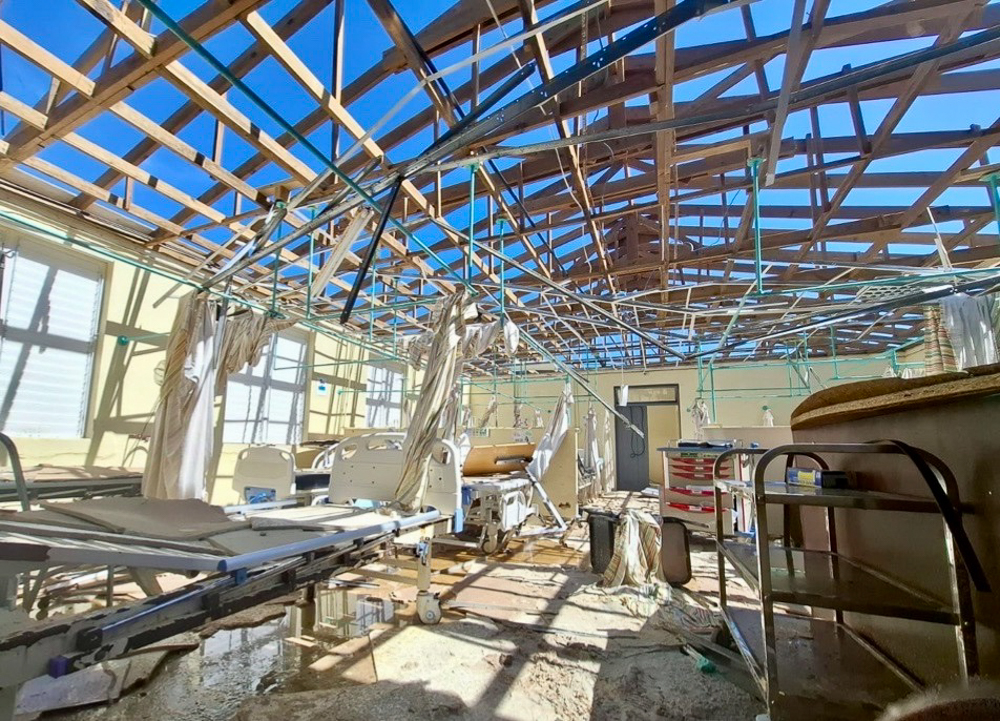
Many students lost their homes. William Knibb sustained significant damage, and recovery has been slow. Students were unable to return to school until early January. With limited indoor space, tents have been set up across campus to allow classes to resume. Teaching and learning continue — just under canvas rather than on concrete.
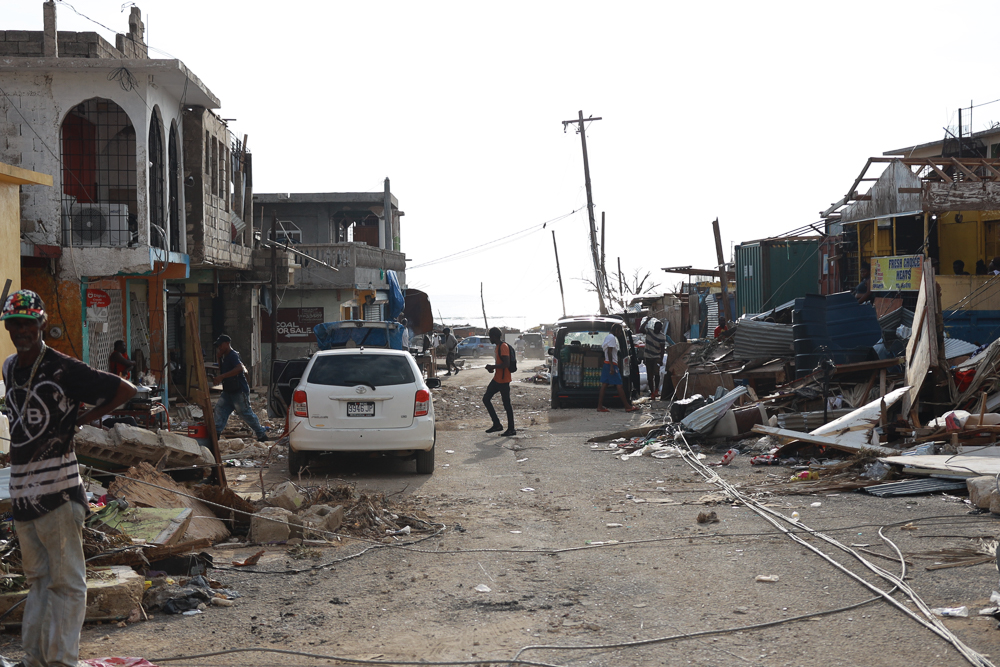
Watching this unfold has been especially difficult because it feels eerily similar to what our Bahamian partners endured after Hurricane Dorian. Once again, we are seeing how vulnerable island communities are to increasingly powerful storms.
While hurricanes have always shaped life in the Caribbean, warmer ocean temperatures fuel stronger storms. As seas heat up, hurricanes have more energy to intensify, bringing higher winds, heavier rainfall, and more destructive storm surge. Hurricane Melissa is part of that growing pattern.
This is why mangroves matter.
In J.A.M.I.N., students learn that mangroves are natural protectors. Their tangled roots absorb wave energy, reduce erosion, and help shield coastlines from storm surge. They also store vast amounts of carbon in their soils — what scientists call “blue carbon” — helping to slow the very climate changes that are making storms more intense.
These lessons feel different this year. They are no longer abstract ecological concepts. They are lived realities.
In the wake of the hurricane, we have paused J.A.M.I.N. programming in northwestern Jamaica to allow space for recovery and rebuilding. Our priority is the safety and stability of our partners and their students. On the eastern side of the island in Portland, which was spared the worst of the storm, programming continues in collaboration with Alligator Head Foundation. Even in the midst of disruption, the commitment to education remains strong.
The resilience of our Jamaican partners is remarkable. But resilience does not mean the absence of hardship. It means moving forward, even when the path looks different from before.
Storms like Melissa are a stark reminder of why this work matters. Mangroves protect shorelines. Education equips the next generation to protect their communities. Together, they build a kind of resilience that extends beyond a single storm.
We stand with our J.A.M.I.N. family in Jamaica as they rebuild. We have weathered difficult seasons together before, and we will again. Long after the winds have quieted, our commitment to these students, teachers, and communities remains unwavering.
Photo Credits:
- NASA, Public domain, via Wikimedia Commons. https://commons.wikimedia.org/wiki/File:Melissa_2025-10-28_1230Z.jpg.
- World Central Kitchen, CC BY 4.0, via Wikimedia Commons. https://commons.wikimedia.org/wiki/File:-ChefsforJamaica-Providing_relief_after_Hurricane_Melissa-_54899237994.jpg
- Pan American Health Organization, CC BY-NC-ND 4.0, via Flickr. https://www.flickr.com/photos/pahowho/54904408243/in/album-72177720329994536.