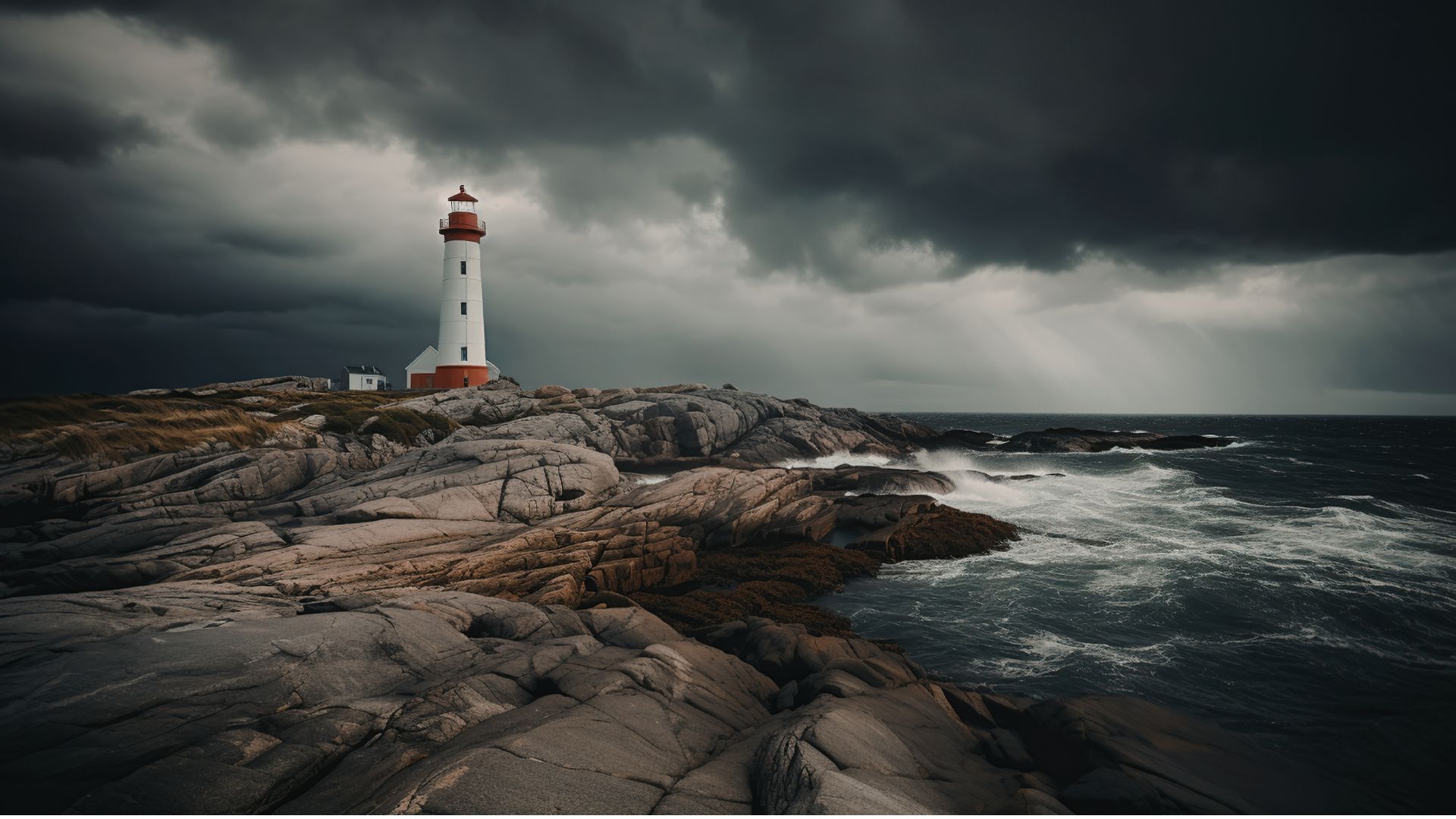
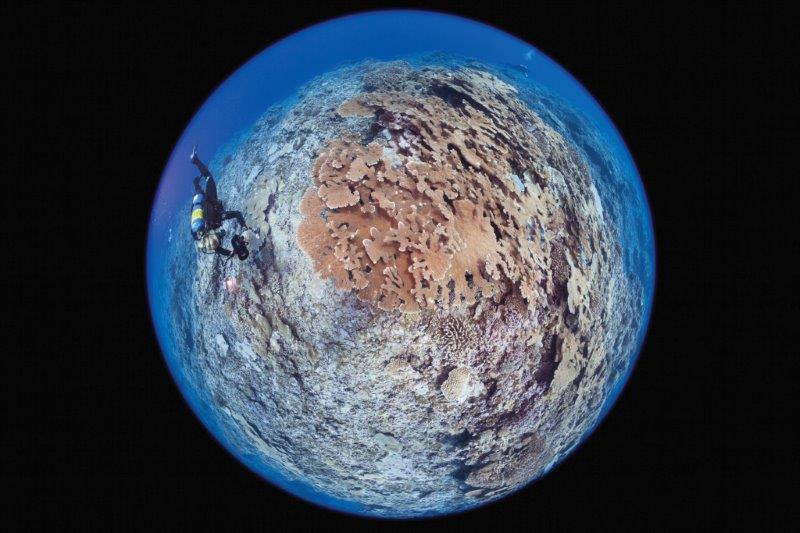
This Earth Day, we invite you to celebrate the blue heart of our planet: our oceans. The oceans produce half the oxygen we breathe, regulate our climate, sequester vast amounts of carbon, and even control the weather. The Khaled bin Sultan Living Oceans Foundation focuses on ocean conservation because we want to protect, preserve, and restore the health of our planet’s blue heart— our living oceans.
In 1969, the Cuyahoga River in Cleveland, USA caught fire. Not a boat on the river, or something in the water — the water itself had so much flammable waste dumped into it that it quite literally caught fire, garnering the attention of the entire nation. That same year, United States senator Gaylord Nelson was present in California to witness the aftermath of the Santa Barbara oil spill, the third largest spill in US coastal waters to date. At the time, plastic was considered the miracle material of the future, and Earths’ resources were perceived as limitless and expendable. A common motto of politicians and press was, “Dilution is the solution to pollution,” implying that dumping toxic waste into large bodies of water was the most viable solution for waste disposal. Events like the Cuyahoga river fire were just beginning to bring the concept of environmentalism into the national conversation.
Senator Nelson’s proposal of Earth Day to congress coincided with a paradigm shift in the way we think about the environment. Earth Day helped to put concepts like conservation and environmentalism on the map and is now celebrated worldwide.
As our environment is rapidly changing and the urgency for conservation increases, so should the conversations that we have surrounding Earth Day. While the inauguration of Earth Day was monumental for its time, we are long overdue for another paradigm shift in the way we see the ocean’s role in the health of the planet. Legendary marine biologist, Dr. Sylvia Earle, refers to the ocean as the “blue heart” of our planet, and posed the question, “How much of your heart do you want to protect?” This is an excellent question to ask ourselves today. What will our generation do in 2022 to protect our planet’s heart? Be at the forefront of the conversation this year by staying educated about some of the major issues facing our oceans today.
At the Living Oceans Foundation, we’ve curated tons of resources that can keep you up-to-date, including documentaries, curriculum, and even some interviews with Dr. Sylvia Earle, herself.
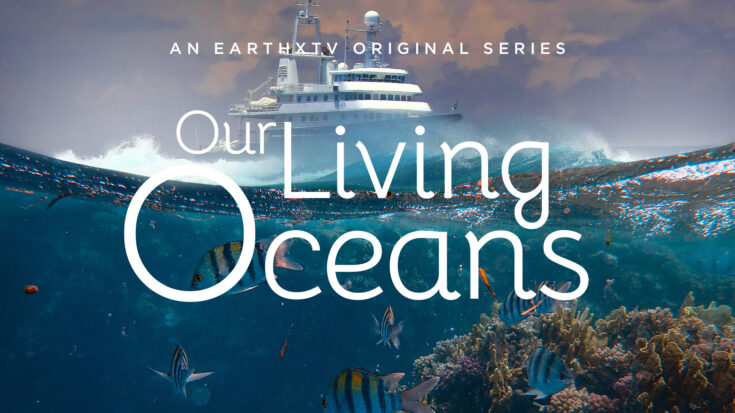
For starters, check out Our Living Oceans, which you can stream for free on EarthxTV. Submersible pilot Erica Bergman hosts this epic six-part series which explores the health of our oceans with the scientists and conservation leaders who joined us on our Global Reef Expedition, one of the largest coral reef studies to ever take place. Listen to Dr. Earle discuss the importance of maintaining healthy oceans, hear from a NASA scientist about how coral reefs can act as a living repository of resources for humans, and listen to H.R.H Princess Hala bint Khaled bin Sultan on how her father’s Foundation is helping to address the coral reef crisis.
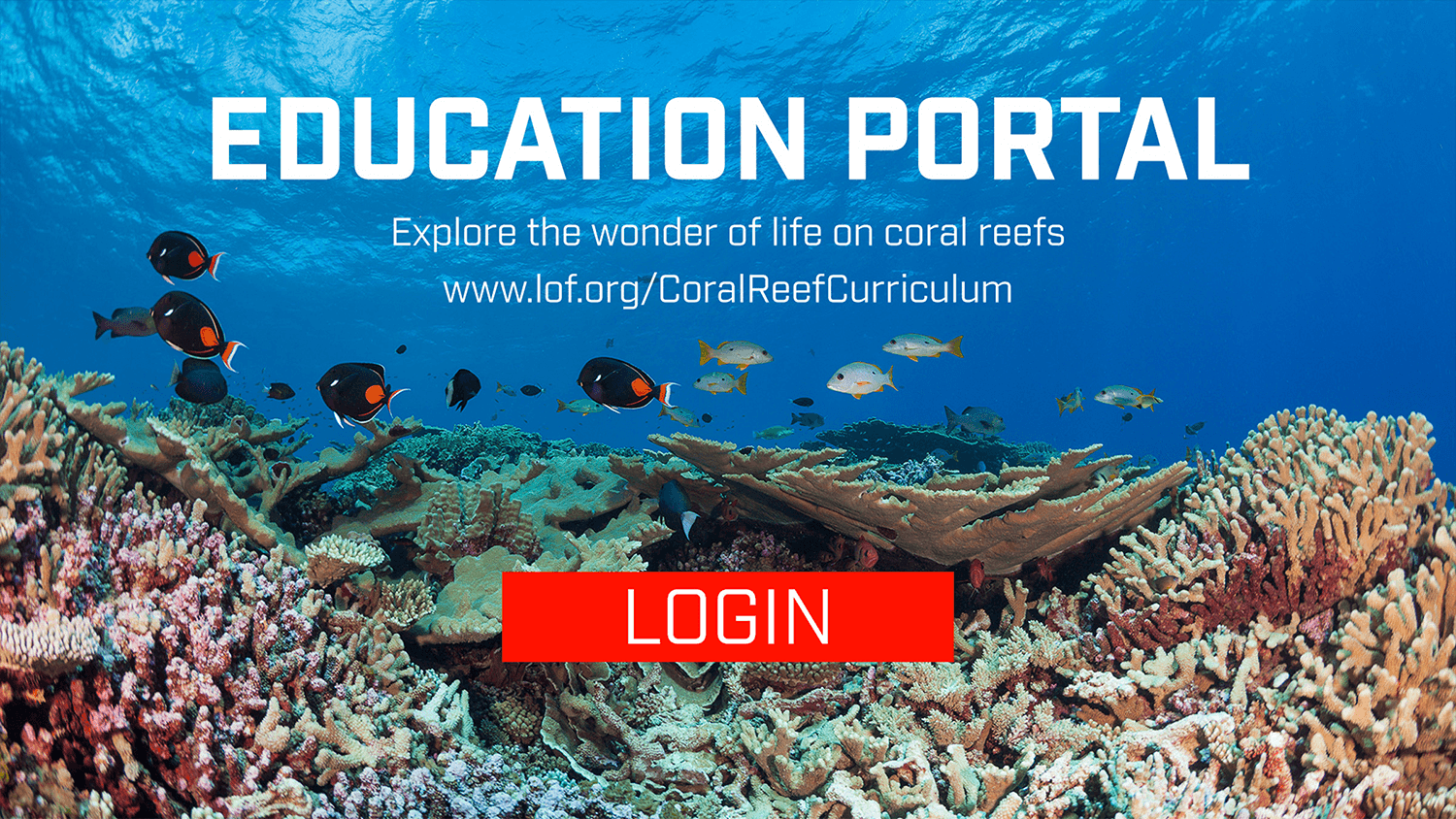
Next, head over to our Coral Reef Ecology Curriculum to check out our brand new unit on marine conservation. This unit covers threats, monitoring, restoration, and more. We are actively working on expanding this unit to include even more lesson plans and activities for the fall semester.
Finally, make sure that you’re taking a moment today to appreciate the ocean, and all it does for us. From the oxygen produced by diatoms – marine microalgae that produce 25% of the oxygen in our atmosphere, to the (sustainably caught) fish we eat. Thank our living oceans today, and have a happy Earth Day!