When I reminisce on my childhood, I often connect certain memories and educational experiences with TV shows and movies I watched. Being interested in nature at a young age, especially marine biology, there were flicks that inspired me and deepened my curiosity in these topics. Some of my fondest memories include watching documentaries on National Geographic with my grandparents and uncle, unveiling the mysteries of the planet. My sister and I belting out “Under the Sea” from The Little Mermaid, wishing that I was with Ariel in this enchanting underwater world. And, after seeing Fern Gully in the movie theatre, feeling compelled to save the rainforests.
Each generation of children have their own memories of the shows and movies they watched. This media evokes different emotions and experiences for all of us. When teaching students about mangroves, I can draw on these memories to connect information that we are learning in our B.A.M. and J.A.M.I.N. programs. This is specifically useful when I teach about the mangrove food web, which is what we are focusing on during this phase of our programs.
SpongeBob SquarePants, Finding Nemo, and Finding Dory are audiovisual media that were popular when these students were growing up. It wasn’t difficult for the students to make connections between the organisms portrayed in these media with the ones that we were learning about. Most times, I didn’t even need to prompt them. When providing an example of a food chain that started with phytoplankton, a student, or twos, hands would go up and they would ask, “Ms. Amy, is that like Plankton in SpongeBob?” I enthusiastically explained, “Almost, but not quite.” I’m always thrilled with the question because it leads us to discuss the differences between phytoplankton and zooplankton and their feeding position in the food chain.
In later lectures, we discuss different animals and plants that we can find in the mangrove food web. The students learn about the characteristics that classify these organisms into different phyla. To help them connect the information, I attempt to sing the song from Finding Nemo that Mr. Ray sings before taking his students to the drop-off. I start with:
“Oh, let’s name the species, the species, the species.
Let’s name the species that live in the sea.There’s porifera, coelenterata, hydrozoa, scyphozoa
Anthozoa, ctenophora, bryozoas, three
Mollusca, gastropoda, arthropoda, echinoderma
Tuck in the chordata and some fish like you and me.Come on, sing with me!
Oh…”
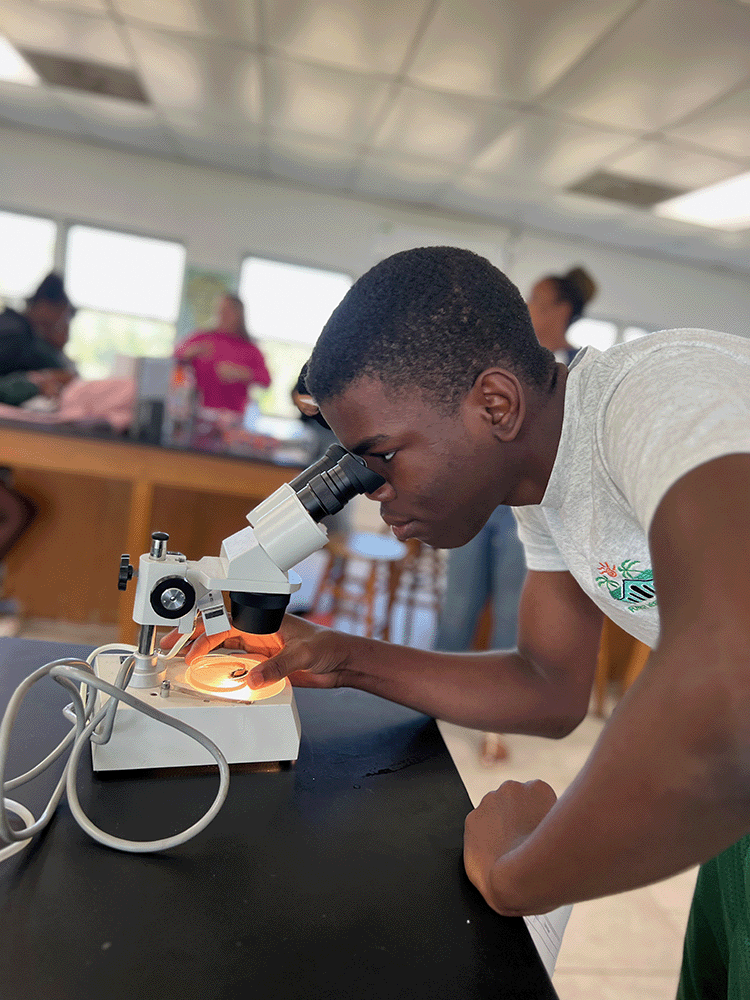
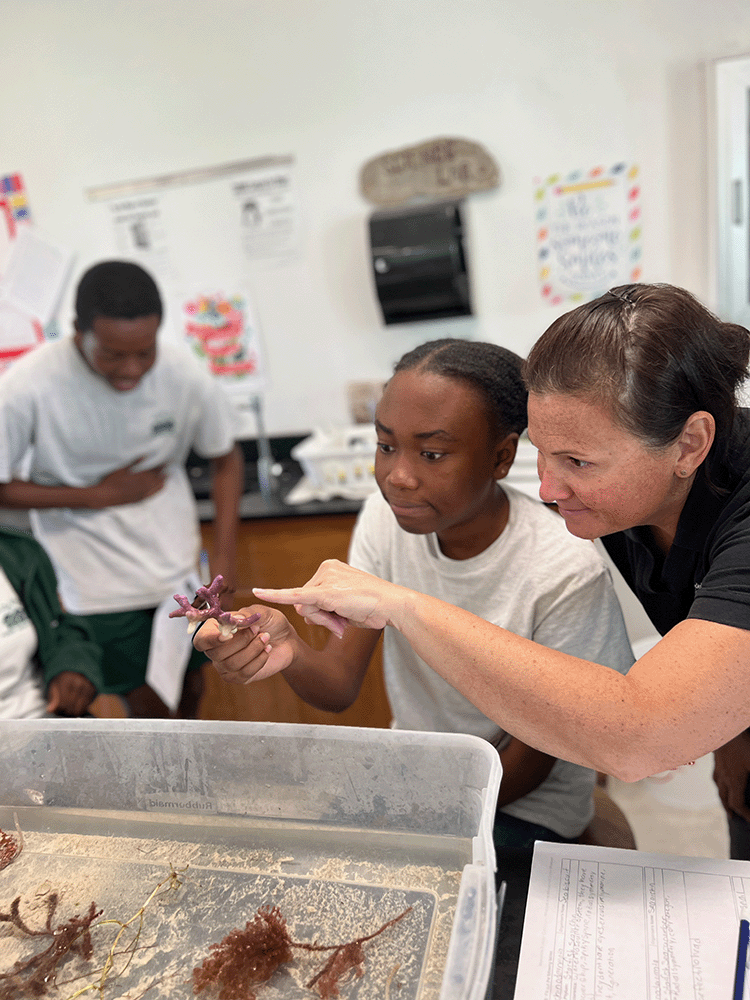
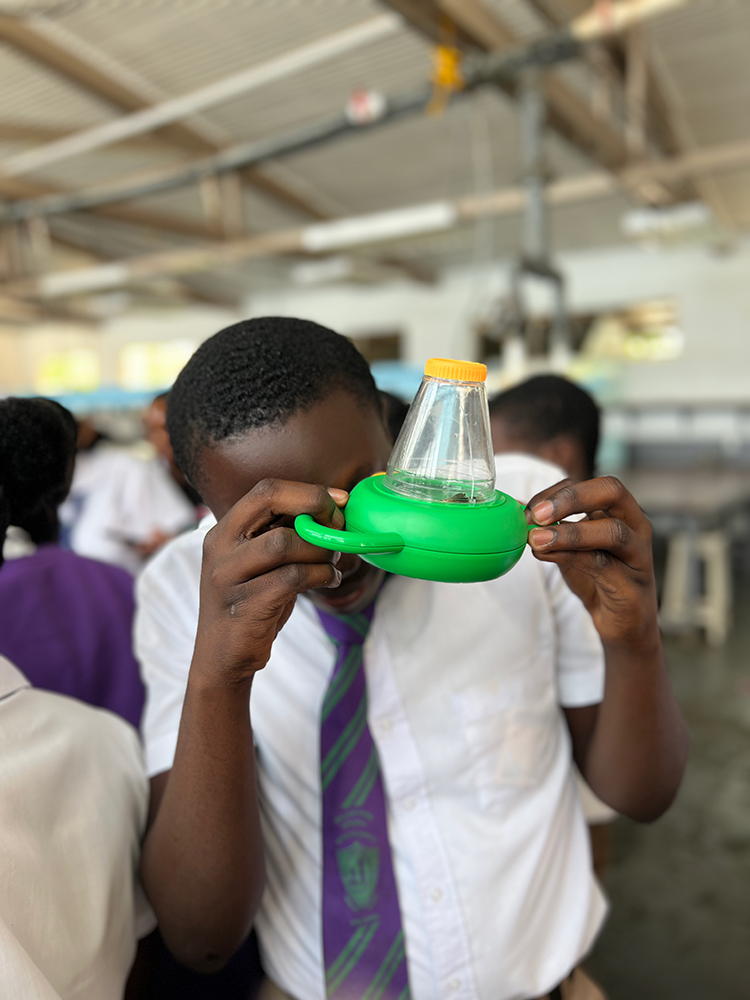
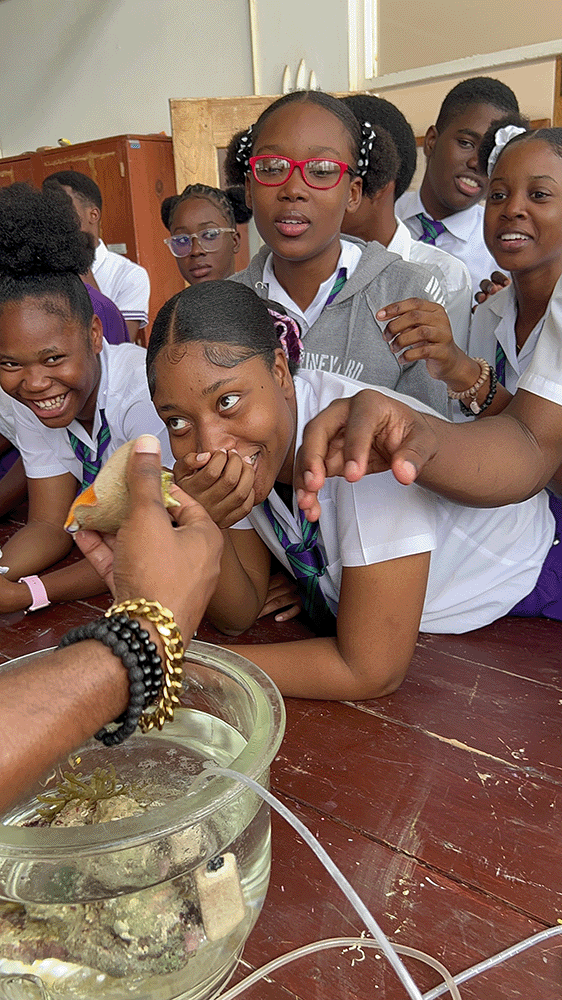
As I sing, some of the students silently mouth the words, indicating that they recognize the song. Afterwards, I point out that Mr. Ray isn’t singing about species, but that he is listing some of the ocean phyla and classes that we are going to be discussing. I further explain that after the lecture, they will get to observe some of these organisms up close, which really piques the students’ interest. They have been eyeing the plastic containers next to me, hoping to get a glimpse of the cryptic creatures contained within.
Despite their eagerness, they patiently learn about the different ocean phyla. The students continue to connect the various organisms in the presentation with the animated characters they adore from their childhood. Some of the more popular characters that students mentioned include Patrick, the sea star, SpongeBob, the sponge, and Mr. Krabs, the crab from SpongeBob Squarepants; Others include anemones, which I pronounce “amnemonemomne,” like in Finding Nemo; the most popular choices were Nemo, the clownfish, and Hank, the octopus from Finding Dory.
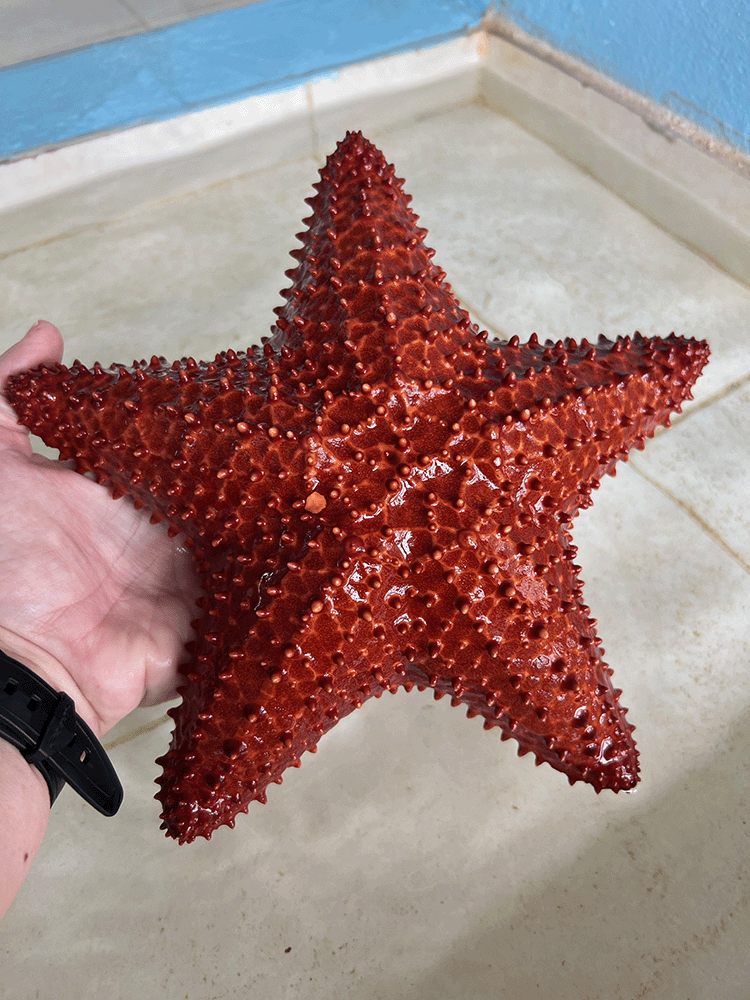
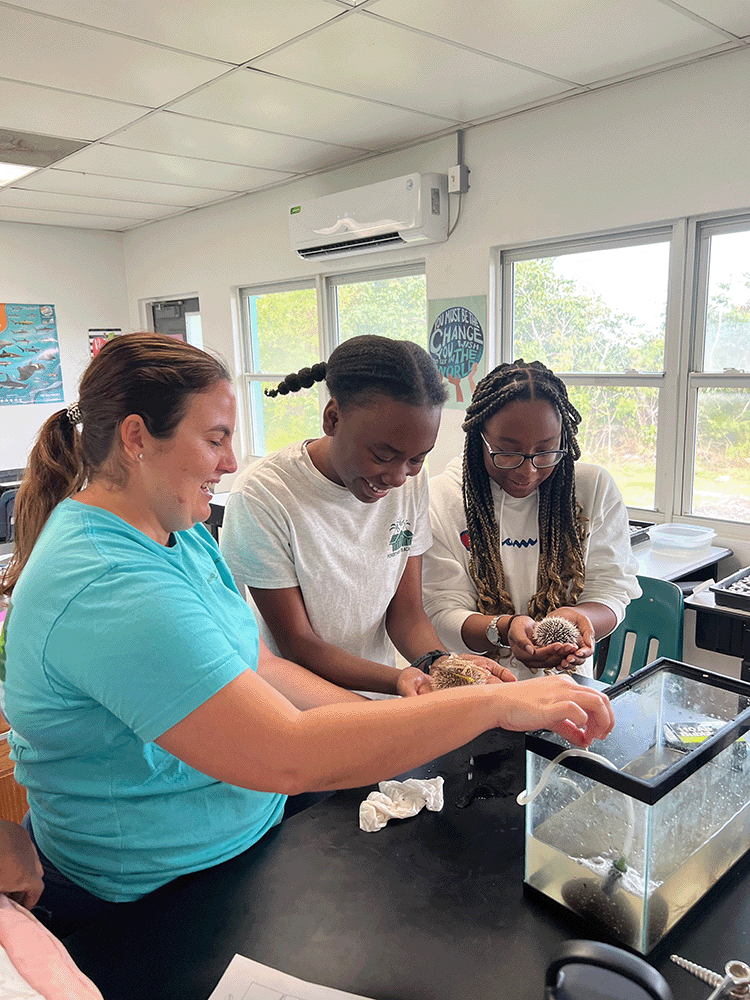
The students’ patience is eventually rewarded with a touch tank activity that allows them to see and even hold some of the organisms they learned about earlier. Our evaluations reveal that this experiential learning experience is one of the students’ favorite activities in our programs.
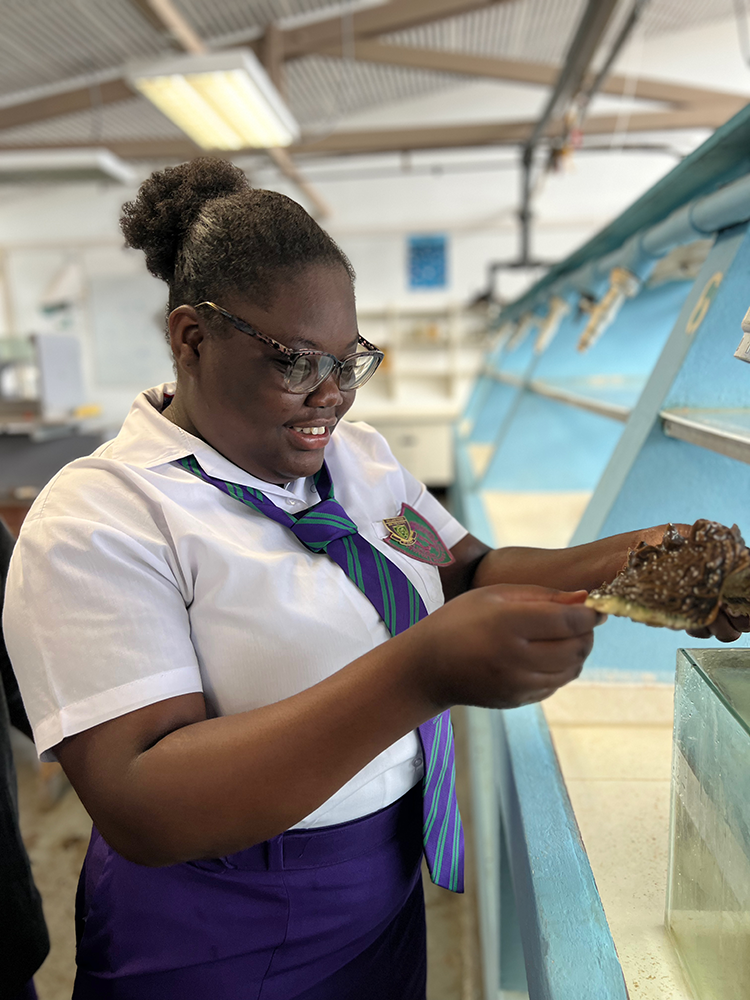
As a teacher, I have seen firsthand how popular TV shows and movies can be used to connect students to the real-life organisms we teach about in our B.A.M. and J.A.M.I.N. programs. By drawing on these memories and experiences, we can make learning more engaging and exciting for students. Media has played a role in my own understanding of the natural world, and I’m excited to see how it continues to inspire the next generation of environmental stewards.