The 2025–2026 academic year was one of those defining years for our Bahamas Awareness of Mangroves (B.A.M.) and Jamaica Awareness of Mangroves in Nature (J.A.M.I.N.) programs. It was a year marked by celebration, challenge, growth, and powerful full-circle moments, and a reminder of why mangrove education matters.
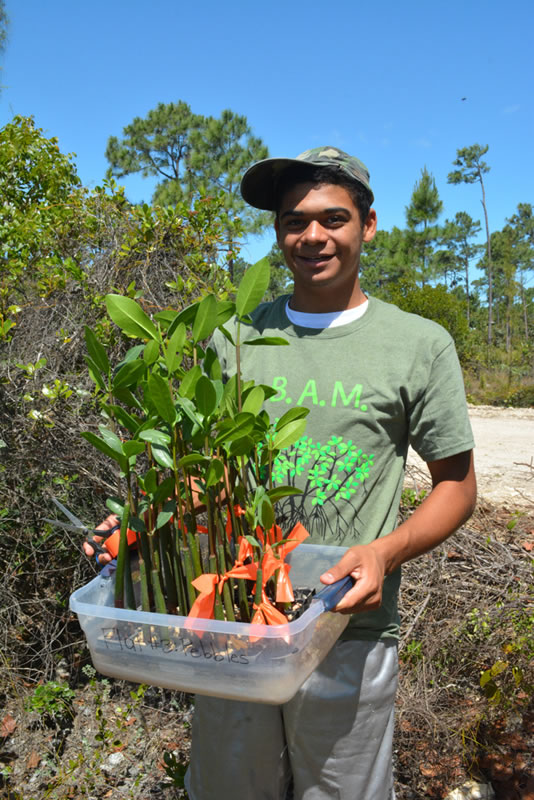
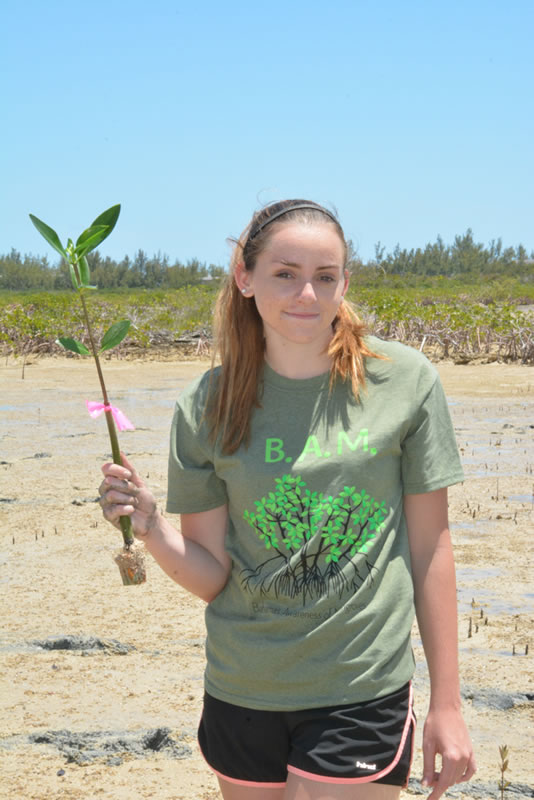
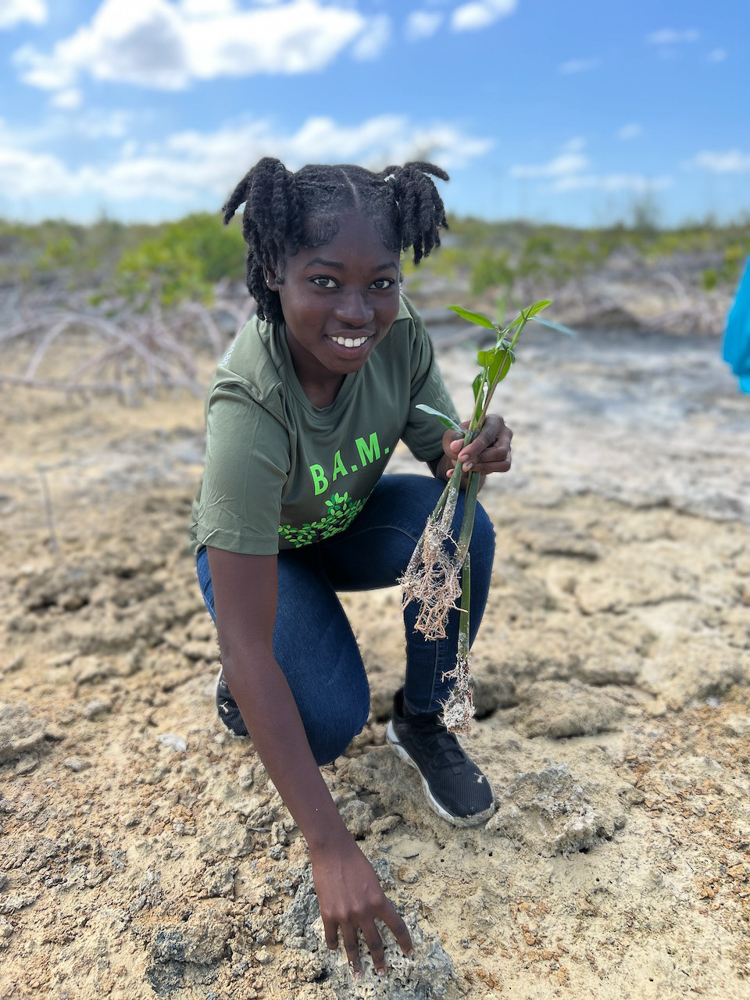
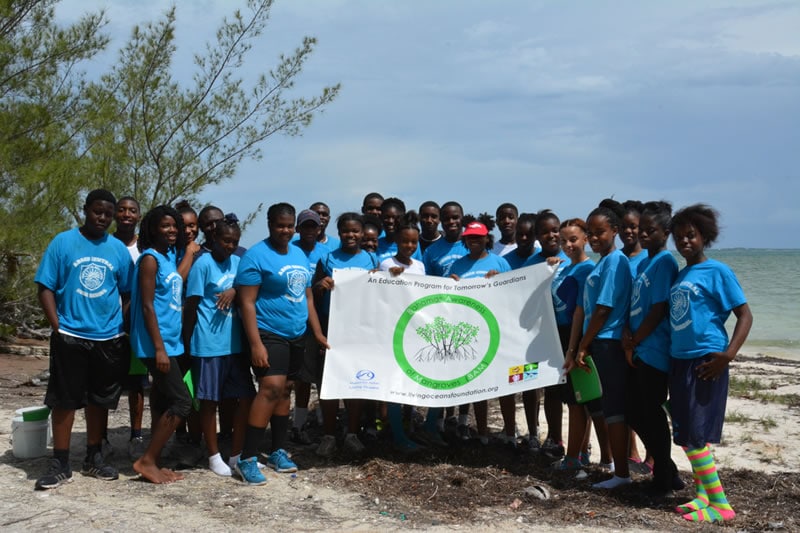
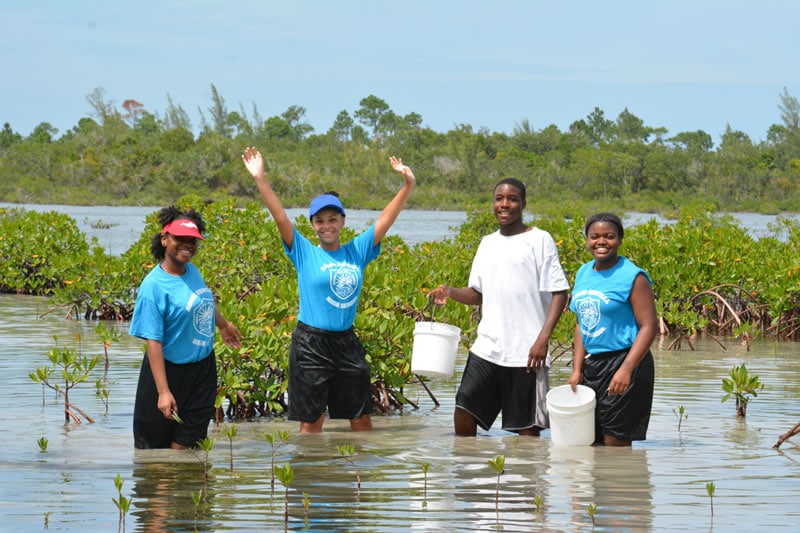
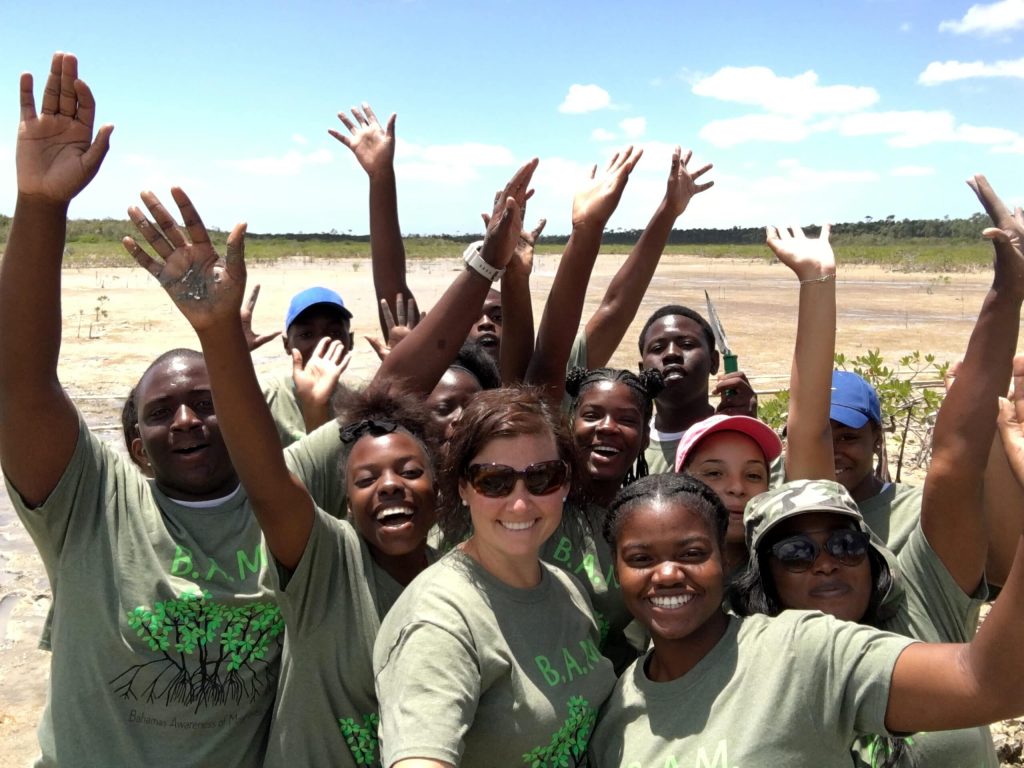
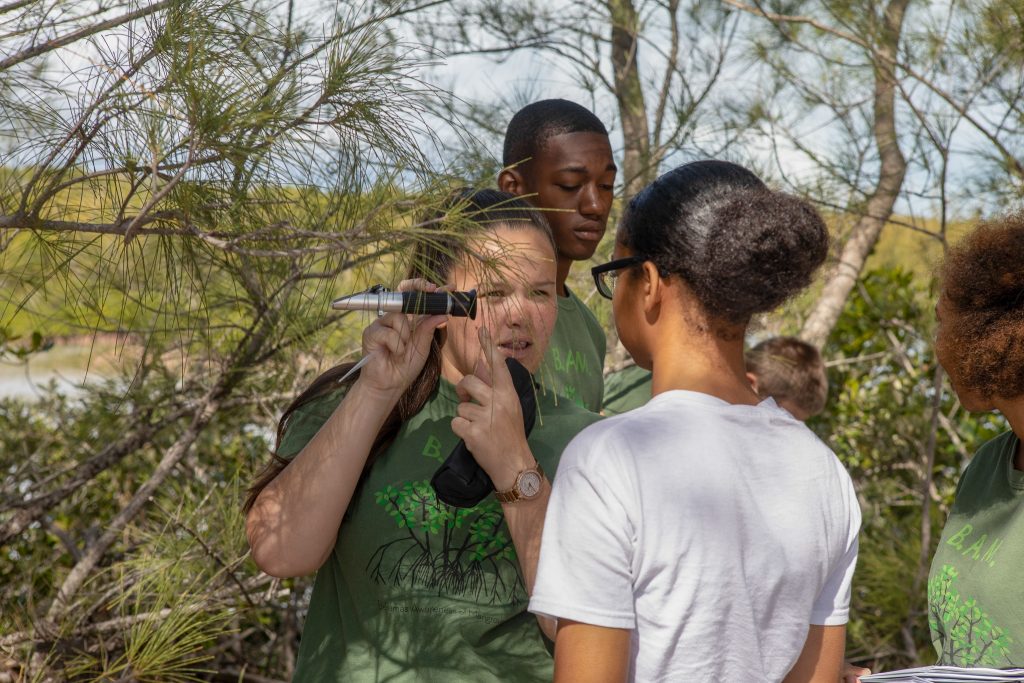
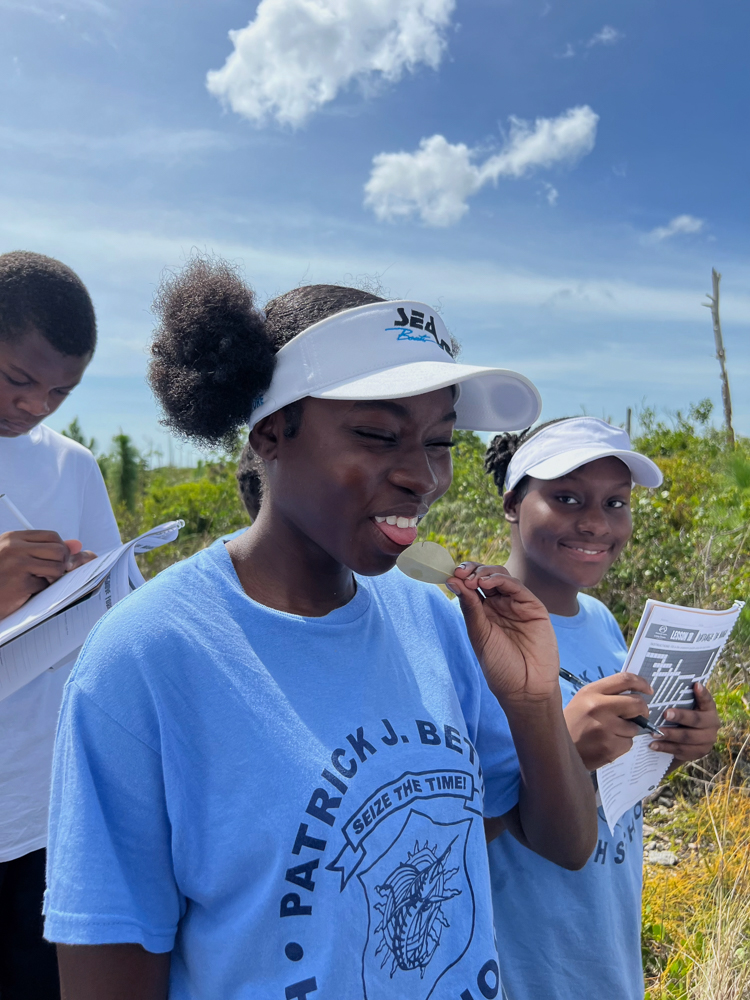
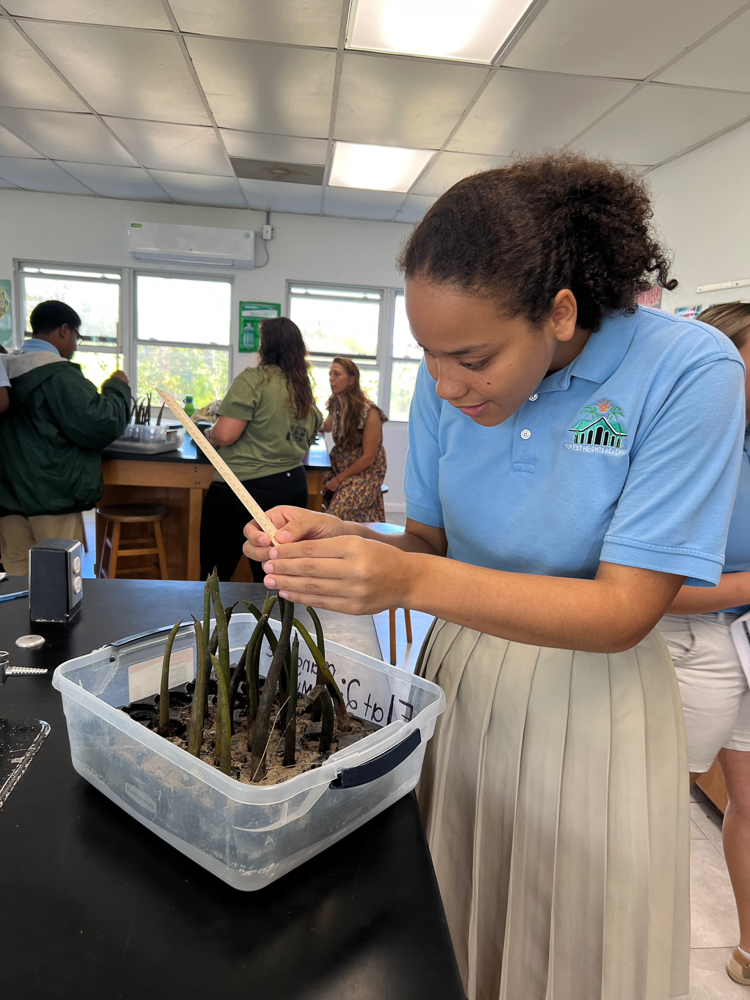
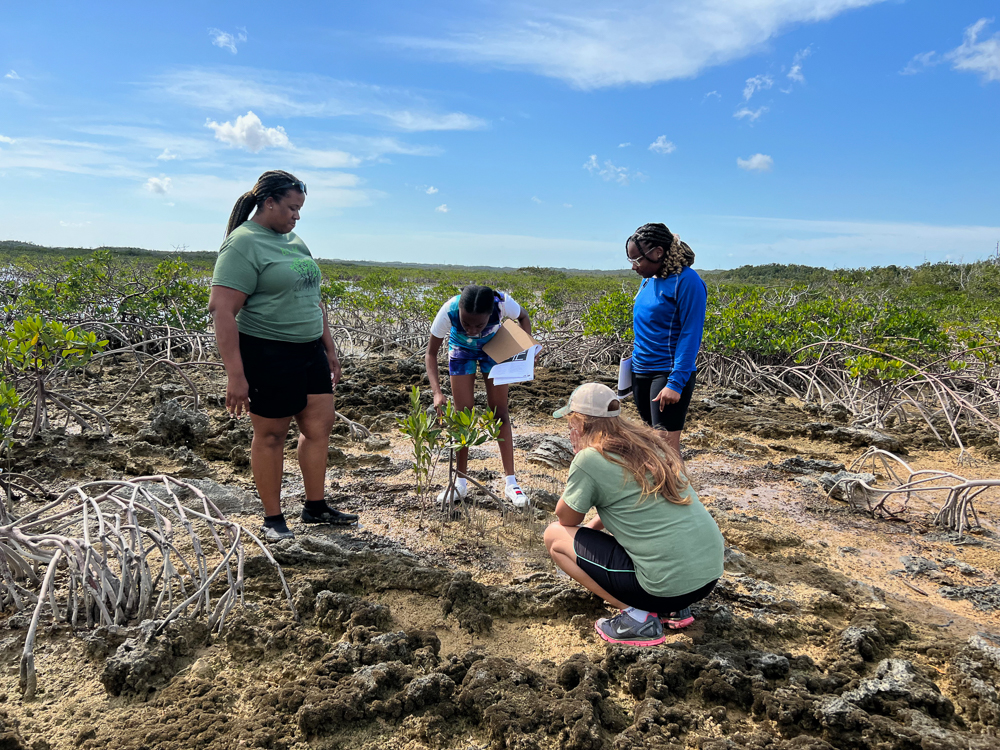
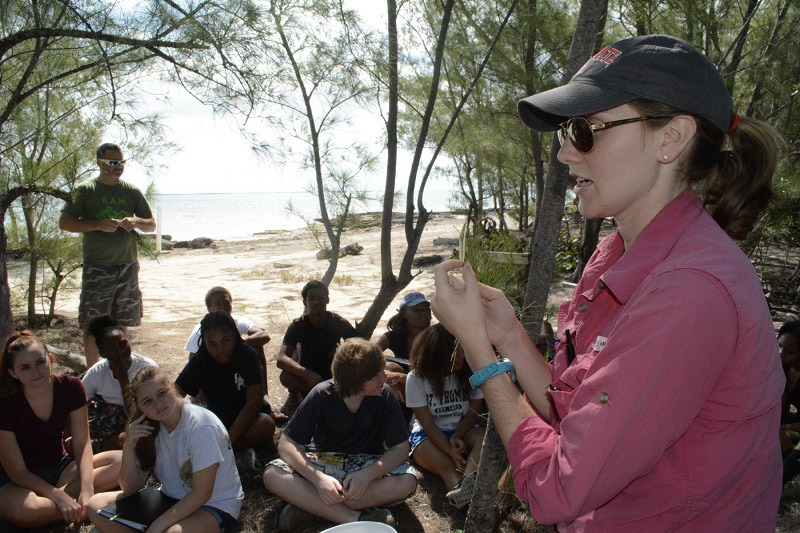
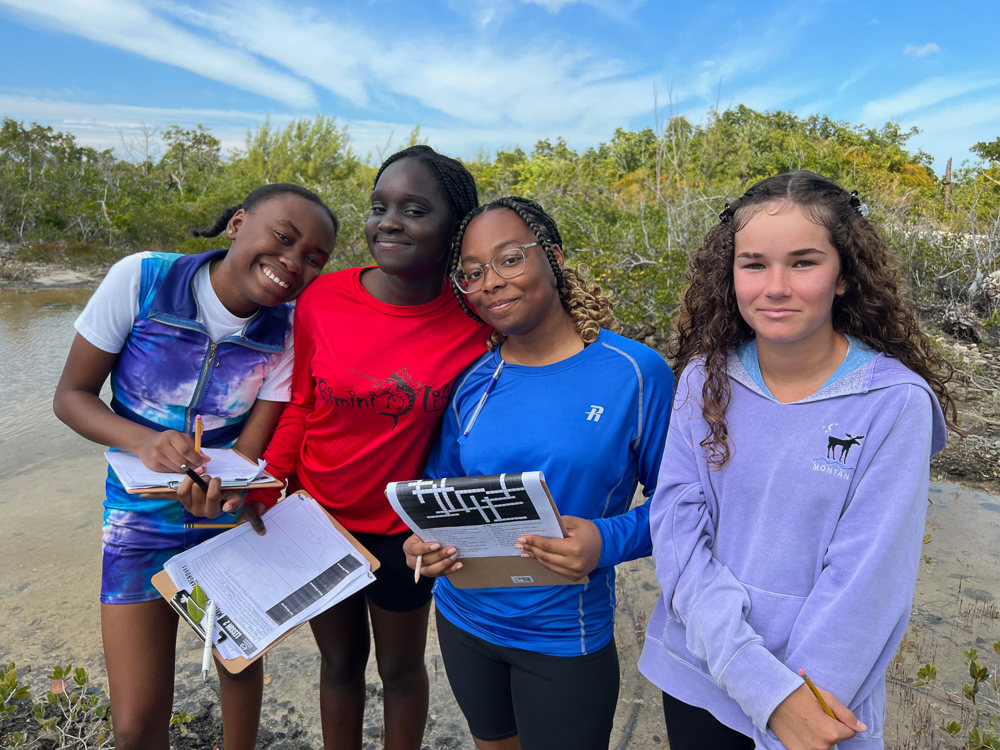
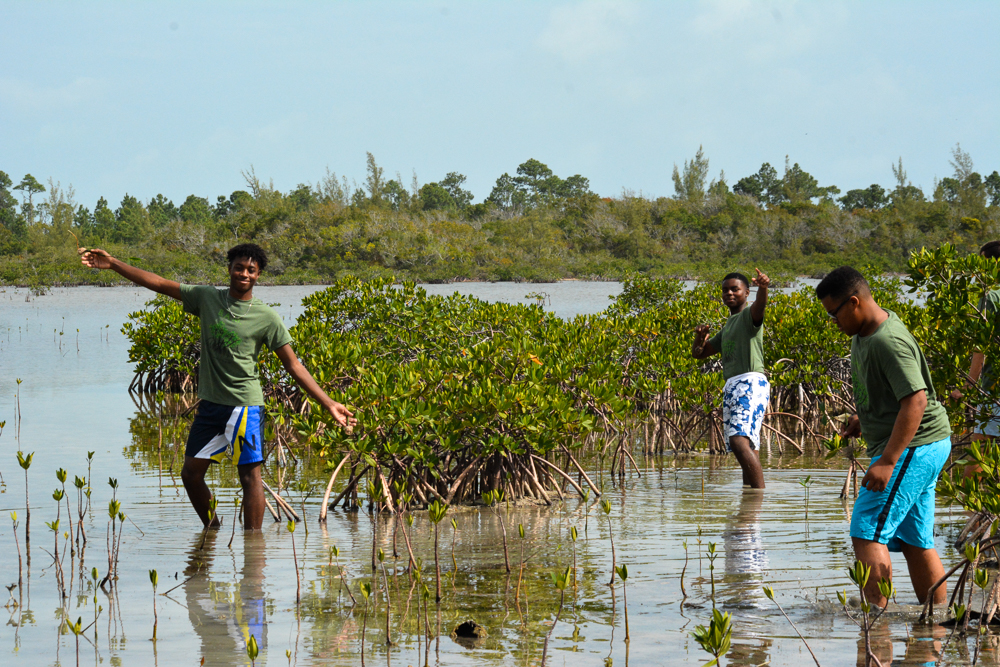
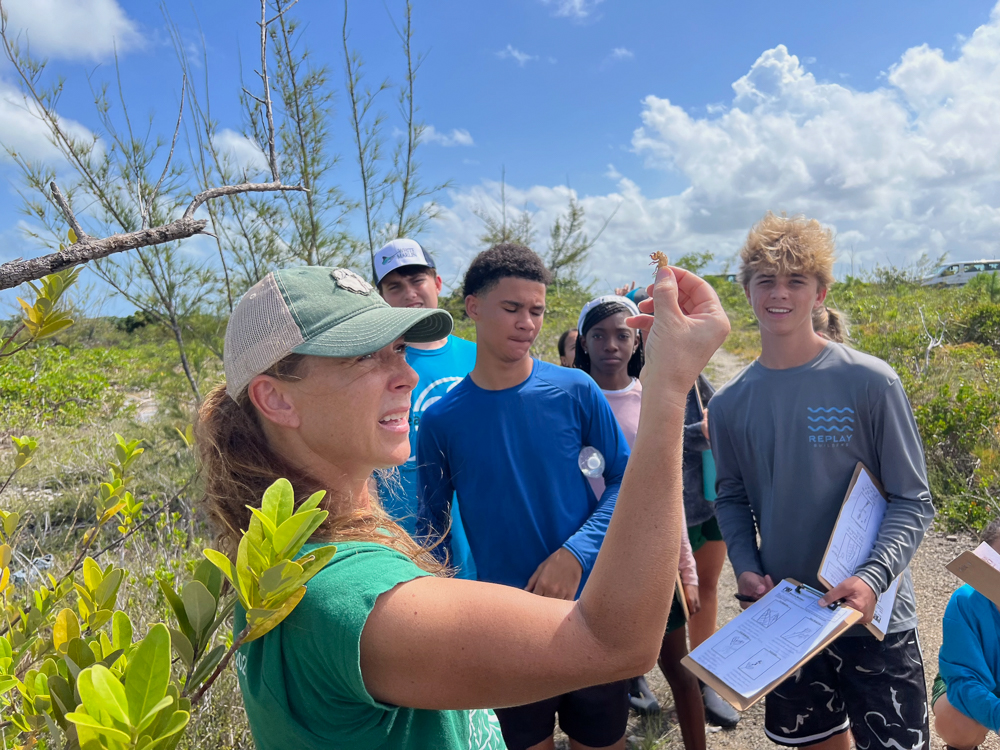
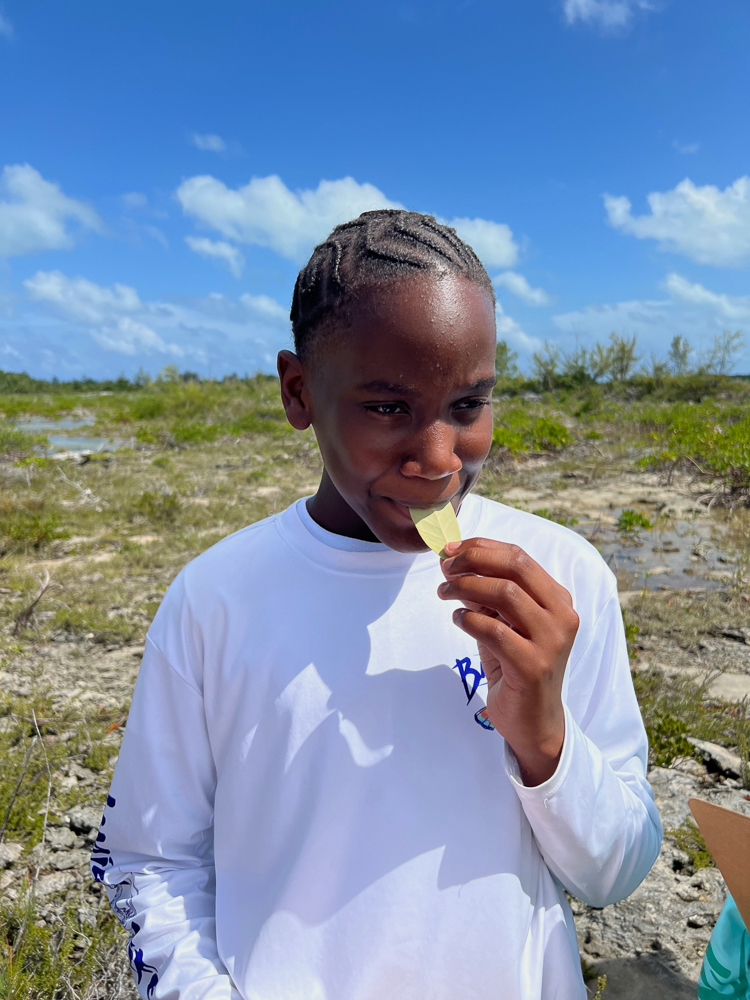
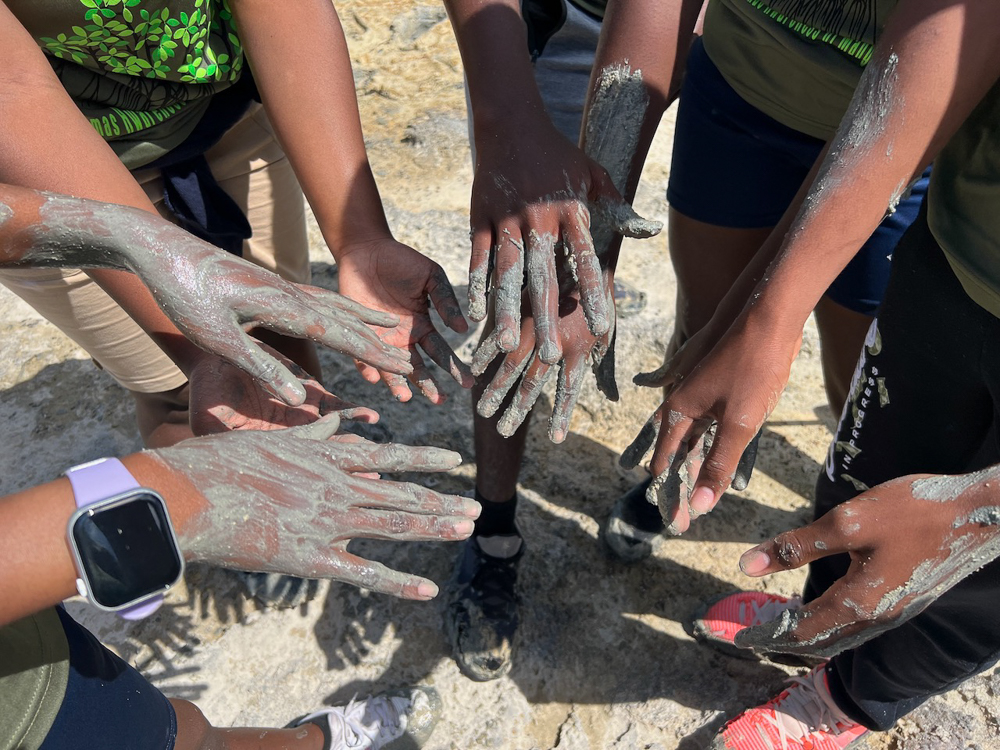
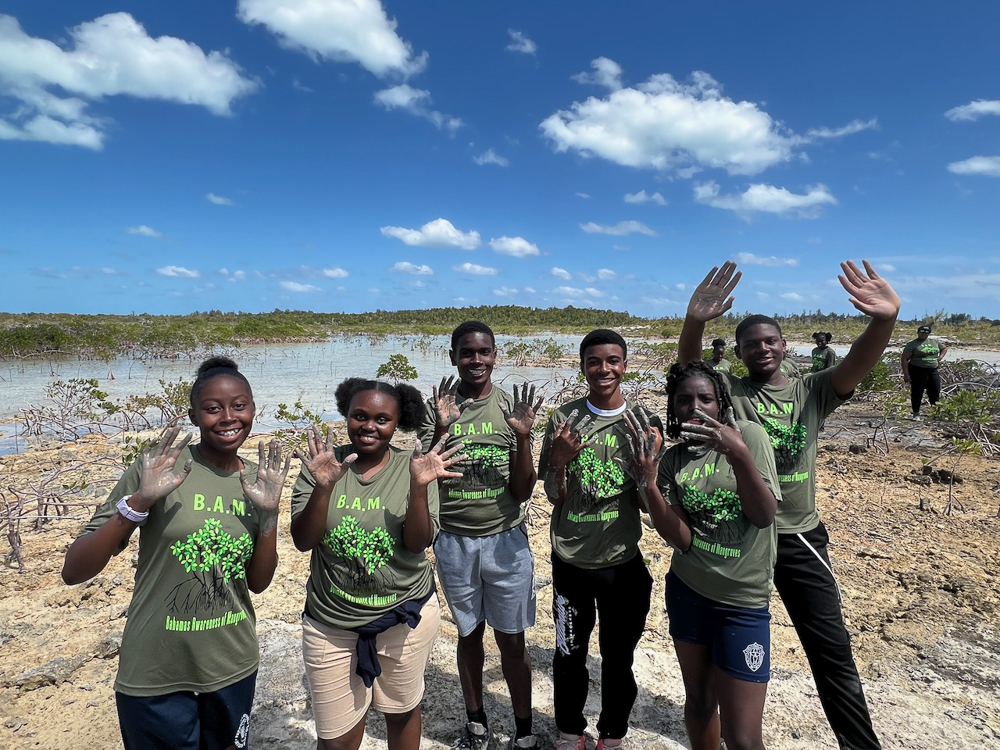
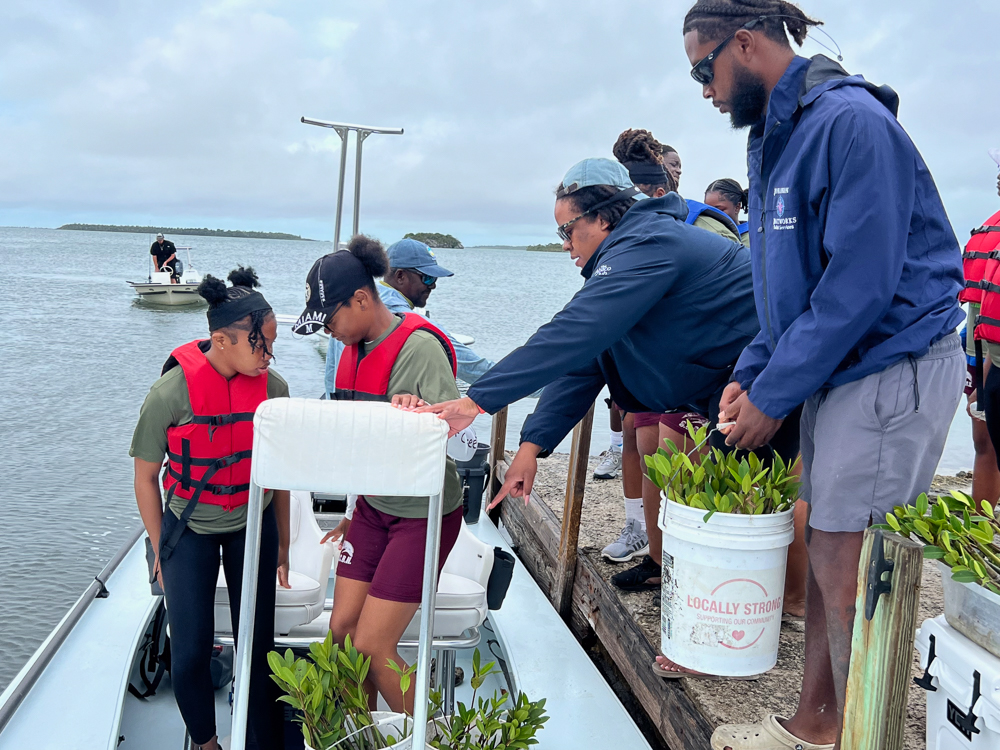
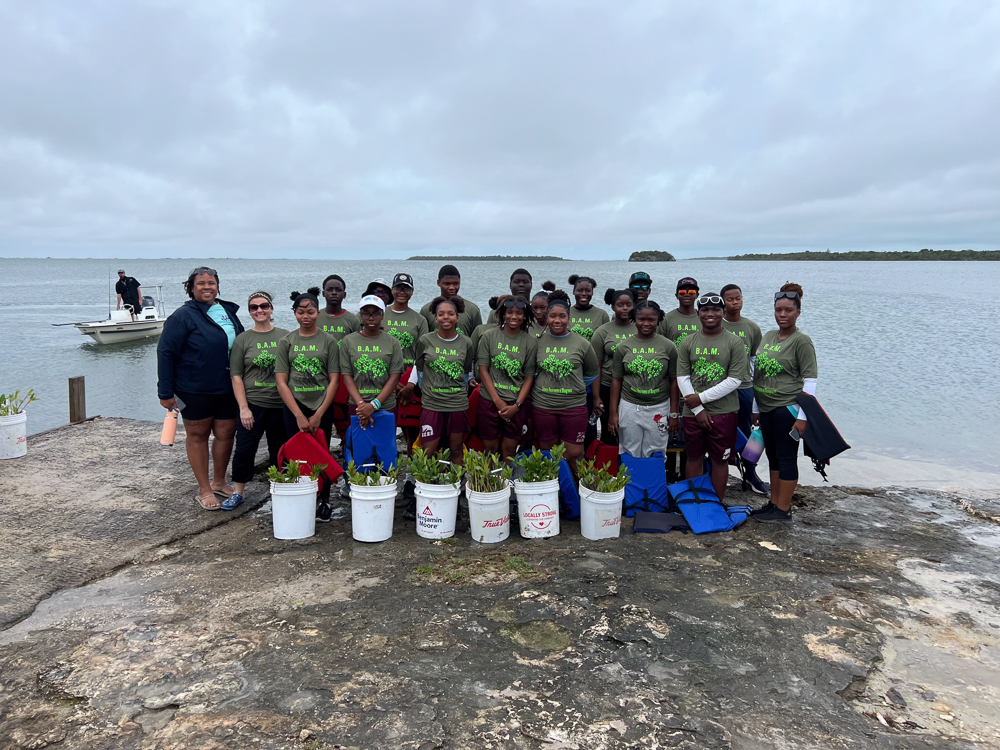
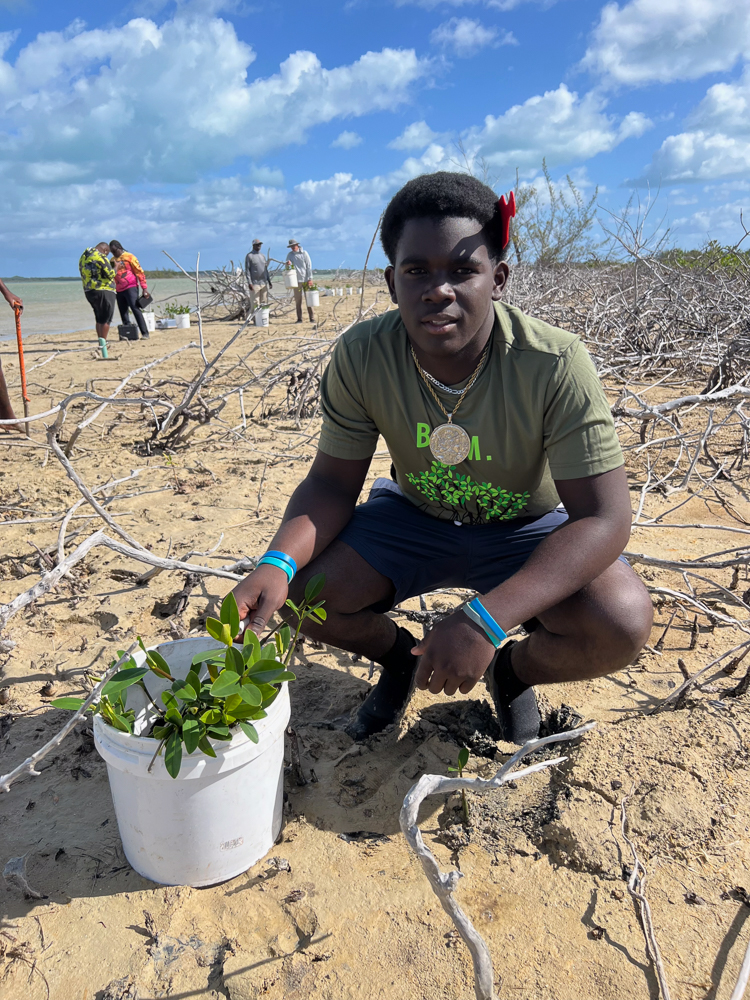
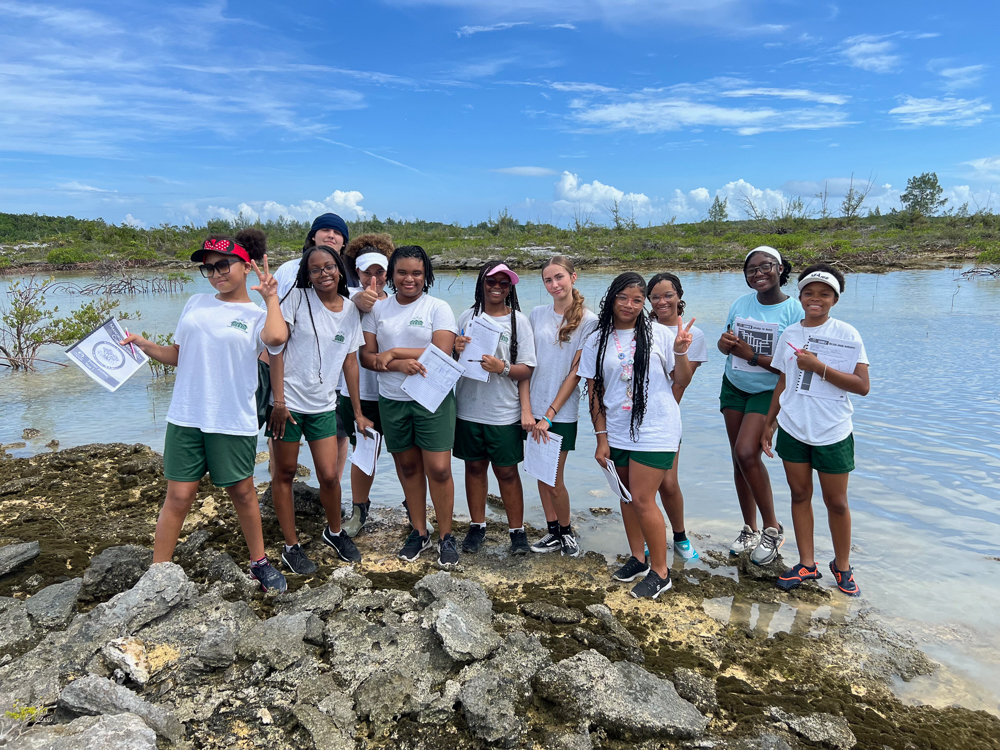
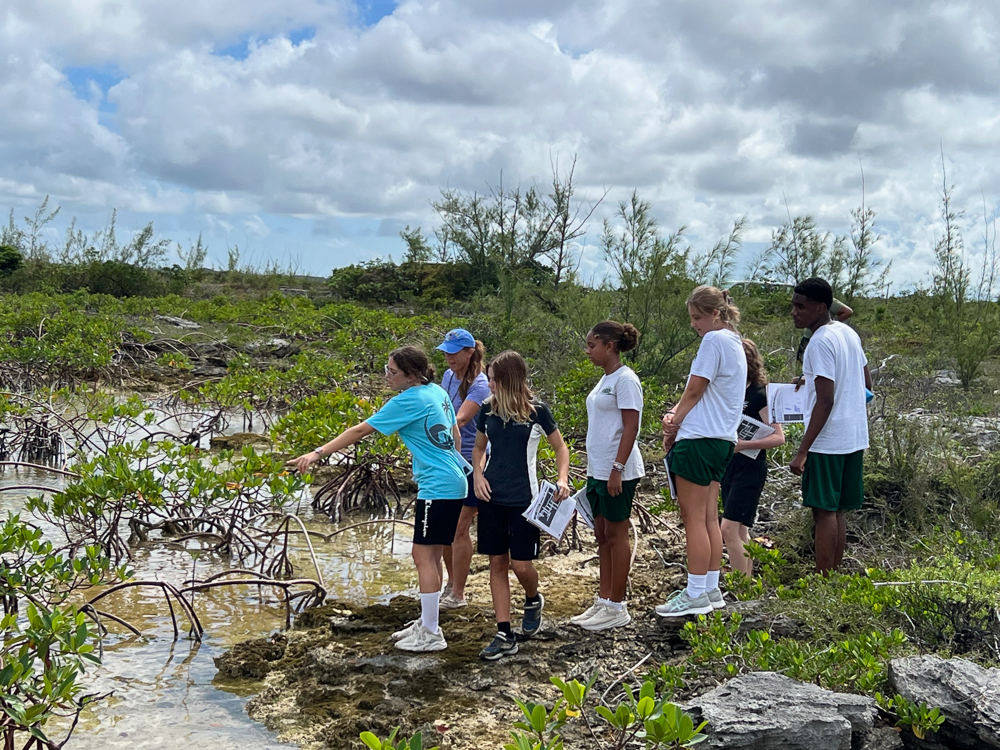
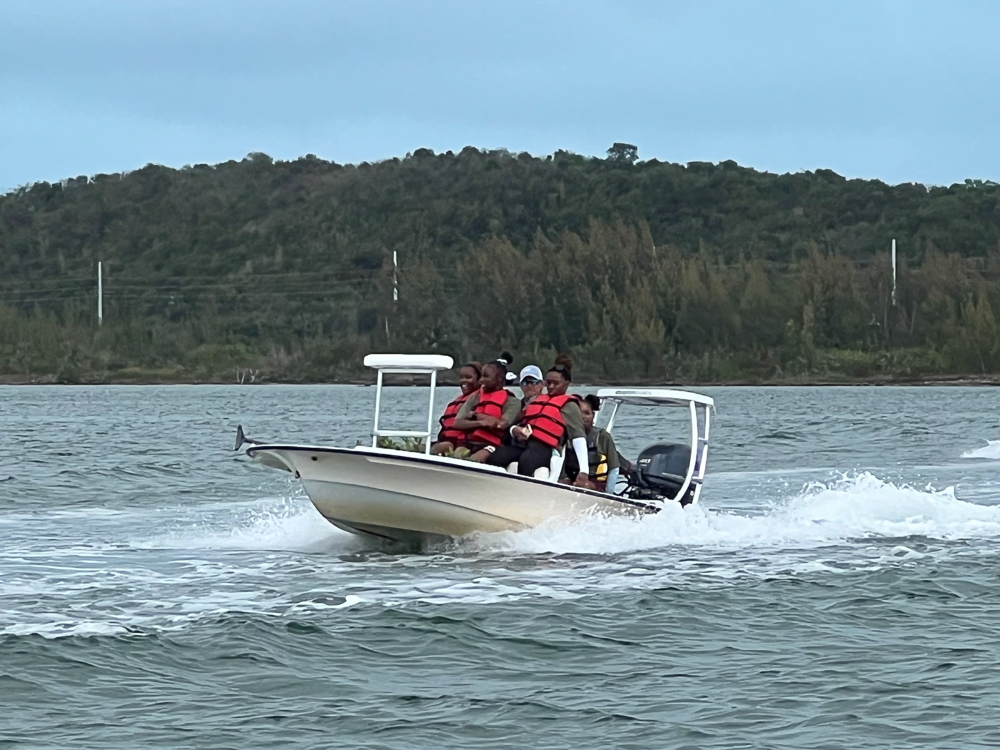
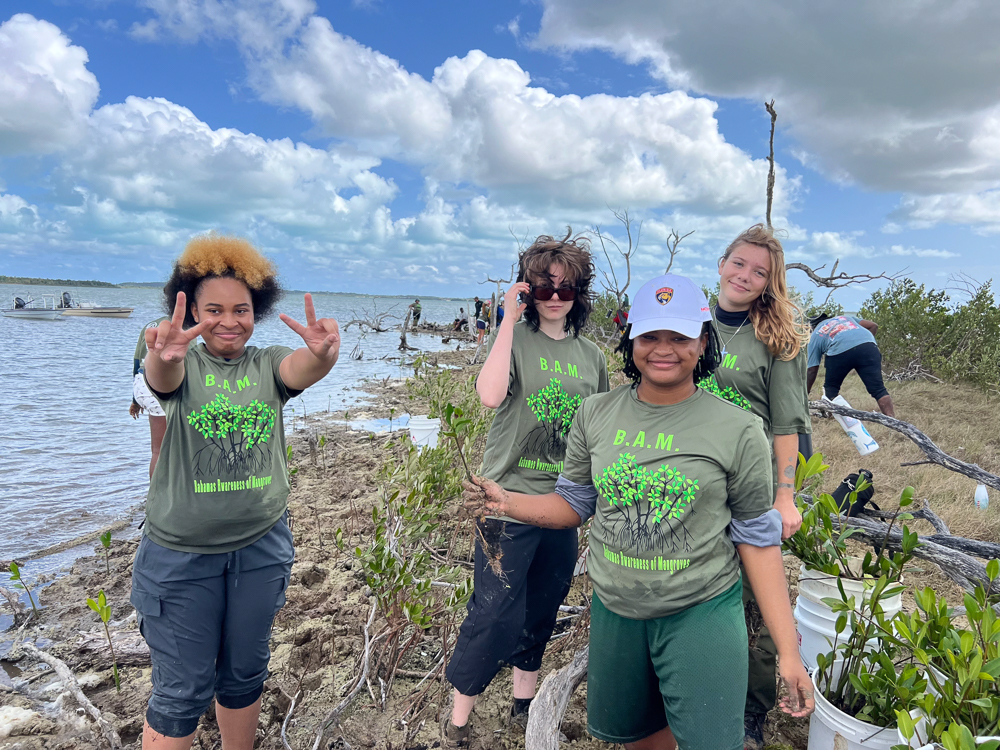
In The Bahamas, B.A.M. reached a major milestone: ten years of partnership and environmental education in Abaco. Since 2015, in collaboration with Friends of the Environment, we have worked alongside Patrick J. Bethel High School and Forest Heights Academy to bring hands-on mangrove science into classrooms and into the field. This year, we were proud to expand the program to S.C. Bootle High School, increasing access for students who live farther from Marsh Harbour. Ten years represents more than longevity — it reflects trust, consistency, and a shared commitment to helping students understand and protect the ecosystems that safeguard their island communities.
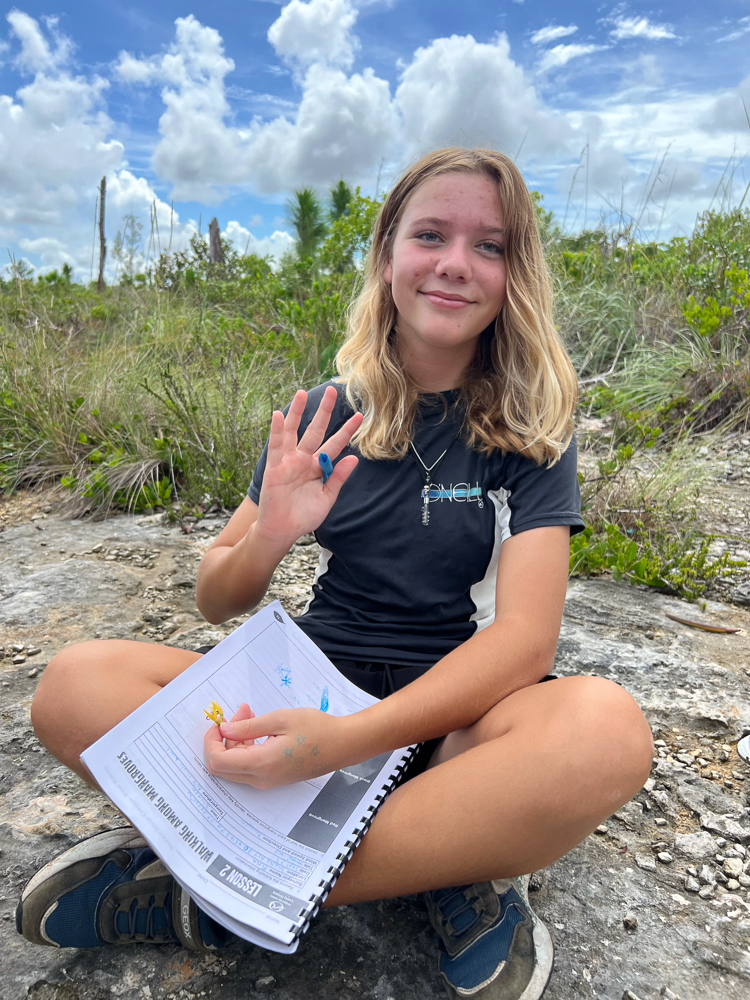
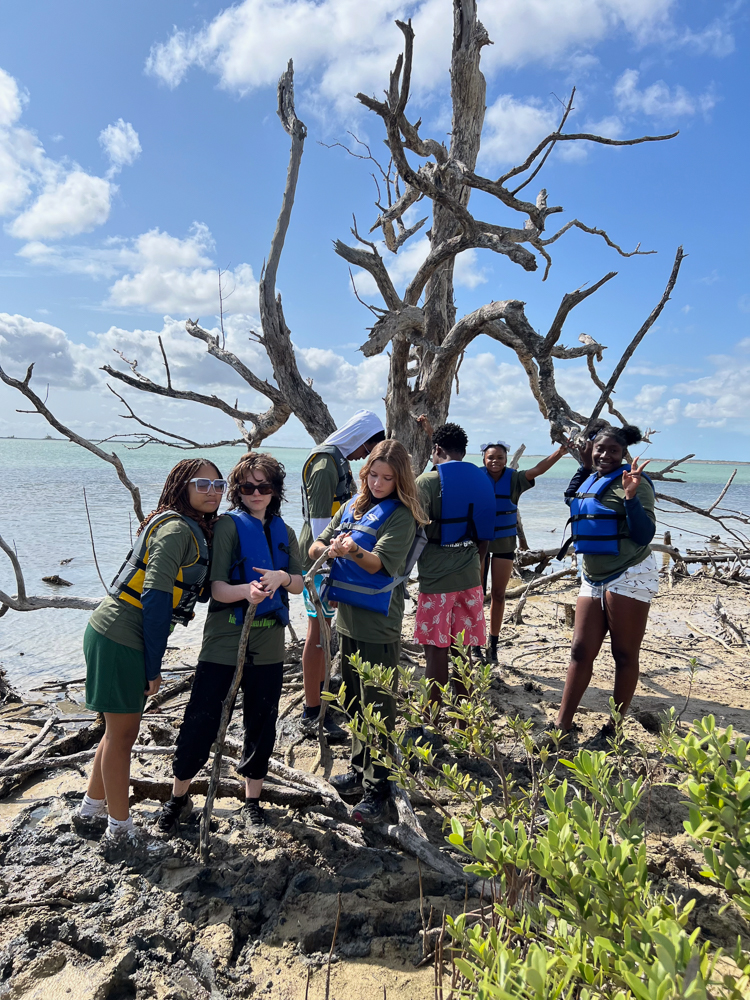
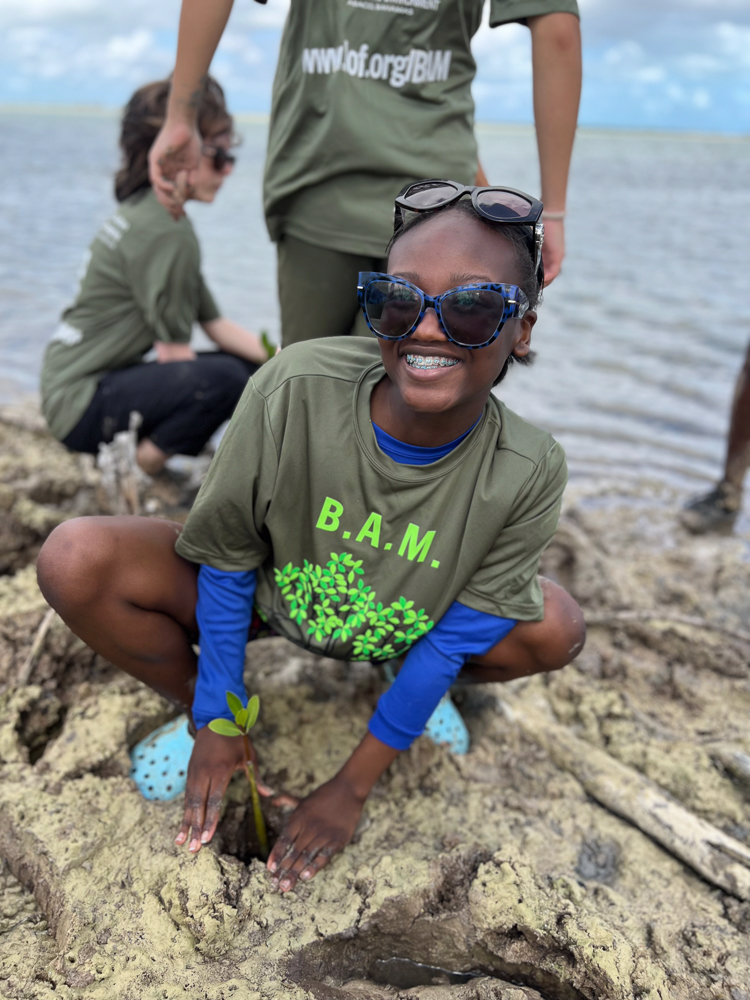
In Jamaica, J.A.M.I.N. continues to build on its own strong foundation. Last year, we celebrated a decade of J.A.M.I.N., marking ten years of mangrove education and stewardship in Jamaican classrooms, a milestone that reflected the dedication of our partners and the hundreds of students who have stepped into the field through the program. This year carried that momentum forward.
It also brought unexpected hardship. Shortly after we completed J.A.M.I.N. programming, Hurricane Melissa — a powerful Category 5 storm and one of the strongest hurricanes on record in the Atlantic — struck the island. Our partners at the University of the West Indies Discovery Bay Marine Lab and William Knibb Memorial High School were deeply affected, and programming in that region has been paused while recovery continues. In Portland, where schools were spared the worst of the storm, J.A.M.I.N. continues. Moments like these underscore the urgency of this work. Students do not just learn that mangroves reduce storm surge and store blue carbon; they see how coastal resilience shapes the future of their own communities.
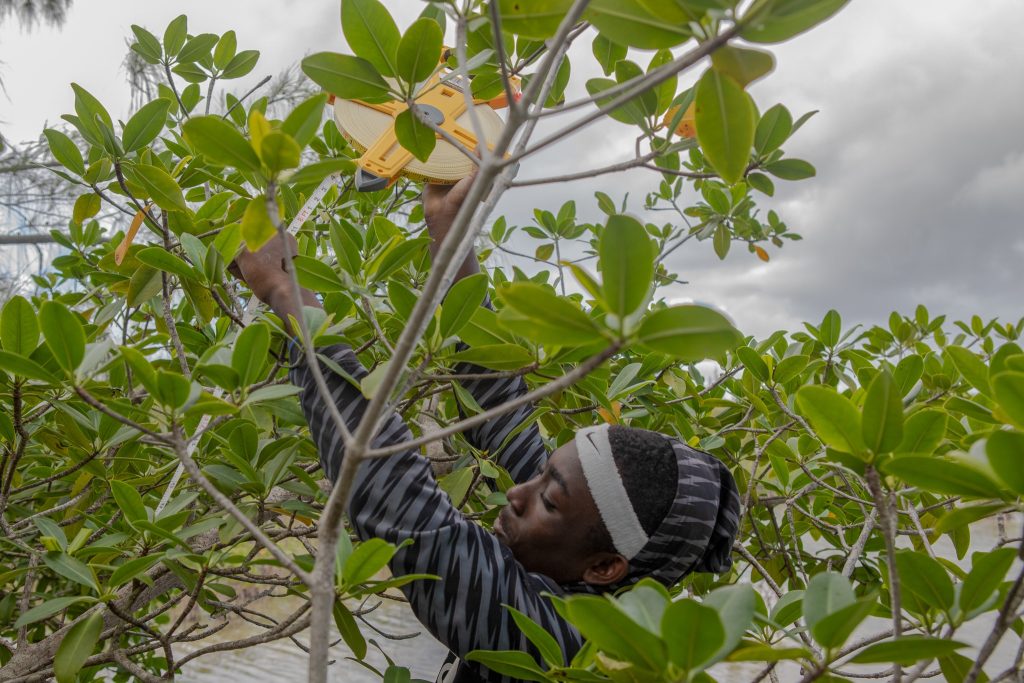
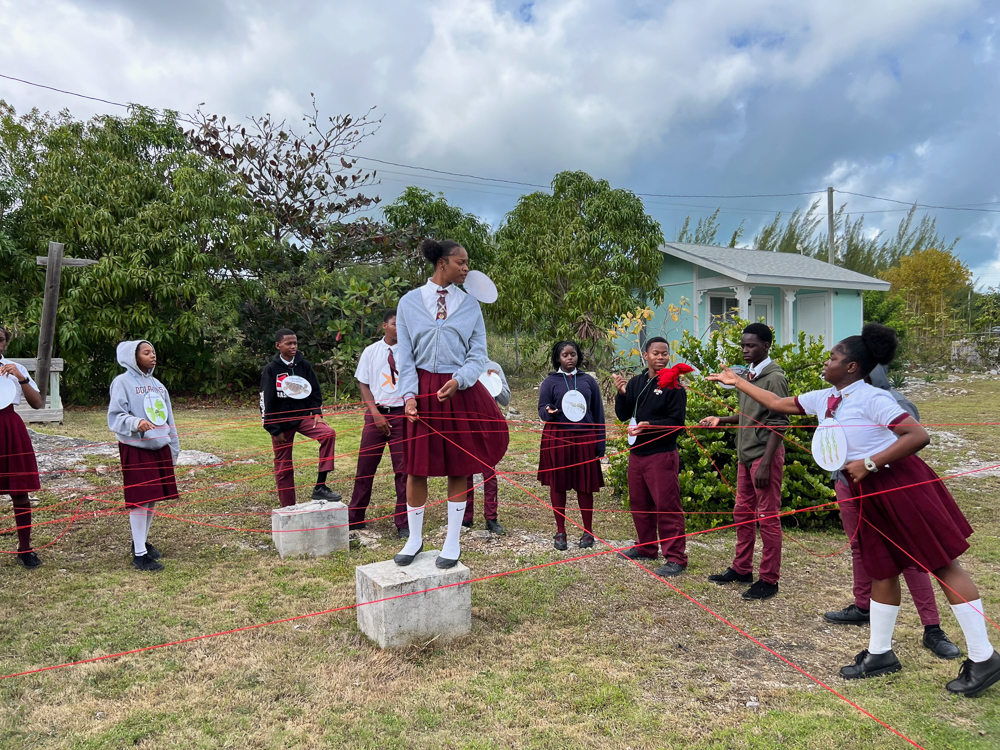
Amid both celebration and challenge, we also strengthened our curriculum. This year, we introduced more interactive components designed to bring mangrove science to life. New diagrams help students visualize root systems and zonation more clearly, while expanded food chain and food web activities deepen their understanding of how energy flows through these ecosystems. Our goal has always been to move beyond memorization and toward meaningful connection, helping students see how science relates to their everyday lives.
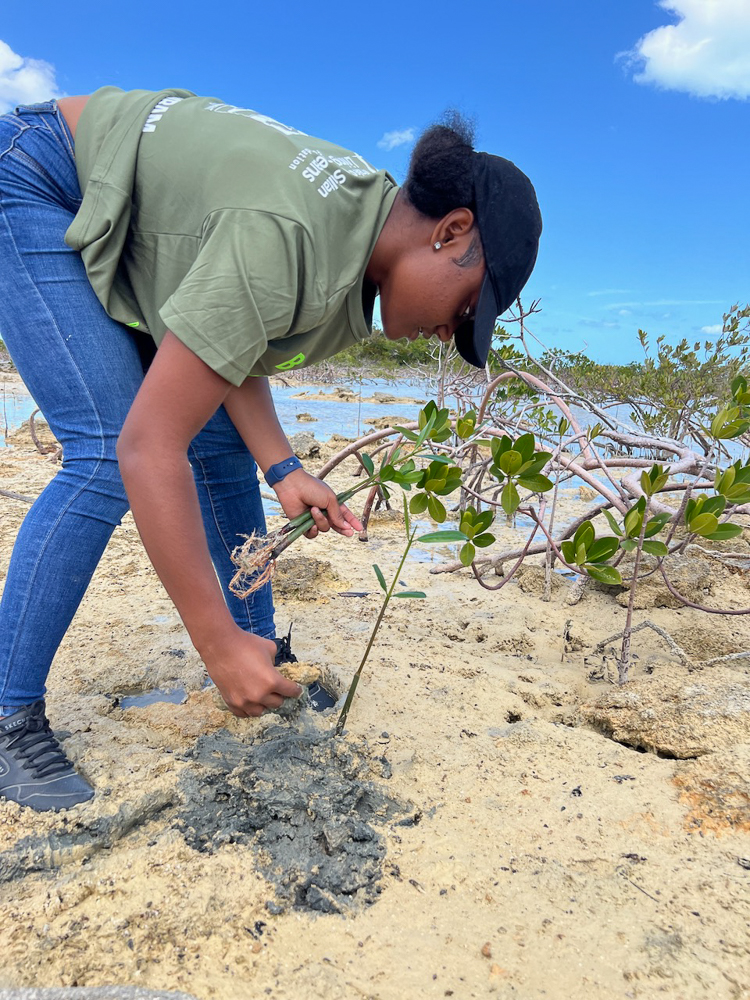
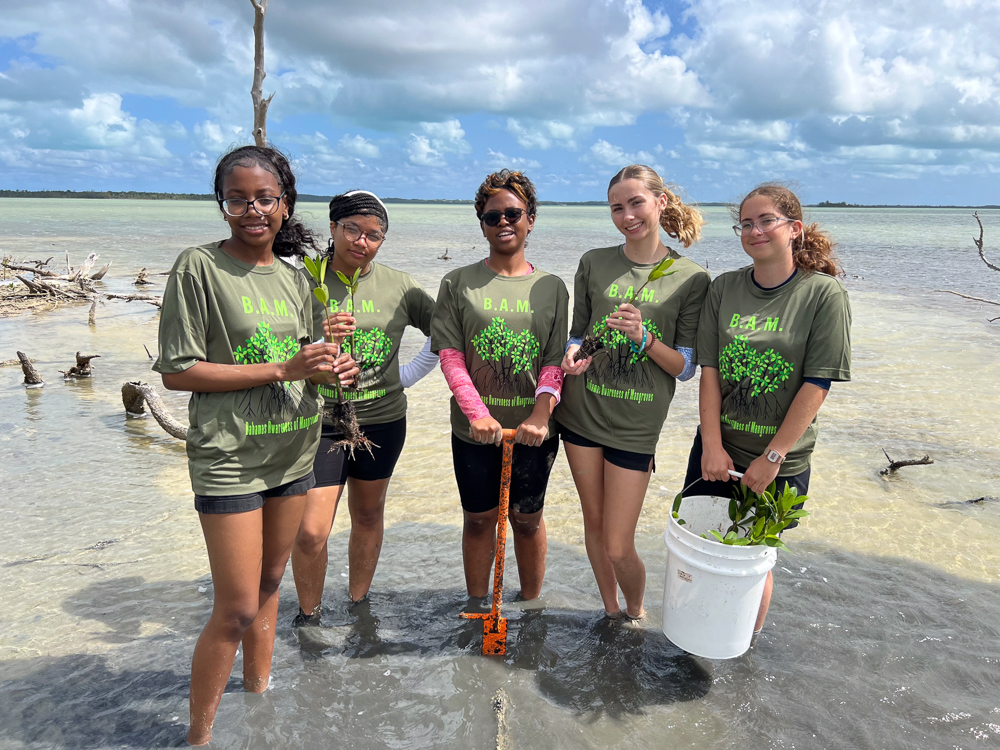
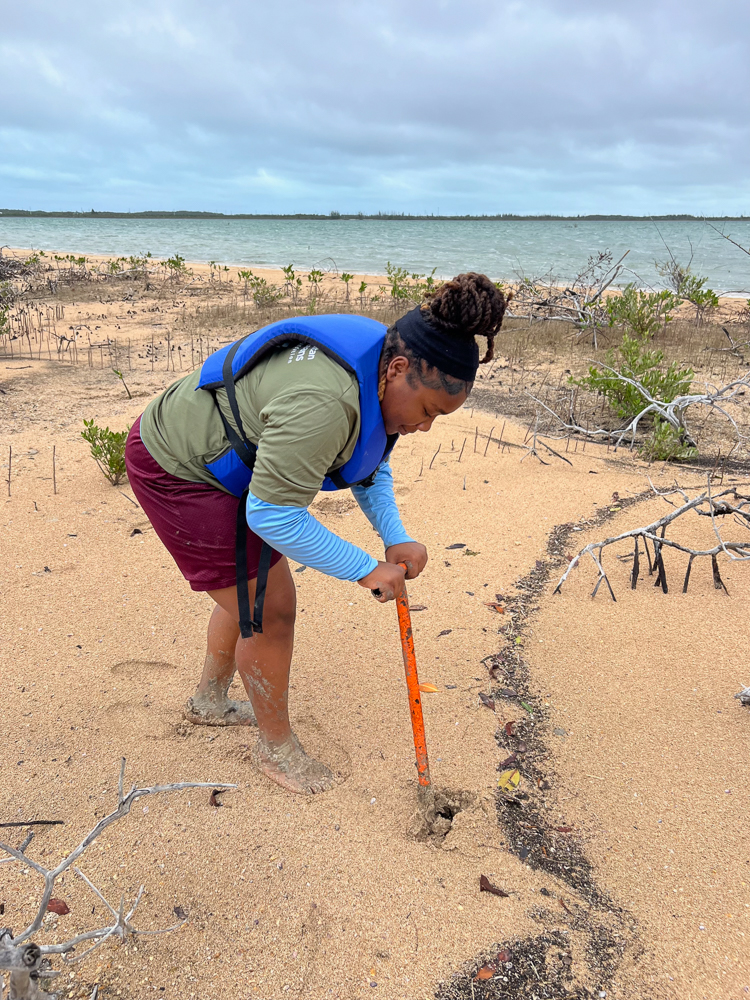
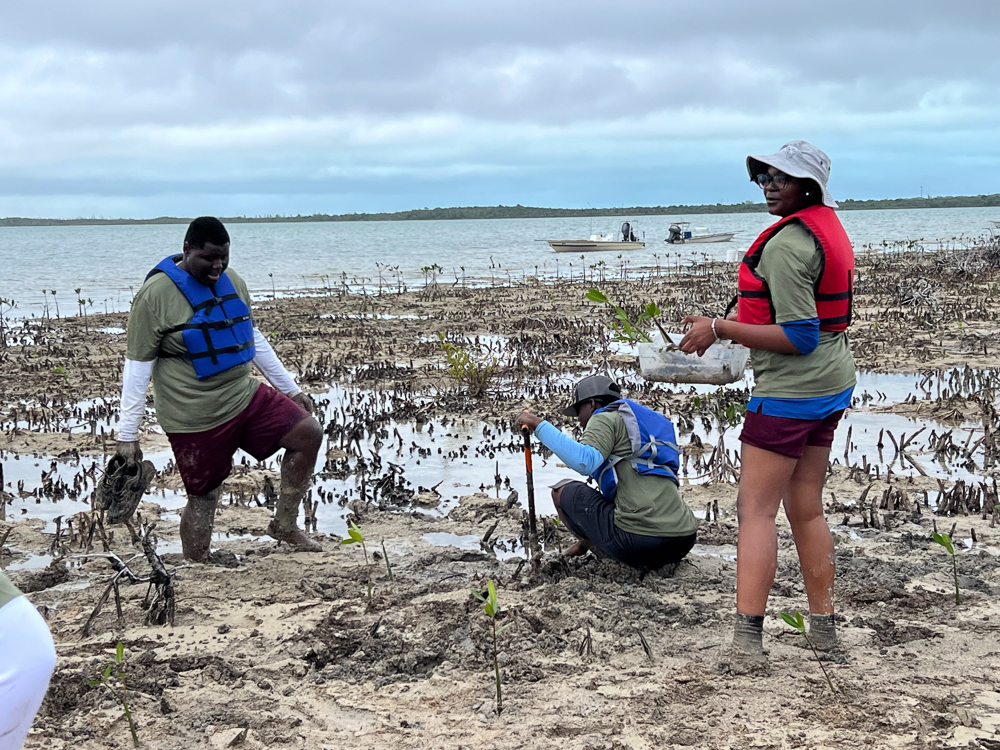
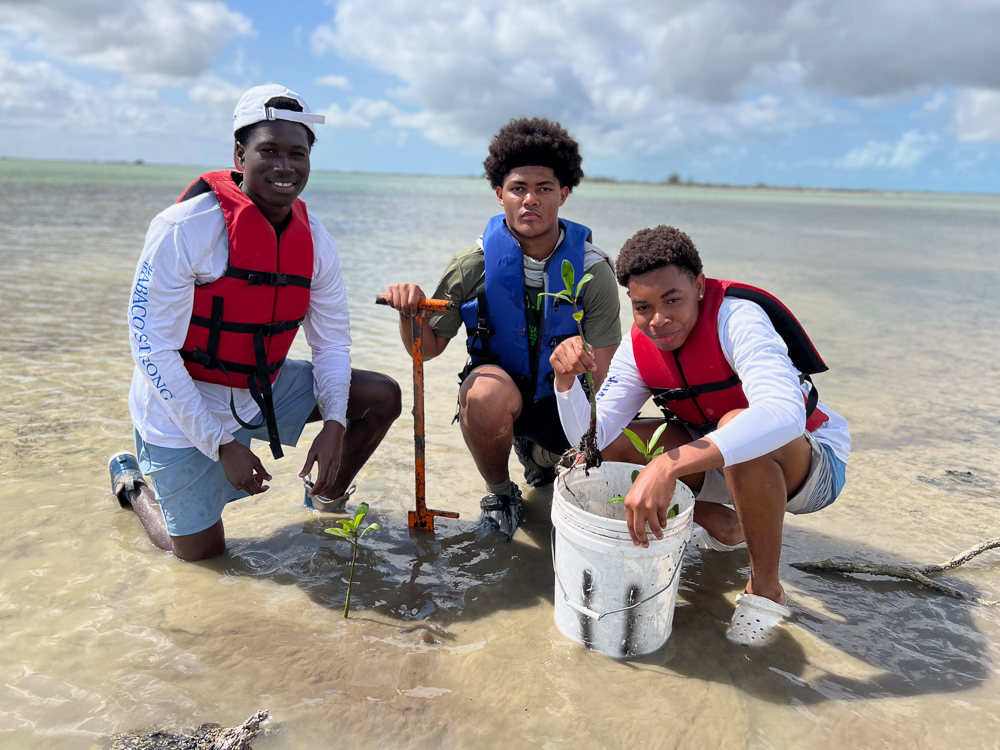
Perhaps one of the most rewarding moments this year was watching former J.A.M.I.N. students return as interns with our implementing partners. Not long ago, they were planting mangrove propagules and learning about ecosystem services. Today, they are contributing to conservation efforts and serving as examples for the next generation of students. It is a powerful reminder that the seeds planted through experiential education often grow in ways we cannot immediately see.
Throughout this blog series, we will share more from this remarkable year, including student reflections from both programs, stories of resilience and recovery, and a celebration of B.A.M.’s ten-year milestone. Their voices, experiences, and journeys tell the story best.
This year tested us. It strengthened us. And it reaffirmed that when students step into the mangroves, they are stepping into something much bigger — a deeper understanding of science, stewardship, and their role in protecting the places they call home.
Celebrating 10 Years of B.A.M.