Happy Earth Day! Today, we celebrate the beauty and wonder of our planet, and renew our commitment to protecting it for future generations. At the Khaled bin Sultan Living Oceans Foundation, we are dedicated to preserving the health of our oceans, with a particular focus on coral reefs. These vital ecosystems are home to a diverse array of marine life and provide numerous benefits to humans as well. However, they are under threat from a variety of human activities, and if nothing is done to save them, coral reefs as we know them today could be gone by the end of the century. On this Earth Day, we want to share what we are doing to protect coral reefs and let you know what you can do to help.
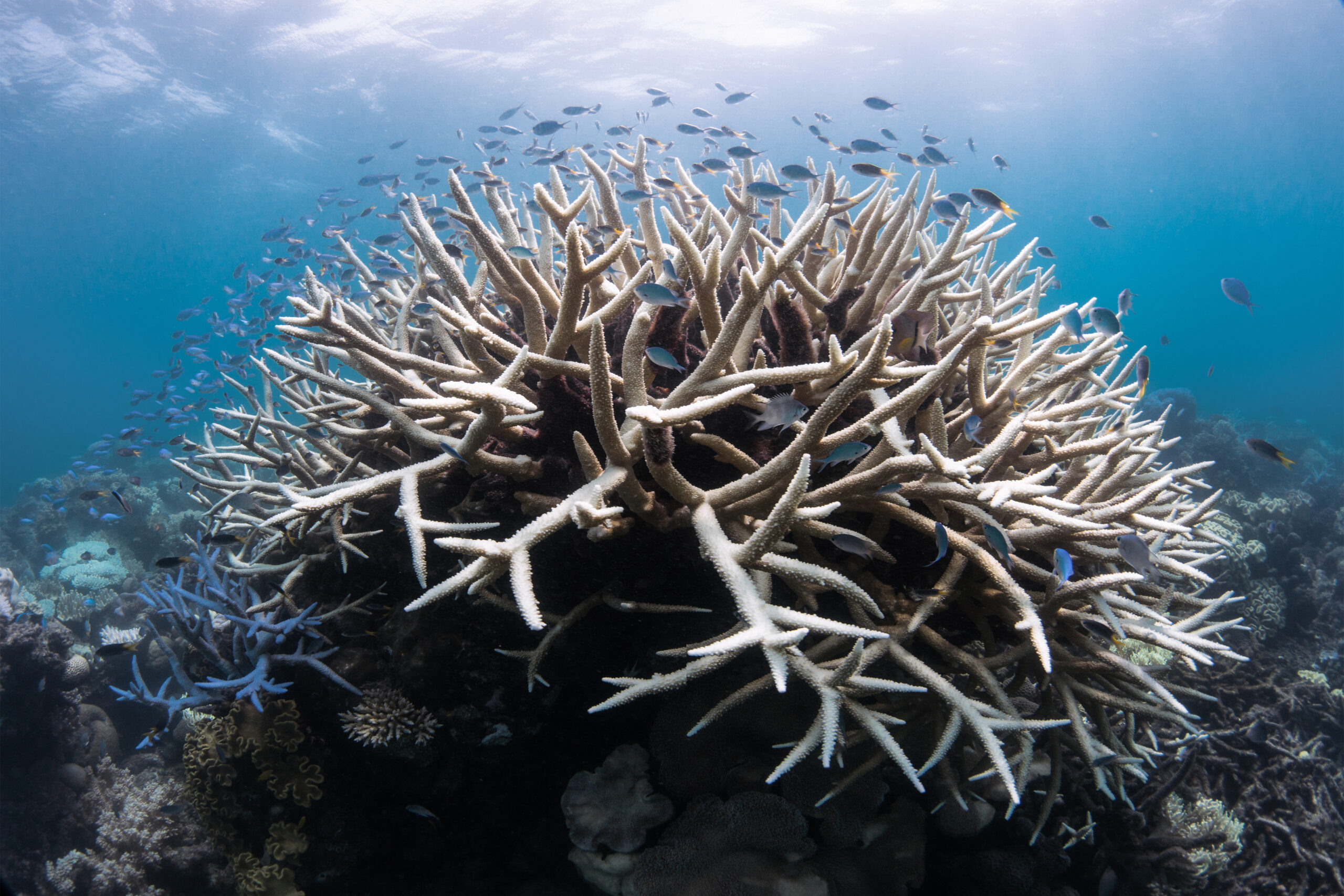
Coral reefs are often called the “rainforests of the sea” because of their incredible biodiversity. They are home to countless species of fish, invertebrates, and other organisms, many of which are not found anywhere else on earth. Coral reefs also provide important economic benefits to people, including fisheries, tourism, and coastal protection. However, coral reefs are in serious trouble. Rising ocean temperatures are causing mass bleaching events, in which corals lose the symbiotic algae that provide them with energy and color. Overfishing, pollution, and coastal development are also taking their toll. Without immediate action, we risk losing these magnificent ecosystems forever.
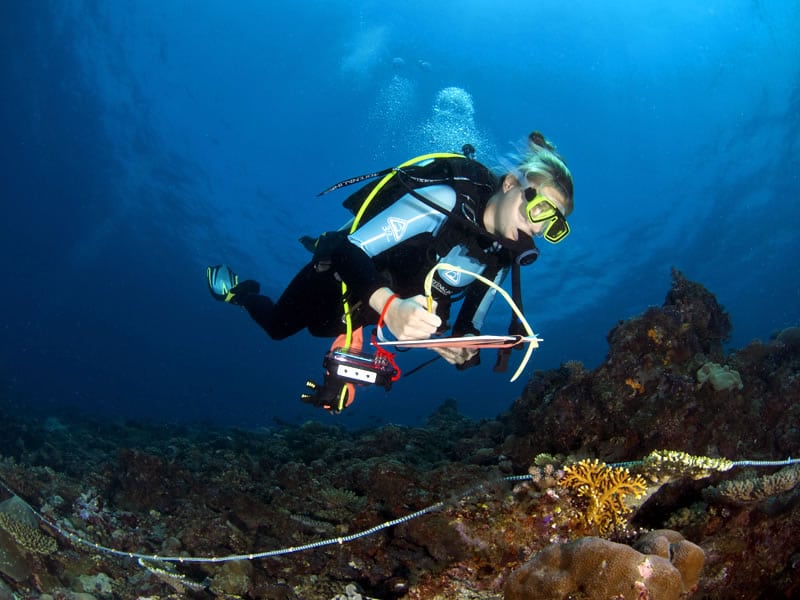
At the Khaled bin Sultan Living Oceans Foundation, we are working to protect coral reefs through scientific research, outreach, and education. Our Global Reef Expedition is the largest coral reef survey and mapping expedition ever undertaken. We have visited more than 20 countries, surveying and mapping over 1,000 coral reefs. Our data is helping scientists understand how coral reefs are responding to environmental changes and informing conservation strategies. We also work directly with local communities to raise awareness of the importance of coral reefs and to promote sustainable management practices.
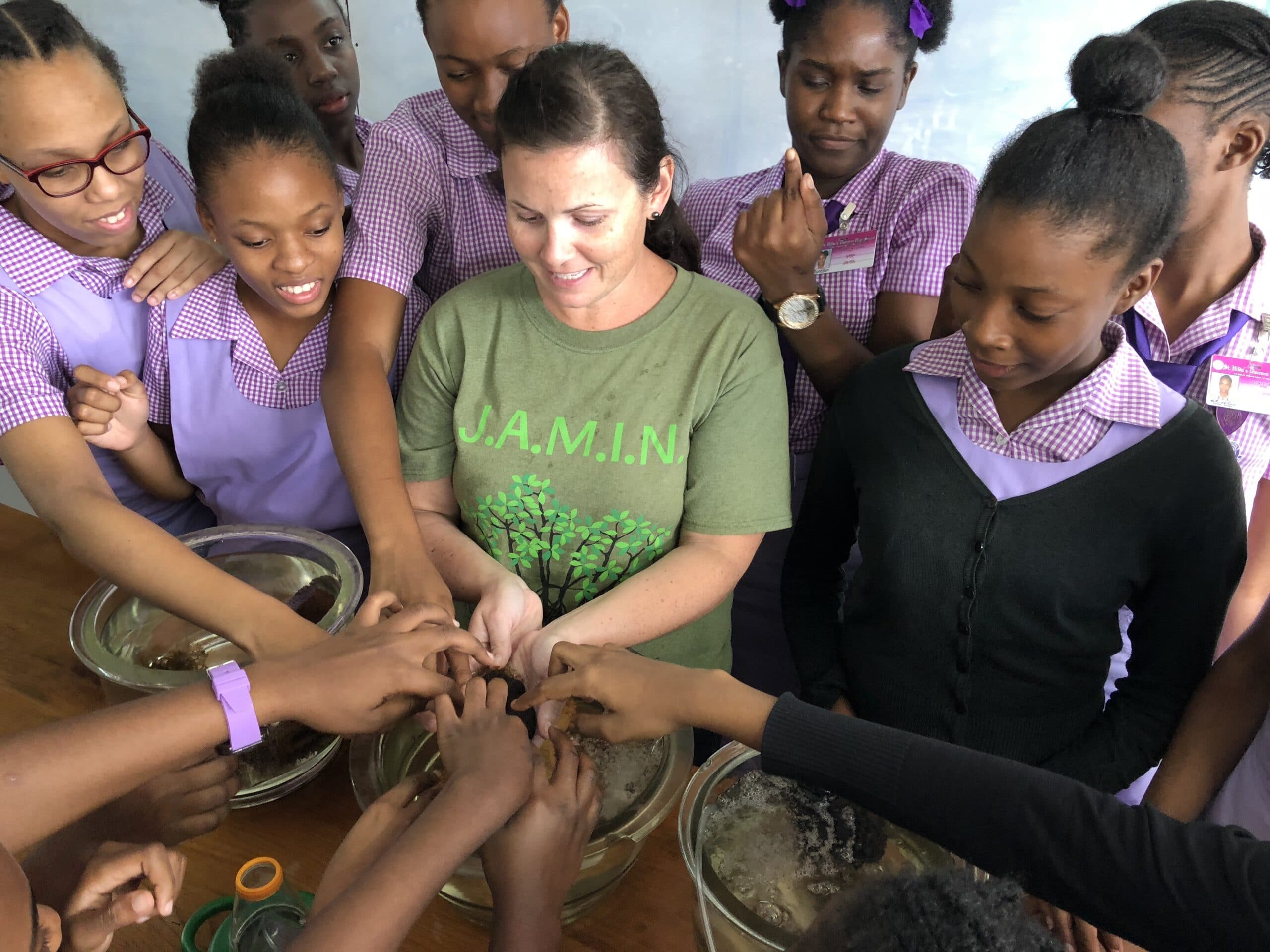
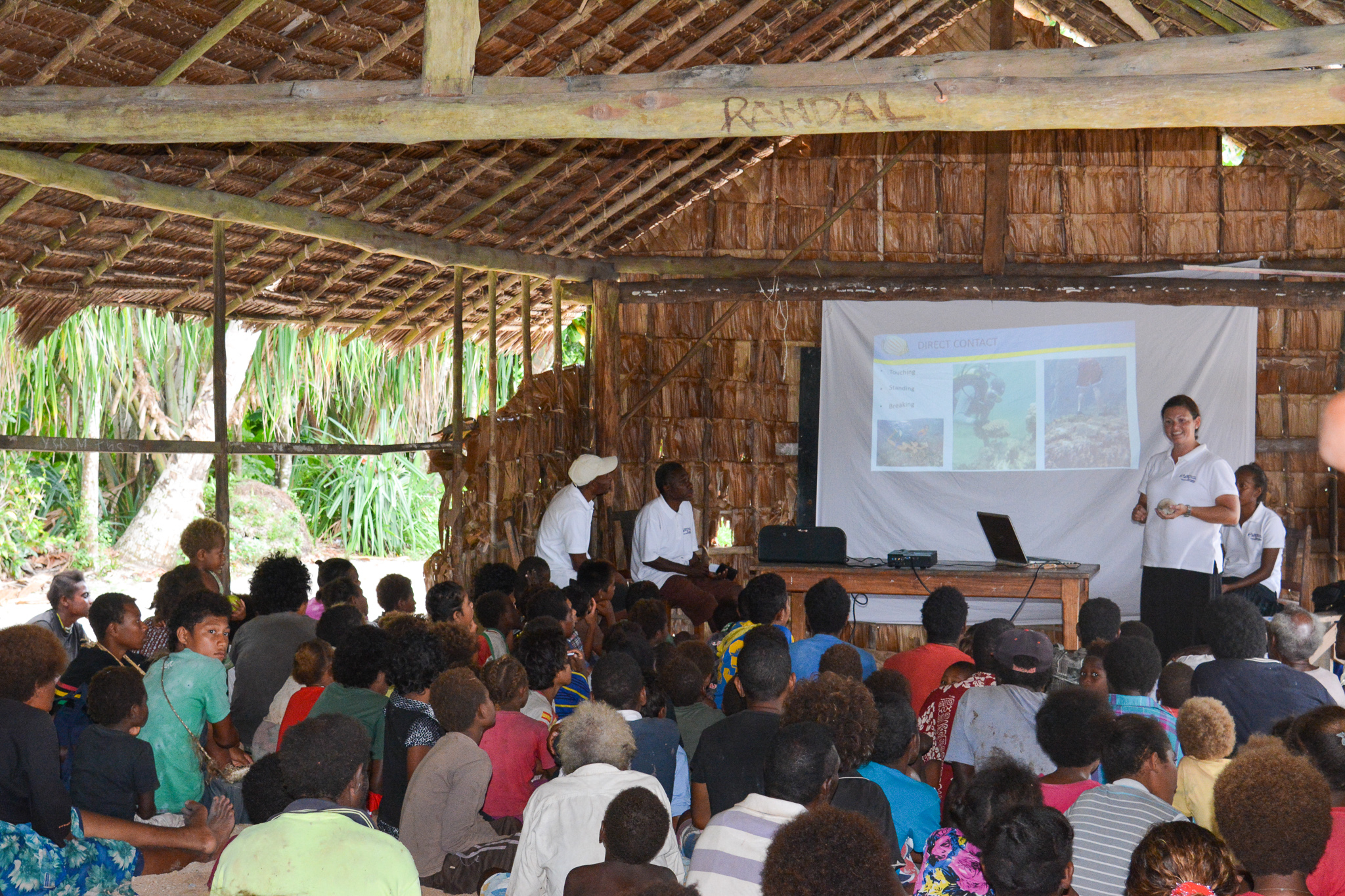
The Khaled bin Sultan Living Oceans Foundation provides people with science-based solutions to protect and restore ocean heath. We conduct cutting-edge coral reef research, educate the next generation of ocean leaders, and inspire conservation action.
On this Earth Day, we urge everyone to take action to protect coral reefs. Here are a few things you can do to make a difference:
- Reduce your carbon footprint by driving less, using public transportation, eating less meat, and conserving energy at home. Climate change is one of the biggest threats to coral reefs, so reducing your carbon footprint can help to protect them.
- Know where your seafood is coming from and make sure it is from a sustainable source. A good rule of thumb is to not eat anything bigger or older than your grandmother, but you can also use helpful guides, such as Seafood Watch, to help inform your seafood choices. Healthy fish populations are very important to coral reef health.
- Reduce your use of single-use plastics, fertilizers, and other chemicals that find their way to the sea. They are a major source of pollution in the oceans and can harm coral reefs and the animals that depend upon them. Consider volunteering for a coastal cleanup or water quality monitoring event near you.
- Support organizations working to protect coral reefs, such as the Khaled bin Sultan Living Oceans Foundation. Your support can help us to continue our vital work to understand and protect these amazing ecosystems.
- Learn more about the importance of coral reefs and spread the word to your friends and family. The more people understand the value of coral reefs, the more likely we are to take action to protect them. Our Education Portal is a great way to learn about coral reefs, and is an excellent resource for students and teachers.
Together, we can make a difference and ensure a healthy future for our oceans and the planet. Happy Earth Day!