
search-icon
Using Tourist Diver Images to Estimate Coral Cover and Bleaching Prevalence in a Remote Indian Ocean Coral Reef System

Abstract

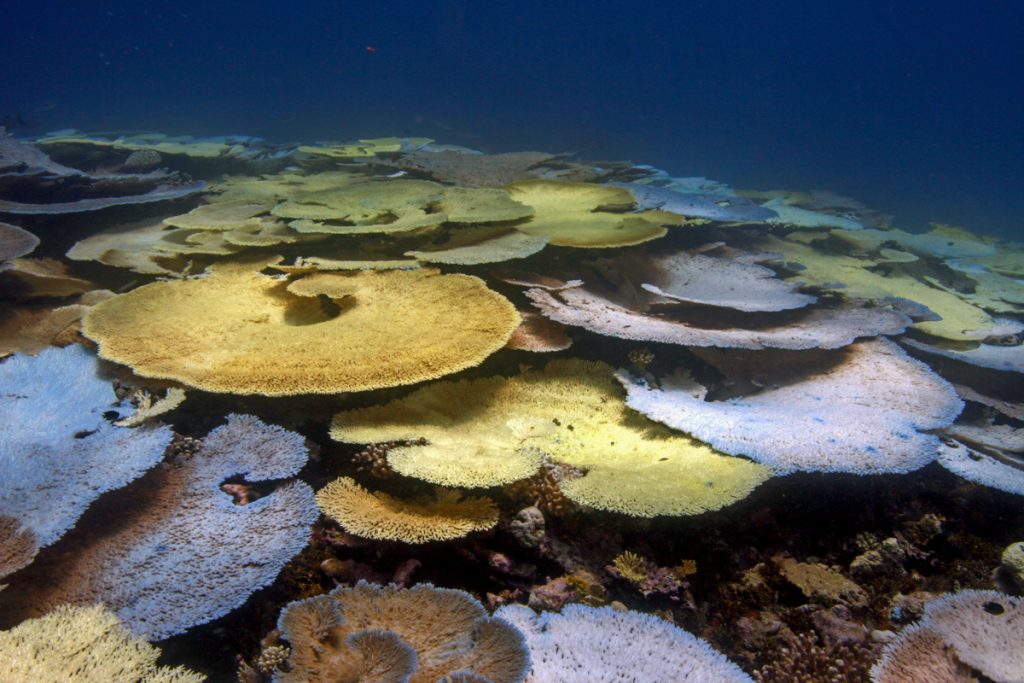
Citizen science approaches for monitoring, and even restoring, coral reefs have grown in popularity though tend to be restricted to those who have taken courses that expose them to the relevant methodologies. Now that cheap (~10 USD), waterproof pouches for smart phones are widely available, there is the potential for mass acquisition of coral reef images by non-scientists. Furthermore, with the emergence of better machine-learning-based image classification approaches, high-quality data can be extracted from low-resolution images (provided that key benthic organisms, namely corals, other invertebrates, & algae, can be distinguished). To determine whether informally captured images could yield comparable ecological data to point-intercept + photo-quadrat surveys conducted by highly proficient research divers, we trained an artificial intelligence (AI), CoralNet, with images taken before and during a bleaching event in 2015 in Chagos (Indian Ocean). The overall percent coral covers of the formal, “gold standard” method and the informal, “tourist diver” approach of 38.7 and 35.1%, respectively, were within ~10% of one another; coral bleaching percentages of 30.5 and 31.8%, respectively, were statistically comparable. Although the AI was prone to classifying bleached corals as healthy in ~one-third of cases, the fact that these data could be collected by someone with no knowledge of coral reef ecology might justify this approach in areas where divers or snorkelers have access to waterproof cameras and are keen to document coral reef condition.
Related Posts

From Students to Stewards: A Full-Circle Moment for J.A.M.I.N.

There are certain faces you never forget.

Over the years, hundreds of students have stepped into mangrove forests with us through the Jamaica Awareness of Mangroves in Nature (J.A.M.I.N.) program. I may not always remember every name, but I remember the expressions — the hesitation before stepping into thick mud, the laughter when someone loses a shoe, the look of surprise when they catch that unmistakable sulfur smell rising from the mangrove soil…

Read More

World Oceans Day: Protecting the Ecosystems That Protect Us

This World Oceans Day, the global community is being challenged to think differently about the ocean.

The 2026 World Oceans Day theme, “Reimagine: Beyond the World We Know, A New Relationship With Our Ocean,” invites us to recognize that the ocean is not something distant or separate from our lives. It regulates our climate, supports our economies, provides food for billions of people, and sustains the natural systems that make life on Earth possible.

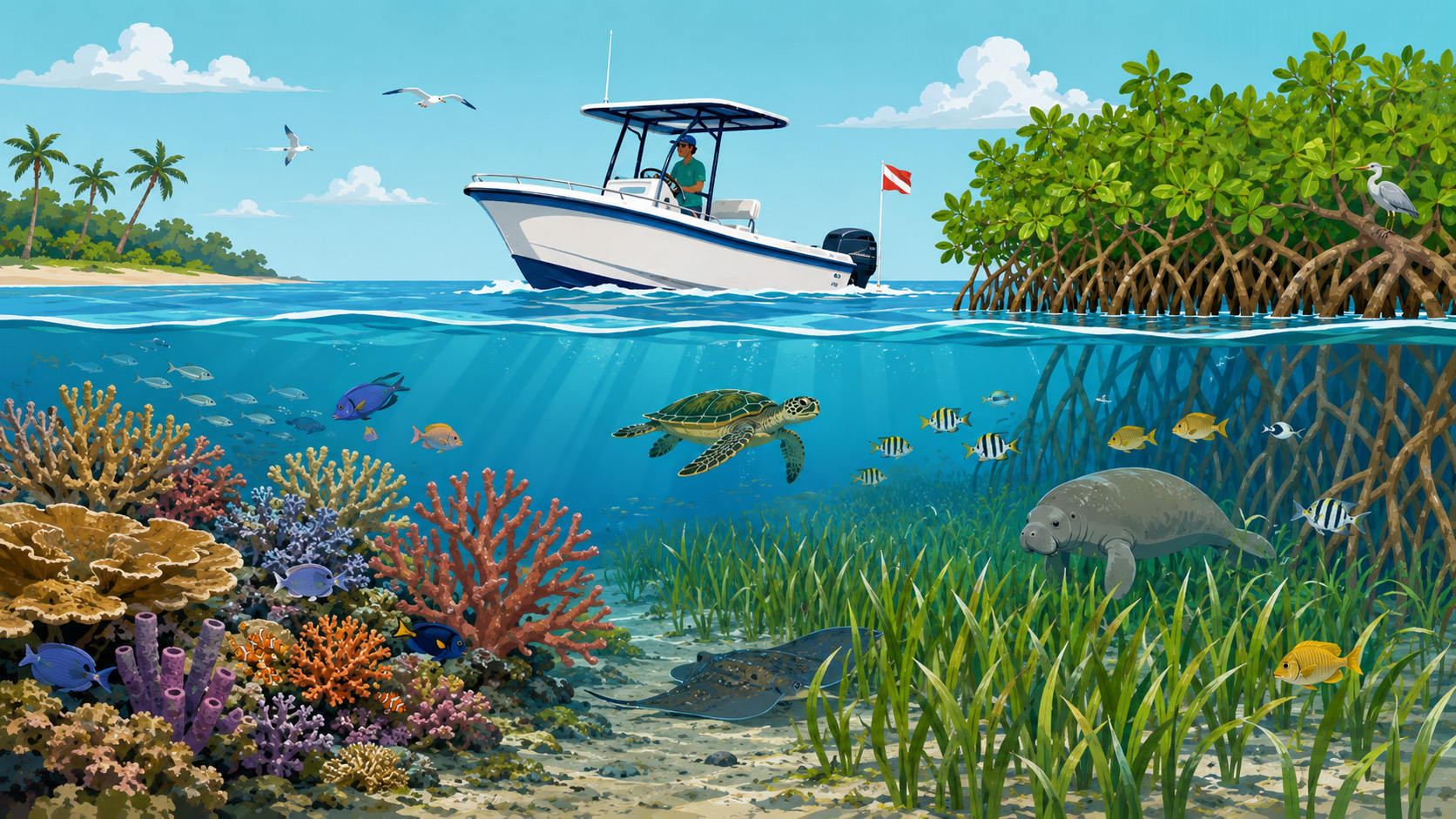
Few places illustrate this connection more clearly than the coastal ecosystems that protect our shores and support marine life. While coral reefs, mangrove forests, and seagrass meadows are often…

Read More
Privacy Overview

This website uses cookies so that we can provide you with the best user experience possible. Cookie information is stored in your browser and performs functions such as recognising you when you return to our website and helping our team to understand which sections of the website you find most interesting and useful.  You can view our complete Privacy Policy here.

Strictly Necessary Cookies

Most of our cookies are used to improve website security and reduce spam. These cookies should be enabled at all times. They also enable us to save your preferences for cookie settings.

3rd Party Cookies

This website uses Google Analytics to collect anonymous information such as the number of visitors to the site, and the most popular pages. Keeping this cookie enabled helps us to improve our website.