
Fish Spotting (Scientifically)
The swells had the final word today: we made only one dive, in the morning, off a rollicking Calcutta. The boat spent a few hours after lunch looking for a site that was protected from the swells and also had


The swells had the final word today: we made only one dive, in the morning, off a rollicking Calcutta. The boat spent a few hours after lunch looking for a site that was protected from the swells and also had
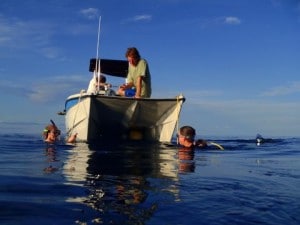
Whitecaps are never good news when you’re diving. Sure enough, the swell and breeze both grew overnight, though luckily not too big to take the Calcutta out. After a late start for some repairs, the dive boat brought the group
After a night boarding at Errol Flynn Marina at Port Antonio, Jamaica and a rolling crossing that left more than a few green faces and empty chairs at dinner, the Golden Shadow motored overnight to Pedro Bank, about 100 miles
Conducting a research expedition in the Bahamas during hurricane season (June 1 – November 30) can be a risky venture. One never knows where or when a tropical storm (which is a low pressure system) will develop. Depending on the
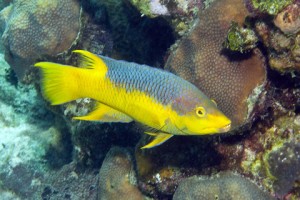
Due to repetition, most of the time each of our reef fish surveys is similar to the previous survey. This is not unusual. One of the purposes of doing such studies is to find the “typical” species composition, sizes, and
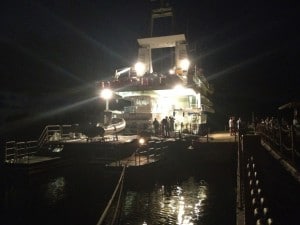
The third and final leg of the Bahamas’ expedition left the dock at Nassau around 8 pm last night. The research team was all assembled on the Golden Shadow by 5:30 pm and had a safety muster on the aft
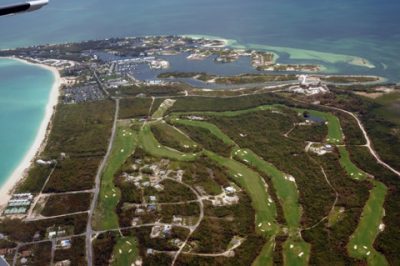
In preparation for the next leg of the Global Reef Expedition, Dr. Sam Purkis, Jeremy Kerr, Captain Steve Breen and Dr. Andy Bruckner flew over Andros and Abaco Islands, Bahamas on the Golden Eye seaplane. Their goal was to identify
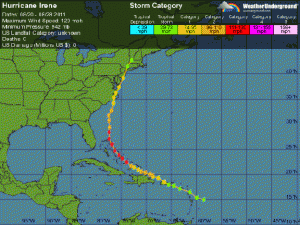
Prior to beginning our research at Little Inagua, we knew there was some “weather” occurring in the eastern Caribbean that we had to keep our eyes on. At first, we thought we could leave one day early, transit back to
From August 19th-22nd, we experienced nothing but great wall diving around Little Inagua, which is always a diver’s delight. The island of Little Inagua is five miles to the northeast of Great Inagua, and hosts a large Land and Sea Park.
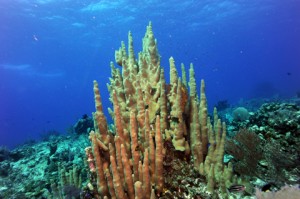
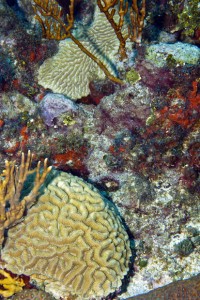
Throughout most of the Caribbean, there are species of coral that are common and easily spotted on a dive, and those that are rare corals and difficult to locate. Experienced divers can usually characterize a reef fairly quickly based on