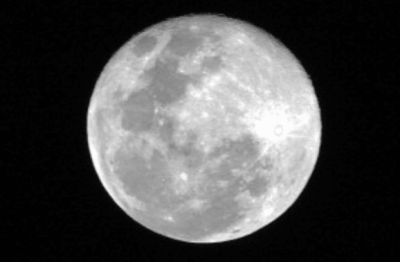
Supermoons and Coral Reefs
As the crew and science team watched from the M/Y Golden Shadow, a bigger, brighter moon filled the night sky rising above the island of Vanuabalavu on June 23, 2013. When the moon is closest to Earth, called perigee, it


As the crew and science team watched from the M/Y Golden Shadow, a bigger, brighter moon filled the night sky rising above the island of Vanuabalavu on June 23, 2013. When the moon is closest to Earth, called perigee, it
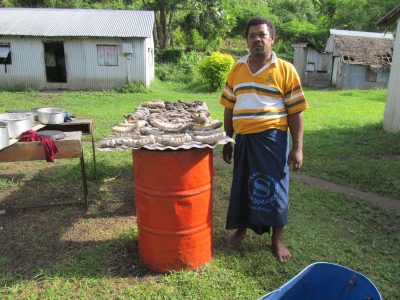
The overfishing of sea cucumbers is detailed in our Fiji report. Here are some observations on sea cucumber fishing that we made during our research in Fiji in 2013. June 2013 Throughout the Lau Province it’s typical to find sea
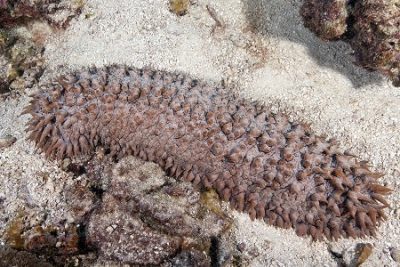
Our new Fiji report features detailed information about numbers of Sea cucumbers in Fiji. We also talk about what that means for the health of the reefs. Here’s a look back at our notes on Sea cucumbers during our field

Scientists from the Khaled bin Sultan Living Oceans Foundation (KSLOF) surveyed coral reefs in Fiji in 2013. As part of the Foundation’s ambitious Global Reef Expedition the scientists gathered the most detailed data on these reefs ever collected. Now, with the
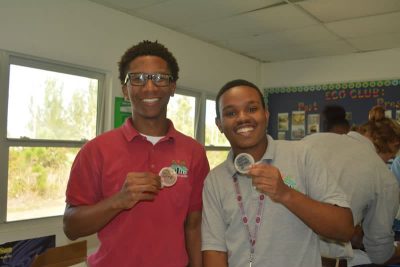
It’s been three weeks since we last met with the second year B.A.M. students at Forest Heights Academy. During our last session, the students plated their potentially diseased red mangrove leaves in agar. Since Ryann Rossi and I returned to the

An Ocean Mystery: The Missing Catch will premiere on Earth Day, April 22! Come watch the film with us at the Smithsonian National Museum of Natural History at 6pm or watch it at 8pm or 11pm ET/PT on the Smithsonian Channel. An Ocean Mystery: The Missing

Our new film, An Ocean Mystery: The Missing Catch, follows the work of the world’s premier fisheries scientist, Dr. Daniel Pauly, as he investigates how close we are to a global crash in fish populations. This film reveals a frightening truth

Comparing a bleached anemone to the undead may be a bit of a stretch, but it is fair to say a bleached anemone is hovering somewhere between life and death and depending on what happens next, it can go either way. We
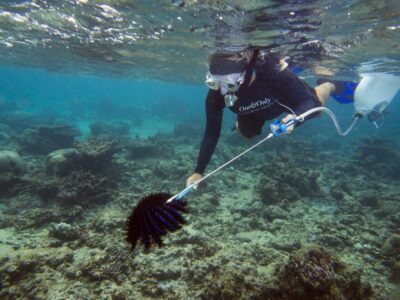
Best Management Practices Crown-of-thorns starfish (COTS) are naturally occurring organisms on the reefs of the Indo-Pacific Ocean that primarily eat coral. Finding a few COTS living on a coral reef is a normal and healthy part of the coral reef

The Khaled bin Sultan Living Oceans Foundation is proud to support the publication of a game-changing report by UNESCO and IUCN that illustrates how the World Heritage Convention can be used to protect special places on the High Seas. The