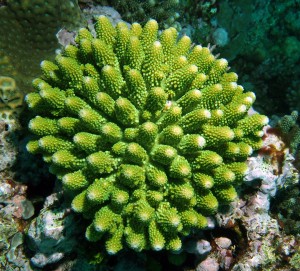
Colorful Corals
In addition to a much larger variety of corals, reefs of Lau seem to have an unusually large number of fluorescent, brightly colored corals, more than we’ve seen in past expeditions. Corals are usually light or golden brown, but some


In addition to a much larger variety of corals, reefs of Lau seem to have an unusually large number of fluorescent, brightly colored corals, more than we’ve seen in past expeditions. Corals are usually light or golden brown, but some
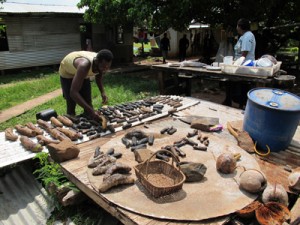
They have cylindrical bodies, leathery skin, and generally are peculiar looking creatures. You may or may not have noticed these slow moving animals on the bottom of the sea floor. They are sea cucumbers, and they are considered a delicacy
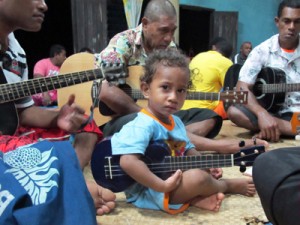
As the sun began to set on the second day of our Fiji research mission, many different colors and patterns of sulus, traditional Fijian sarongs, emerged from the M/Y Golden Shadow. The crew and scientific team were invited by Roko
After the usual teething problems setting up electronic equipment at the start of a research mission, we (Gwilym and Jeremy (scientists) and Ade (boat driver)) finally made it away from the M/Y Golden Shadow to begin the Fiji ground truthing
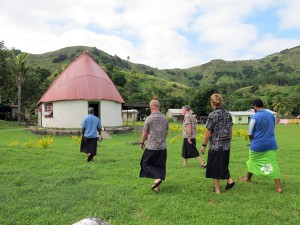
Decades ago on the Fijian island named Totoya, Roko Sau Kubunanavanua and his wife had a stillborn baby. The baby was buried at sea and henceforth the channel leading to the island was labeled as “sacred passage” or Daveta Tabu.
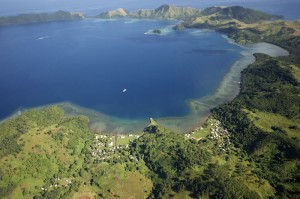
Departing from Nadi yesterday afternoon, we began our 17 hour transit to the remote islands of the Lau Province for our Fiji research mission. Lau Province is one of 14 provinces in Fiji. It is located in the South Pacific
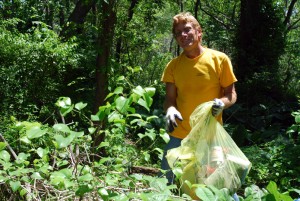
It seems as if every urban cleanup these days involves dragging a shopping cart out of the muck and ours was certainly no different. The Living Oceans Foundation headquarters sits right beside a small wetland a stone’s throw from
Winner of the 2013 Science Without Borders® Challenge In 2013, the Foundation held its first Science Without Borders® Challenge competition. High school students around the world were asked to answer the question, how are we all connected to the oceans? Students were asked to
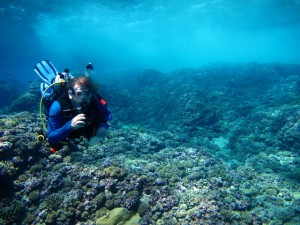
Probably the most significant thing I learned on this trip is that it is possible for coral to be resilient to environmental stresses … that reef revival is possible. It was exciting to see the reaction of researchers who studied
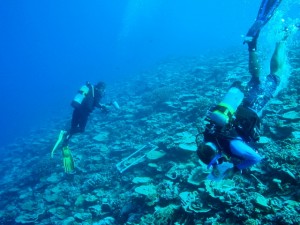
Our CREW member Jim has written a blog about his initial experience with us on this research mission: “It is an incredible opportunity to spend time with scientists who are doing the research that gives us the science that we