search-icon
Mission Fiji Begins

Departing from Nadi yesterday afternoon, we began our 17 hour transit to the remote islands of the Lau Province for our Fiji research mission.  Lau Province is one of 14 provinces in Fiji. It is located in the South Pacific Ocean, due east of the Koro Sea.  The Lau group includes a chain of about 100 islands and islets, about 30 of which are sparsely populated.  While most of the northern group of islands are high and volcanic in origin, those in the south are a mix of extinct oceanic volcanoes, and low-lying carbonate islands.  Together, they have a total land mass of only about 188 square miles.
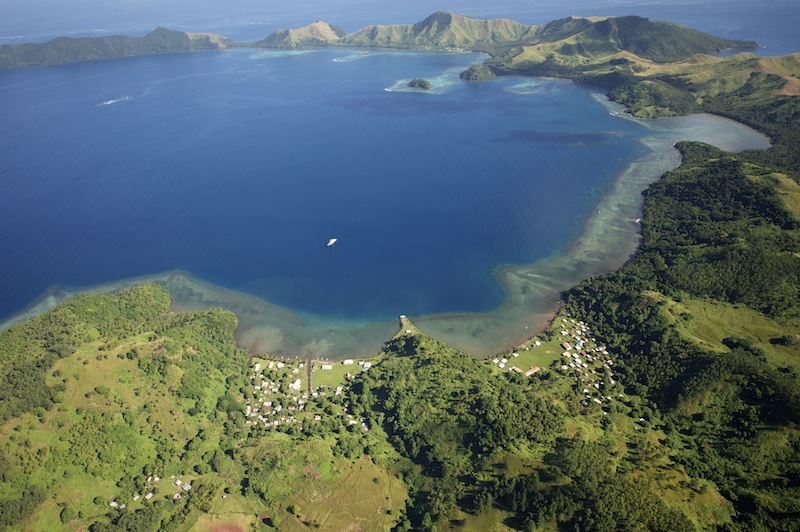
Photo by Keith Ellenbogen

Fiji Research Mission Destinations

During the Fiji research mission we will explore 11 different islands, starting in the south at Totoya.  Totoya is an extinct volcanic island in the Yasayasamoala Group.  The horseshoe-shaped island rises from oceanic depths of over 6500 feet to its summit, 366 m above sea level. Totoya encloses a beautiful deep bay, is surrounded by a fairly wide lagoon and is protected from the open sea by a well developed barrier reef.  Much of the island is densely forested, with rows of coconut palms, fertile hillsides and white sandy beaches.  The island has 4 villages with the chiefly village of Tovu located on the eastern side of Nukulevu Bay.
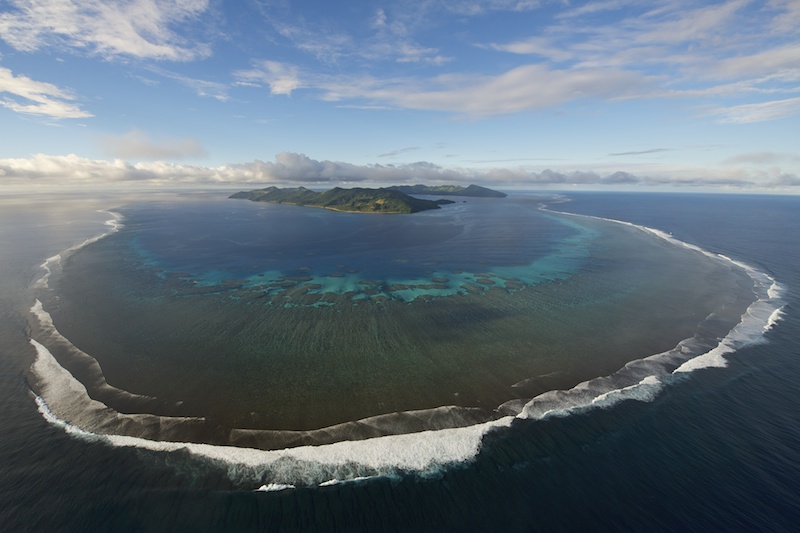
Totoya Island and barrier reef. One of the locations where the Fiji research  mission team will be conducting coral reef research.
Totoya Island and barrier reef. One of the locations where the Fiji research  mission team will be conducting coral reef research. Photo by Keith Ellenbogen

We chose these islands for our coral reef research due to their remoteness, low human impact and keen interests to protect these marine resources. Our Fiji research mission team from the Living Oceans Foundation will work closely with Wildlife Conservation Society, University of the South Pacific, Ministry of Fisheries, the Pacific Blue Foundation, Lau Provincial Council, and members of the Fiji Locally Managed Marine Area (FLMMA) Network to collect information on the health of the reefs, and the fish populations, comparing sites inside and outside protected areas. One of our key team members is Roko Sau, the high chief of the Yasayasamoala Group. He is helping to facilitate the local community traditional protocols and traditional requirements for the Fiji research mission team throughout the islands in the Lau Group where we will conduct our coral reef research.
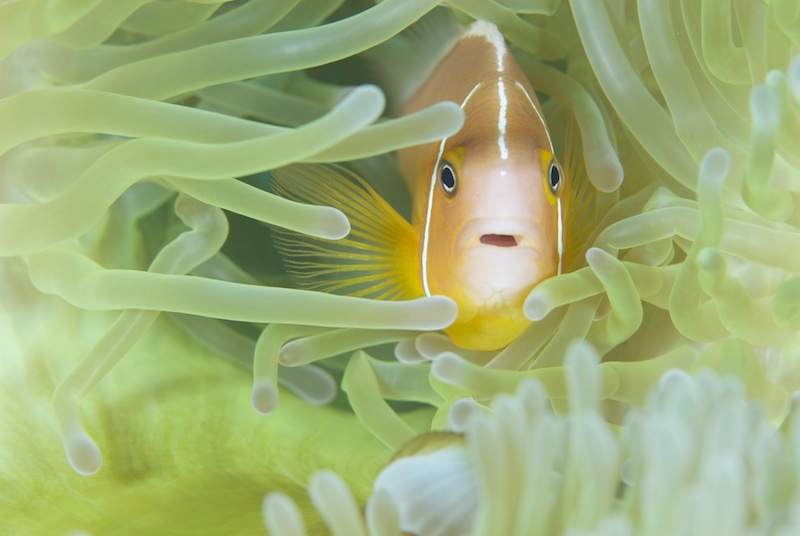
Pink anemonemefish (Amphiprion perderion) in anemone.
Pink anemonemefish (Amphiprion perderion) in anemone.                                                                                                                                              Photo by Keith Ellenbogen                                                                        

Join us over the next 30 days to learn more about the precious marine resources of Totoya and the other 10 locations we will examine during the Fiji research mission.

(Photos/Images by: 1-3 Keith Ellenbogen)

To follow along and see more photos, please visit us on Facebook!
Related Posts

OceanImageBank_TheOceanAgency_Bleaching_16-scaled-1

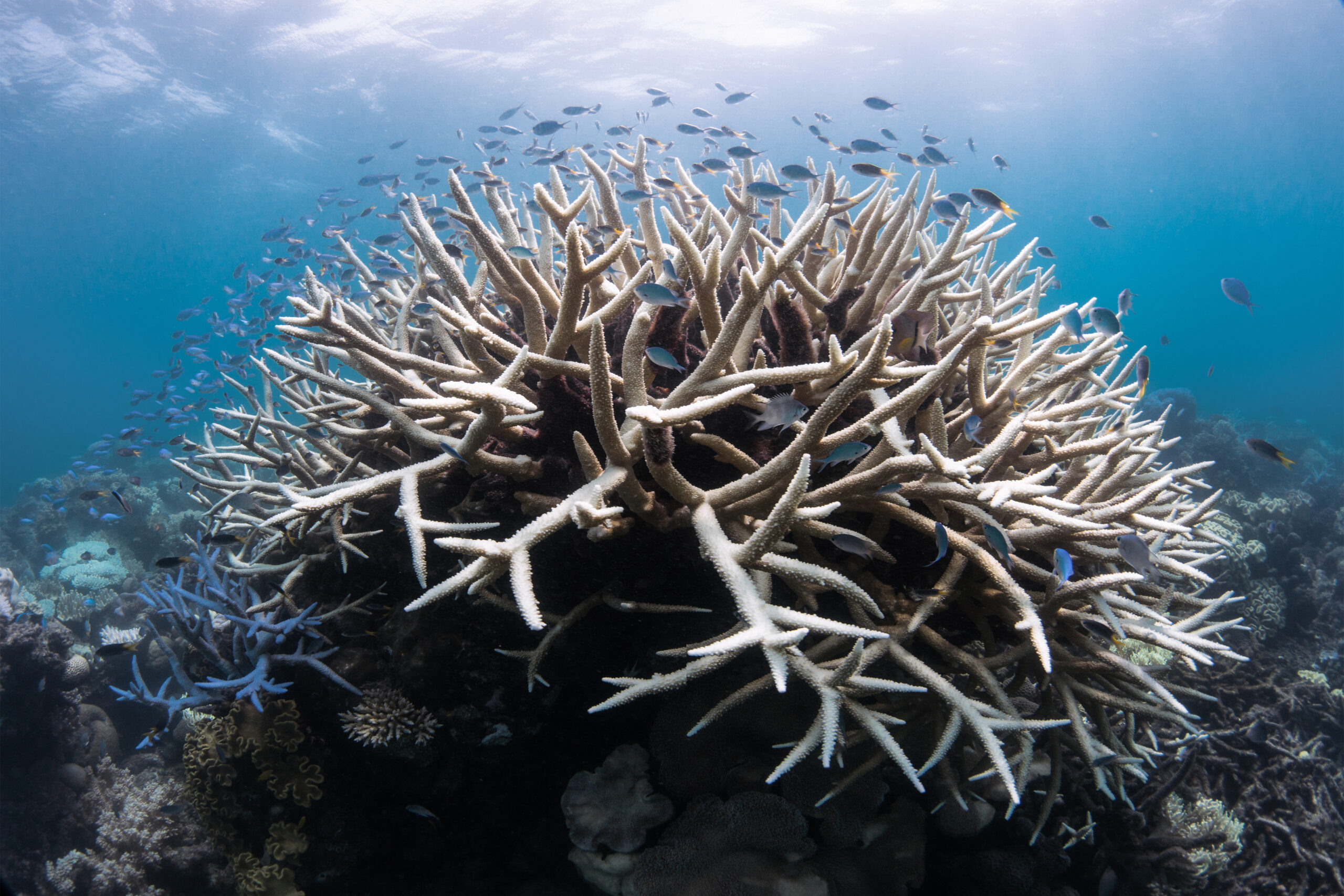
Coral Bleaching Awareness Month: Giving Coral Reefs a Chance to Recover

For hundreds of millions of years, coral reefs have supported life in our oceans. Although they cover less than 1% of the ocean floor, they provide habitat for at least 25% of all marine species. They also support people around the world by sustaining fisheries and tourism, providing food and livelihoods, and helping protect coastlines from waves and storms.

But coral reefs are under increasing pressure. Pollution, overfishing, coastal development, physical damage, and increasingly warm ocean temperatures can all affect reef health. One of the most visible signs that a coral reef is under stress is coral bleaching.

This September, in recognition of Coral Bleaching Awareness Month, we’re taking a closer look at what happens when corals bleach, why bleaching matters, and what scientists around the world are doing to better understand, protect, and restore coral reefs.

Read More

Everything You Need to Know About the 2027 Science Without Borders® Challenge

Are you ready to combine your creativity with ocean science?

The 15th Annual Science Without Borders® Challenge is now open! Whether you’re participating for the first time or returning for another year, this guide will help you get started.

This year’s theme, Navigate With Care, invites students to explore how responsible navigation helps protect both people and life in the ocean. Through your artwork, you can compete for scholarships and international recognition while inspiring others to protect both people and life in the ocean.

Read More
Privacy Overview

This website uses cookies so that we can provide you with the best user experience possible. Cookie information is stored in your browser and performs functions such as recognising you when you return to our website and helping our team to understand which sections of the website you find most interesting and useful.  You can view our complete Privacy Policy here.

Strictly Necessary Cookies

Most of our cookies are used to improve website security and reduce spam. These cookies should be enabled at all times. They also enable us to save your preferences for cookie settings.

3rd Party Cookies

This website uses Google Analytics to collect anonymous information such as the number of visitors to the site, and the most popular pages. Keeping this cookie enabled helps us to improve our website.