Youth for the SDGs Journal – Day 1 (Part 1)
The Peace Boat US Youth for SDGs cohort embarked on an immersive learning journey in Jamaica. As a guest educator for the Peace Boat with local knowledge, I had the honor of introducing 13 passionate youth to the country and facilitating an unforgettable day exploring marine science and cultural heritage.
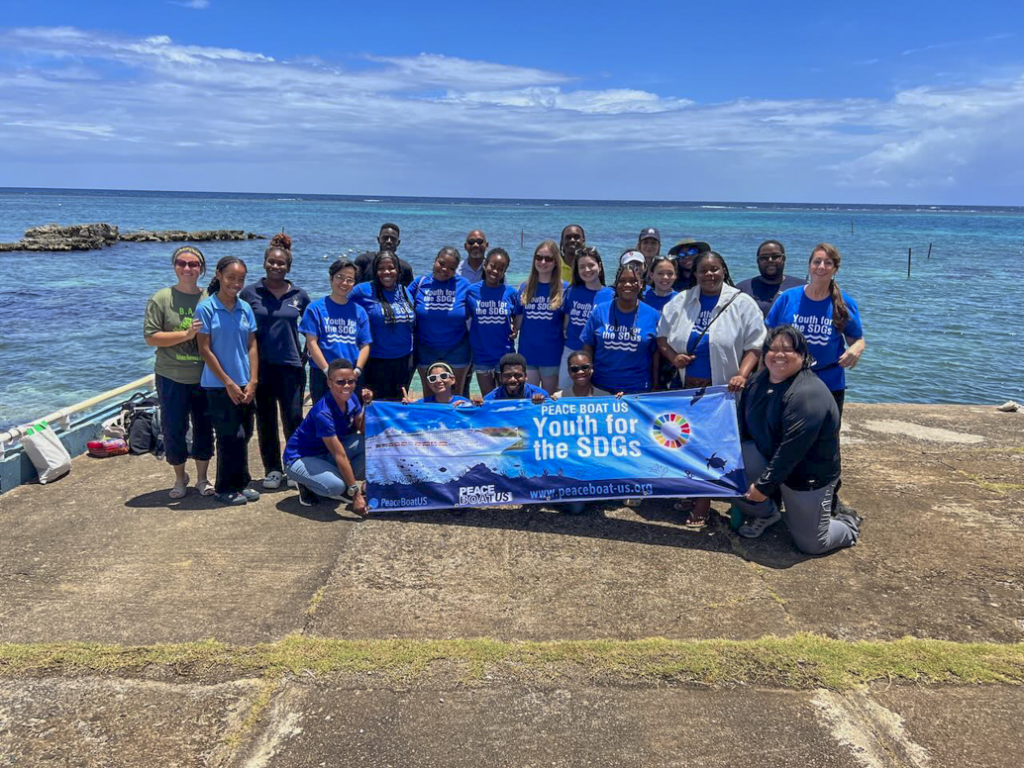
During our one-hour drive to the lab, I led an interactive discussion about the history of Jamaica, starting with the original inhabitants of the island, the Taino (a subgroup of the Arawak), and proceeding through the Spanish takeover, British colonization, and the transition from African slavery to East Indian laborers. This led us to a conversation about Jamaica’s national heroes, as well as other notable cultural influencers, such as Bob Marley. I also pointed out various places of interest as we passed them, helping to ground the students in both the geography and the cultural context of the island.
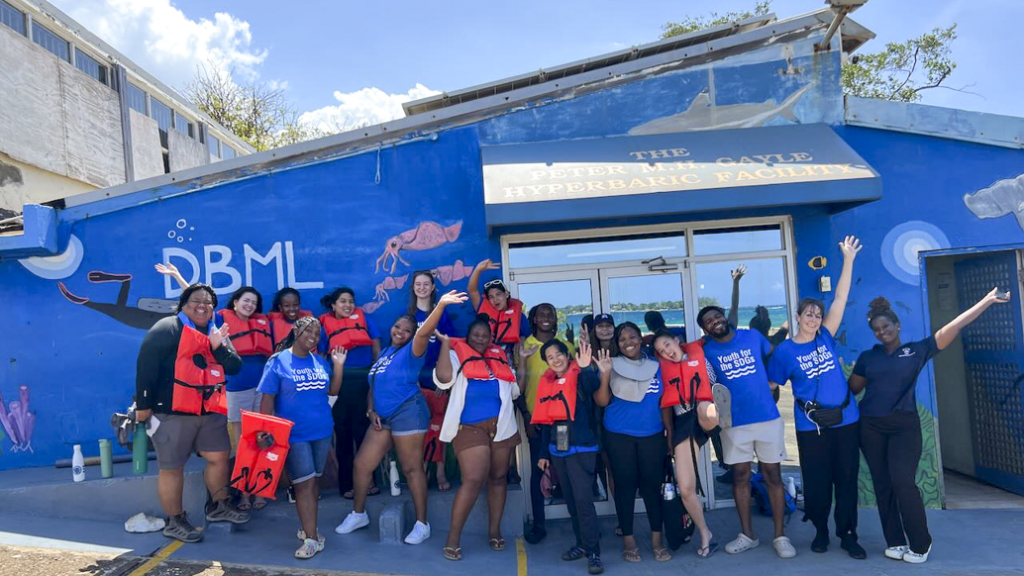
We kicked things off with a visit to the University of the West Indies’ Discovery Bay Marine Laboratory (UWI DBML)—a long-standing partner of ours through our J.A.M.I.N. (Jamaica Awareness of Mangroves in Nature) program. The UWI DBML is a vibrant hub of marine research and education focused on preserving the biodiversity and health of tropical coastal ecosystems.
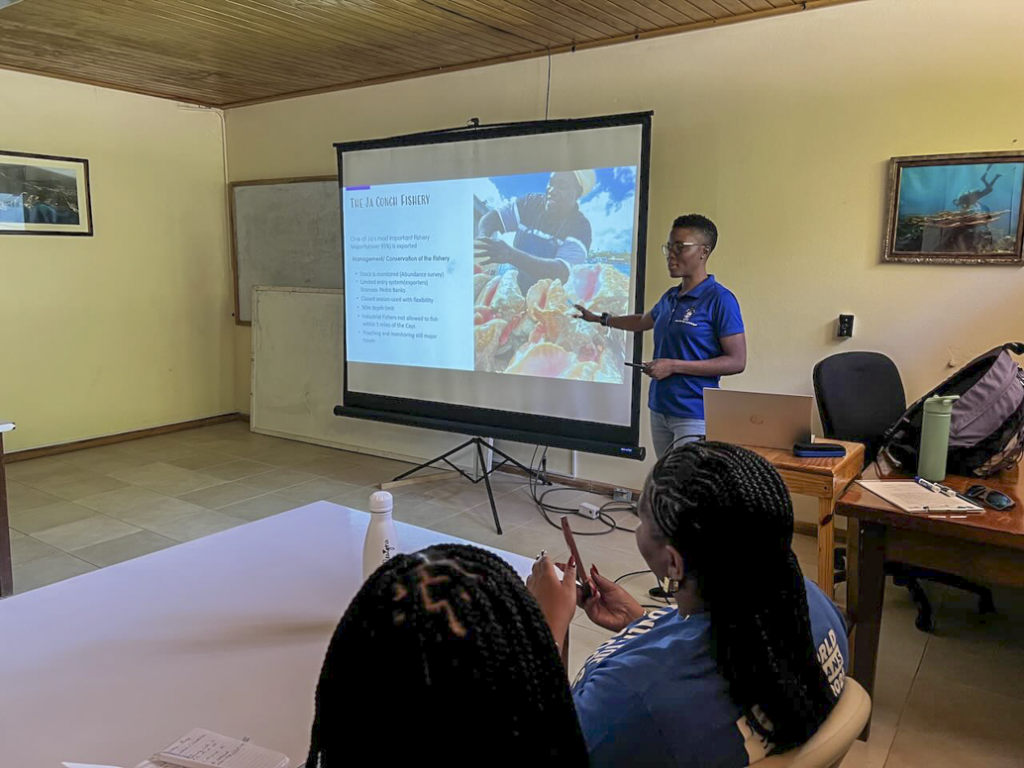
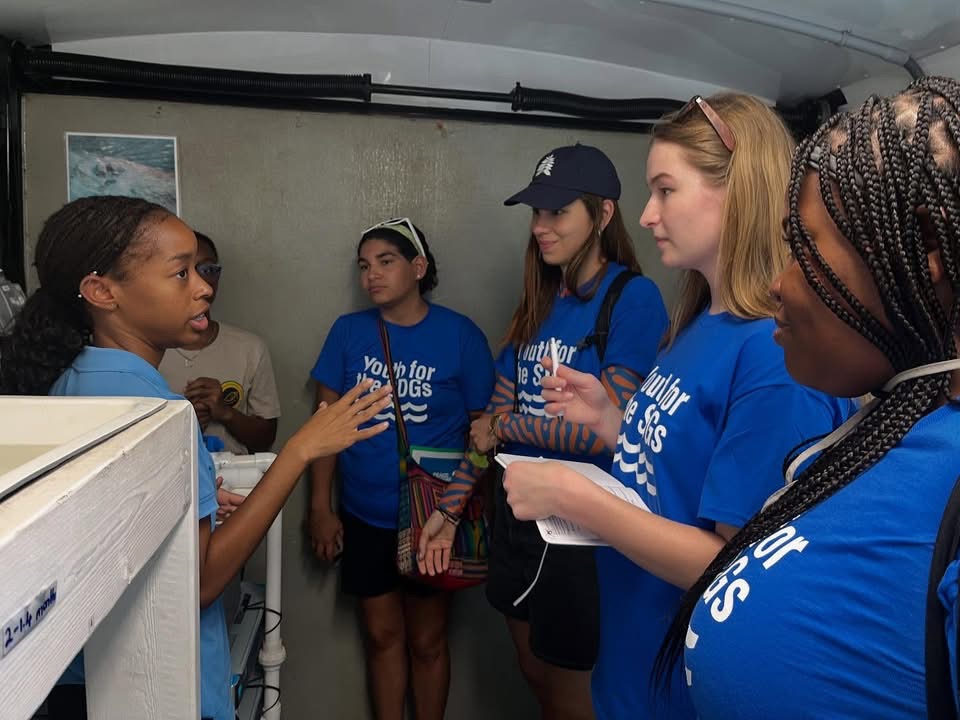
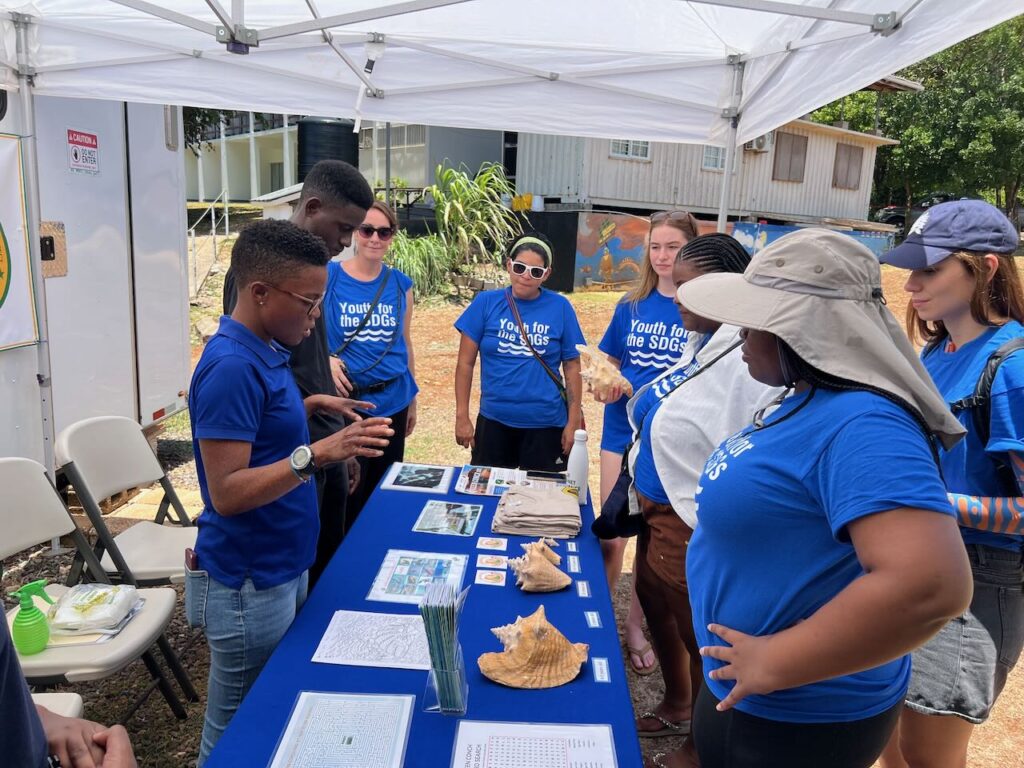
After introductions, Shanna-Lee Thomas, the lab’s Chief Scientific Officer, delivered an engaging lecture on the ecological role of the queen conch, its significance to Jamaican marine ecosystems, and the challenges facing the fishery. She also provided insights into the lab’s Jamaica Conch Project, which promotes sustainable management of this iconic species. The youth were fully engaged, asking insightful and sometimes rapid-fire questions that demonstrated their growing curiosity and dedication to ocean stewardship.
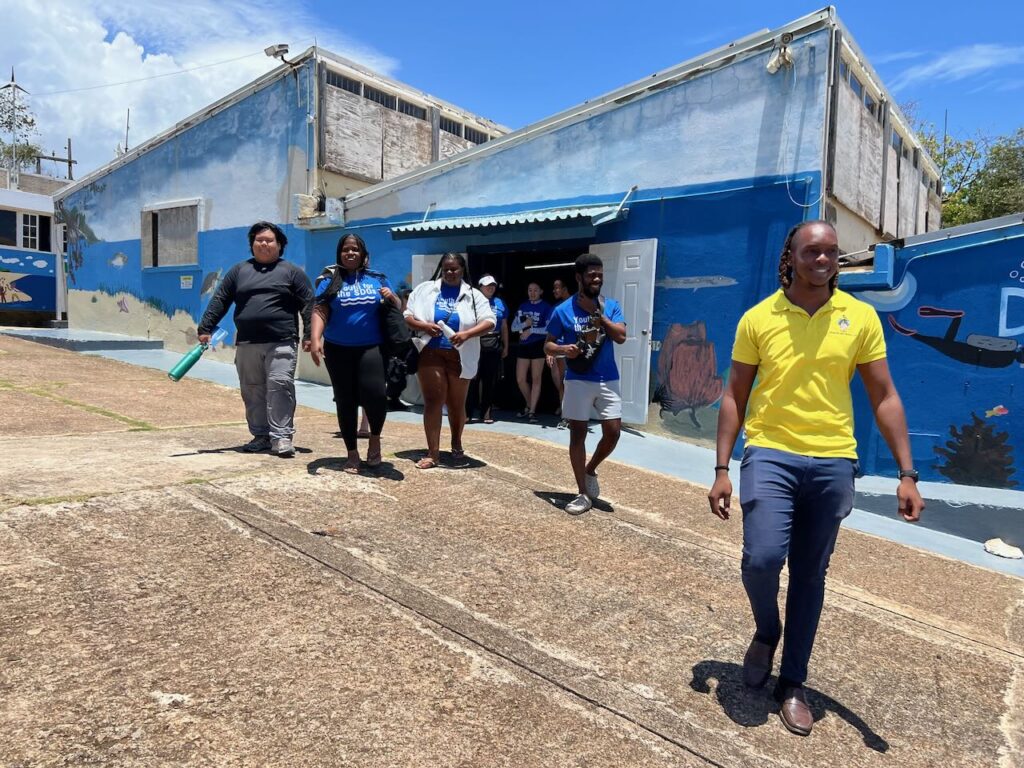
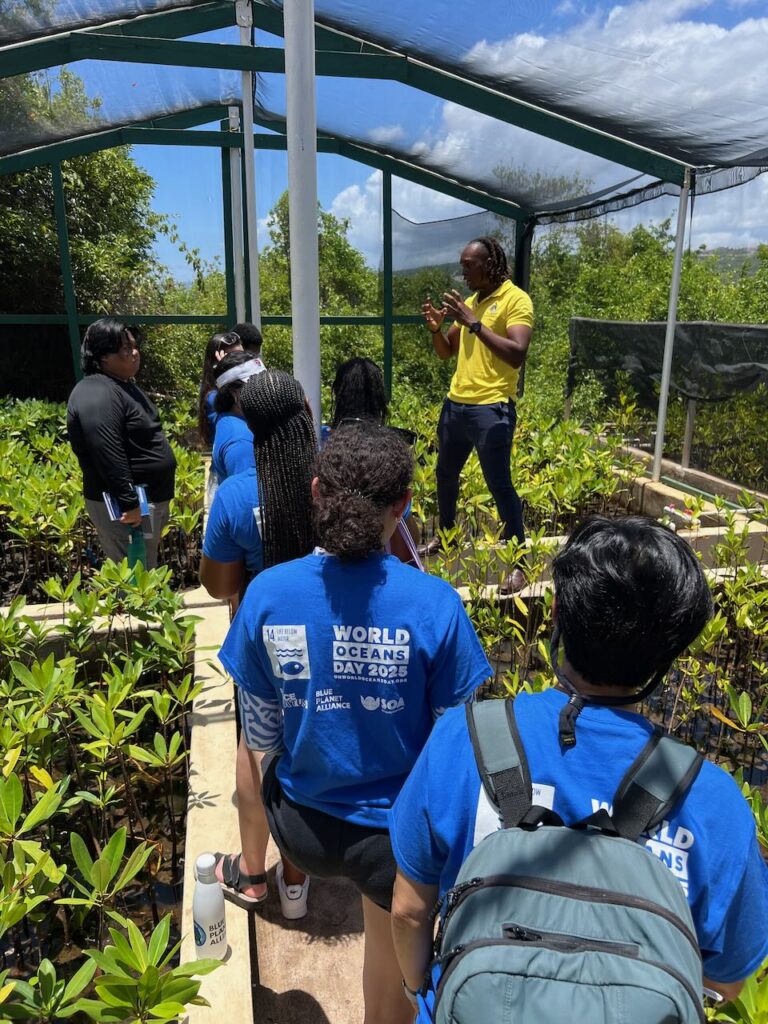
DBML staff gave an engaging tour of the facility, including a behind-the-scenes look at the Queen Conch Mobile Lab, mangrove nursery, and even the lab’s hyperbaric chamber. The students were captivated by the hands-on experiences and the stories behind the science.
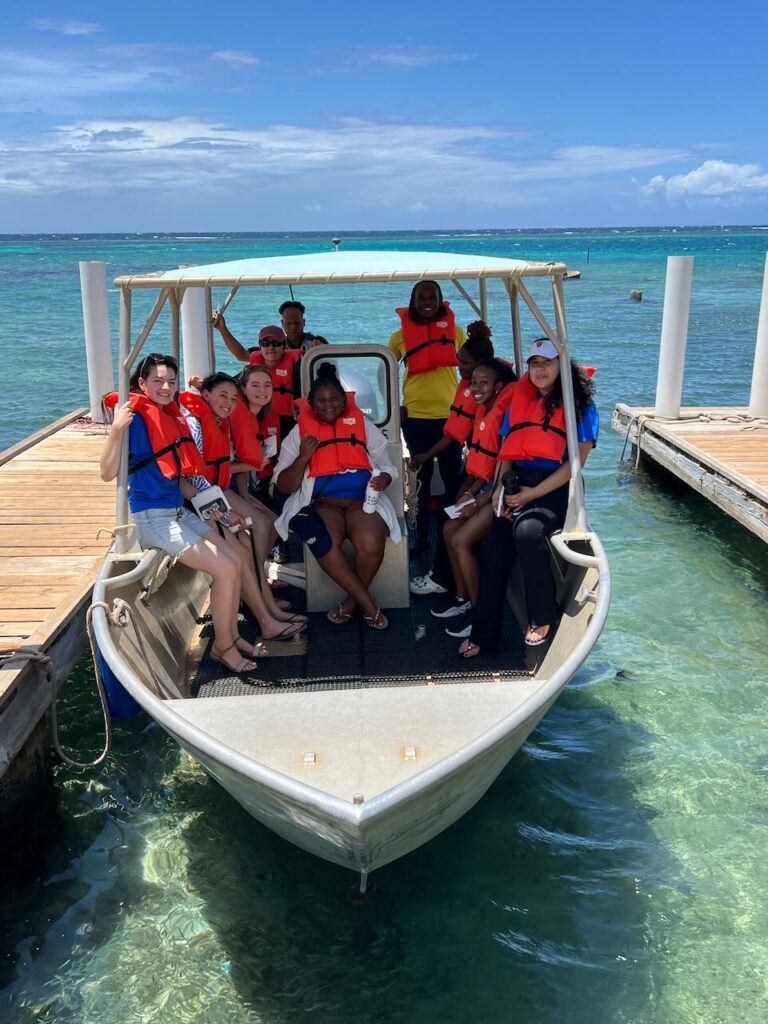
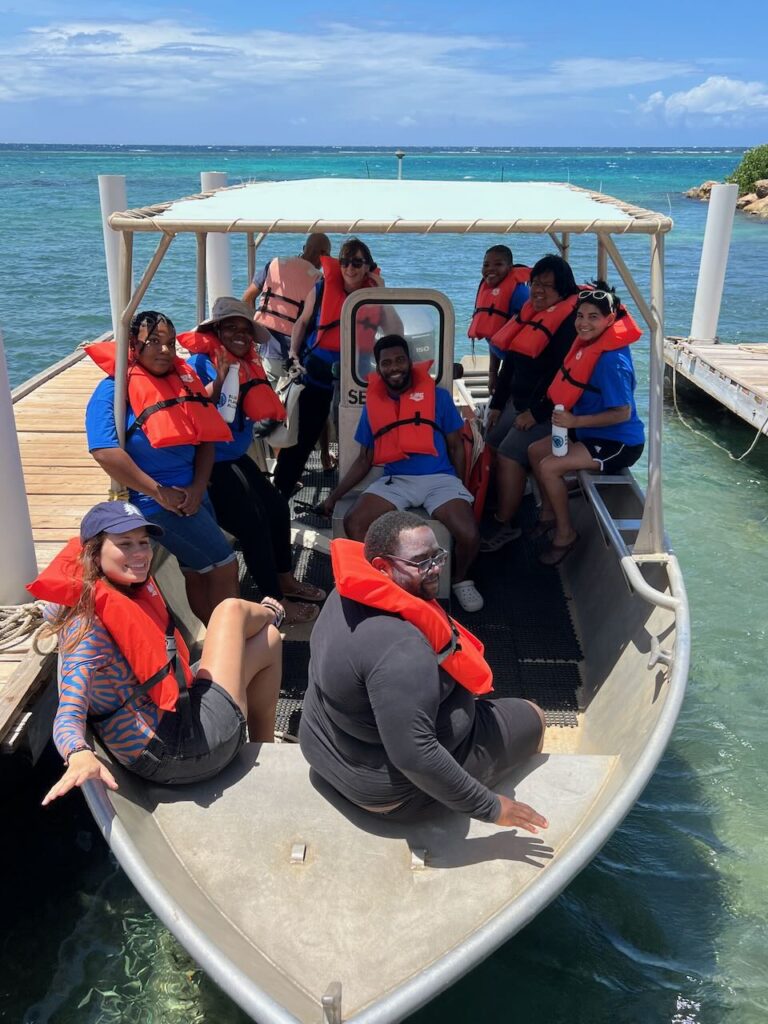
We then divided into two groups for a boat tour of Discovery Bay. While onboard, students used EarthEcho International’s water quality testing kits, part of the EarthEcho Water Challenge citizen science project, to collect data on turbidity, water temperature, dissolved oxygen (DO), and pH. EarthEcho International is a long-standing partner of both Peace Boat US and the Khaled bin Sultan Living Oceans Foundation, and through these partnerships, we were able to incorporate their citizen science tools into this global learning experience. This hands-on activity helped students further their understanding of citizen science and the important role youth can play in protecting our oceans.
Back at the lab, Scientific Officer Ricardo Hickling, a water quality expert, demonstrated how to measure similar parameters—including salinity, water temperature, and DO—using a more advanced instrument called a YSI meter. This sparked an engaging discussion about the differences between testing methods. Students will continue using the EarthEcho kits throughout our journey, comparing water quality across the countries we visit.
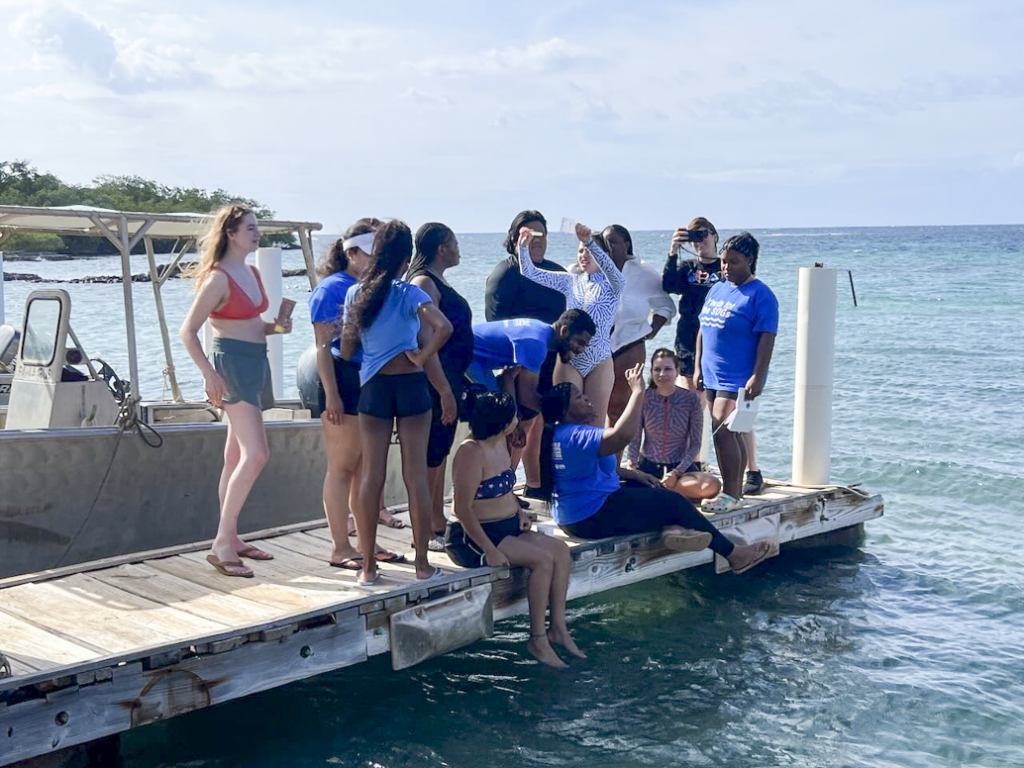
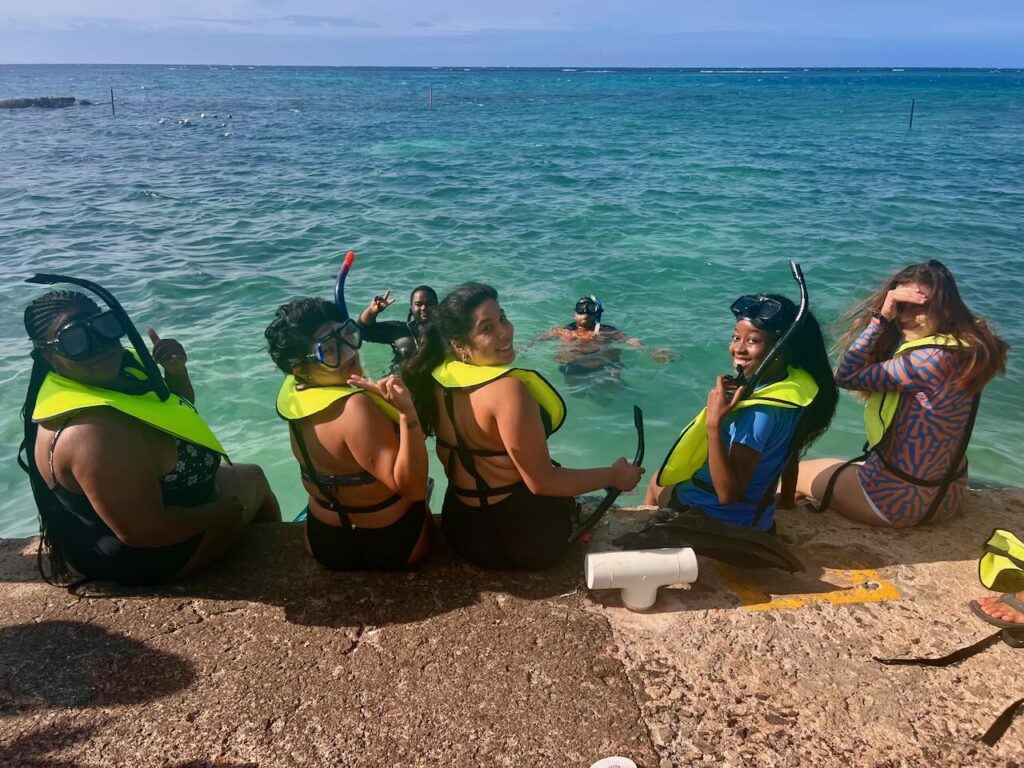
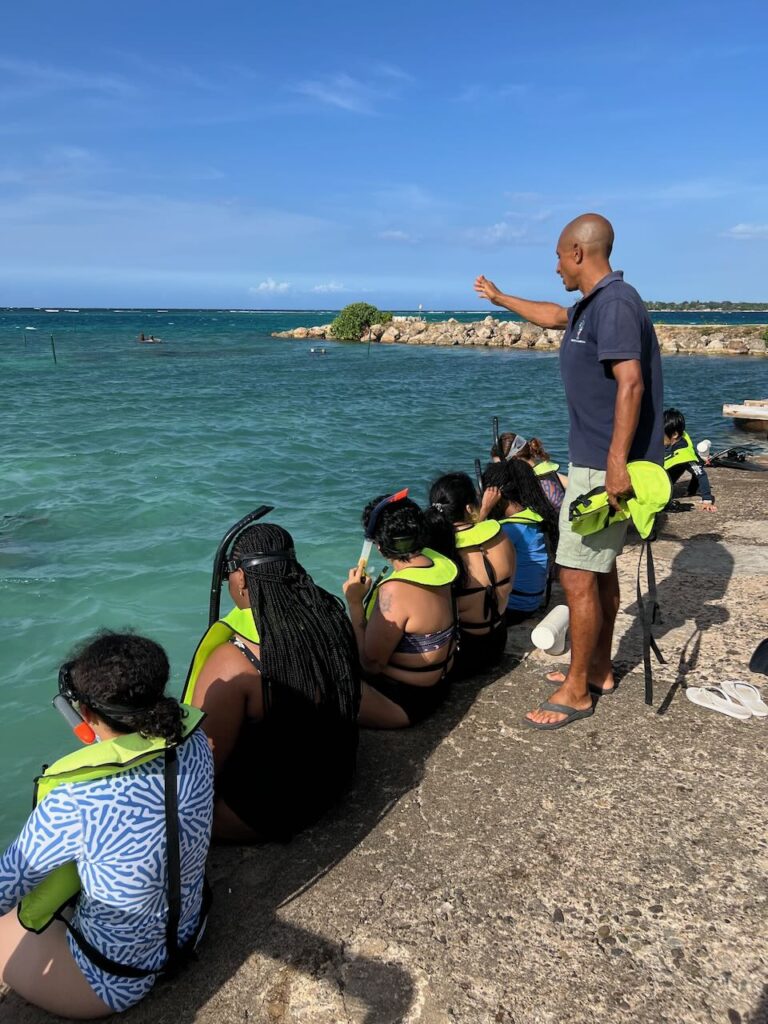
After lunch, the students embarked on a snorkeling adventure, with some experiencing it for the first time. Floating above colorful seagrass beds and coral reefs, they saw the marine life they had just learned about, now viewed through the eyes of aspiring scientists.
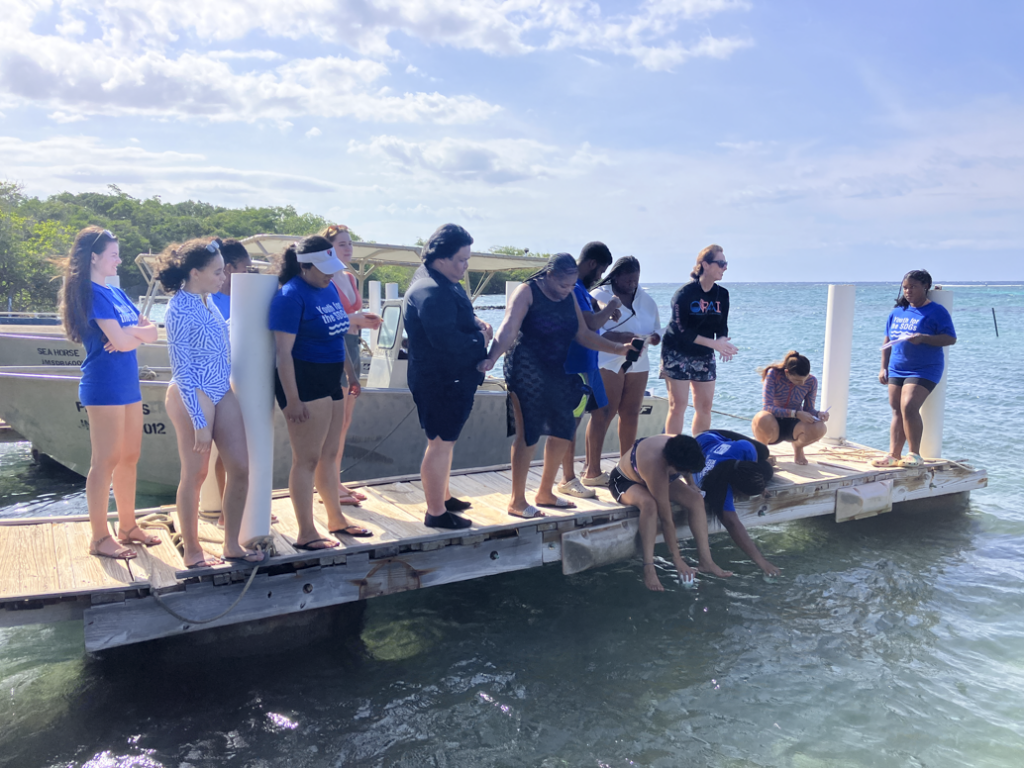
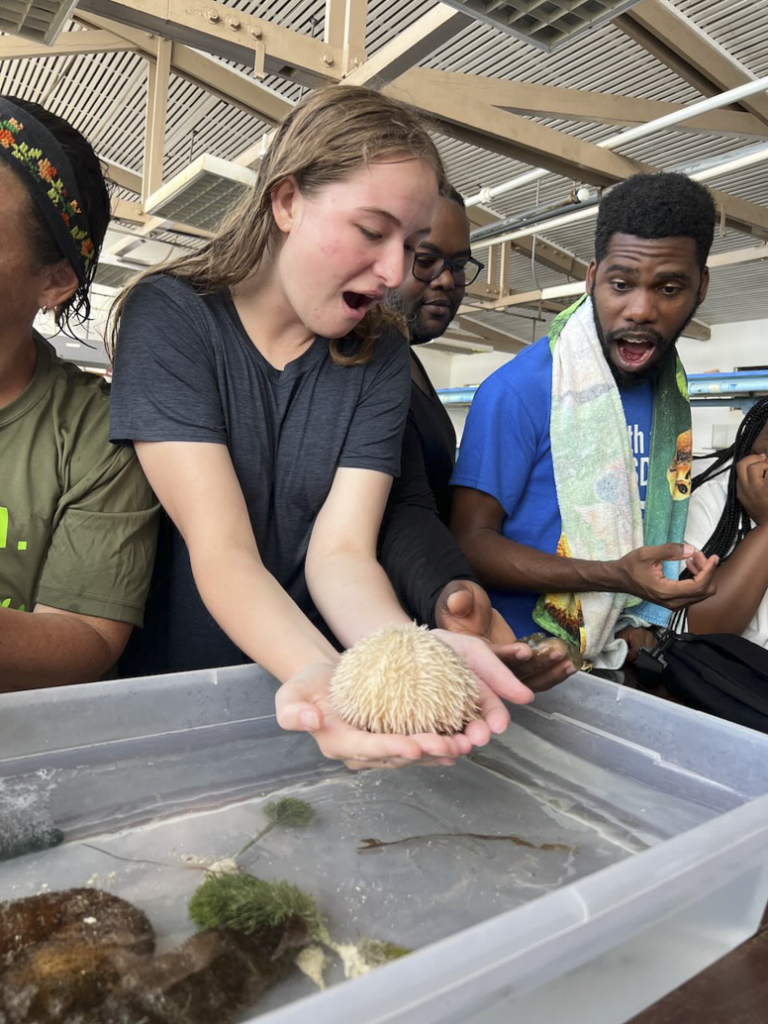
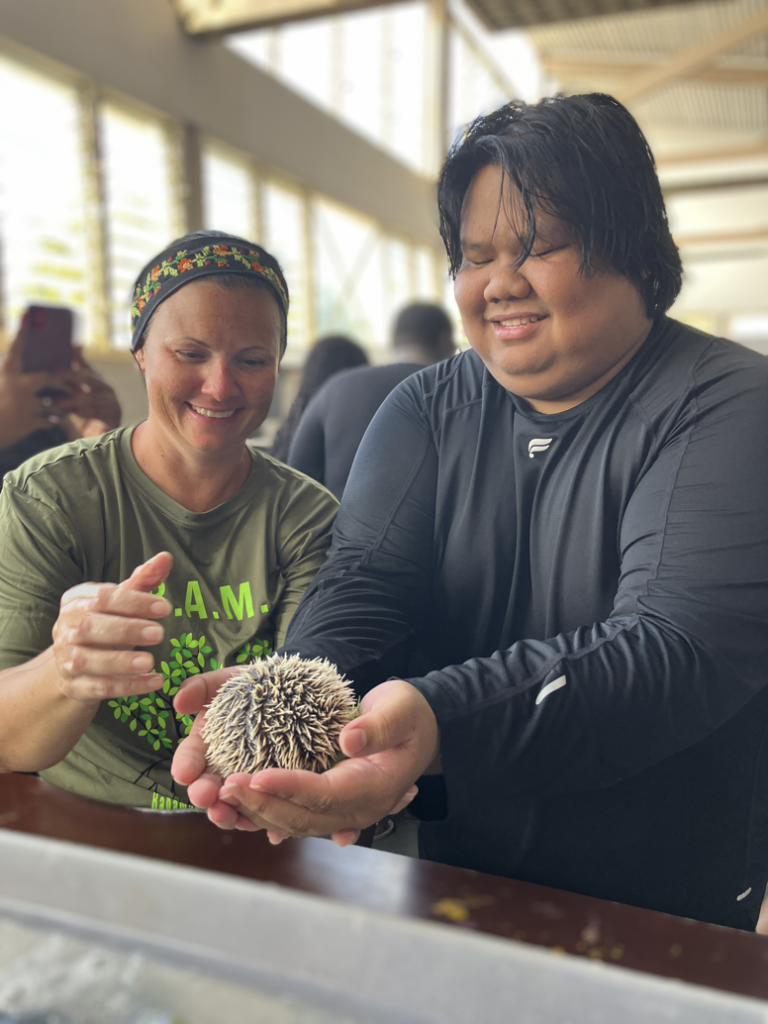
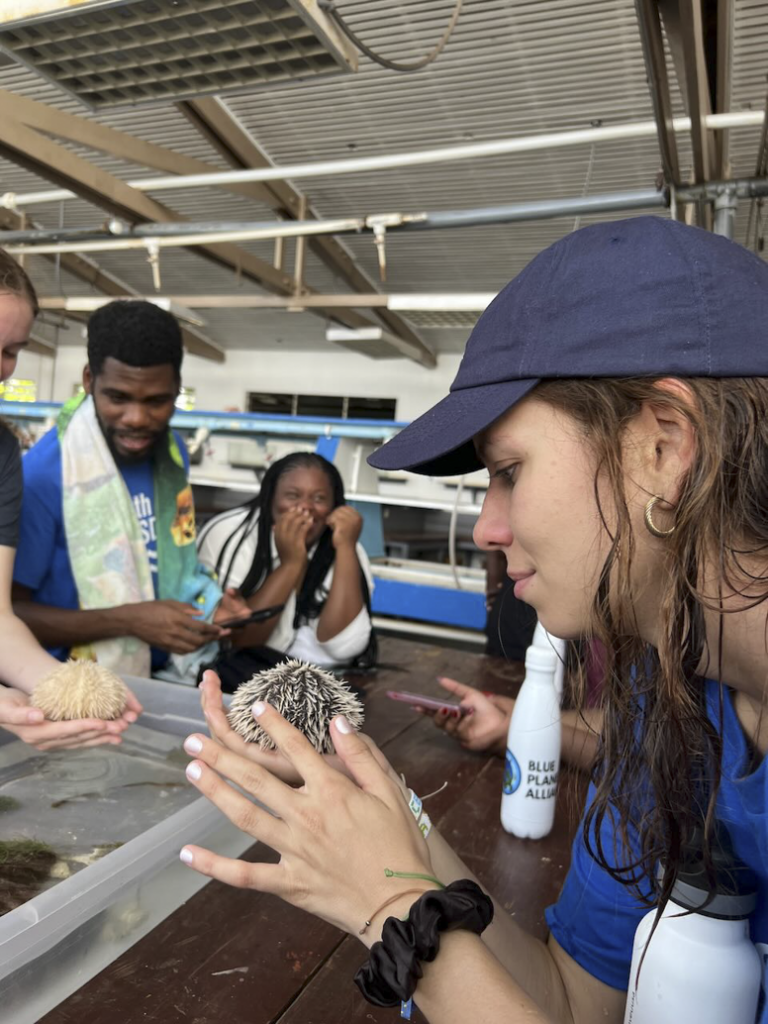
Our final educational stop at DBML was the touch tank, an experience I had the privilege of leading. This hands-on activity introduced students to a range of marine organisms from different Jamaican ecosystems, many of which they had never seen, let alone touched, before. Watching their reactions shift from cautious curiosity to enthusiastic engagement was a powerful reminder of how tactile learning can spark lasting interest at any age. It was a meaningful close to our scientific exploration of the day.
Coming up next: Our cultural immersion continues with an evening at the Rastafari Indigenous Village. Stay tuned for Part 2—From Sea to Soul.