
search-icon
From Sea to Soul – Rastafari Indigenous Village

Youth for the SDGs Journal – Day 1 (Part 2)

Before you dive into Part 2, make sure to check out Part 1 to see how our adventure began!


As the sun dipped toward the horizon, we transitioned from the sea to the soul with a visit to the Rastafari Indigenous Village near Montego Bay. There, we were warmly welcomed into a community deeply rooted in spirituality, nature, and cultural resilience. 

This meaningful relationship with Firstman, one of the Village’s original founders and a UN-recognized expert in cultural heritage and diversity, began over a decade ago through Emilie McGlone, Director of Peace Boat US. Her long-standing connection helped establish the foundation for this immersive experience, transforming the visit into a reconnection with trusted partners and friends.

A sign marks the entrance to the Rastafari Indigenous Village near Montego Bay, a welcoming space rooted in spirituality, sustainability, and cultural heritage.

We started with a powerful introduction to the history and philosophy of the Rastafari movement, gaining insight into their values of peace, unity, and living in harmony with the earth. Youth were invited to join in a shared musical experience, drumming, dancing, and connecting through rhythm. The sounds of the drums echoed not just through the space, but through our spirits.

A beautifully prepared table with native flower arrangements and soft ambient lighting awaits our group for a shared Ital meal, offering nourishment, community, and a deeper connection to the Rastafari way of life.

Later, we gathered in a circle to share a traditional Ital meal prepared using ingredients grown by the Rastafari community themselves. Every bite was infused with intention and respect for the earth. Over food and conversation, we exchanged questions and stories that provided a deeper understanding of sustainability beyond just science, embracing its social, cultural, and spiritual aspects as well.

A traditional Ital meal, lovingly prepared with fresh ingredients grown by the Rastafari community, reflects a deep respect for the earth and the principle of living in harmony with nature.

This day powerfully reflected the interconnected nature of the  United Nations Sustainable Development Goals (SDGs). From quality education (SDG 4) to ocean conservation (SDG 14) and responsible consumption (SDG 12), and from peace, justice, and cultural understanding (SDG 16) to the strong partnerships that brought this day to life (SDG 17), our experiences touched on multiple SDGs. These moments served as a powerful reminder that building a sustainable future requires the collaboration of many perspectives, disciplines, and voices.

Our journey had only just begun, but already, we were anchored in place, purpose, and community, prepared to carry these lessons forward as advocates for a more just and sustainable world.
Related Posts

From Dialogue to Action: Ocean Foundations Gather in Stockholm

What can philanthropy accomplish when foundations working across ocean science, conservation, and sustainable development come together around a shared purpose?

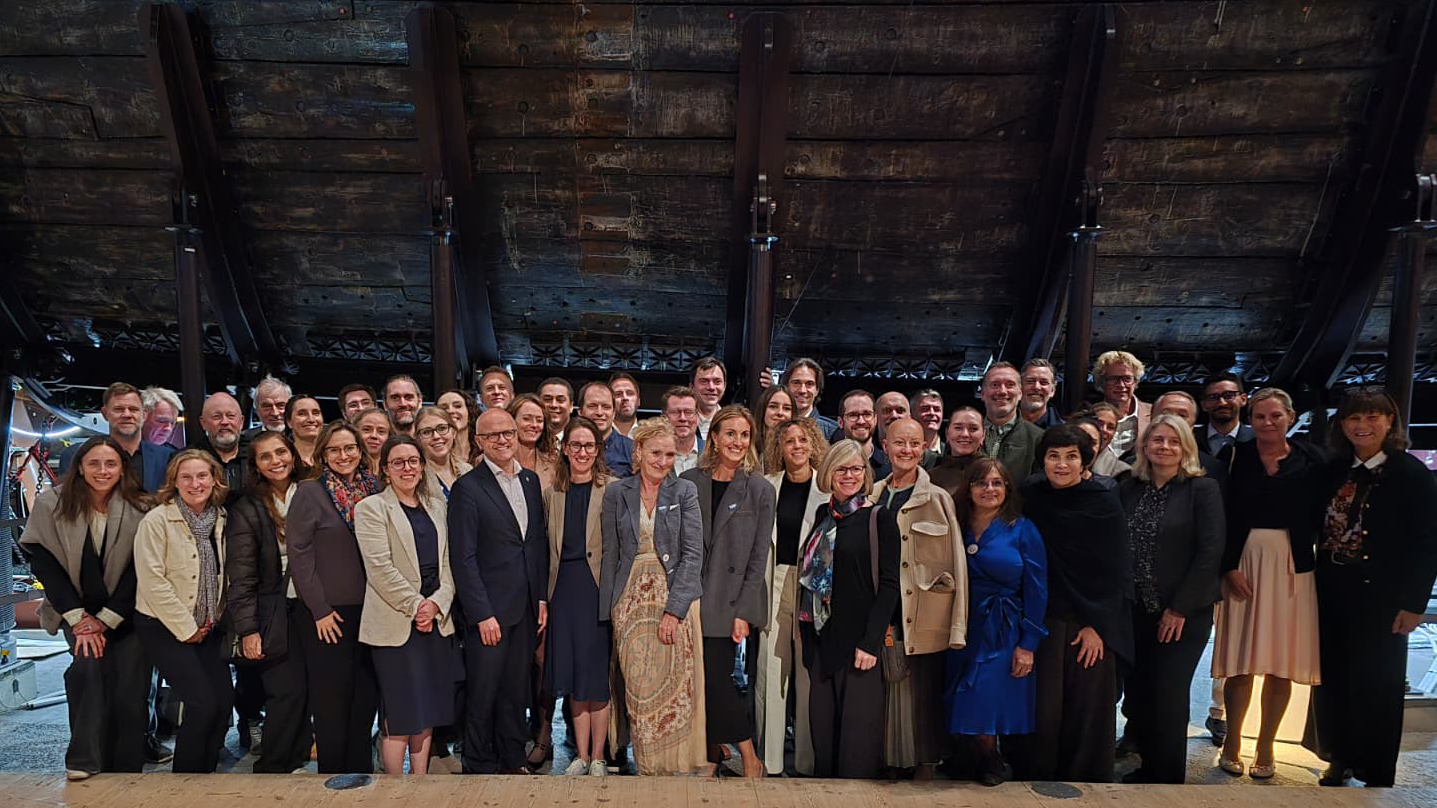
That question was at the heart of the 6th UN Ocean Decade Foundations Dialogue, held September 7–9 in Stockholm, Sweden. The Khaled bin Sultan Living Oceans Foundation joined philanthropic organizations from around the world for three days of discussion, collaboration, and planning focused on accelerating progress during the second half of the UN Decade of Ocean Science for Sustainable Development.

Facilitated by UNESCO’s Intergovernmental Oceanographic Commission (IOC), the UN Ocean Decade Foundations Dialogue is a growing network of more than 30 philanthropic organizations committed to advancing ocean science, collaboration, and action. Since its creation within the framework of the Ocean Decade, the Dialogue has provided foundations with a space to exchange ideas, develop partnerships, and explore how philanthropy can help advance a healthy and resilient ocean.

Hosted by the Voice of the Ocean Foundation (VOTO), this year’s gathering began with From Depth to Action, an Opening Forum that brought nearly 100 leaders from the Swedish and international ocean community together at…

Read More

Meet IFAN: Helping Bring Navigate with Care to the Next Generation

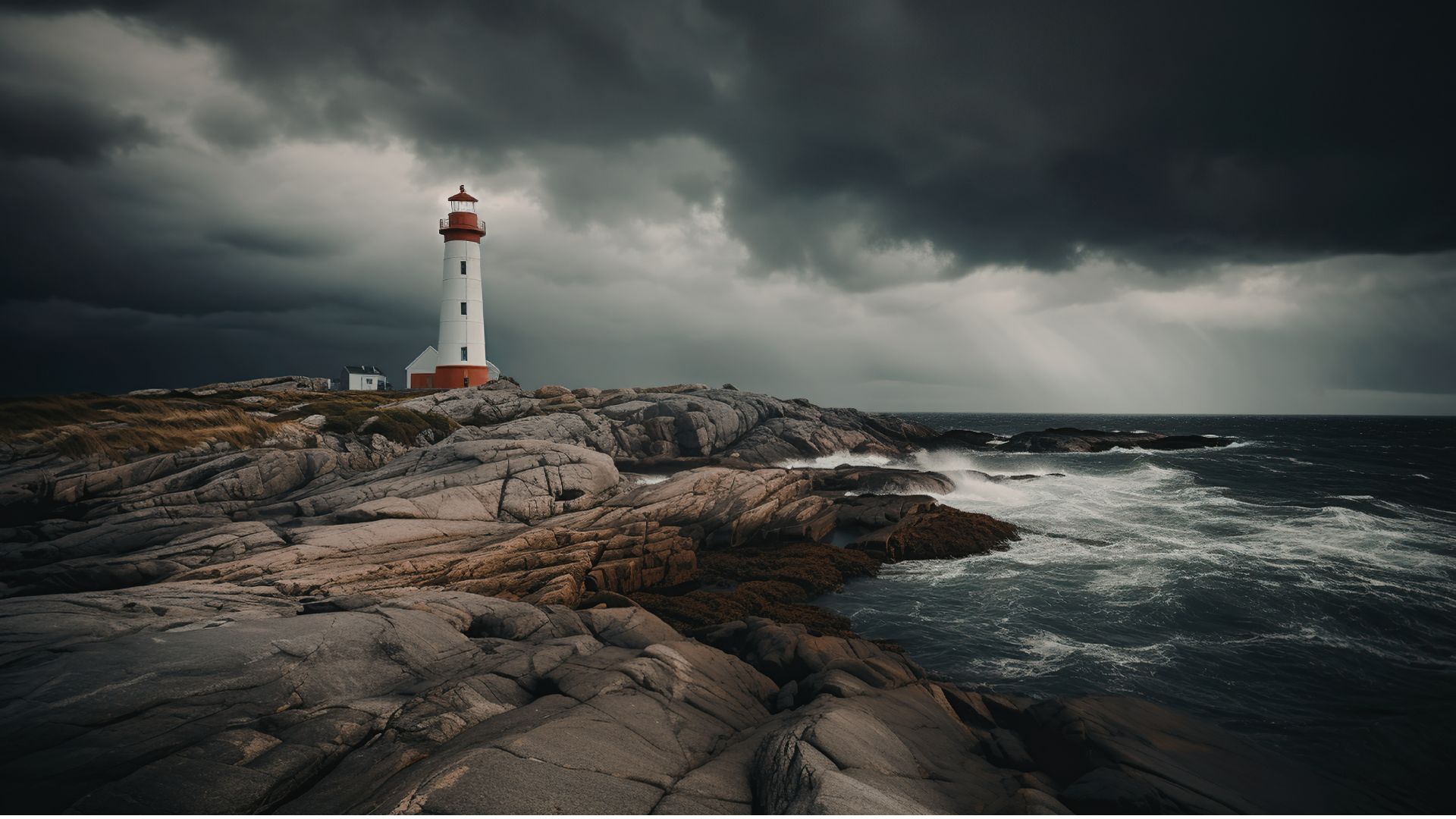
If you’ve ever seen a lighthouse flashing from the shore or a brightly colored buoy bobbing in the water, you’ve seen Aids to Navigation at work.

Aids to Navigation, often called AtoNs, help mariners navigate safely. They can mark channels, warn of hazards, help vessels determine their position, and provide other information people need to make safe decisions on the water. Around the world, these systems help guide everything from small recreational boats to large commercial or container ships. 

But safe navigation isn’t only about protecting vessels and the people aboard them. The choices mariners make can also affect the animals and ecosystems beneath and around them.

That connection between maritime safety and ocean conservation is at the heart of this year’s Science Without Borders® Challenge—and of our partnership with this year’s theme sponsor, the International Foundation for Aids to Navigation (IFAN).

Read More

Privacy Overview

This website uses cookies so that we can provide you with the best user experience possible. Cookie information is stored in your browser and performs functions such as recognising you when you return to our website and helping our team to understand which sections of the website you find most interesting and useful.  You can view our complete Privacy Policy here.

Strictly Necessary Cookies

Most of our cookies are used to improve website security and reduce spam. These cookies should be enabled at all times. They also enable us to save your preferences for cookie settings.

3rd Party Cookies

This website uses Google Analytics to collect anonymous information such as the number of visitors to the site, and the most popular pages. Keeping this cookie enabled helps us to improve our website.