 This 2013 annual report gives us the opportunity to refl ect on three full years completed on our ambitious Global Reef Expedition. We have now surveyed and mapped the coral reefs of eleven di fferent countries, widely distributed from the Caribbean Sea to the vast South Paci fic Ocean. Our overarching objective is to advance the world’s scienti fic knowledge and provide countries around the world with essential information to counteract the decline in coral health. Coral reefs need a massive intervention through strong political will, sustained financial support, and wide-scale resource management. So far, we have learned that:
- The characteristics and health of coral reefs worldwide are stunningly varied across regions and, more remarkably, within local reefs on small scales.
- Most of the reefs we have surveyed exhibit signs of over- fishing; including very remote reefs. The extent of over- fishing is, in general, directly proportional to the proximity and density of human populations.
- With exceptions, our observations indicate a strong relationship between reef health and the abundance and diversity of fish. Therefore, implementing best fi shing management practices should improve reef health.
- People most dependent on coral reef resources have a limited understanding of the threats to their reefs or the factors that promote reef health. There is a strong, global need for coral reef education and advocacy.
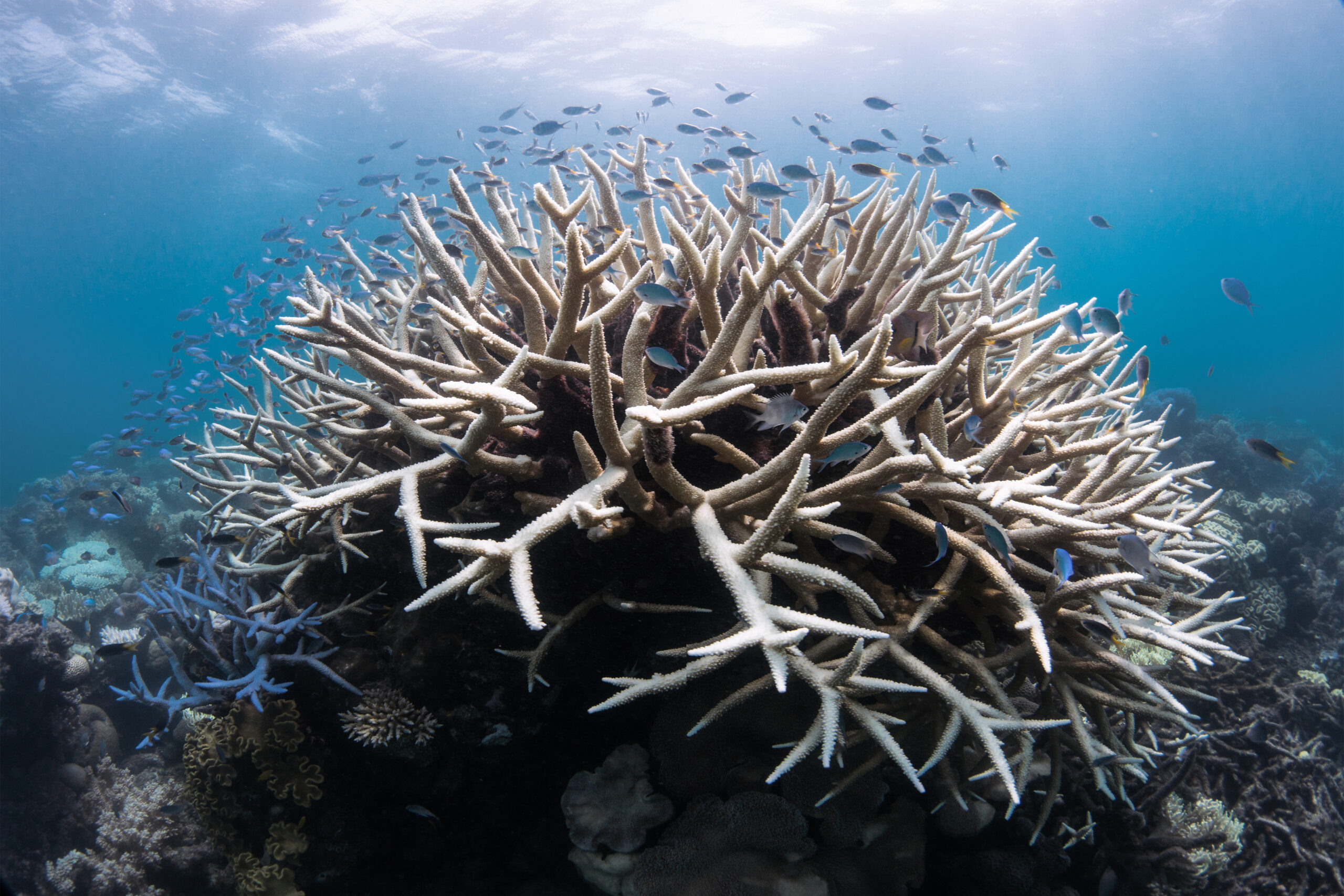
- The health of Caribbean Sea coral reefs has dramatically deteriorated over the past few decades. Overall, Pacifi c reefs are in better health but exhibit signs of following the same trend as Caribbean reefs. Time is of the essence to improve resource management and to minimize direct human stressors.
- Many countries of the world still have beautiful and relatively healthy and productive coral reefs that demonstrate resilience to large-scale disturbances. Th is gives us hope that, with wise resource management, reefs can survive long into the future.
Our findings to date alarm us by the global reach of this environmental crisis, increase our sense of urgency to close knowledge gaps and empower resource managers, and give us renewed optimism that nature is resilient and responds favorably when chronic, human stressors are removed or minimized. We are determined to be enablers of healthy and sustainable reefs worldwide! Many thanks to HRH Prince Khaled bin Sultan for generously supporting this historic scienti fic journey!