
search-icon
The Fish of the Austral Islands

After starting the barcoding of the total fish fauna at Moorea (Society Islands, French Polynesia) in 2006 under the BIOCODE project (http://mooreabiocode.org/), CRIOBE has spent the last 7 years continuing the genetic barcoding of coral reef fishes over the 118 islands, 5 archipelagos and 5.5 million km2 of French Polynesia. Of course the project could not visit every single island, but the project hoped to visit all 5 archipelagos for the fish surveys and sampling. Moorea has been sampled, the Gambier was surveyed in 2010, the Marquesas in 2008 and 2011, and now finally the Australs during this trip with the Global Reef Expedition. The Living Oceans Foundation has made it possible to conduct fish surveys at Raivavae, Tubuai, Rurutu, Rimatara and Maria Islands.
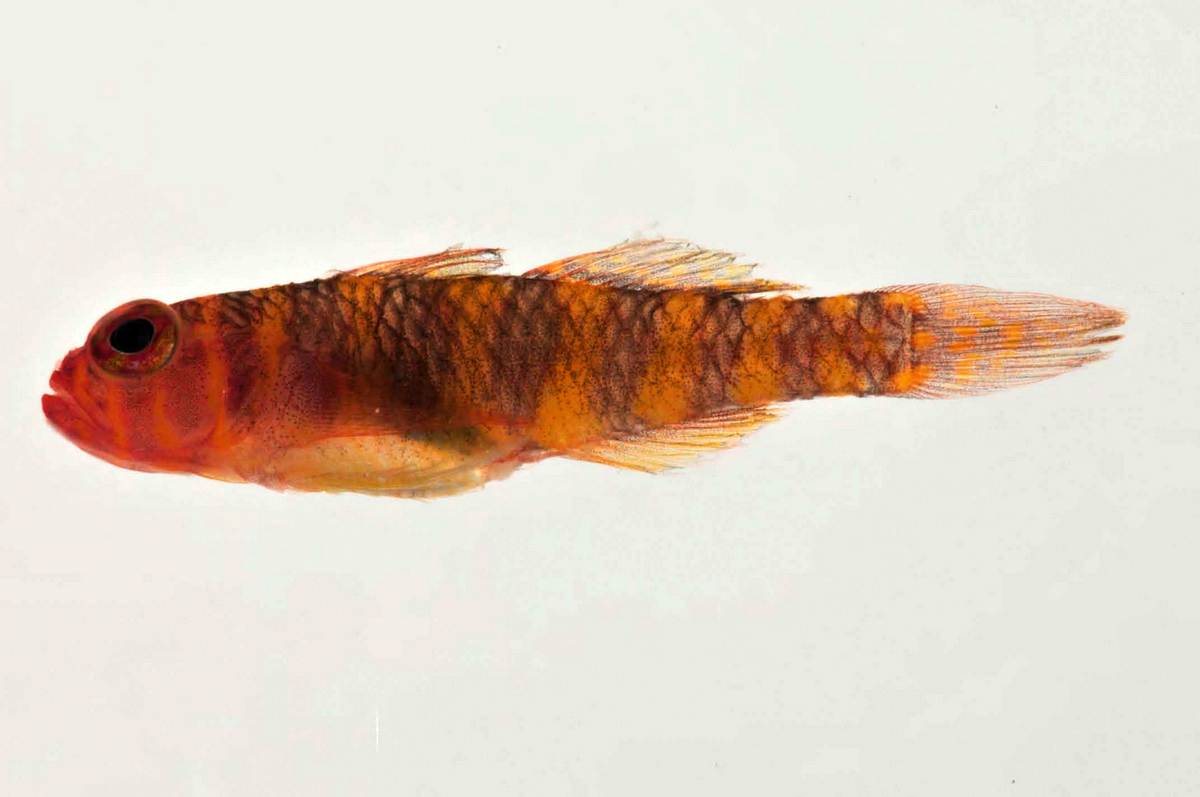
We discovered this distinctive new species of yellow-barred Dwarfgoby on our fish surveys in the Austral Islands, which is fully grown at about 25 mm in length. It lives on coral reefs at depths of about 25-30 meters.
We discovered this distinctive new species of yellow-barred Dwarfgoby on our fish surveys in the Austral Islands, which is fully grown at about 25 mm in length. It lives on coral reefs at depths of about 25-30 meters

Austral Islands Fish Surveys

The fish surveys resulted in the surveying of more than 300 fish species and we collected specimens representing about 14 new species that will be described over the coming years. In addition to these new species, this was also the opportunity to record new occurrences for many fish species previously unreported from the Austral Islands (about 20 new records). The results of this sampling program will be analyzed genetically and our findings will be made available internationally on the FISHBOL database.
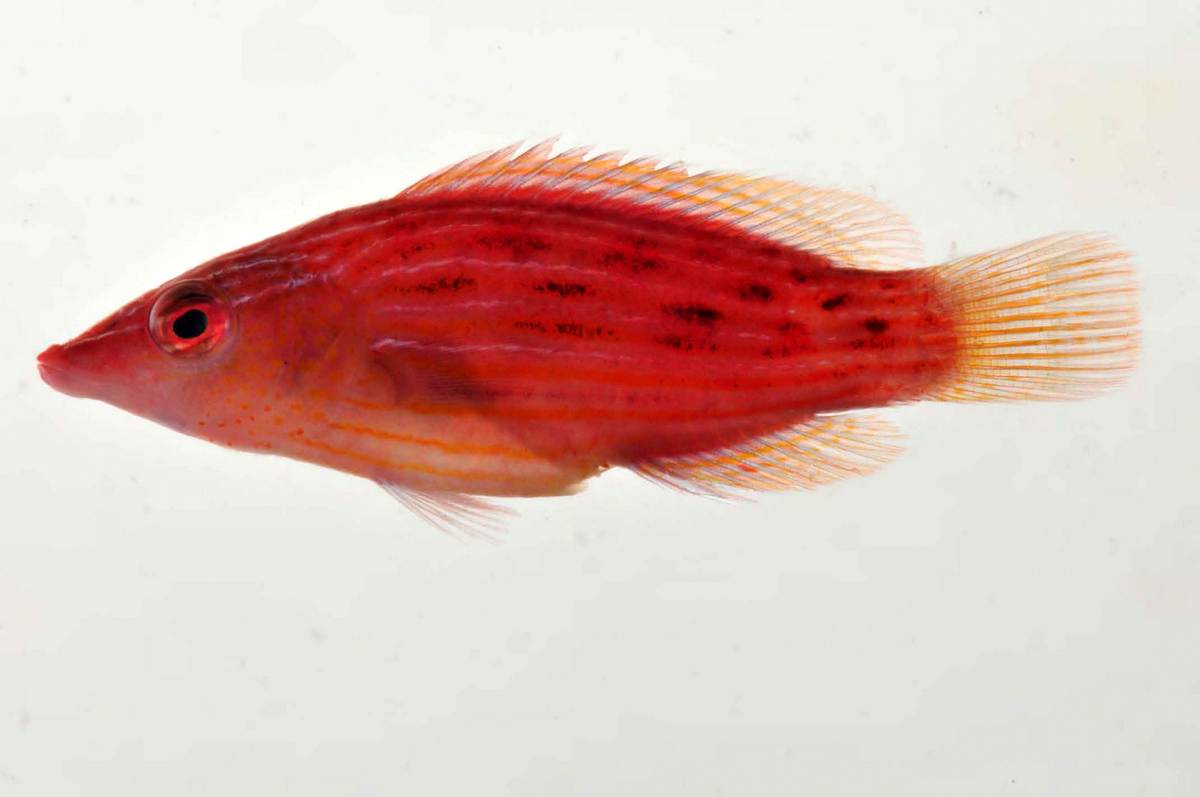
The colorful reddish pink wrasse is similar to the Eightstripe Wrasse, but we have discovered that this color form is actually an undescribed species in French Polynesia

With these fish surveys completed, we have now collected over 5000 vouchered fish samples for French Polynesia.  These samples will provide one of the most extensive databases of fishes worldwide for a region as large as French Polynesia.

(Photos by Jeff Williams)

To follow along and see more photos, please visit us on Facebook!
Related Posts

2025-2026 B.A.M. Student Voices

Throughout the Bahamas Awareness of Mangroves (B.A.M.) and Jamaica Awareness of Mangroves in Nature (J.A.M.I.N.) programs, we evaluate each phase of the mangrove education and restoration process to better understand how students are learning, growing, and connecting with their coastal environments.

Before the programs begin, students share what they already know about mangroves and how they feel about them. As the program progresses, we continue to gather feedback to see how their knowledge evolves from identifying mangrove species and understanding food webs to recognizing the role mangroves play in coastal protection and climate change mitigation.

But the surveys go beyond science content.

We also ask students…

Read More

Ten Years of B.A.M.: Rooted in Partnership, Growing in Purpose

Ten years ago, the Bahamas Awareness of Mangroves (B.A.M.) program began with a simple but meaningful commitment: to connect Bahamian students with the mangrove ecosystems that shape and protect their island home.

Since 2015, B.A.M. has been implemented in partnership with Friends of the Environment, whose dedication to environmental stewardship in Abaco has made this program possible year after year. Together, we have worked alongside Patrick J. Bethel High School and Forest Heights Academy to bring hands-on mangrove science into classrooms and out into the field.

What makes ten years remarkable is not just longevity — it is consistency…

Read More
