The chilly winter season doesn’t seem so dreary now that I’m returning, not only to Jamaica to implement the second phase of our Jamaica Awareness of Mangroves in Nature (J.A.M.I.N.) program, but I’m also getting the Bahamas Awareness of Mangroves (B.A.M.) program operational again after a three year hiatus!
In late January, I returned to The Bahamas for the first time since Hurricane Dorian devasted much of Abaco Island in September 2019, including the schools where we worked and our partners at Friends of the Environment’s facilities. Shortly thereafter, the COVID-19 pandemic struck the world, causing lockdowns and slowing the rebuilding of Abaco.
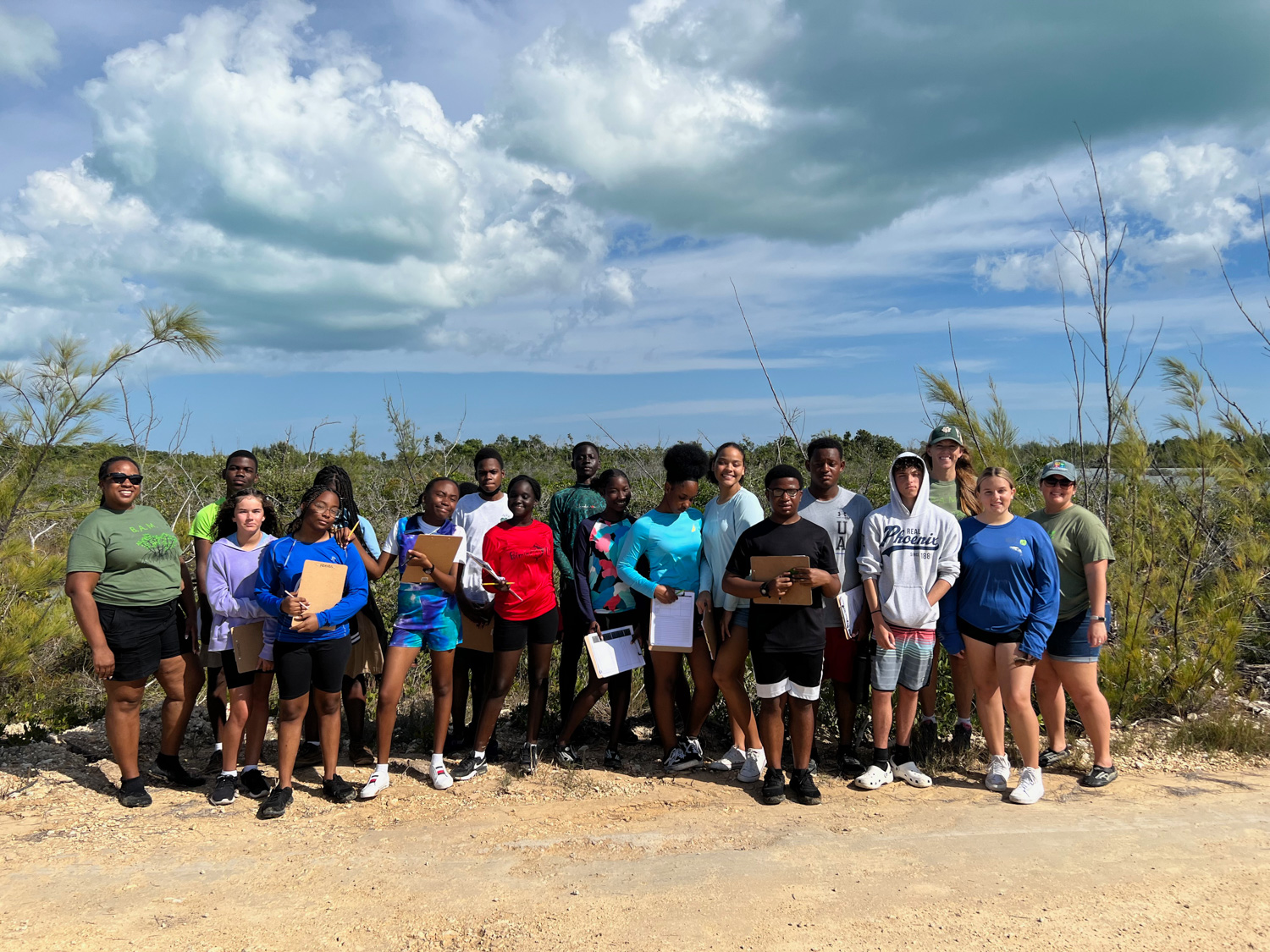
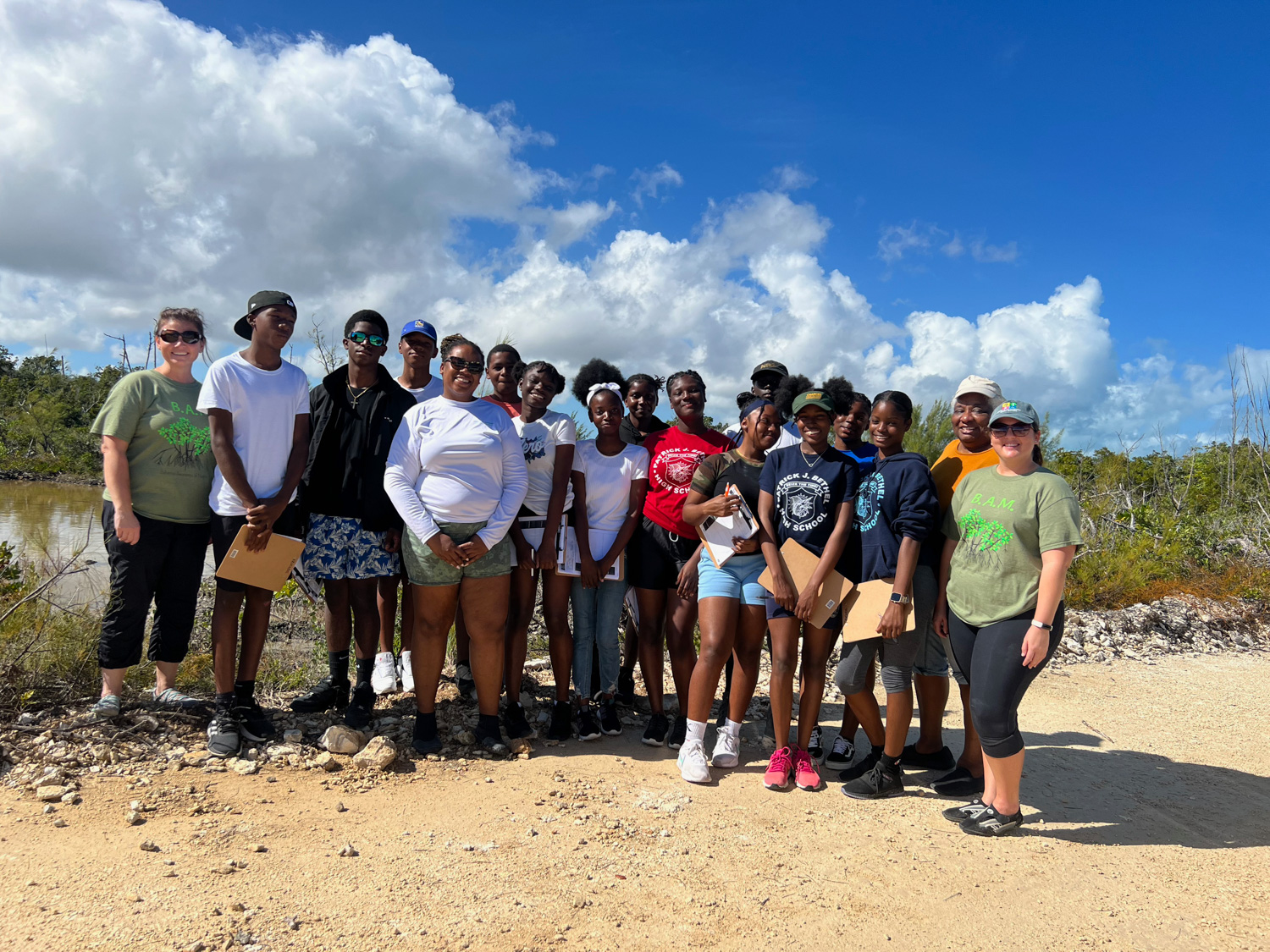
Teachers and students returned to in-person schooling in early 2022, most of them to newly renovated and repaired school facilities. Although interested in the B.A.M. program, the teachers were not sure if they should take it on given the many adjustments that students would encounter upon returning to the classroom after such a long absence. Thus, we decided to postpone the program in the 2022-2023 academic year.
Then, while implementing the first phase of J.A.M.I.N., our partners at Friends of the Environment reached out to say that the teachers decided that it would be beneficial to implement B.A.M. again, despite teacher shortages and residual infrastructure issues from the hurricane.
Although starting late, we agreed not to sacrifice the first phases’ lectures, field trip, and mangrove growth experiment; therefore, we decided to begin the B.A.M. program again in January and modified it to include components of both phase 1 and 2. Needless to say, it was a busy, but successful week.
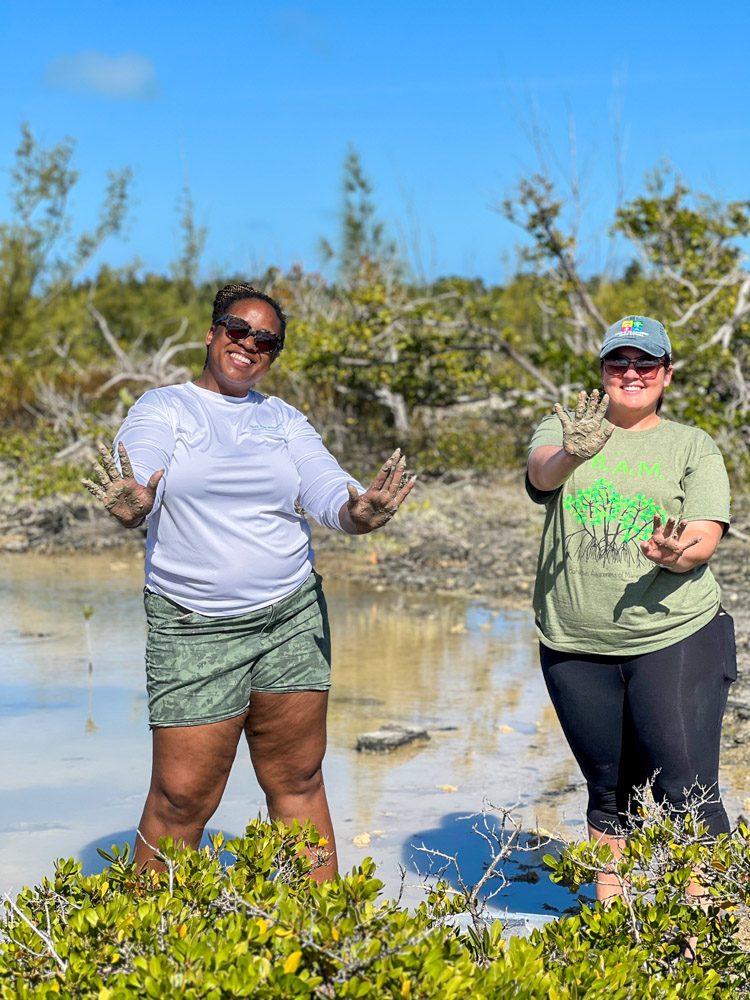
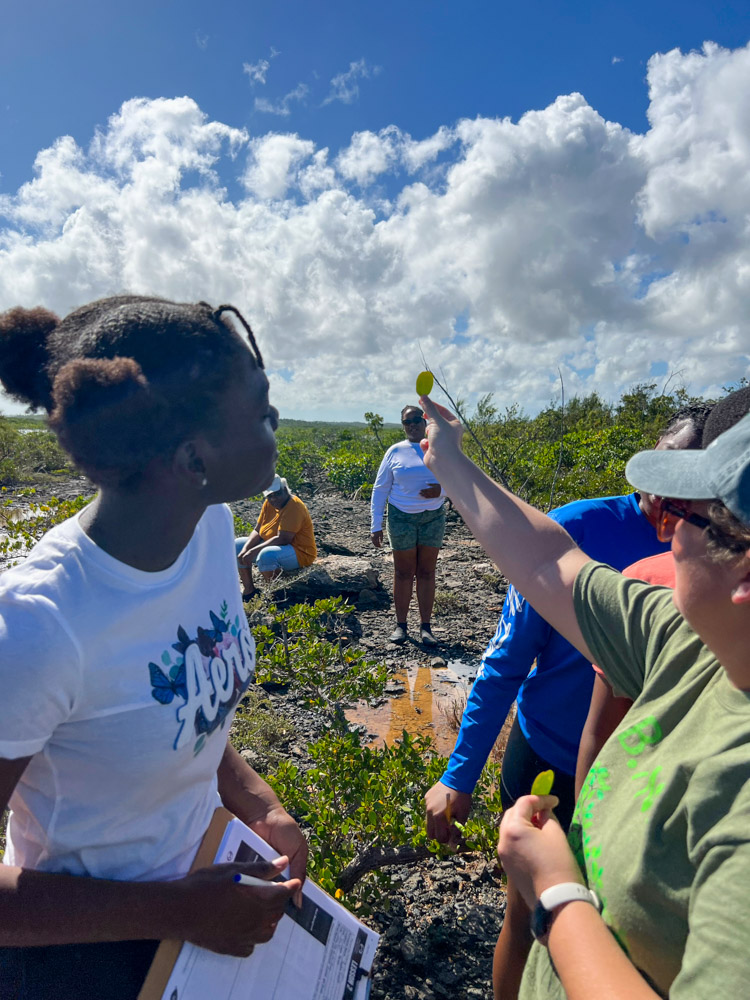
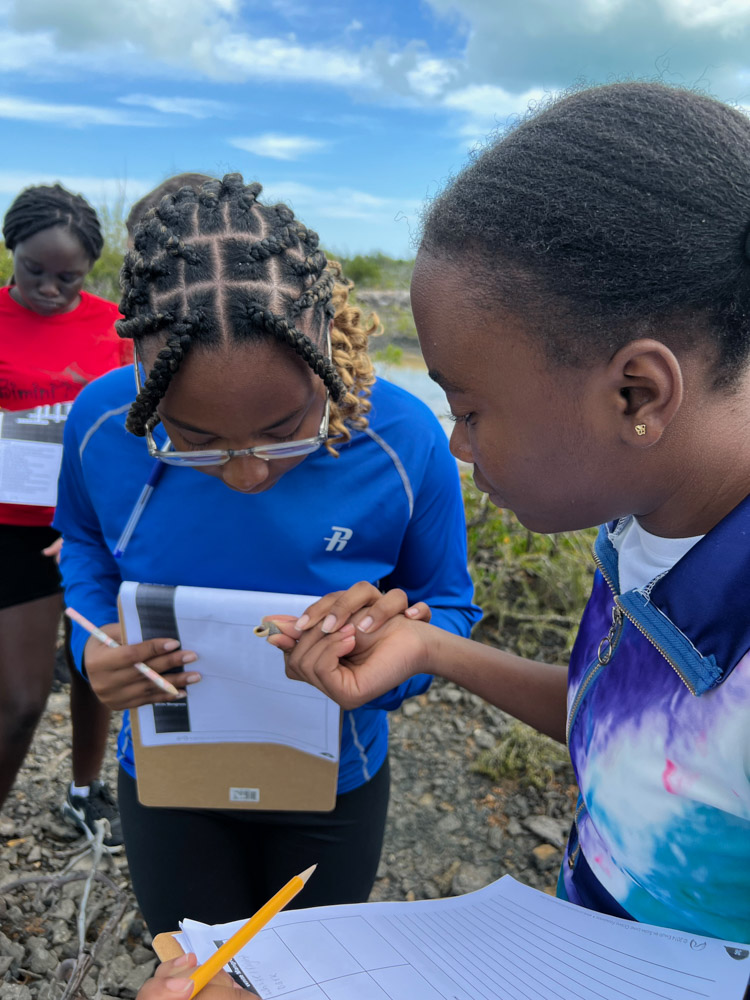
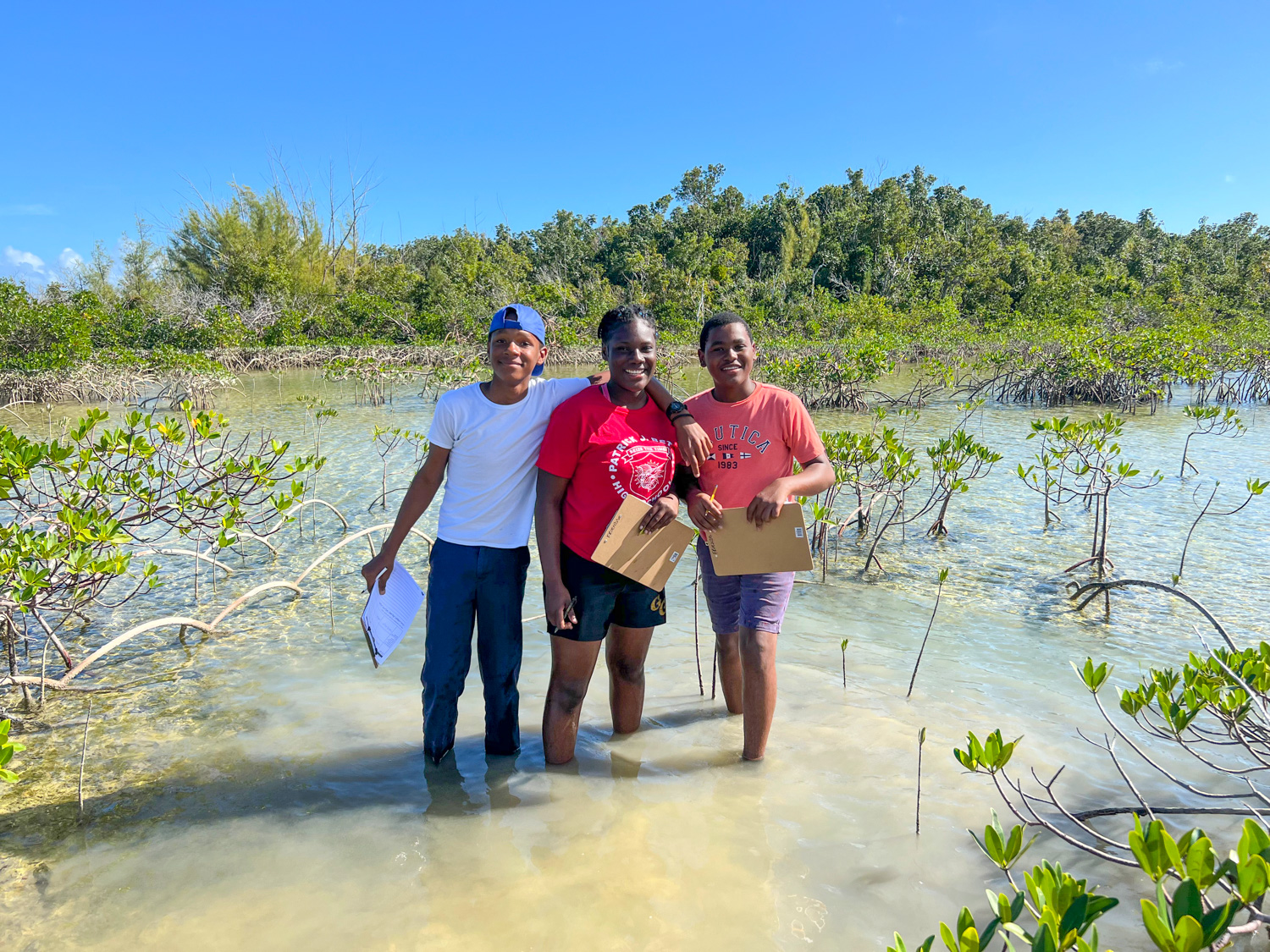
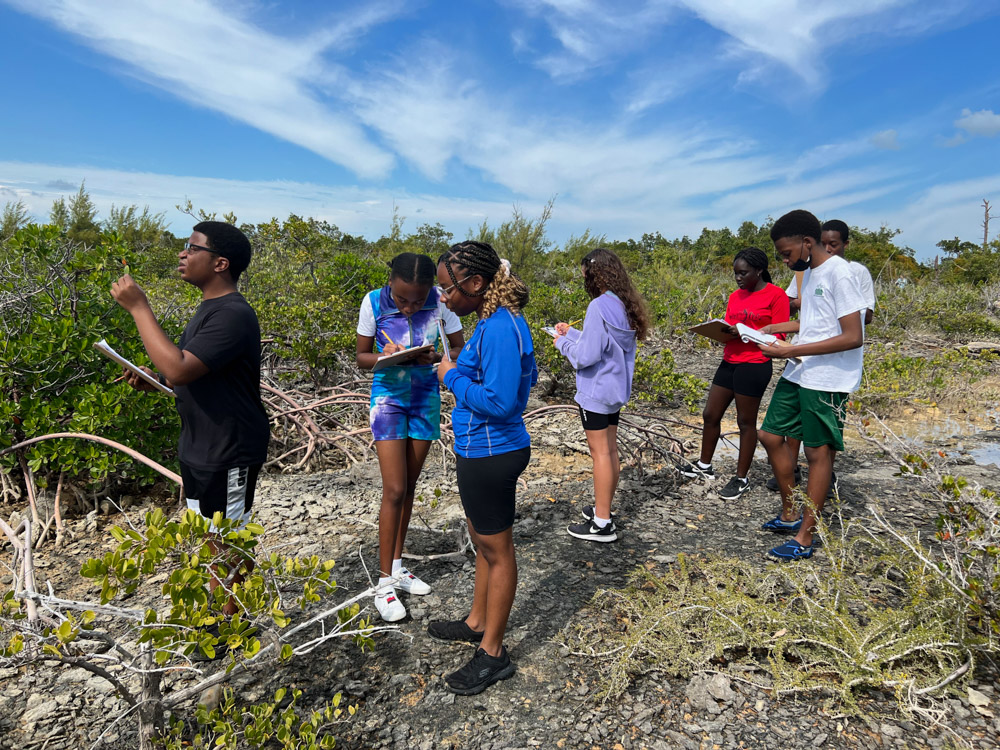
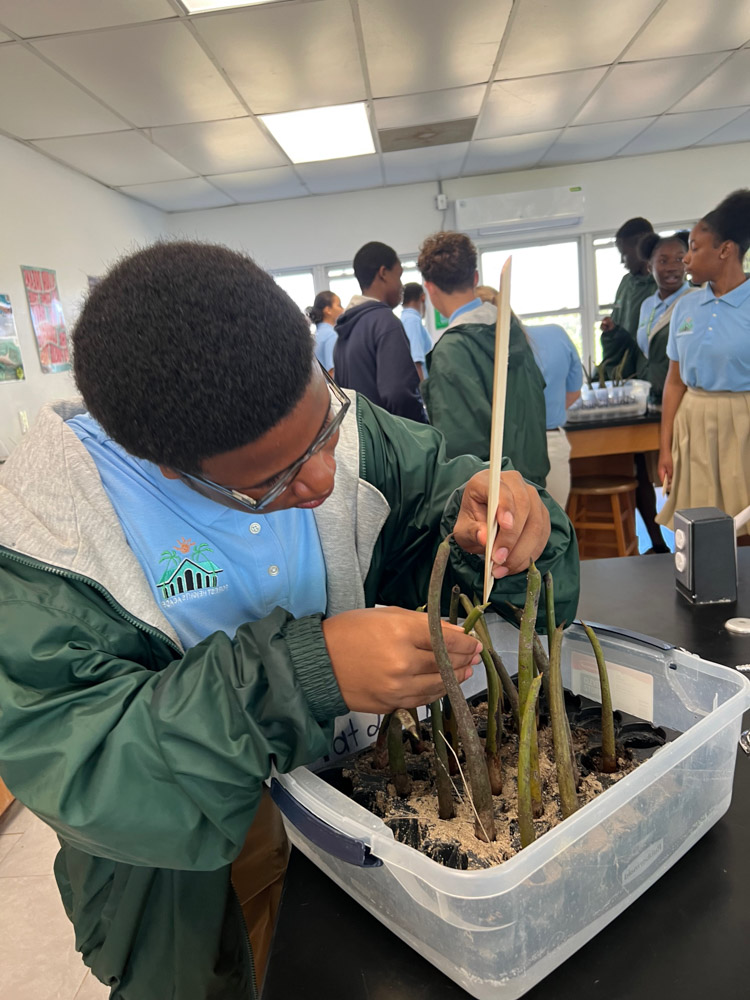
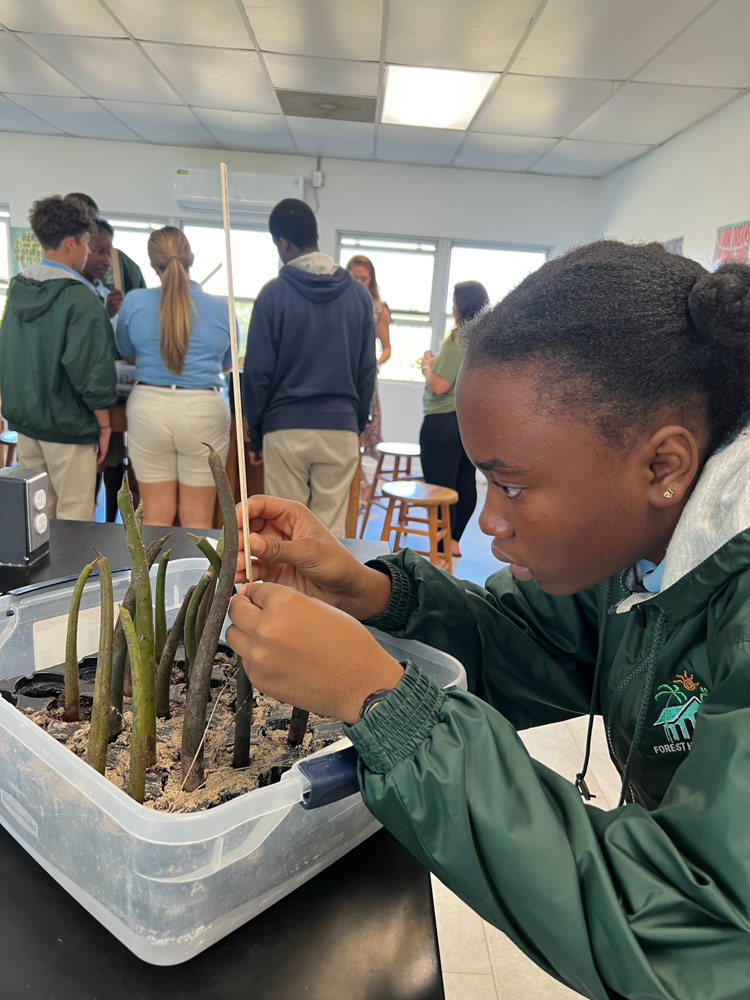
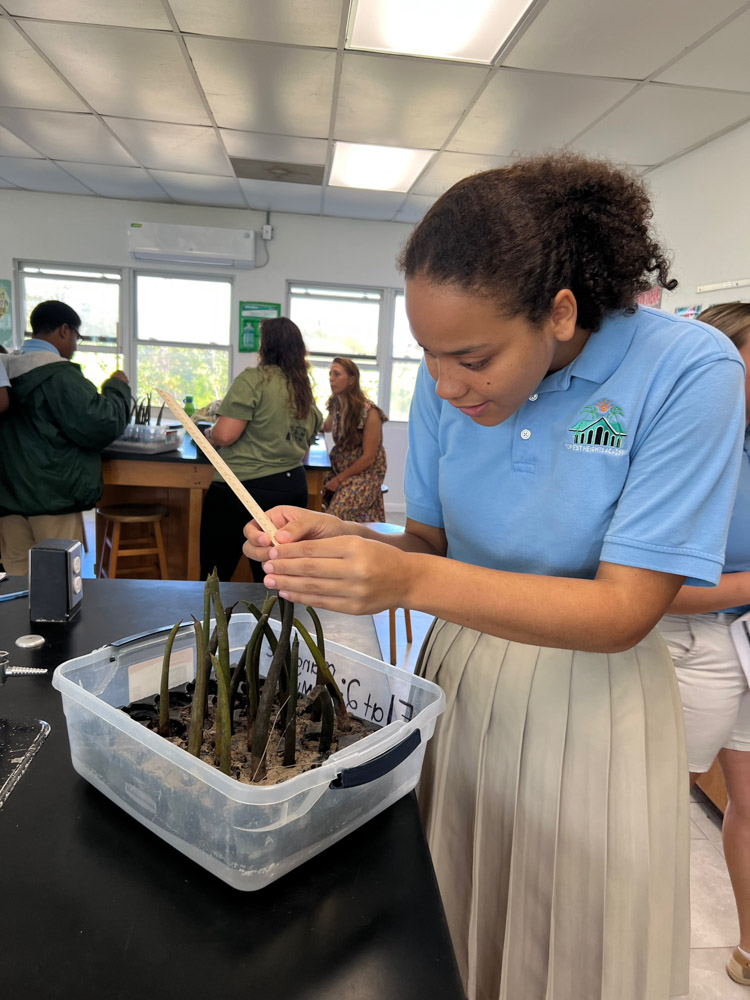
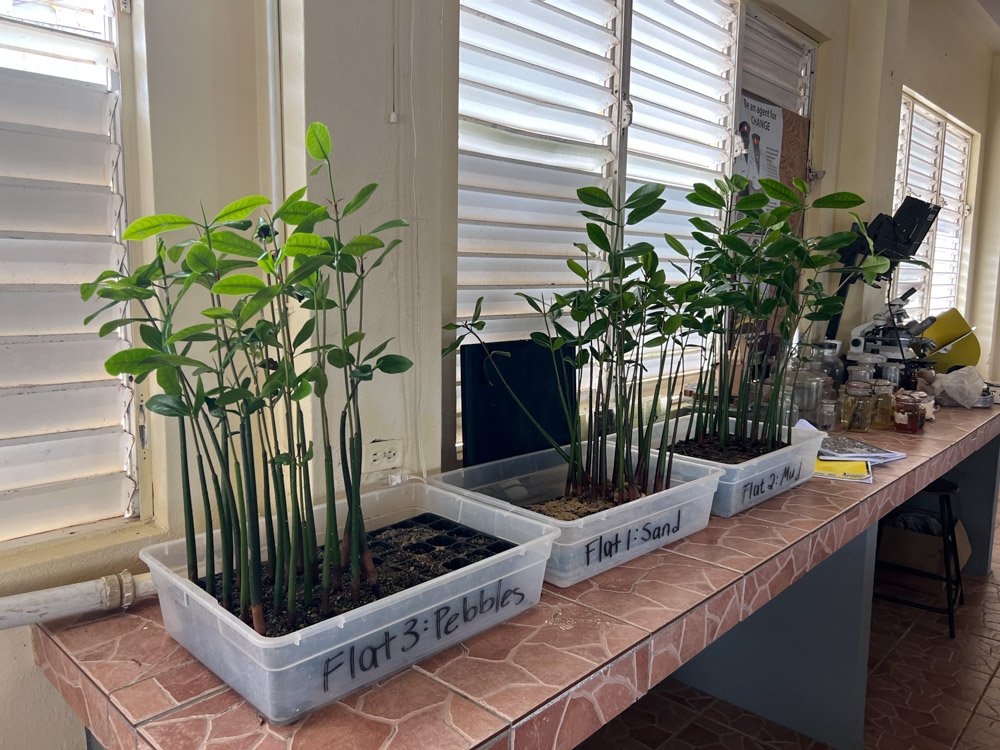
Students in the B.A.M. program planted their mangrove propagules (seedlings) for their growth experiment, while seedlings planted by J.A.M.I.N. students grew tall, even outgrowing the plant trays.
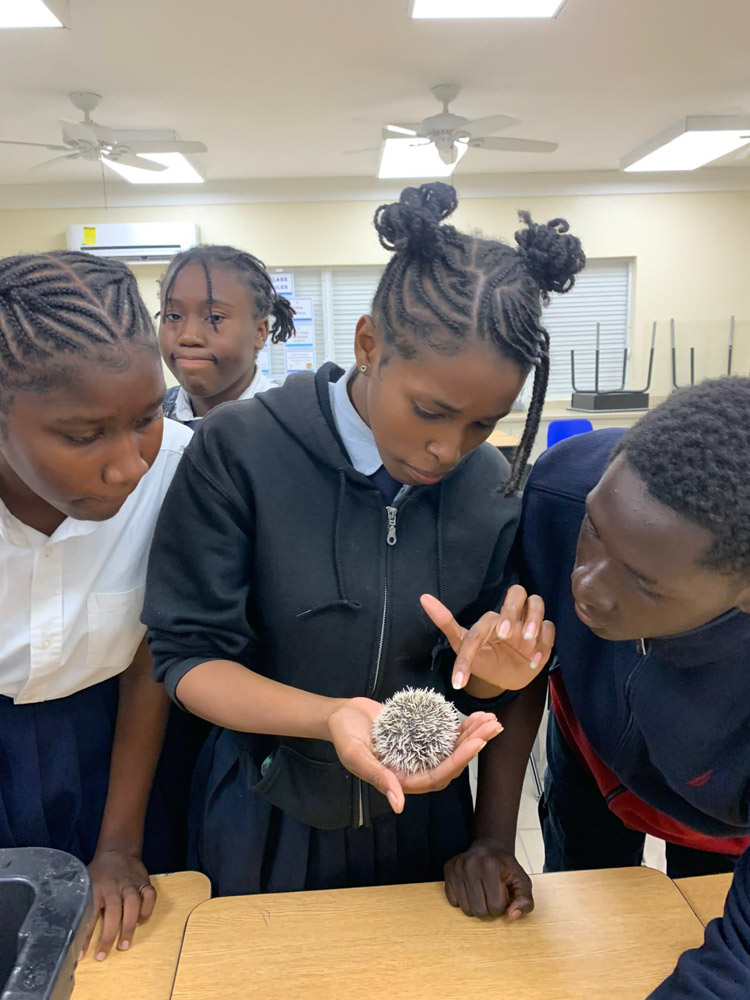
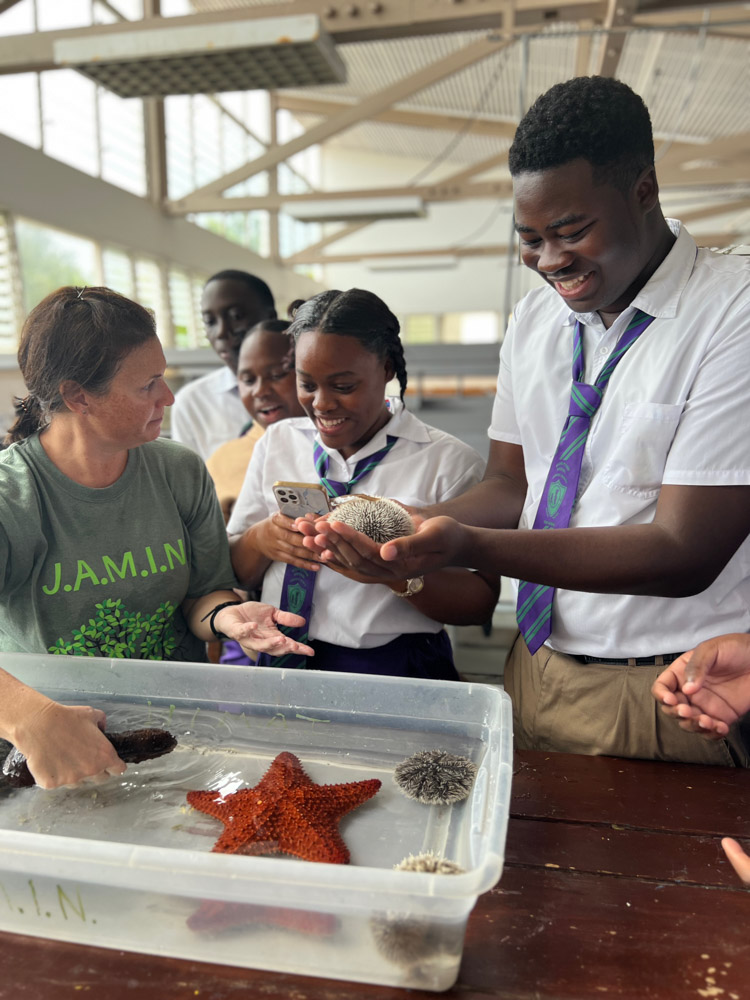
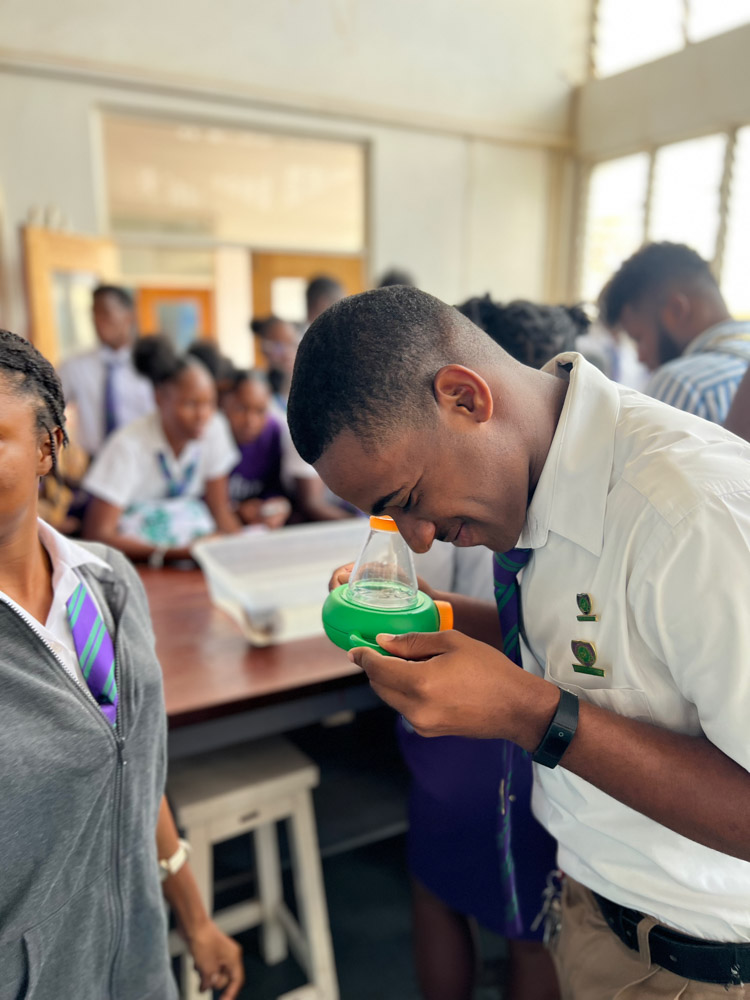
In the second phase of both programs, students learned about the mangrove food web. To reinforce ideas learned in lectures, students participated in a mangrove touch tank activity, where they received an up-close and personal experience observing, touching, and even holding some of these creatures. Ending the phase, students created a physical mangrove food web to understand the feeding strategies of these organisms.
As we continue our goal of providing hands-on experiential education to students, I am thrilled to see both programs fully operational again! With online learning becoming more prevalent, our B.A.M. and J.A.M.I.N. programs are now more important than ever in fostering interest in the natural world and creating the next generation of environmental stewards.