This week, the United Nations Climate Change Conference COP26 is taking place in Glasgow, United Kingdom. This conference will bring together world leaders so they can address global climate policy and action, and assess the progress made to address climate change that was promised in previous years. The decisions made at this meeting could have lasting consequences for marine ecosystems, such as coral reefs, that are particularly sensitive to climate change.
The primary goals of COP26 are to secure global net-zero carbon emissions by mid-century and to adapt policies to protect communities and natural habitats. Net-zero carbon emissions does not mean no carbon will be released, but that any carbon emitted will be offset by other actions taken to remove it from the atmosphere.
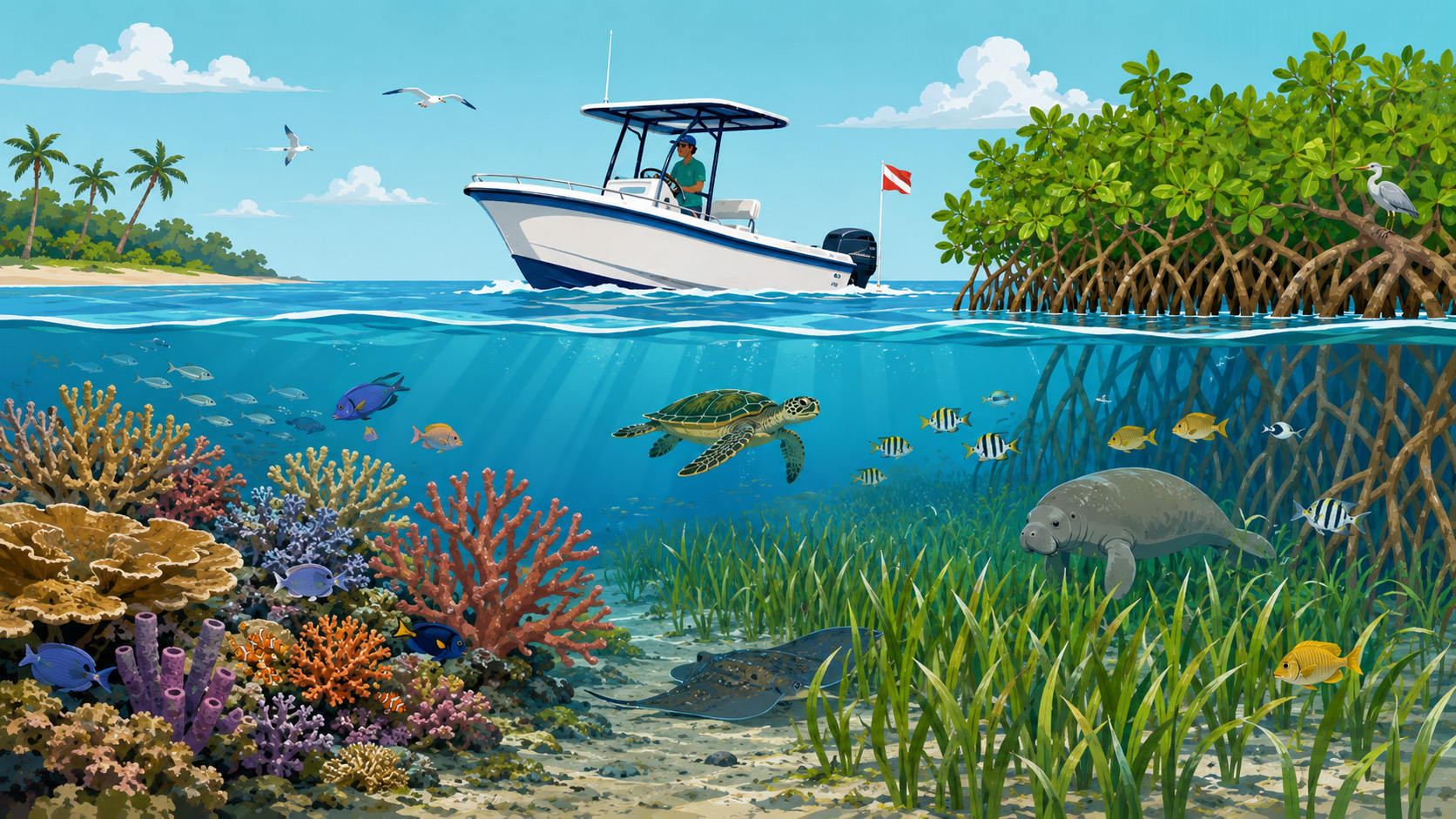
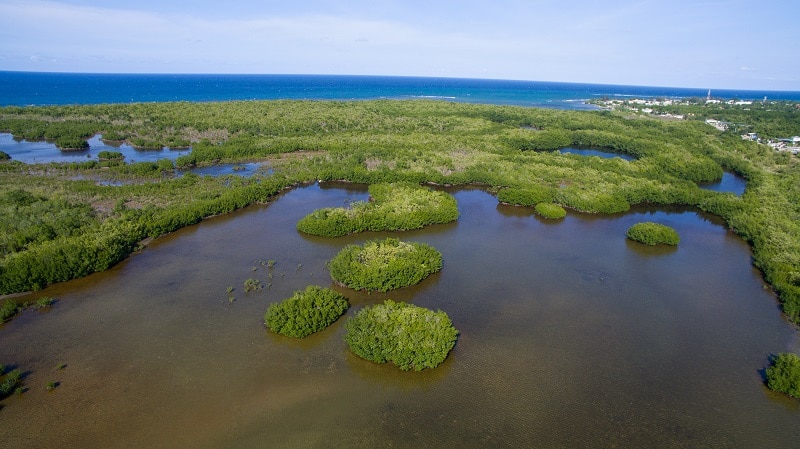
Certain coastal marine ecosystems, such as mangrove forests, seagrass beds, and salt marshes, are particularly good at sequestering carbon by pulling it out of the air and storing it underground. Protecting and restoring these ecosystems (as we do in our Mangrove Education & Restoration Program) can not only conserve the marine environment, it can also help combat climate change. These ecosystems can also help coastal communities naturally adapt to other impacts of climate change by protecting the coast from storms, reducing erosion, and helping the shoreline keep up with sea level rise.
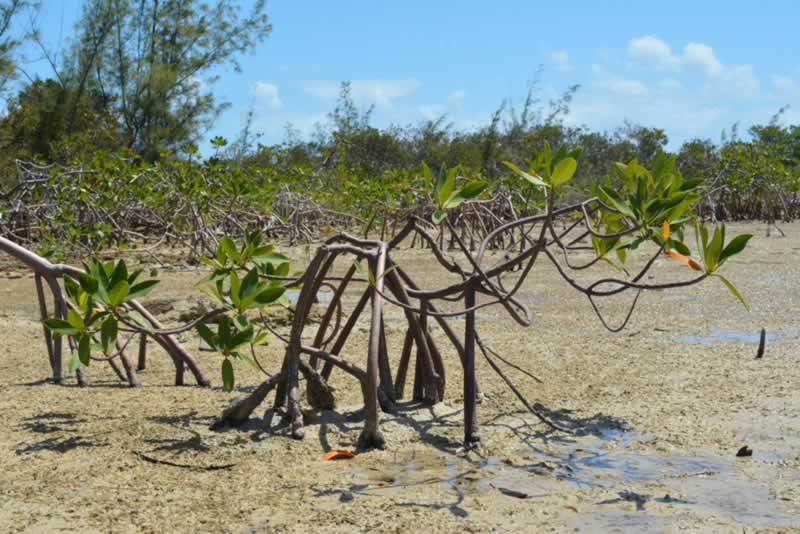
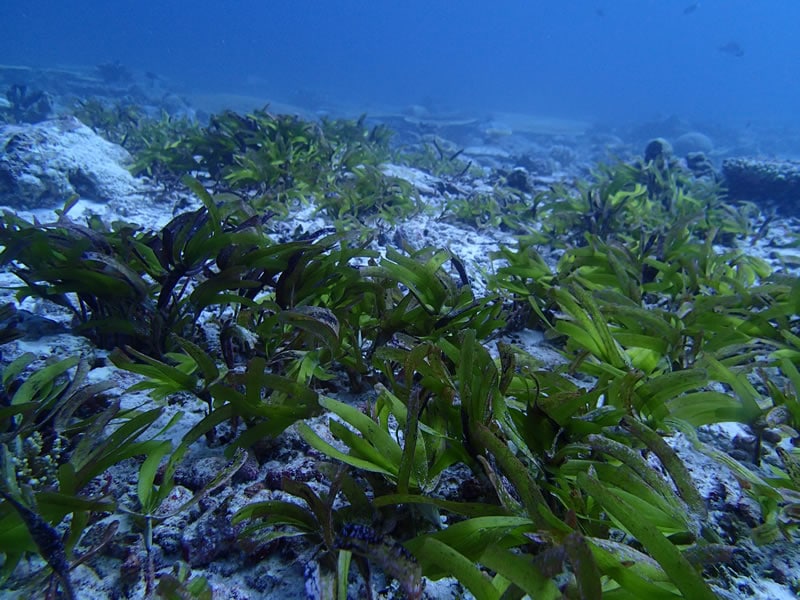
The world’s ocean serves as a major carbon and heat sink, and because of this, it also experiences some of the most impactful challenges from climate change. These impacts are felt in every marine ecosystem and include regional warming, coral bleaching, more acidic pH levels (ocean acidification), sea level rise, coastal inundation, coastal erosion, harmful algal blooms, dead zones, new and expanding marine diseases, shifts in species ranges, loss of species, shifts in precipitation, and overall fishery declines, among others.
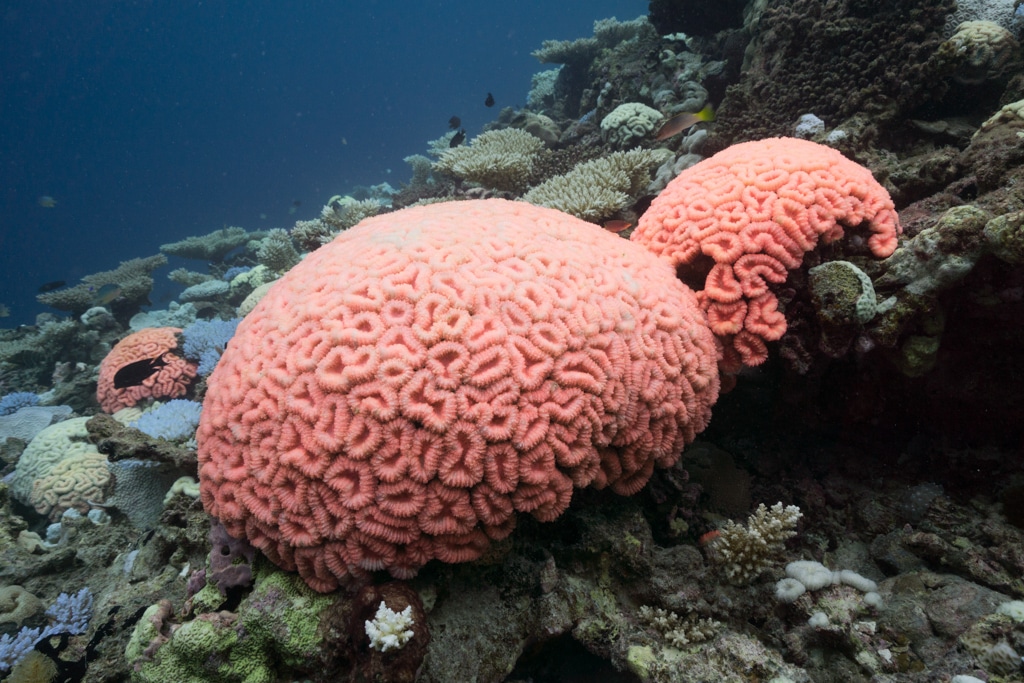
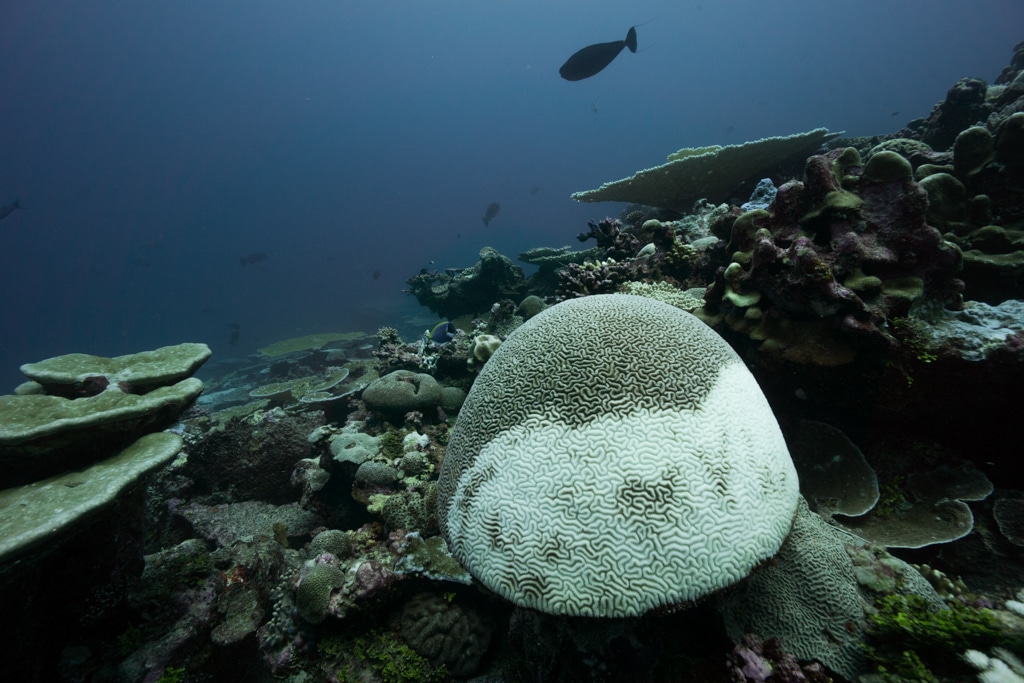
Meetings such as COP26 are important for world leaders from both developed and developing countries to participate in. Climate and policy experts provide them with critical insight into the projected conditions we may experience if changes are not implemented.
Of the 195 counties in the world, 146 border the ocean and it is estimated three billion people rely on the ocean for their livelihoods, with a vast majority residing in developing countries. Conserving marine habitats from climate change by achieving net zero emissions will help preserve the livelihoods of billions of people around the world and reduce the severity of the expected changes such as drought, storm impacts, and sea level rise. Setting a goal for net-zero carbon emissions by 2050 will help keep climate warming to close to 1.5°C and, if successful, we can avoid the most catastrophic changes expected to be faced around the globe.