The Khaled bin Sultan Living Oceans Foundation conducted two coral reef research missions in the Chagos Archipelago as components of our Global Reef Expedition. Between March and May of 2015 the Living Oceans Foundation and a team of international scientists assessed the status of coral reefs and coral reef species within 12 large areas in the Chagos Archipelago. The Chagos Archipelago is hailed by coral reef scientists as one of the last untouched coral habitats in the Indian Ocean with incredible live coral cover and species diversity. But perhaps what rivaled the lush coral landscape was the thriving reef fish communities.
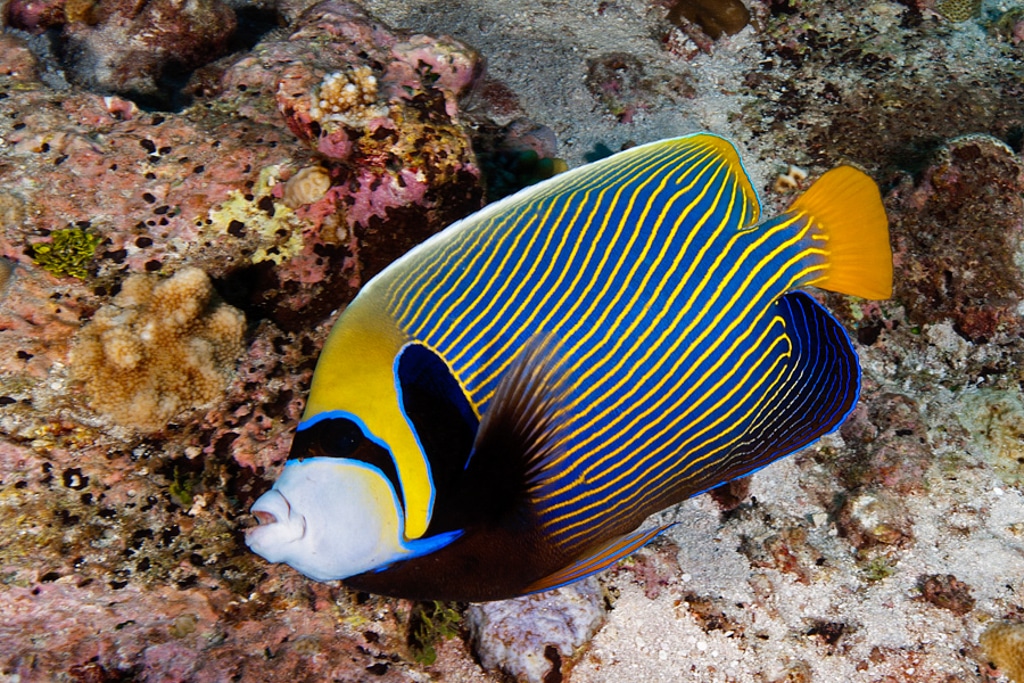
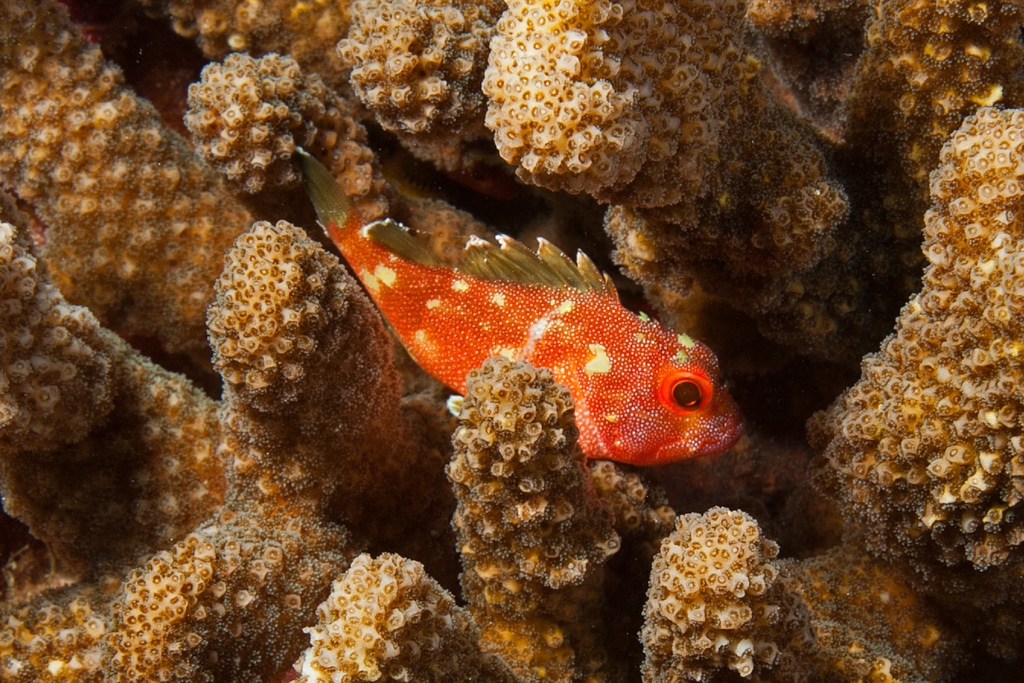
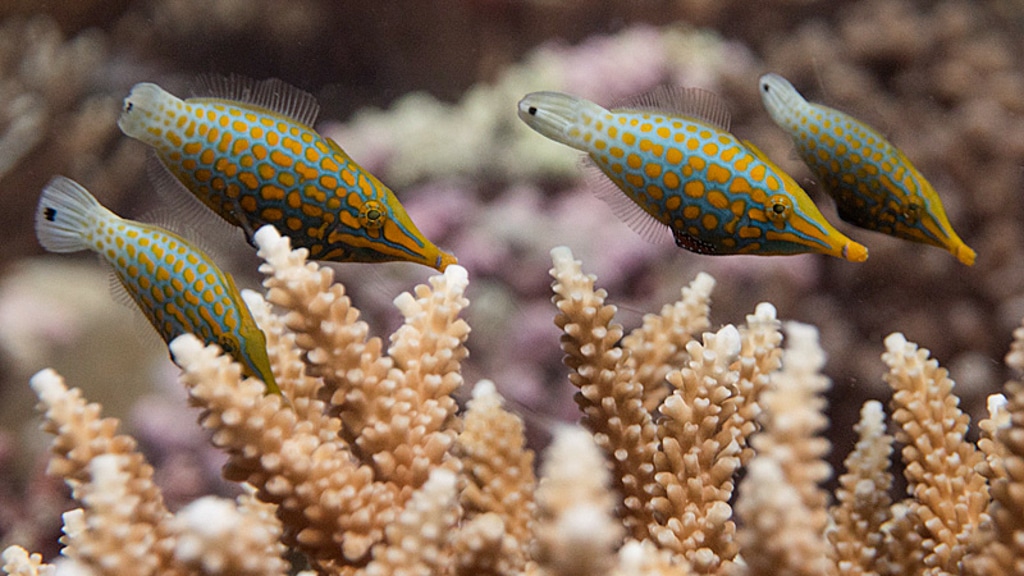
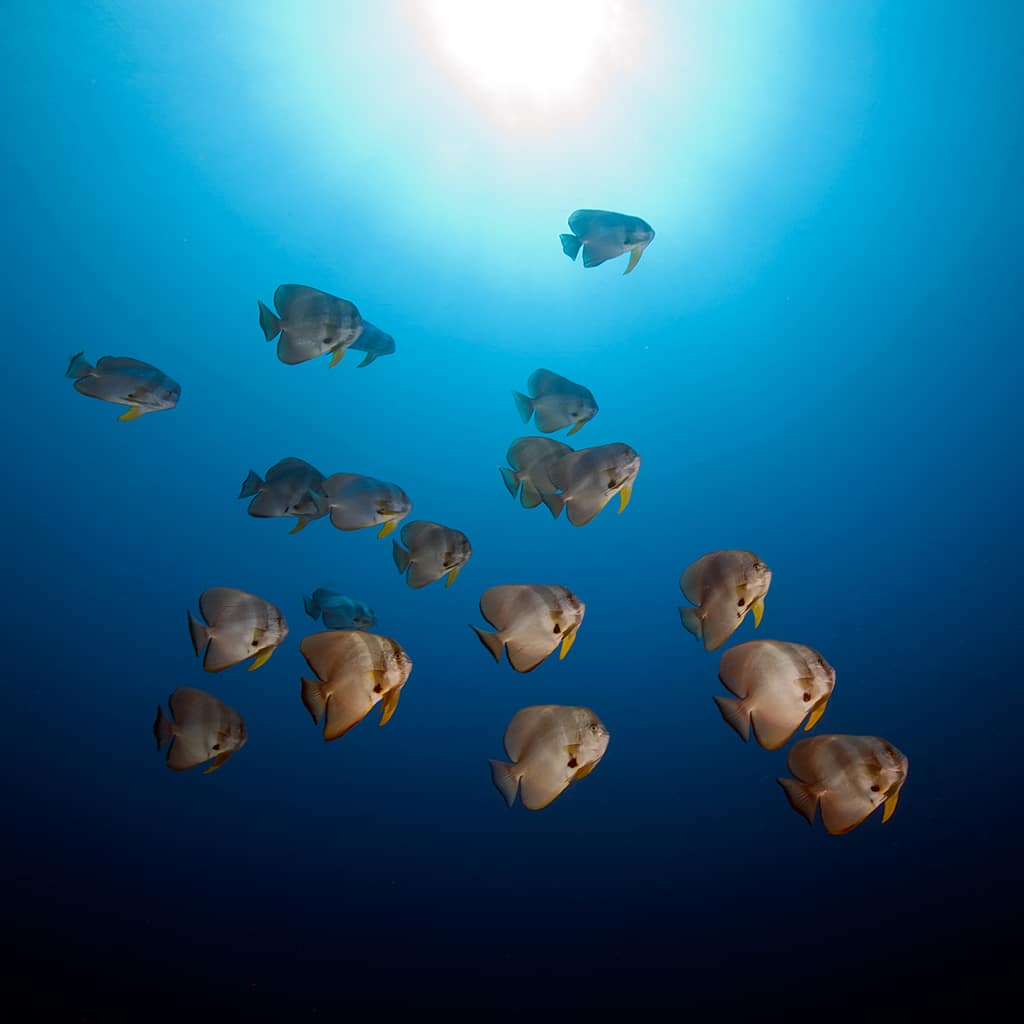
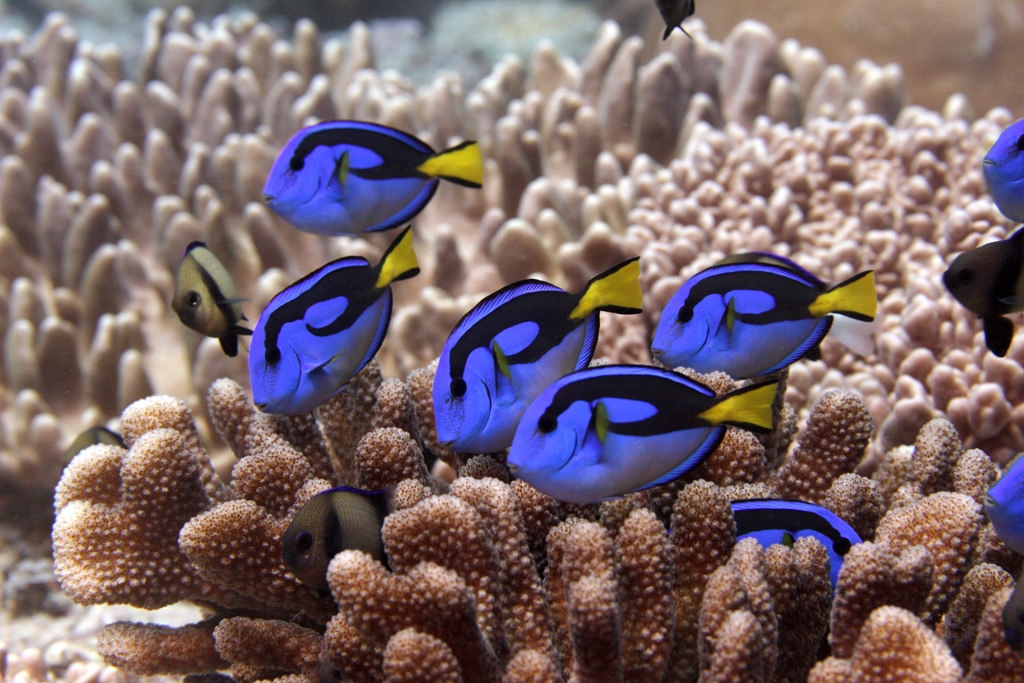
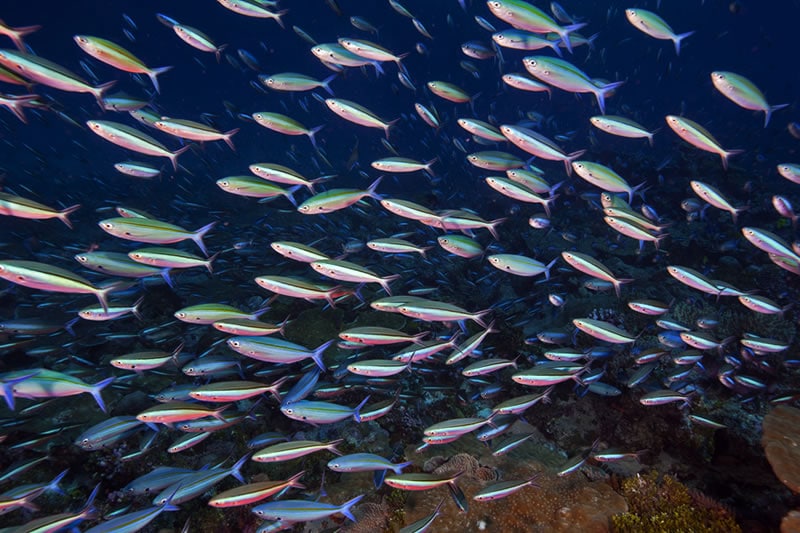
The Chagos Archipelago was teeming with schools of jacks, snappers, and other species of reef fish. Around 320 species of fish were recorded during the Chagos Archipelago mission including both large-bodied fish like groupers and smaller reef-associated fish like butterflyfish, wrasses, damselfish. Six species of sharks were also recorded, with the tawny nurse shark being the most commonly observed, with both large pregnant females and juveniles recorded. Scientists even had a few sightings of whale sharks, the largest fish in the sea, which were seen cruising in the shallow fringing reefs. Five ray species were also reported included large manta rays and eagle rays that would be found on the deeper sloping fore reefs.
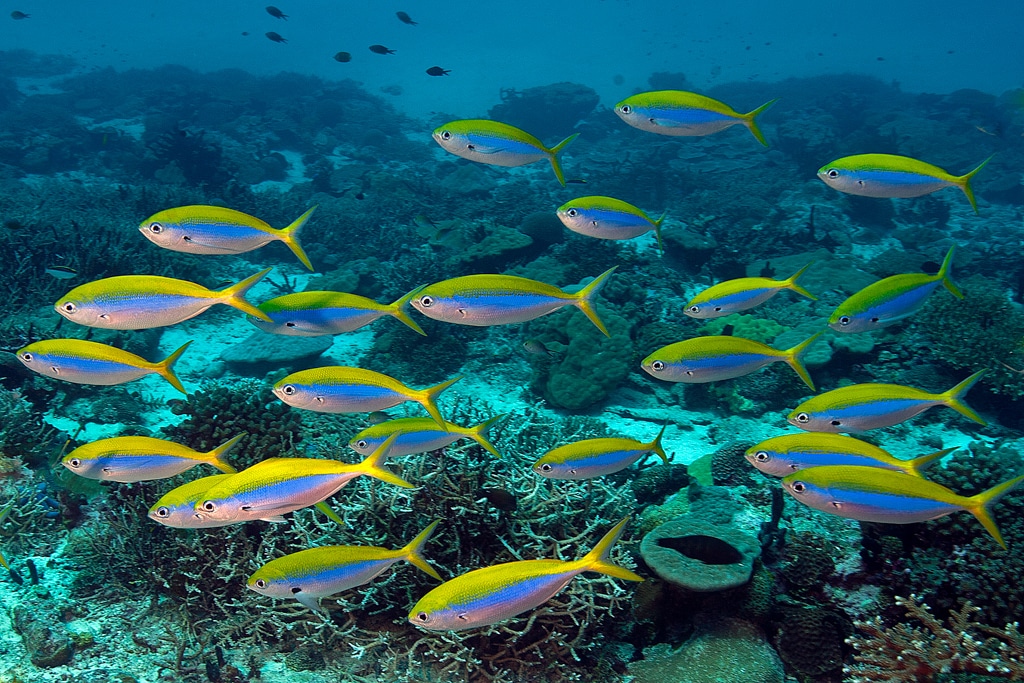
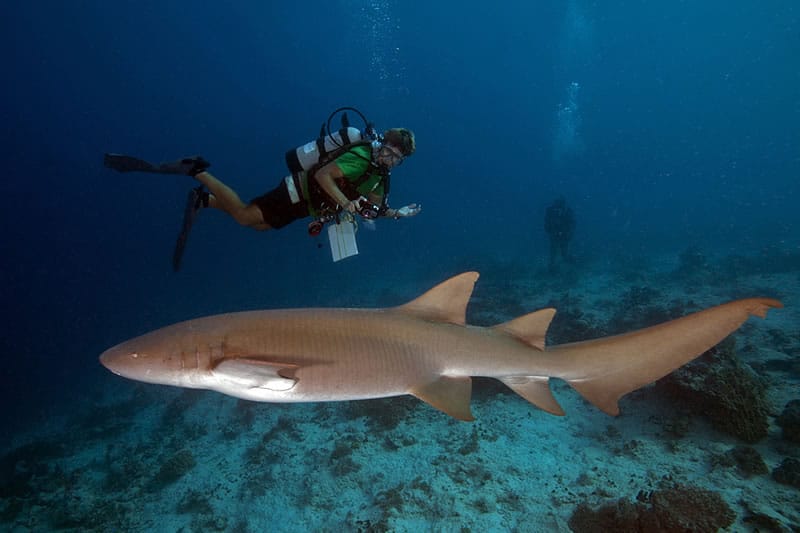
While the diversity of fish was impressive, it paled in comparison to the shear biomass of fish recorded. The high biomass appears to be due mostly to large-bodied fishes – especially top predators. These species are reported to be much less common in the rest of the Indian Ocean, as they are highly vulnerable to fishing pressure.
Out of all the sites we surveyed during the Global Reef Expedition, the importance and protection of the marine protected area of the Chagos Archipelago is unmatched. The changing global environment, where anthropogenic stressors from climate change are predicted to increase, the Chagos Archipelago may be one of the last ‘pristine’ coral reefs of the Indian Ocean. Coral and reef fish communities that have faced exceptional declines elsewhere still remain robust in the Chagos Archipelago. As a source for threatened species and biodiversity, it is critical that these reefs continue to be protected.

Learn More
Learn more about the Living Ocean Foundation’s findings on the status of coral reef fish in the Chagos Archipelago in our latest Global Reef Expedition Final Report.