April 2025 marks the end of an exciting milestone: a full decade of J.A.M.I.N. (Jamaica Awareness of Mangroves In Nature)! That’s 10 years of students getting their feet muddy, their minds curious, and their hands deep in the science of mangrove restoration. Our sister program, B.A.M. (Bahamas Awareness of Mangroves), isn’t far behind; its 10-year celebration is just around the corner in the 2025-2026 academic year.
We’ve officially entered Phase 3 of this year’s J.A.M.I.N. and B.A.M. programs, and it’s the most exciting part. For the past eight months, students have been asking the question: What type of soil is best for mangrove growth—mud, sand, or pebbles?
Armed with hypotheses and trays full of mangrove propagules, students have been nurturing and growing mangroves in different media (soil types). Now, it’s time to analyze that data and see where the science leads us. They’re graphing their findings, comparing growth patterns, and, just like real scientists, using evidence to test whether their predictions hold up.
But we don’t stop in the lab.
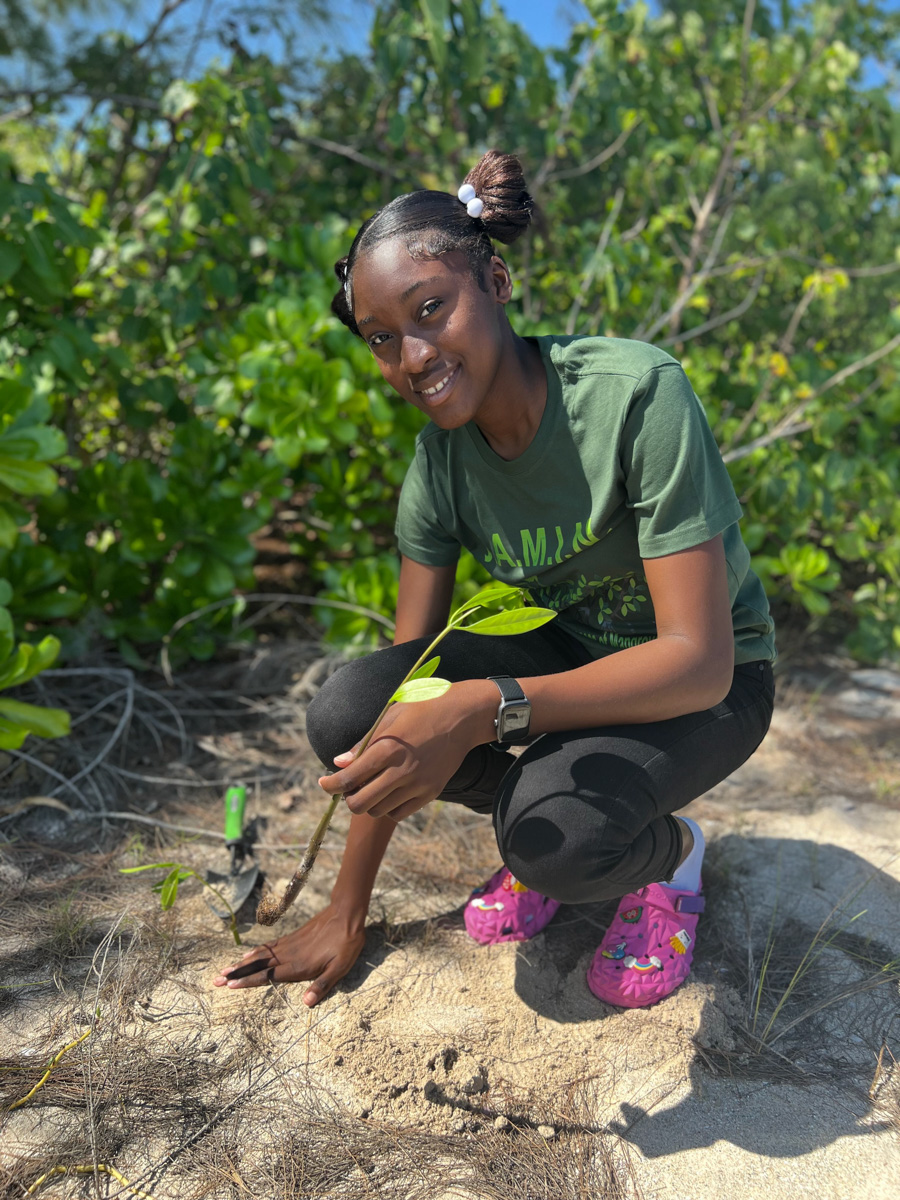
After the data crunching comes the real-world action: students take their mangrove seedlings to local ecosystems and plant them, becoming part of a living restoration effort. This is more than just a science project—it’s a legacy. One that has spanned 10 years, involved thousands of students, thousands of mangrove seedlings, and helped restore vital coastal habitats across the Caribbean.
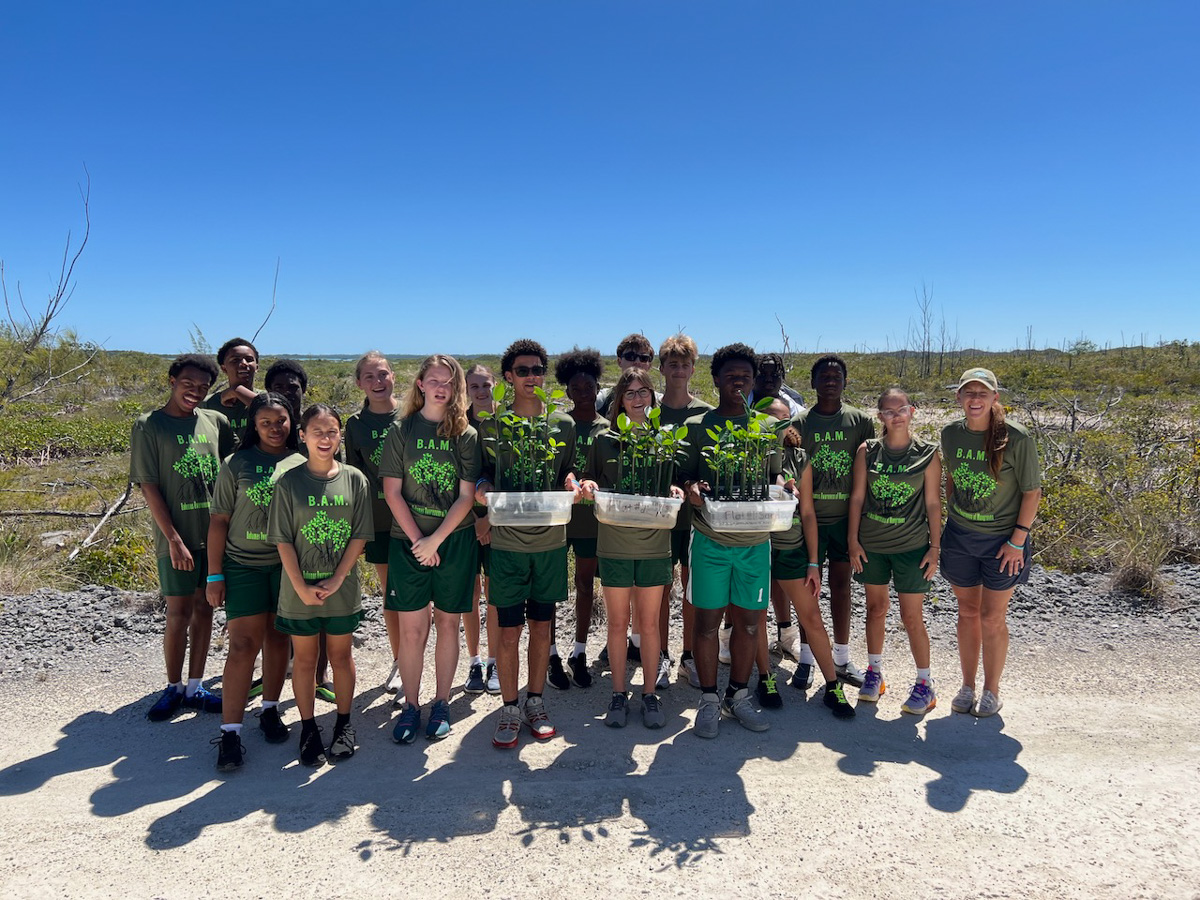
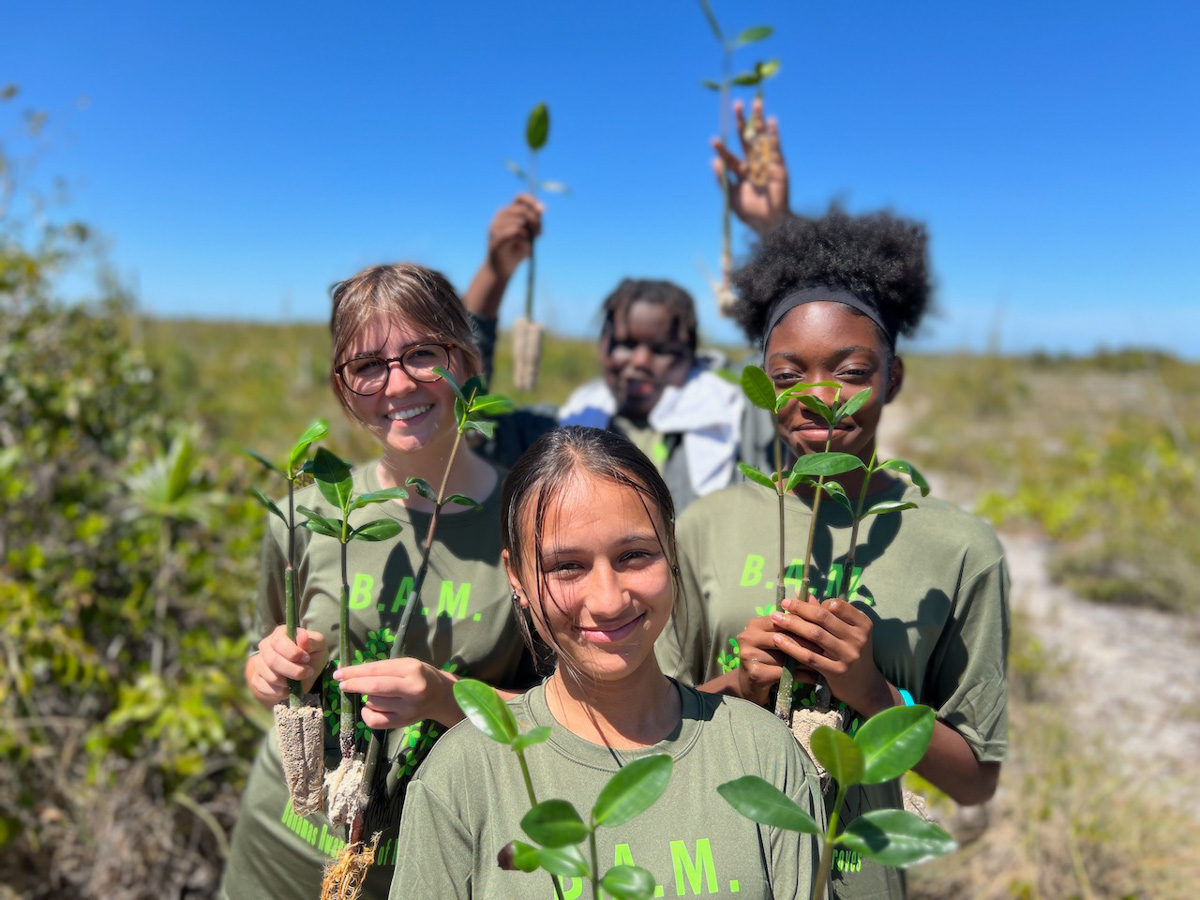
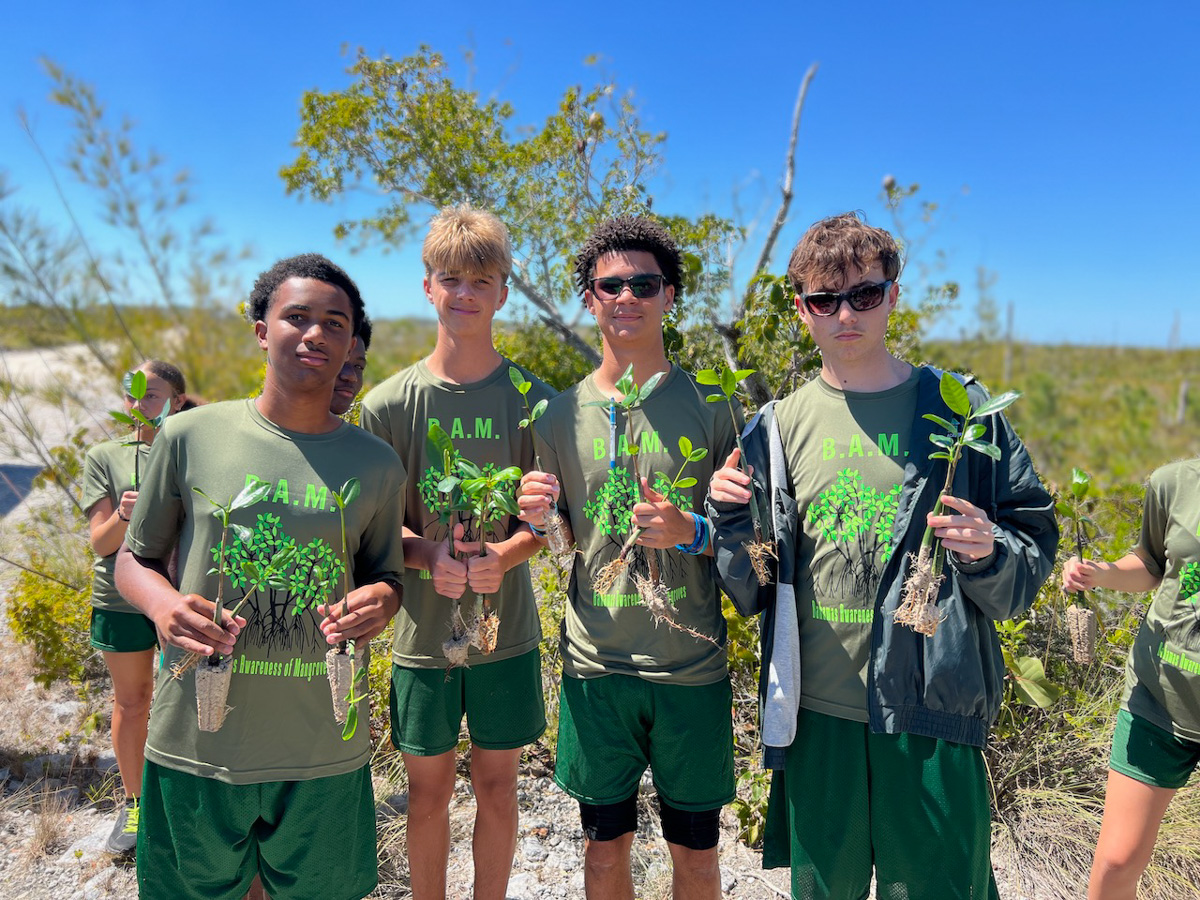
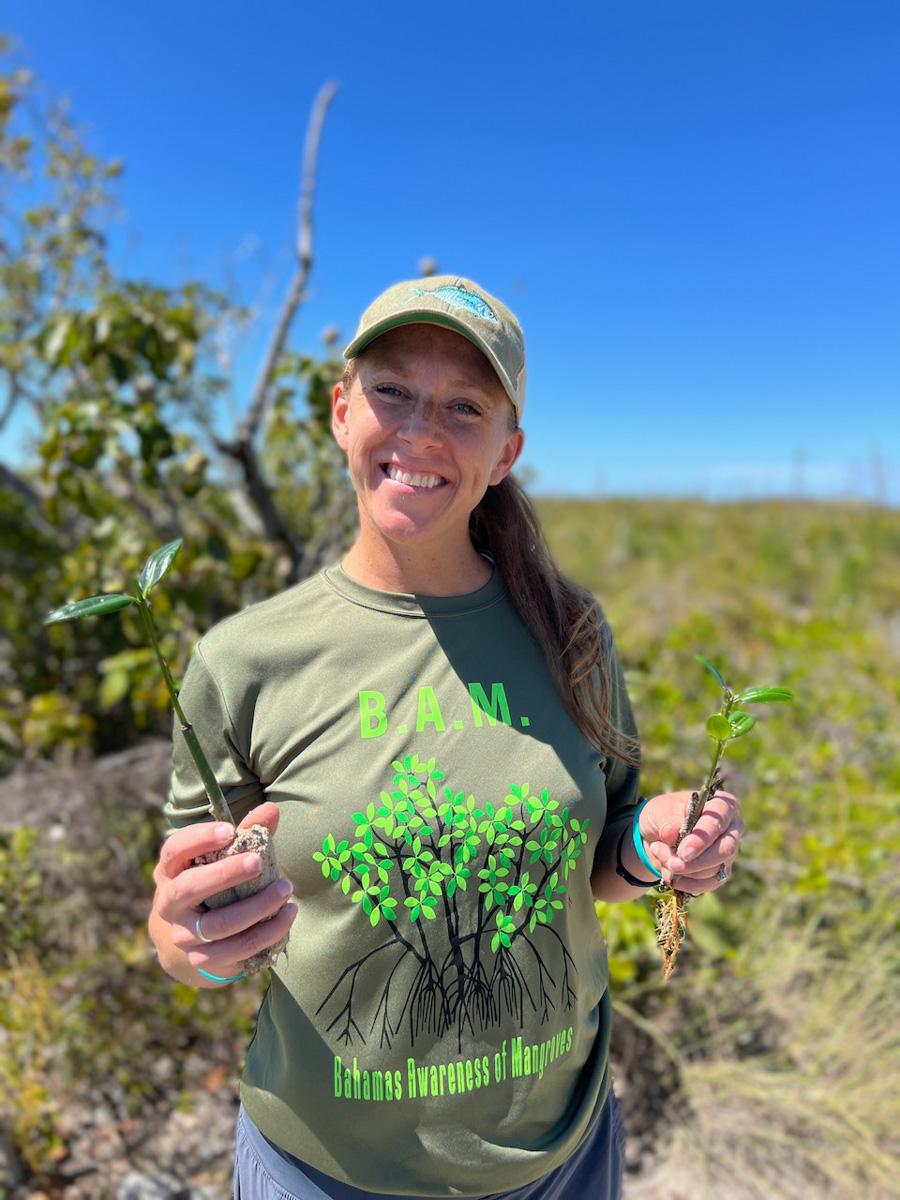
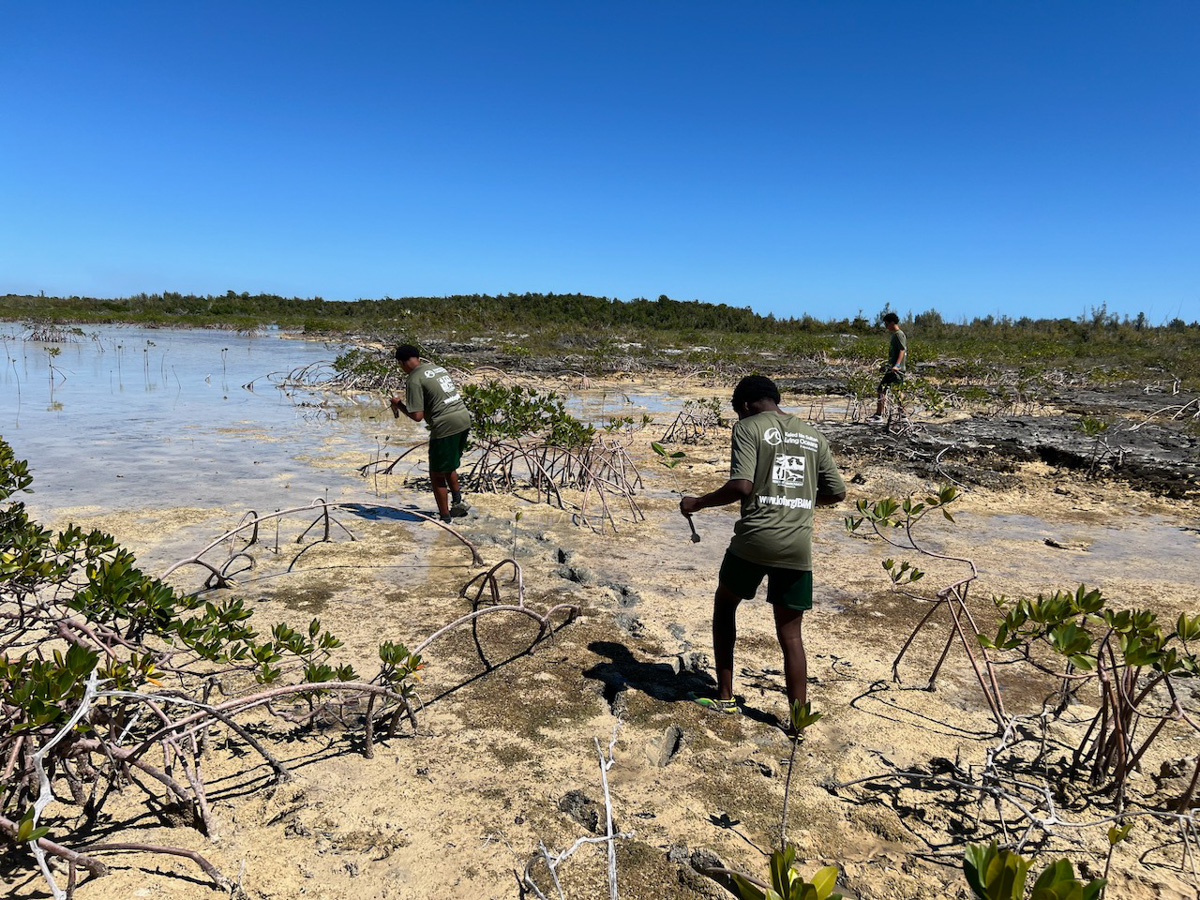
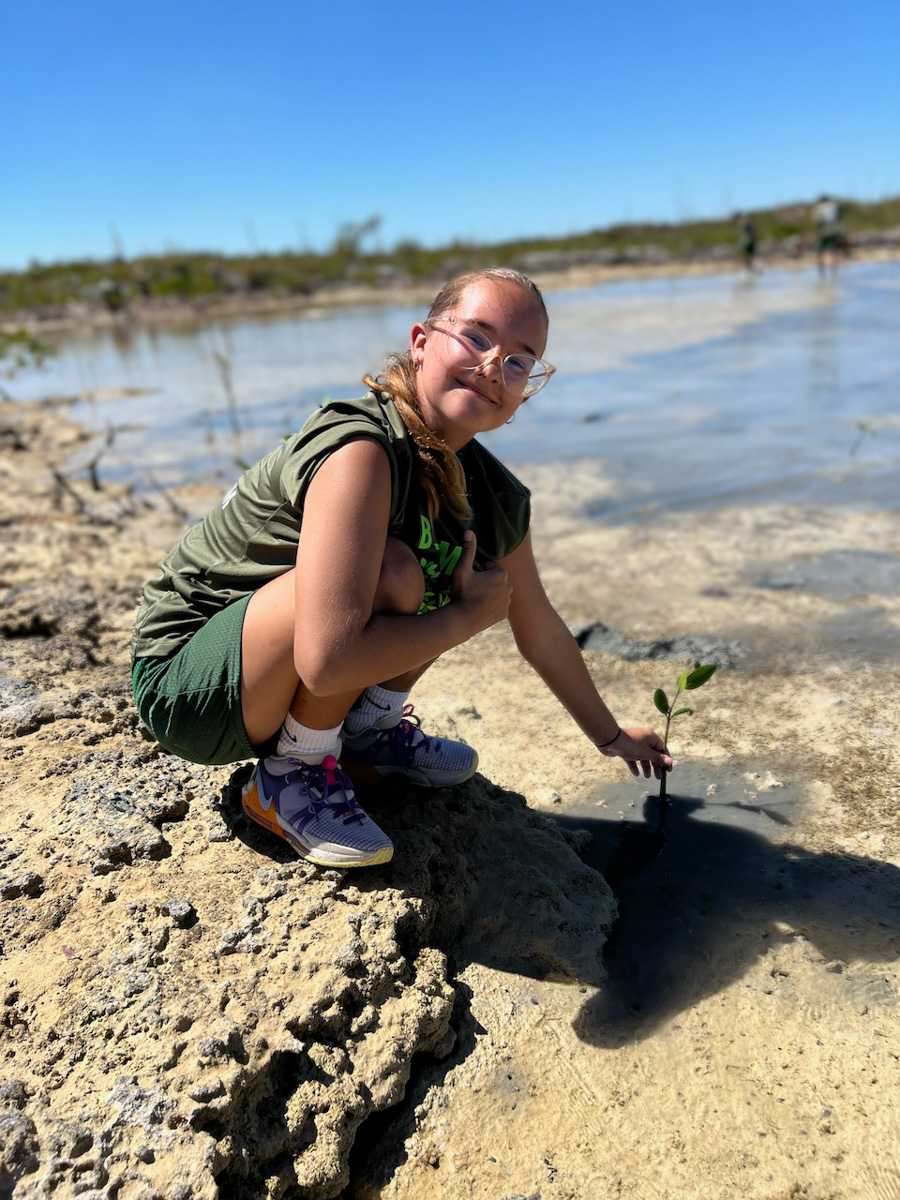
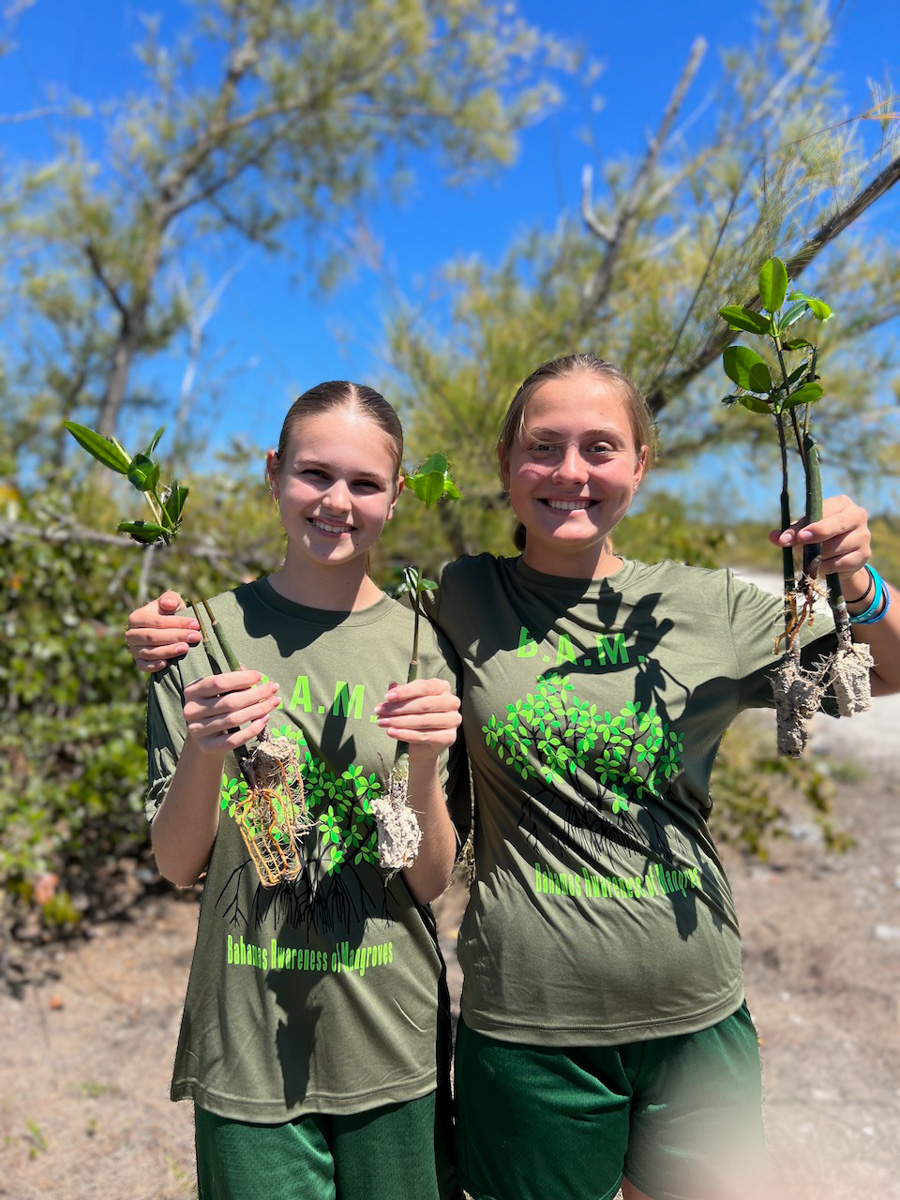
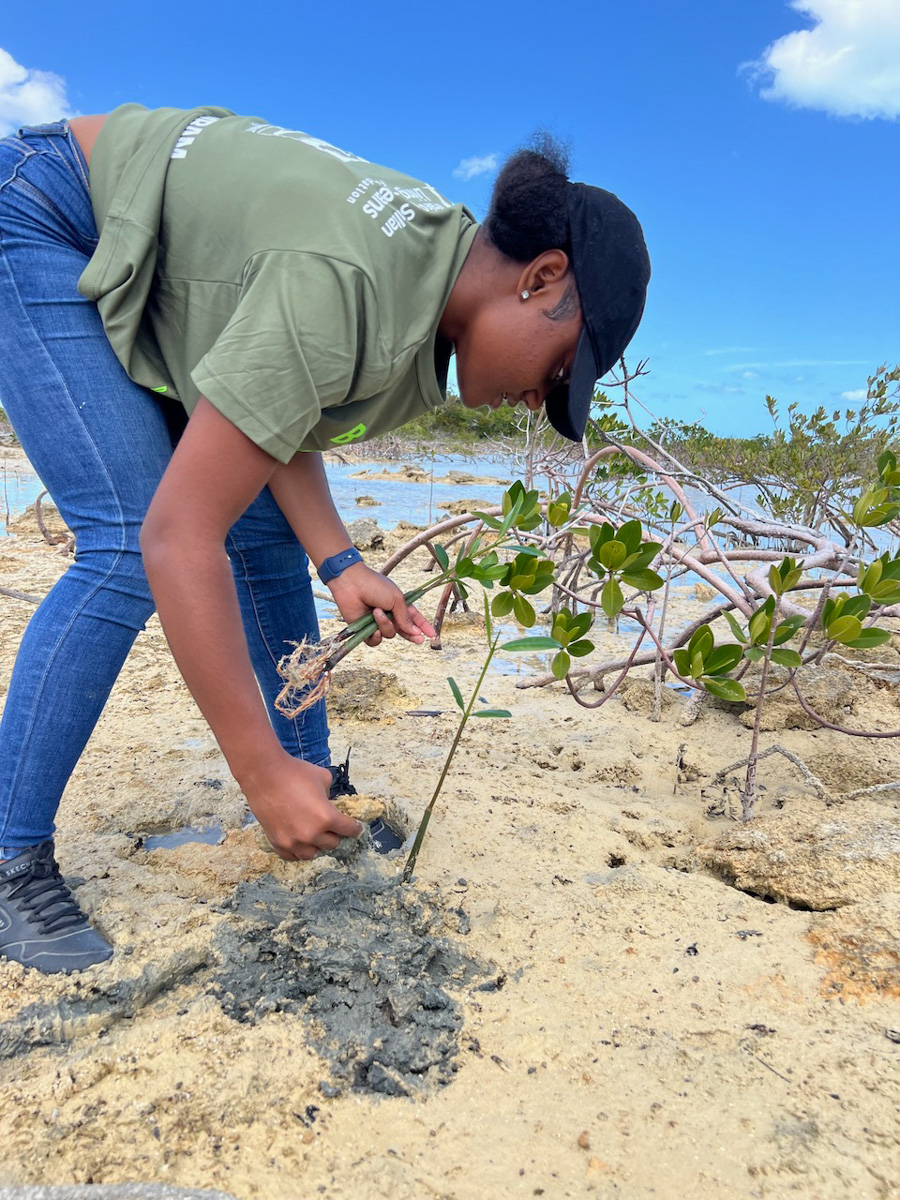
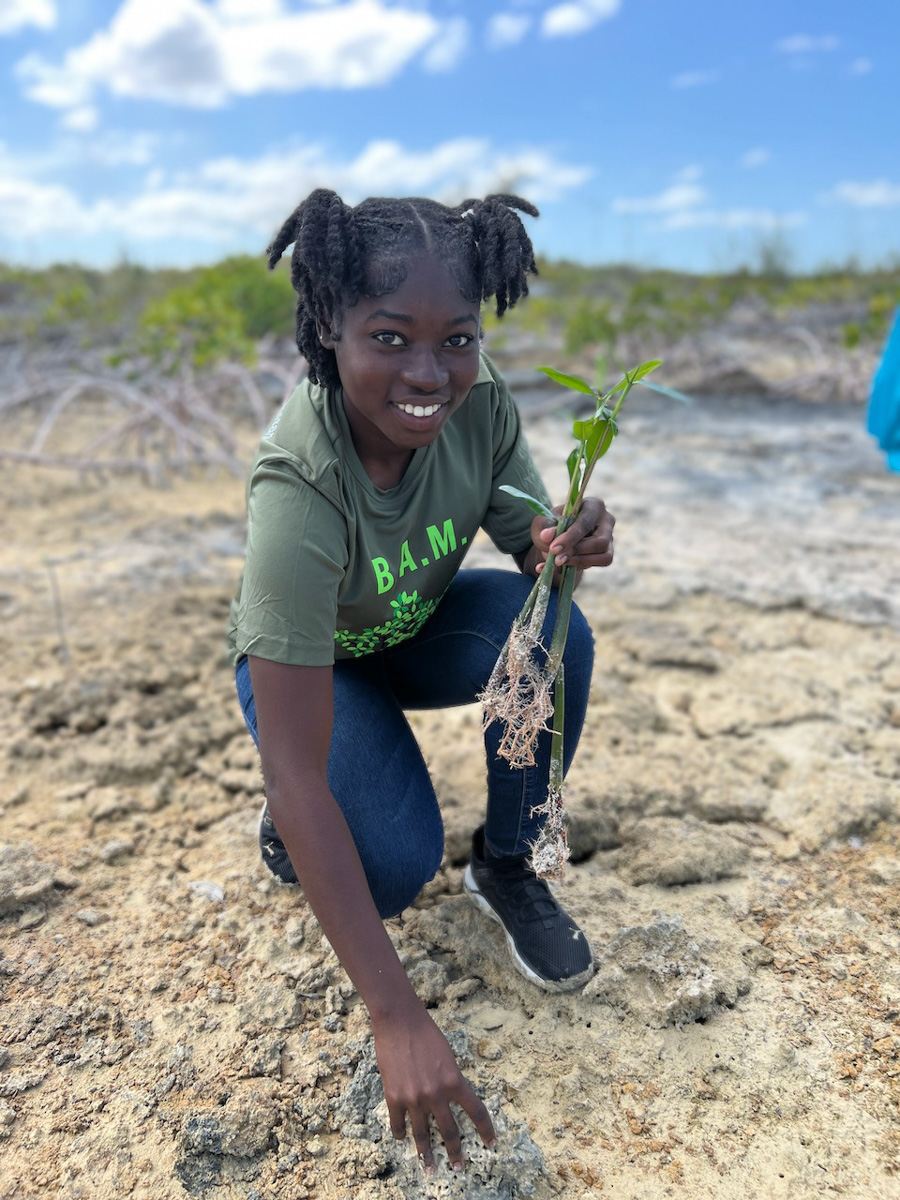
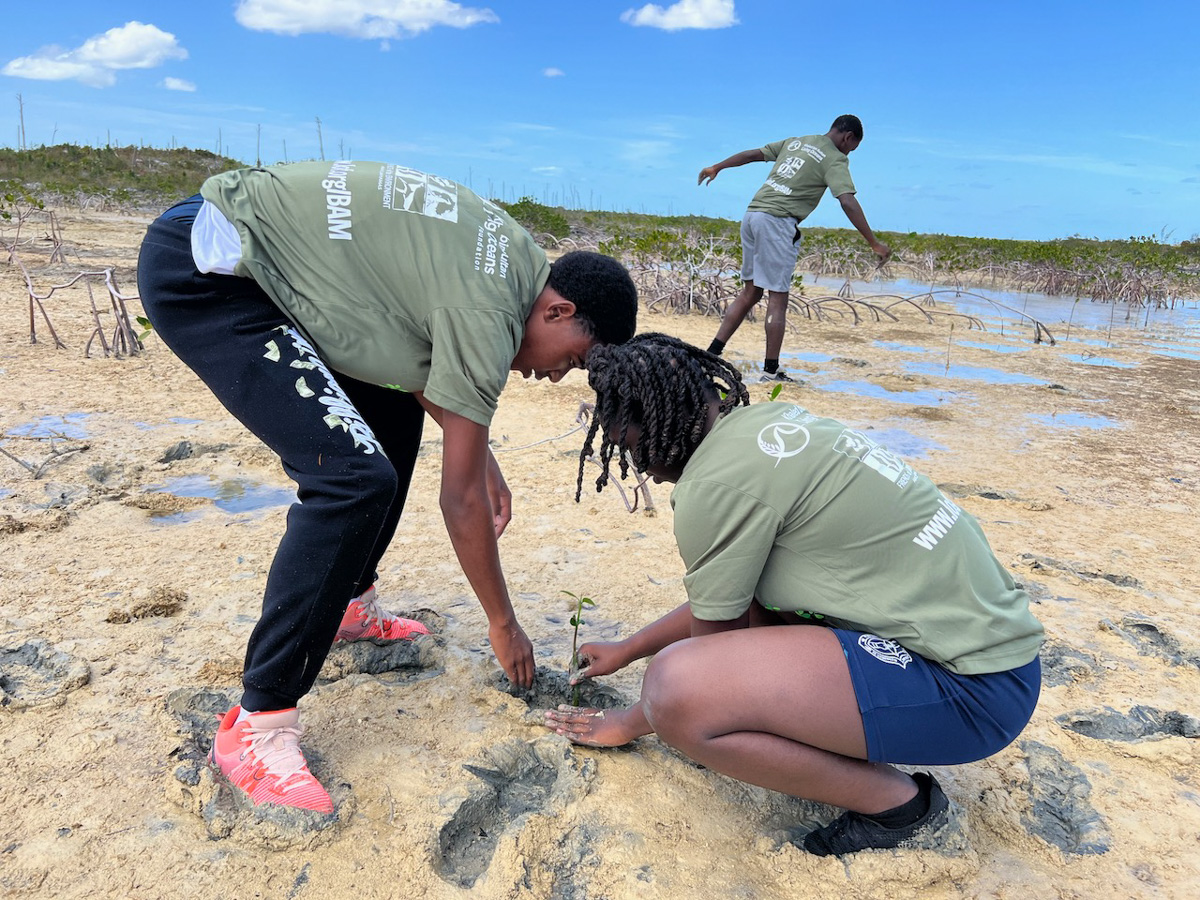
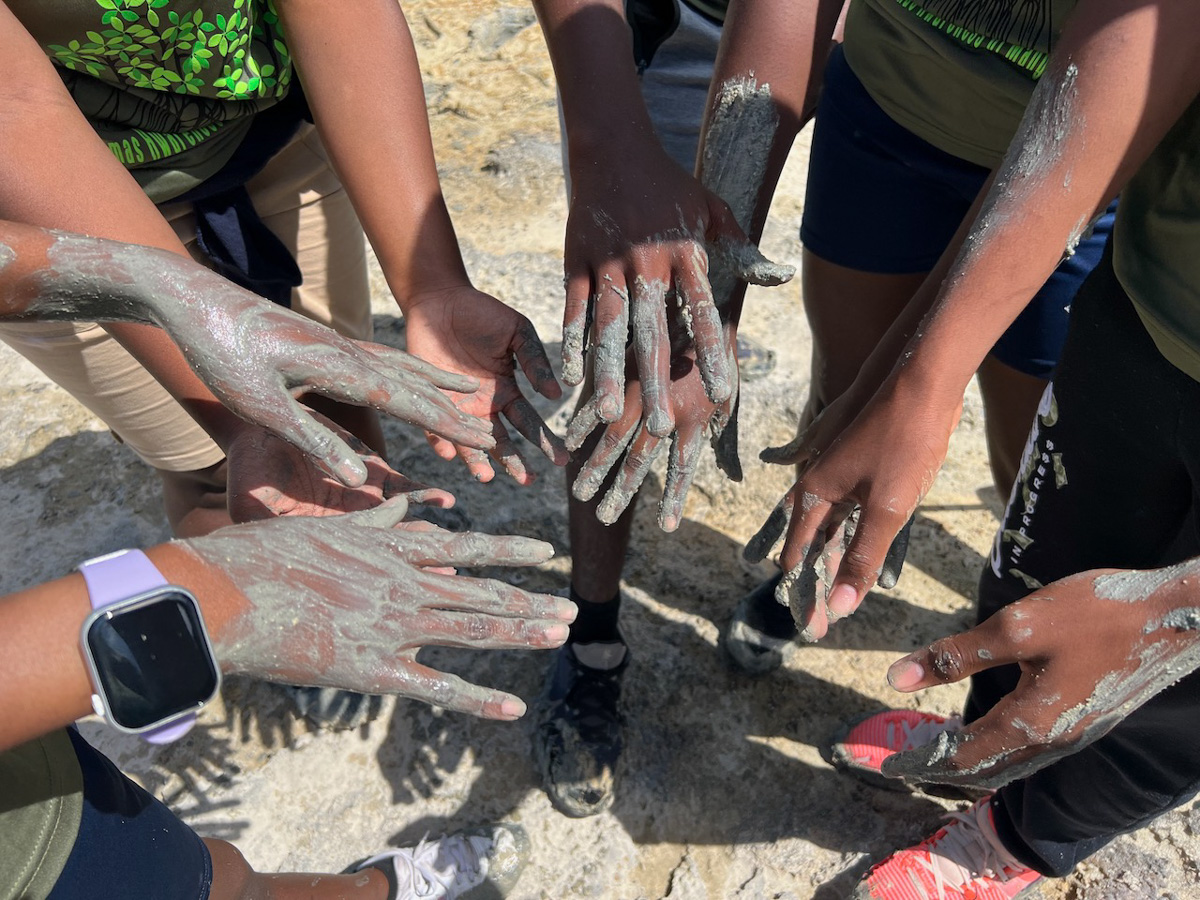
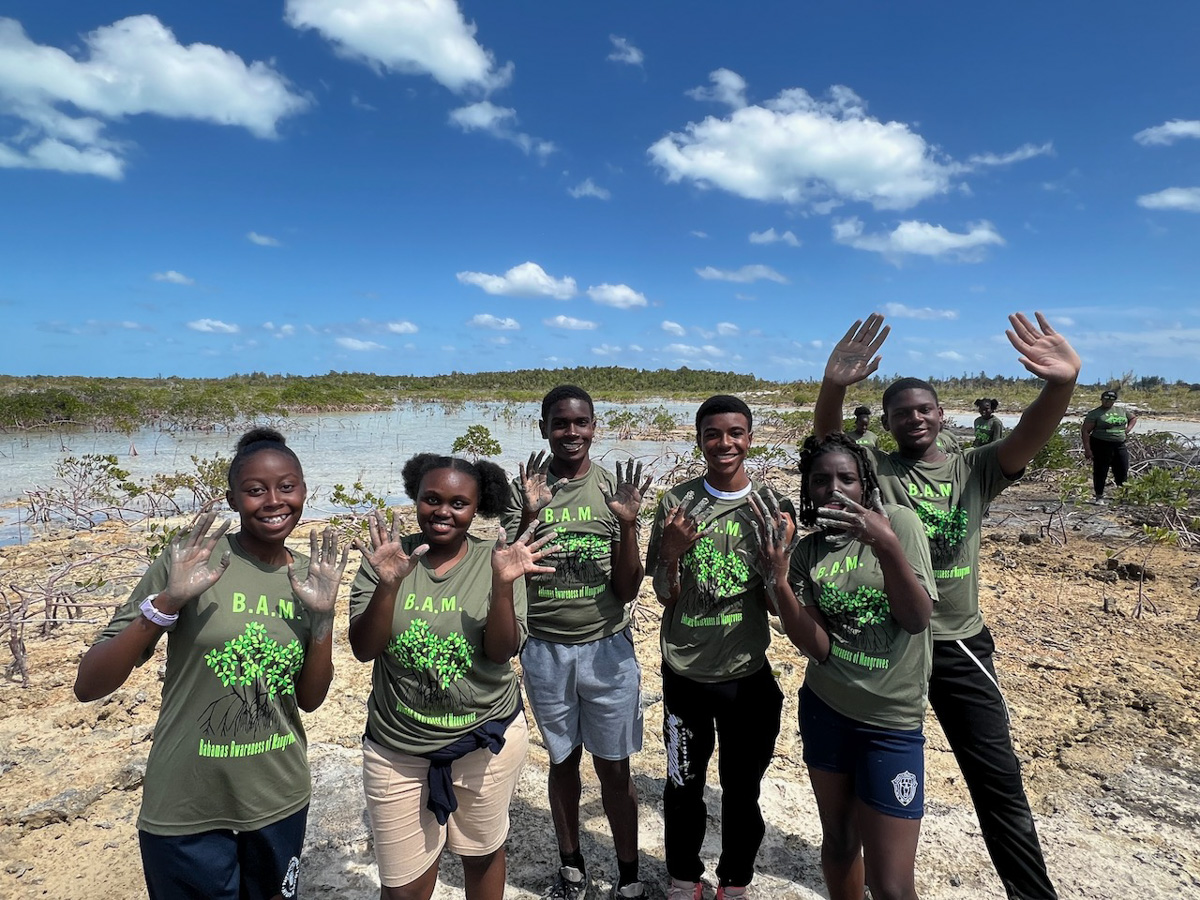
Students from Forest Heights Academy and Patrick J. Bethel High School, in partnership with Friends of the Environment, brought their 8-month mangrove growing experiment full circle—by planting their propagules in a real mangrove forest! Getting muddy is part of the mission, and these students wore it like a badge of honor as they got hands-on with restoration and science in action.
So, as we dig into the final phase of this year’s program, we’re not just asking where mangroves grow best. We’re also showing how learning, action, and community can grow together.
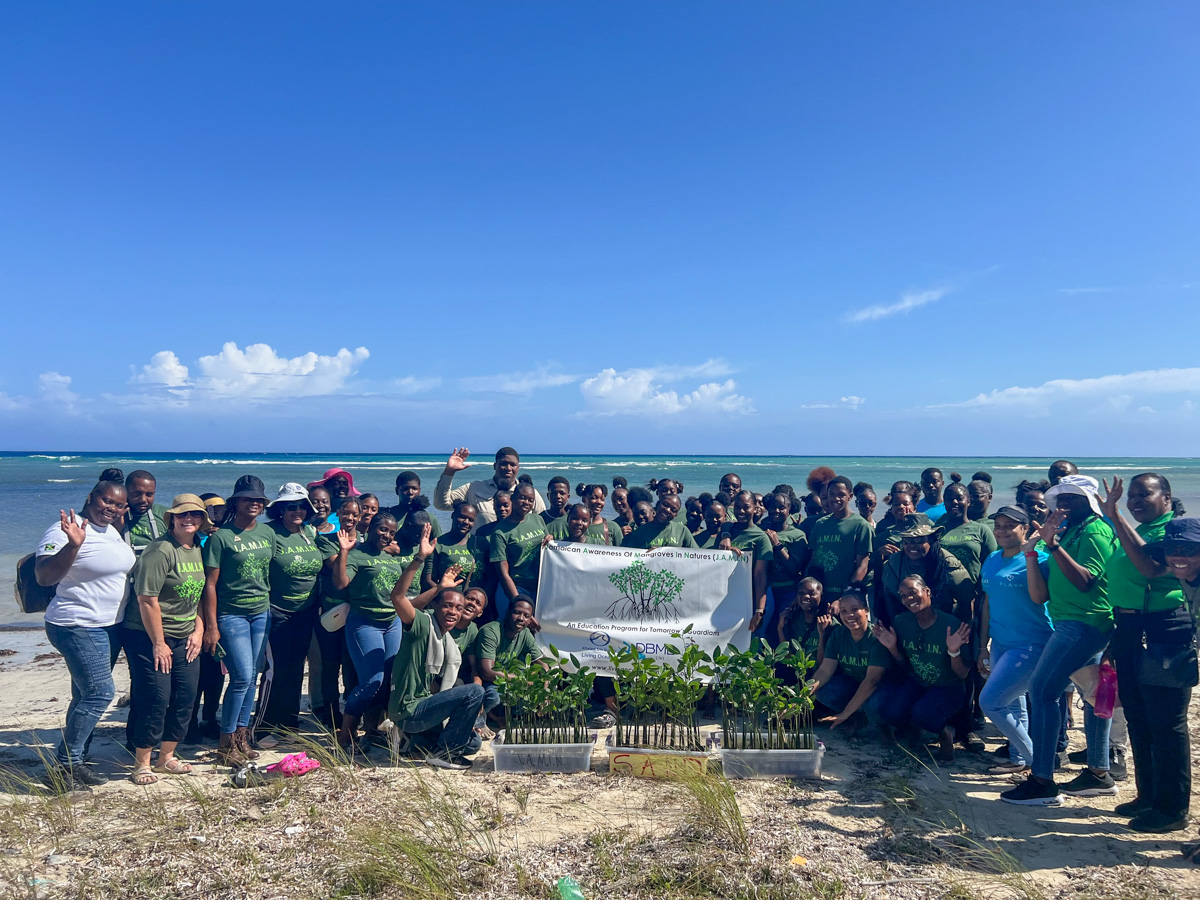
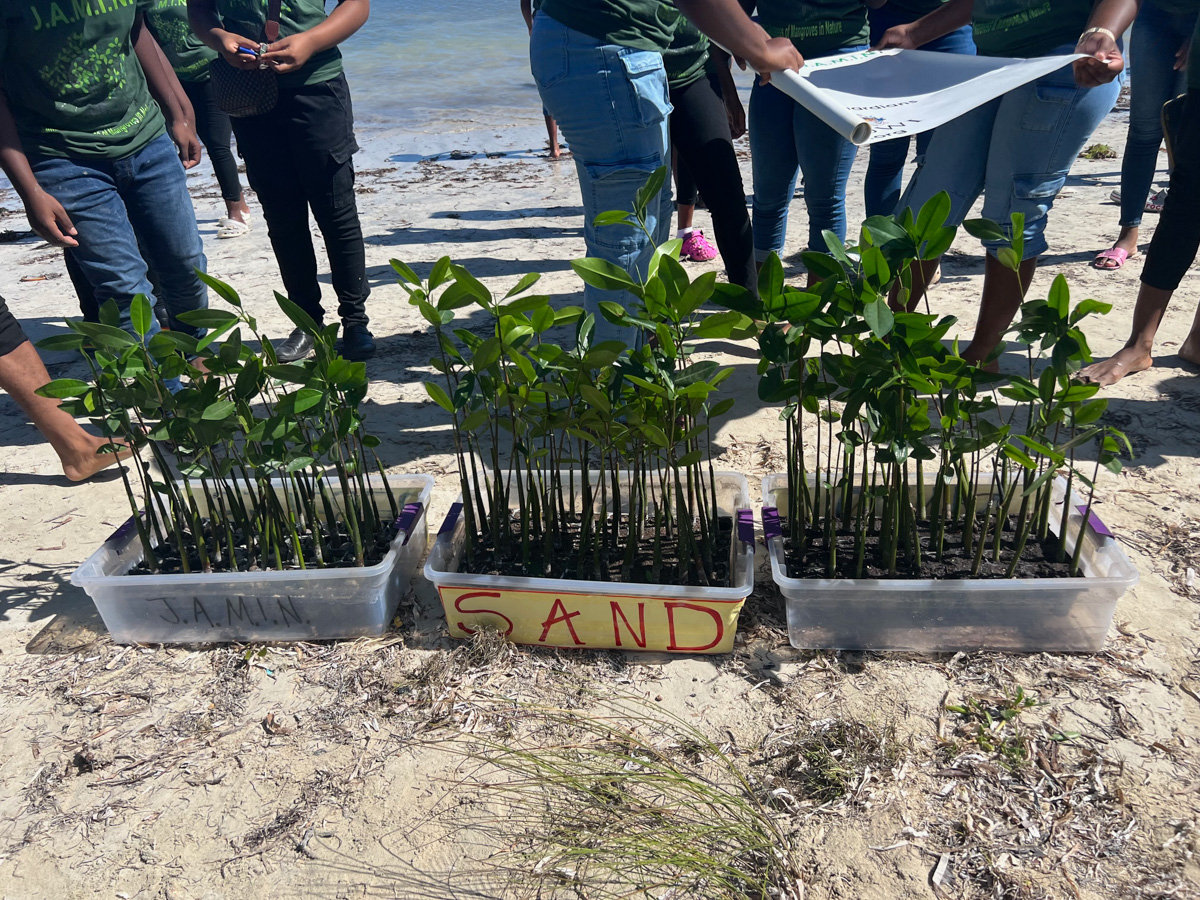
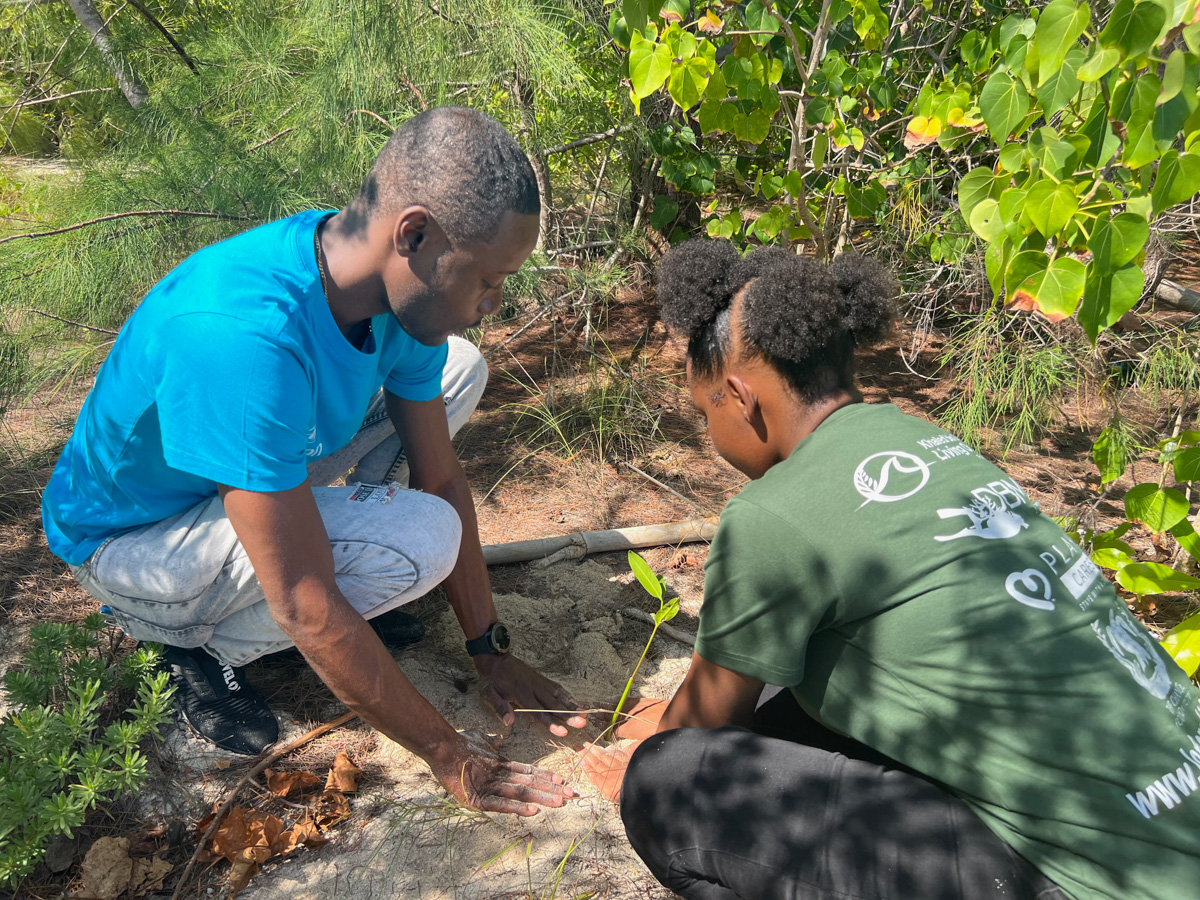
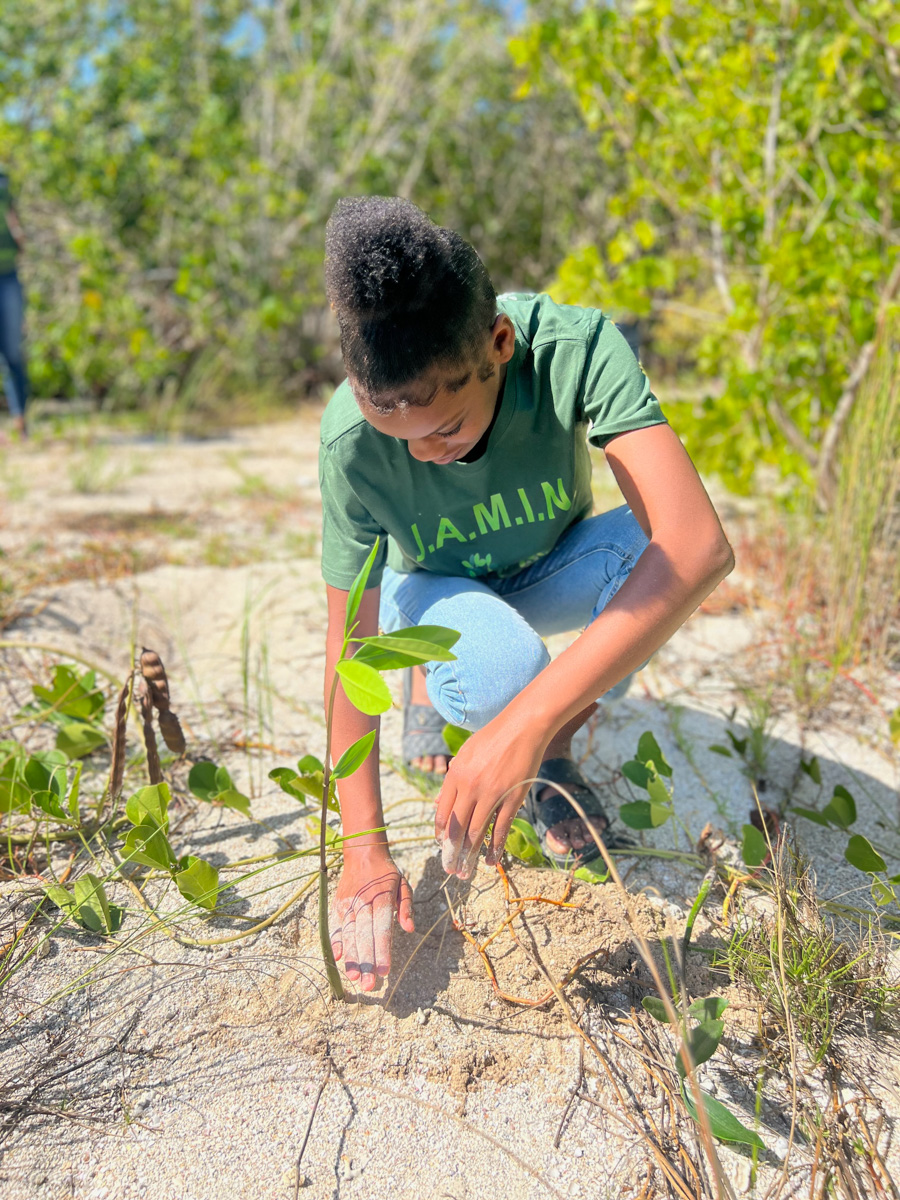
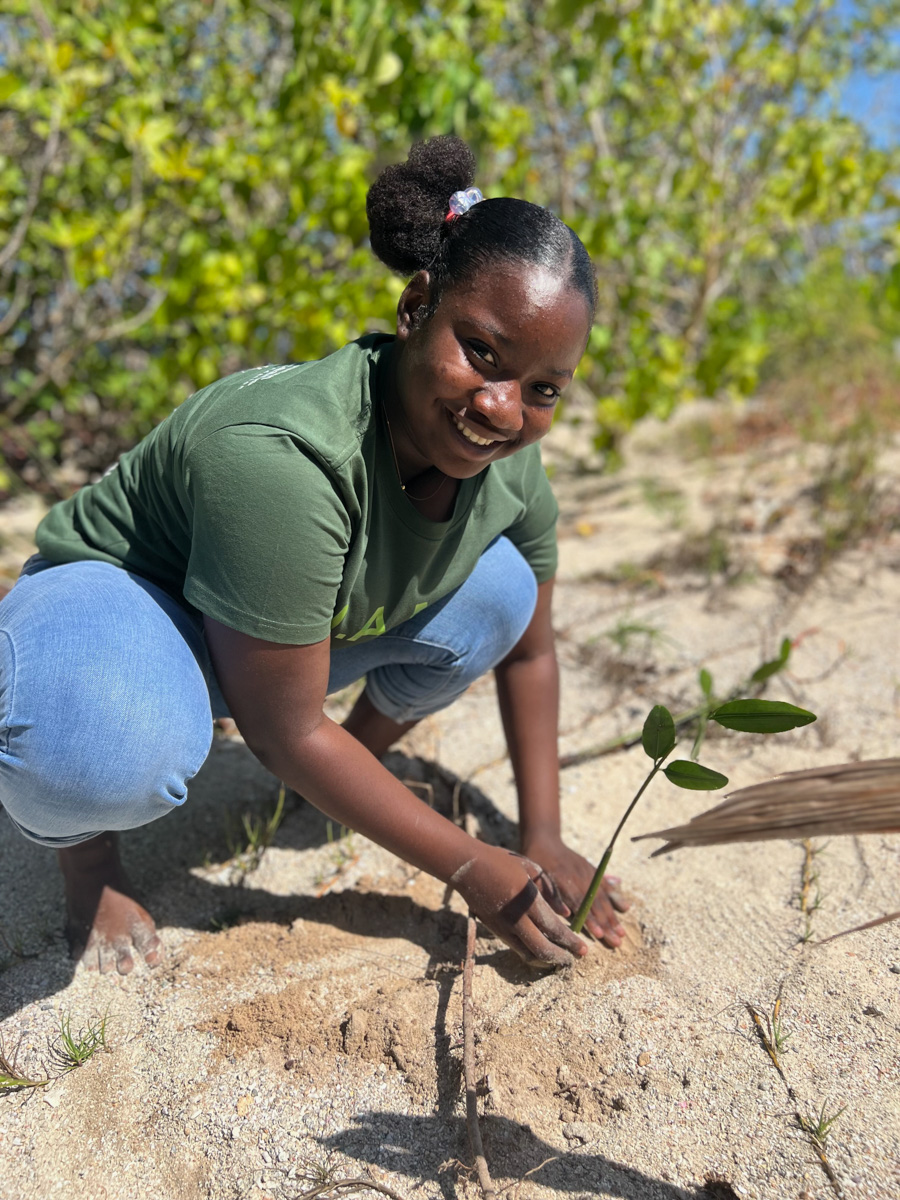
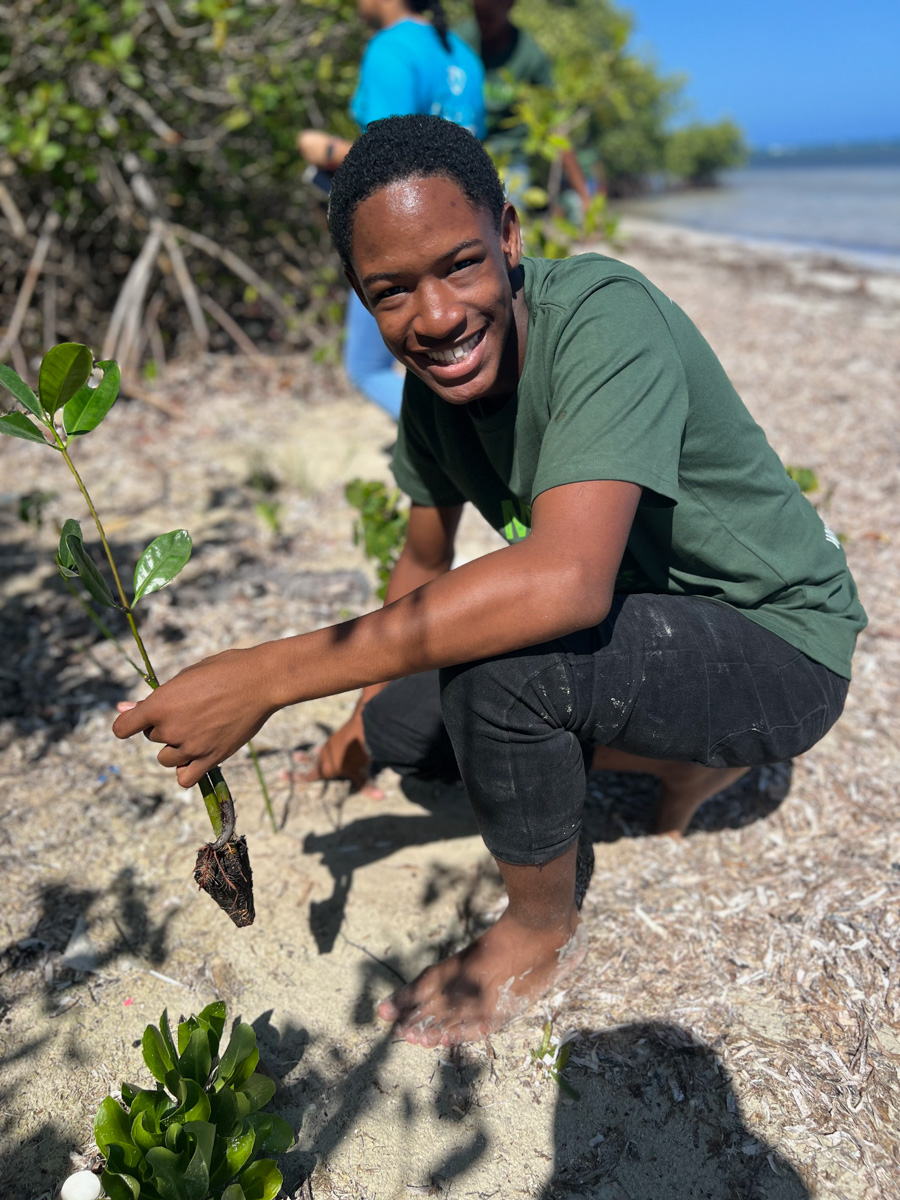
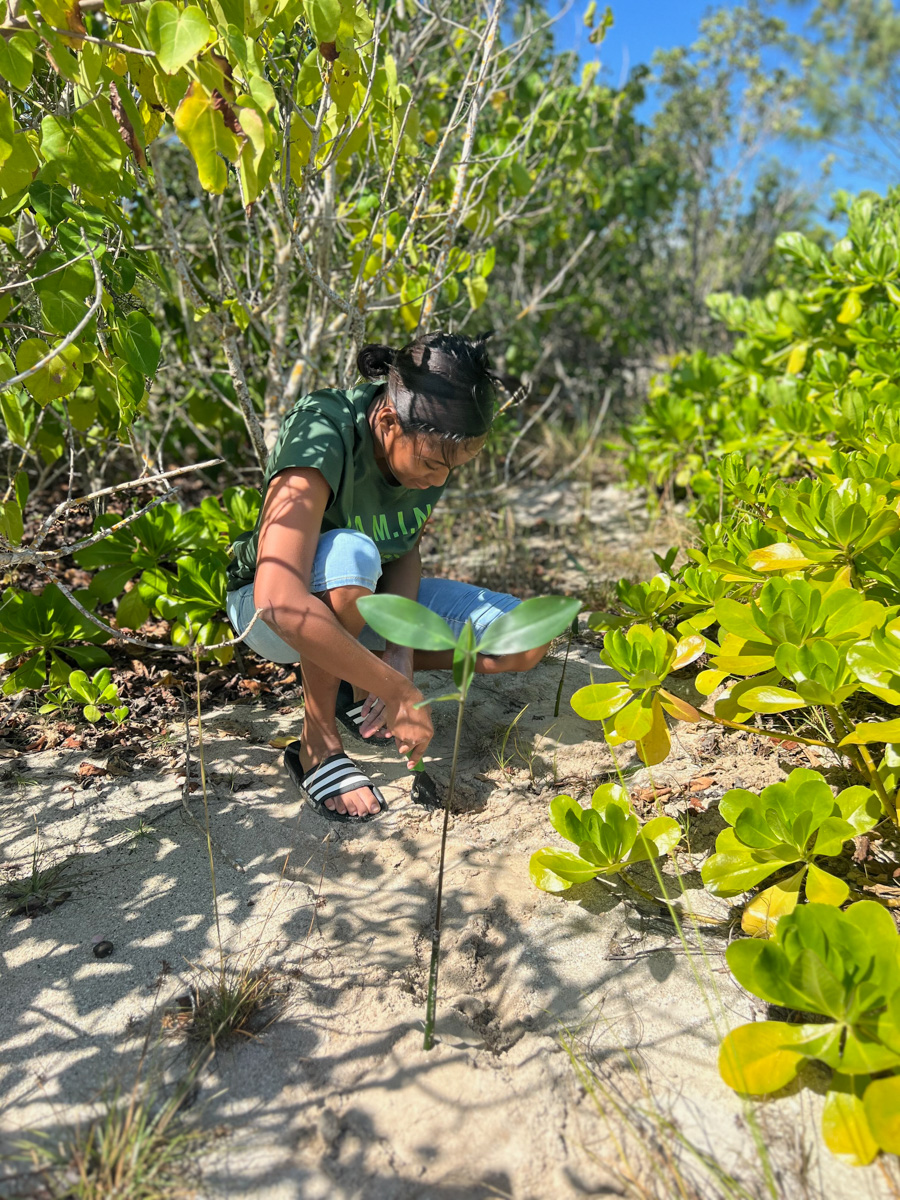
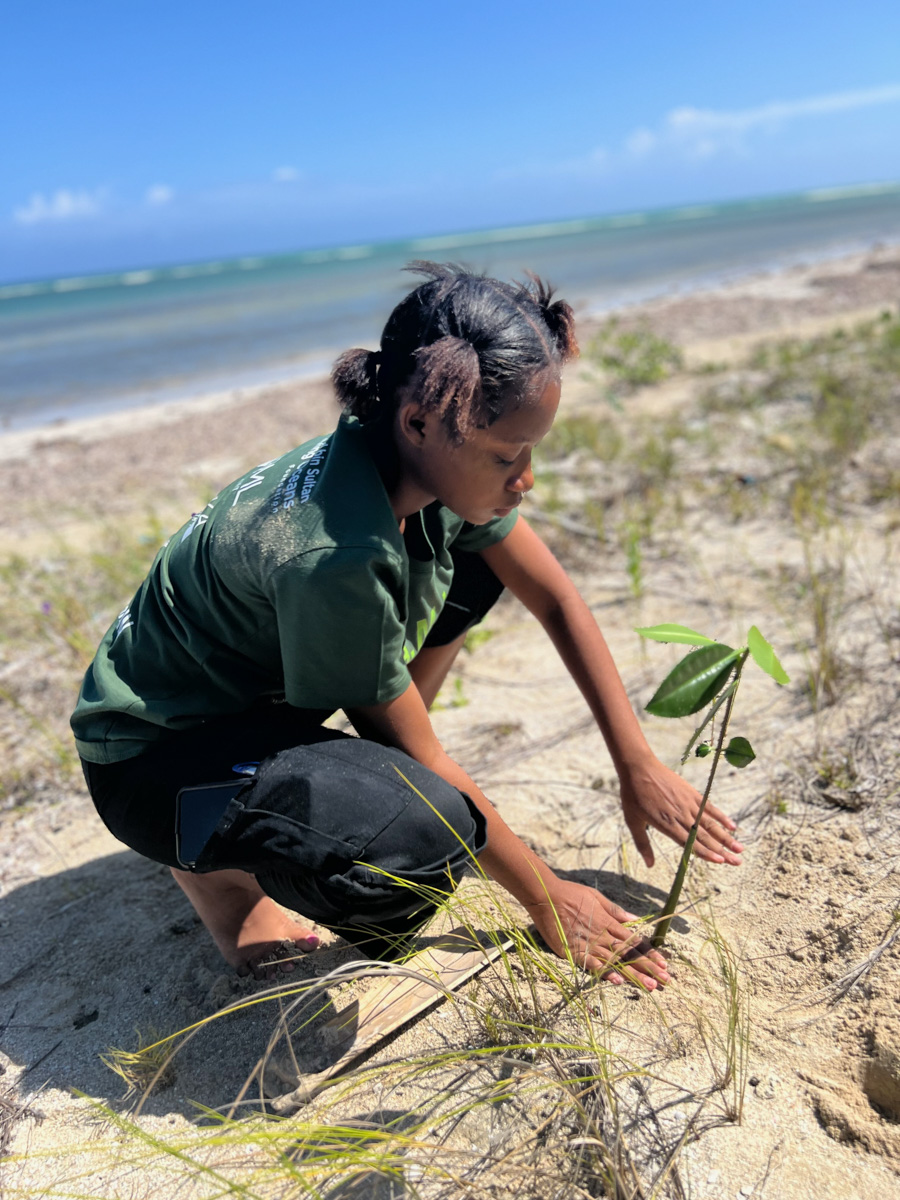
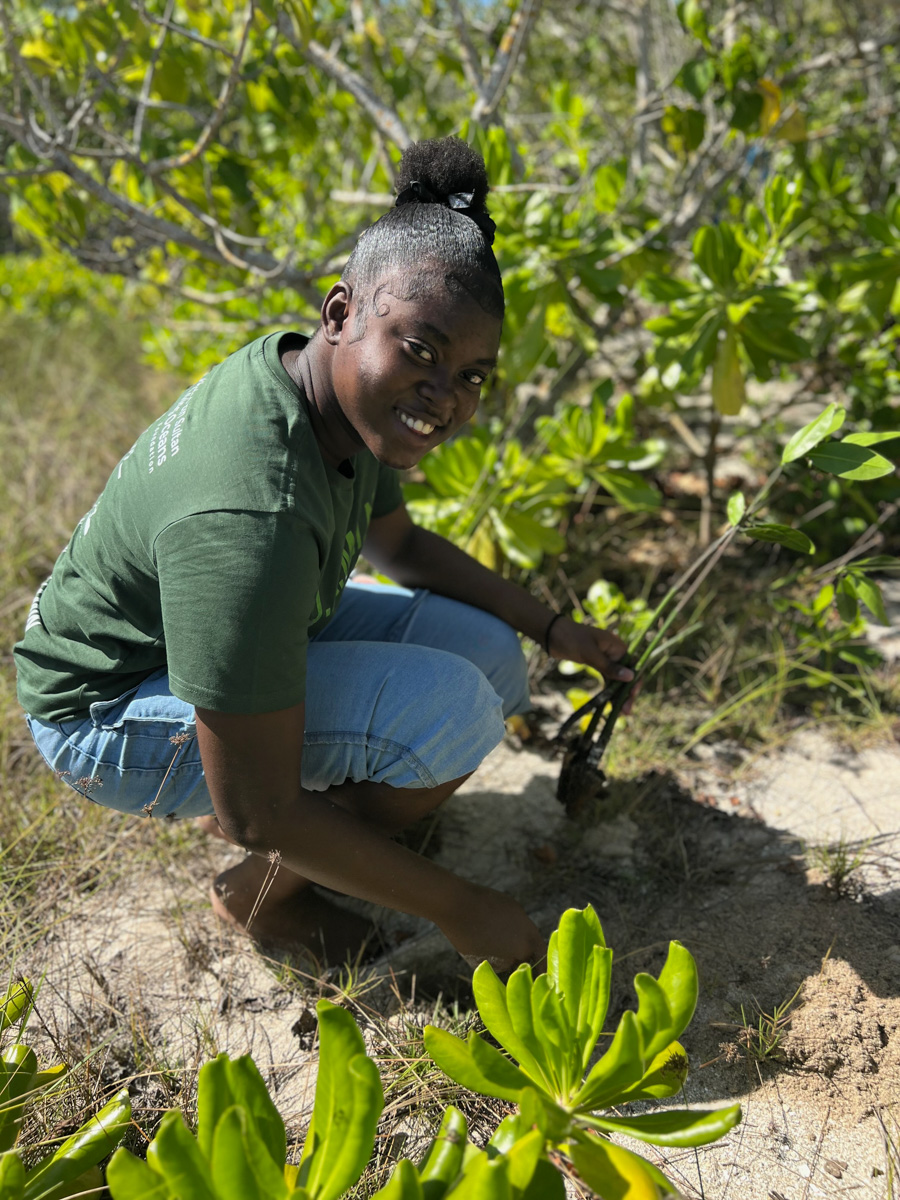
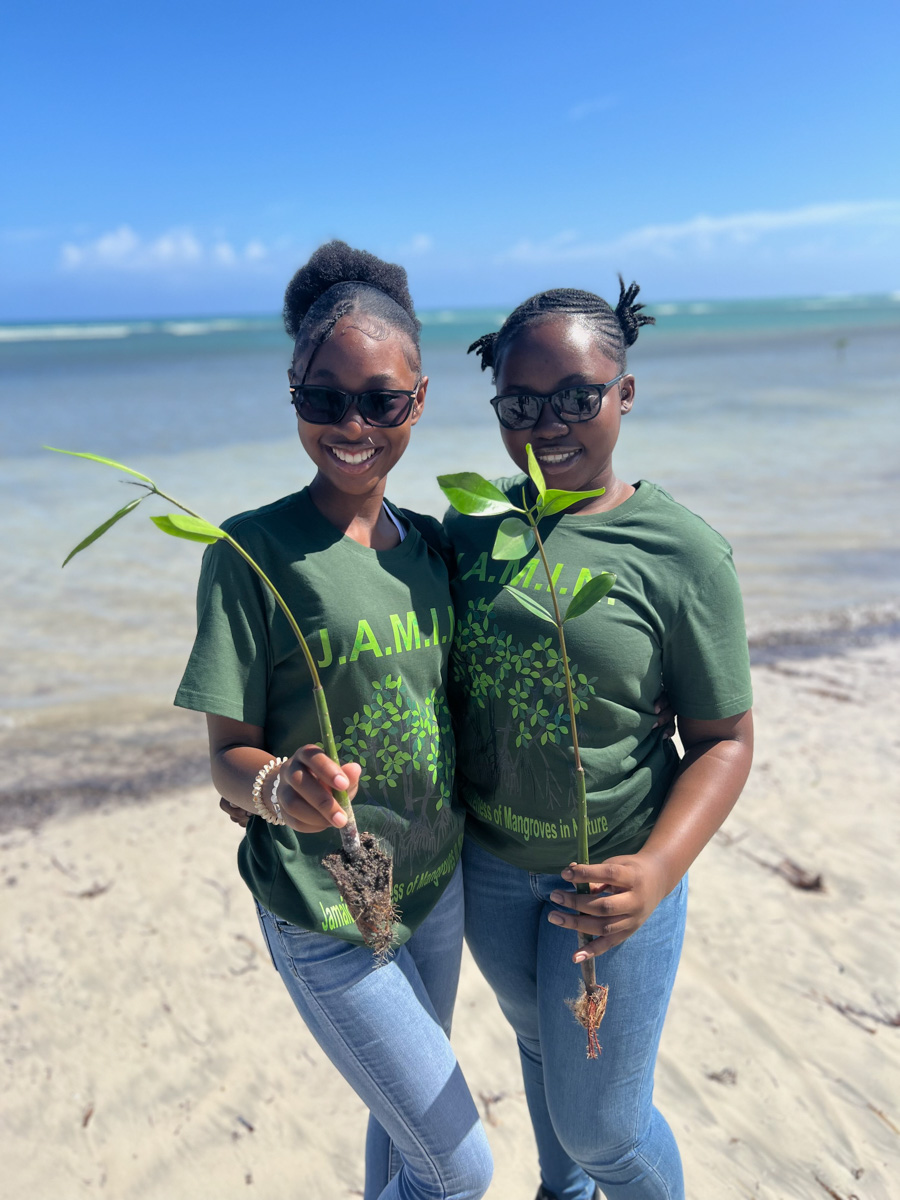
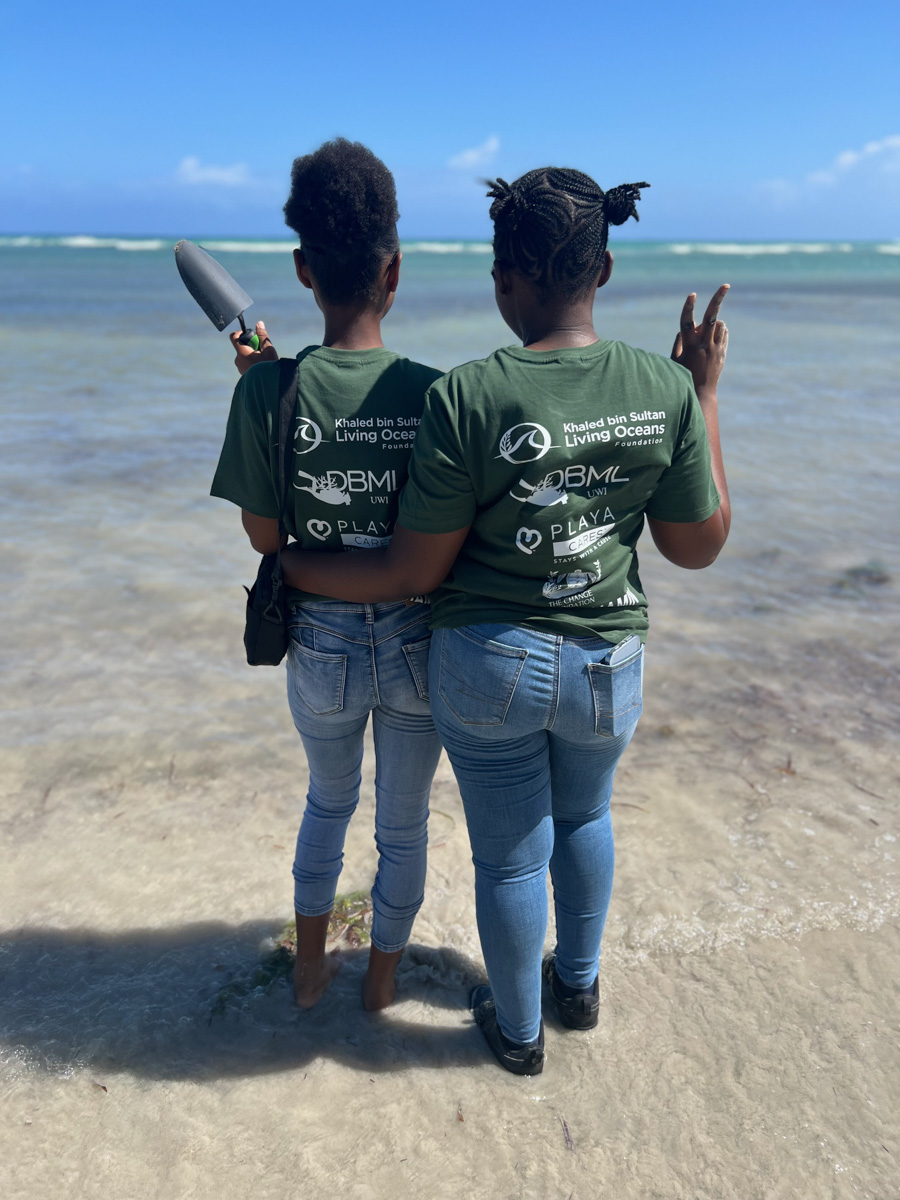
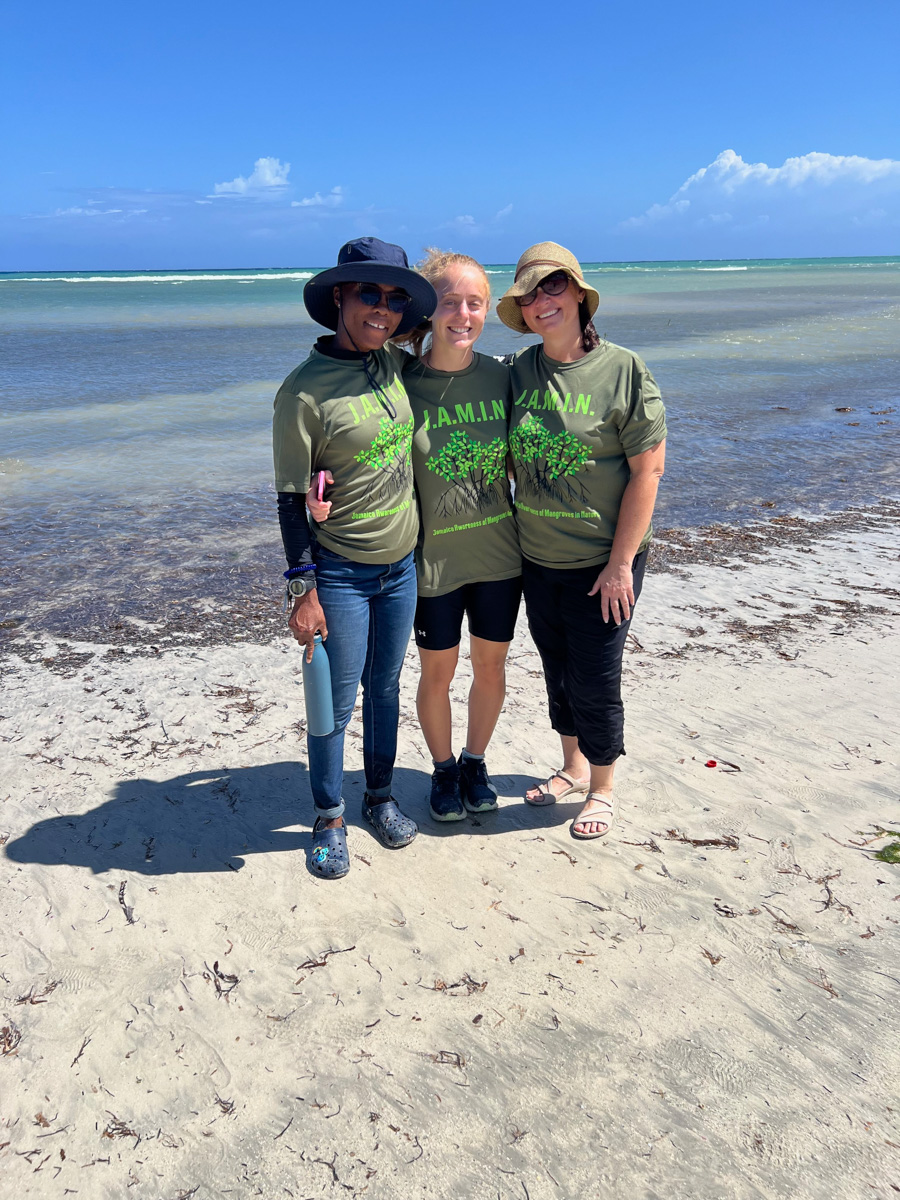
No boots needed for this mangrove mission! Students from William Knibb Memorial High School, with support from our partners at UWI Discovery Bay Marine Lab, Playa Hotels & Resorts, and Sea The Change Foundation, planted their mangrove seedlings on the sunlit shores of Jobson Bay Eco Beach Park. After months of growing and monitoring in the classroom, these students brought their science to life, restoring coastlines and soaking up the beauty of the beach along the way.
Here’s to 10 years of J.A.M.I.N., nearly 10 for B.A.M., and a whole lot of mangroves still to come.
Mangrove Education & Restoration
The Khaled bin Sultan Living Oceans Foundation’s Jamaican Awareness of Mangroves in Nature (J.A.M.I.N.) and Bahamas Awareness of Mangroves (B.A.M.) programs teach students about mangrove ecosystems through classroom lessons, hands-on experiments, and field-based restoration, inspiring the next generation of environmental stewards.