Youth for the SDGs Journal – Day 3
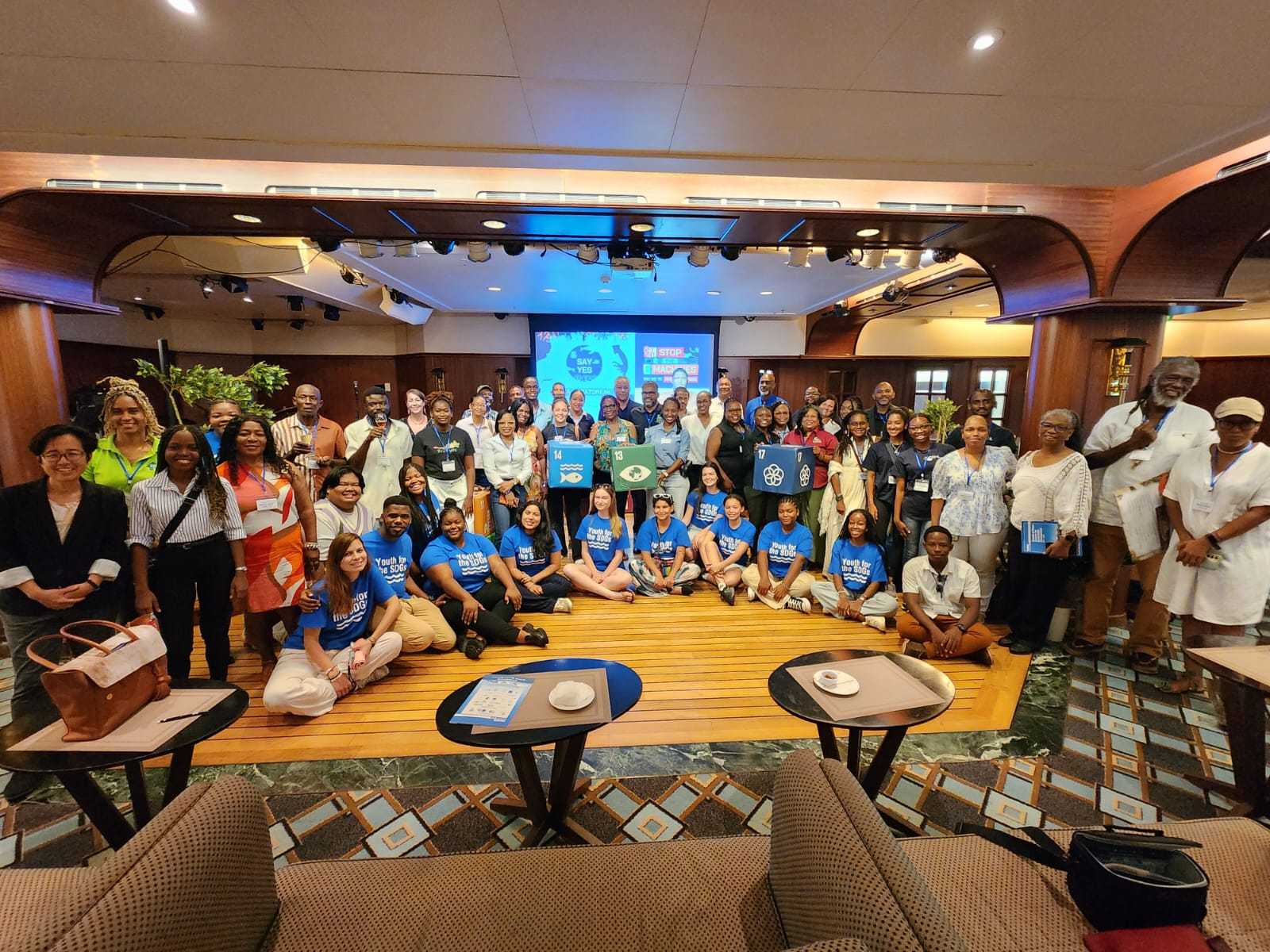
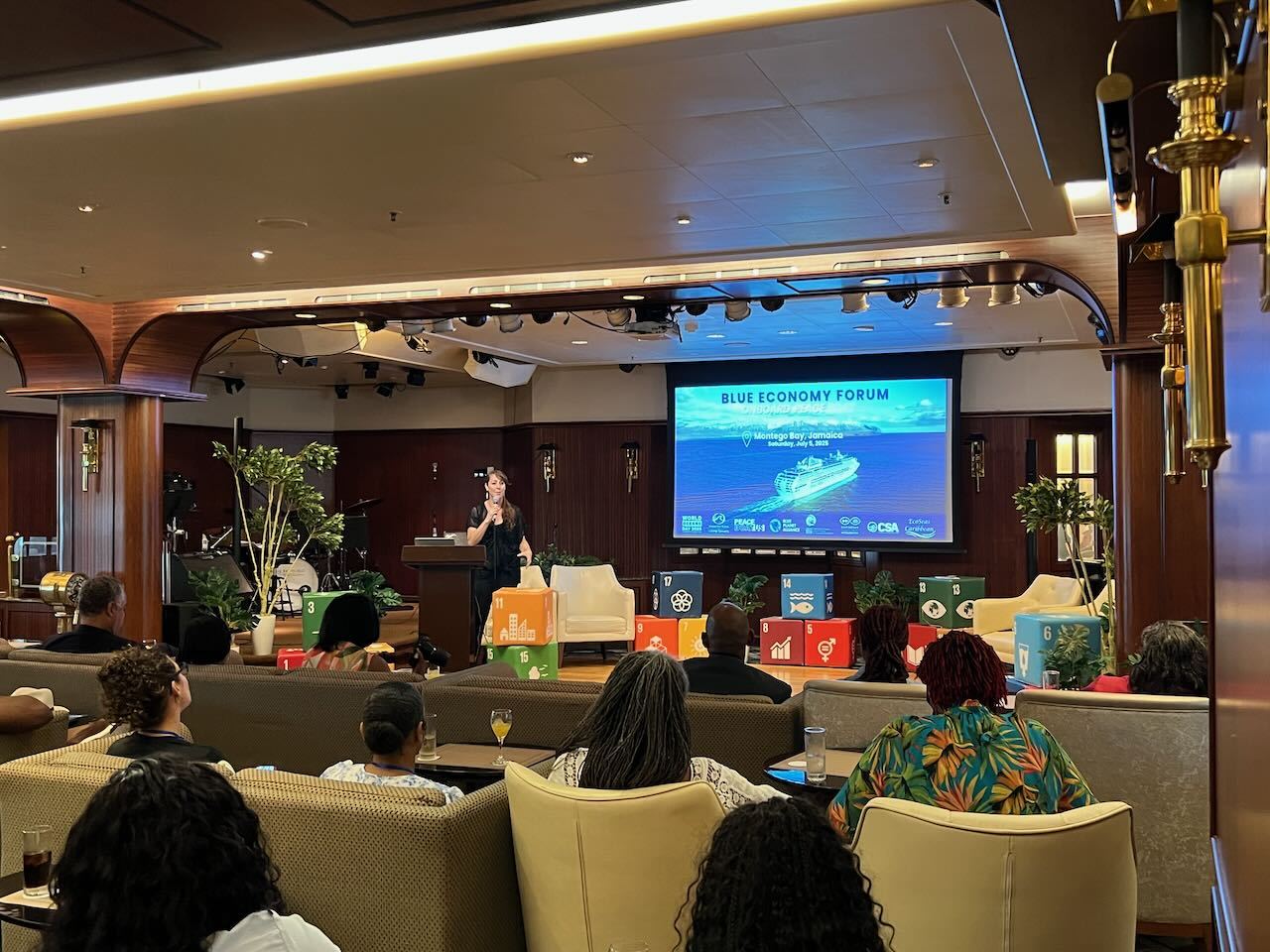
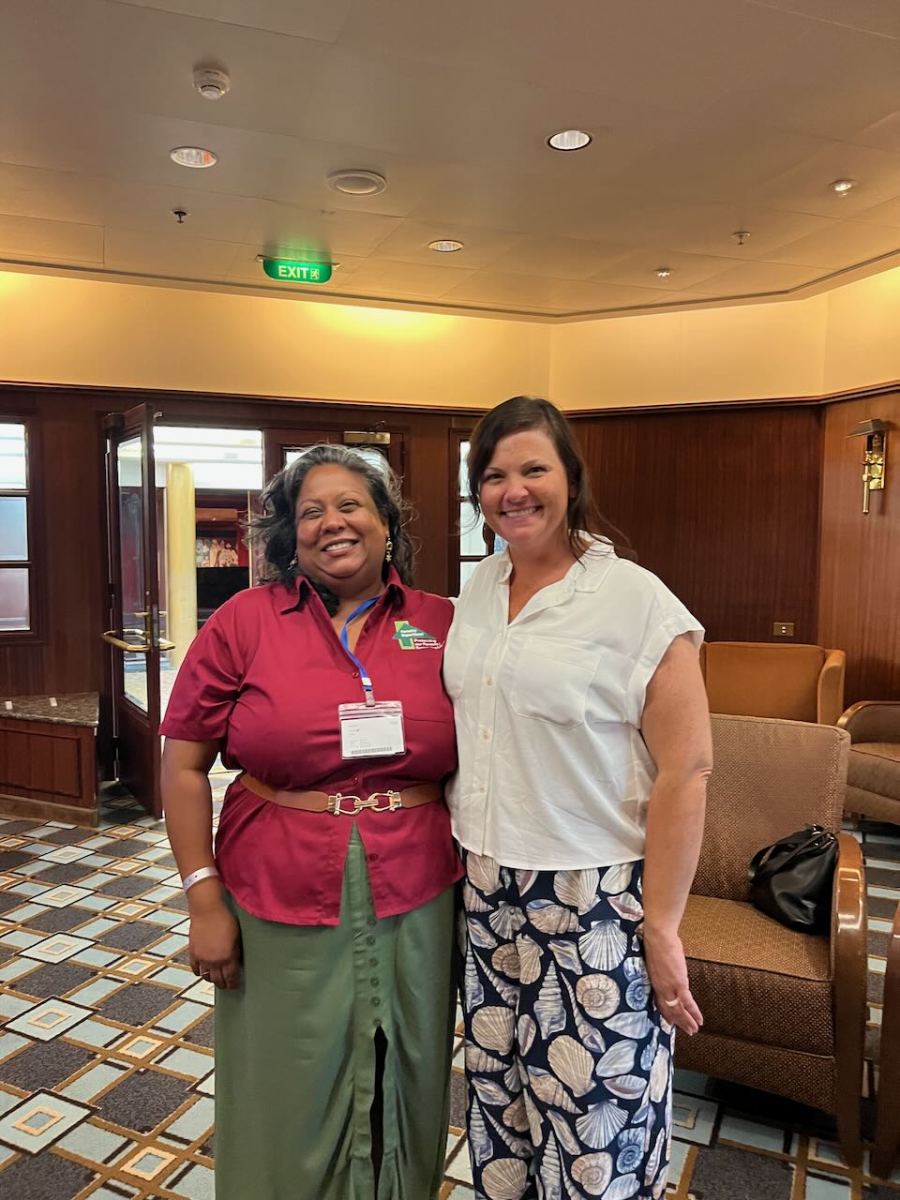
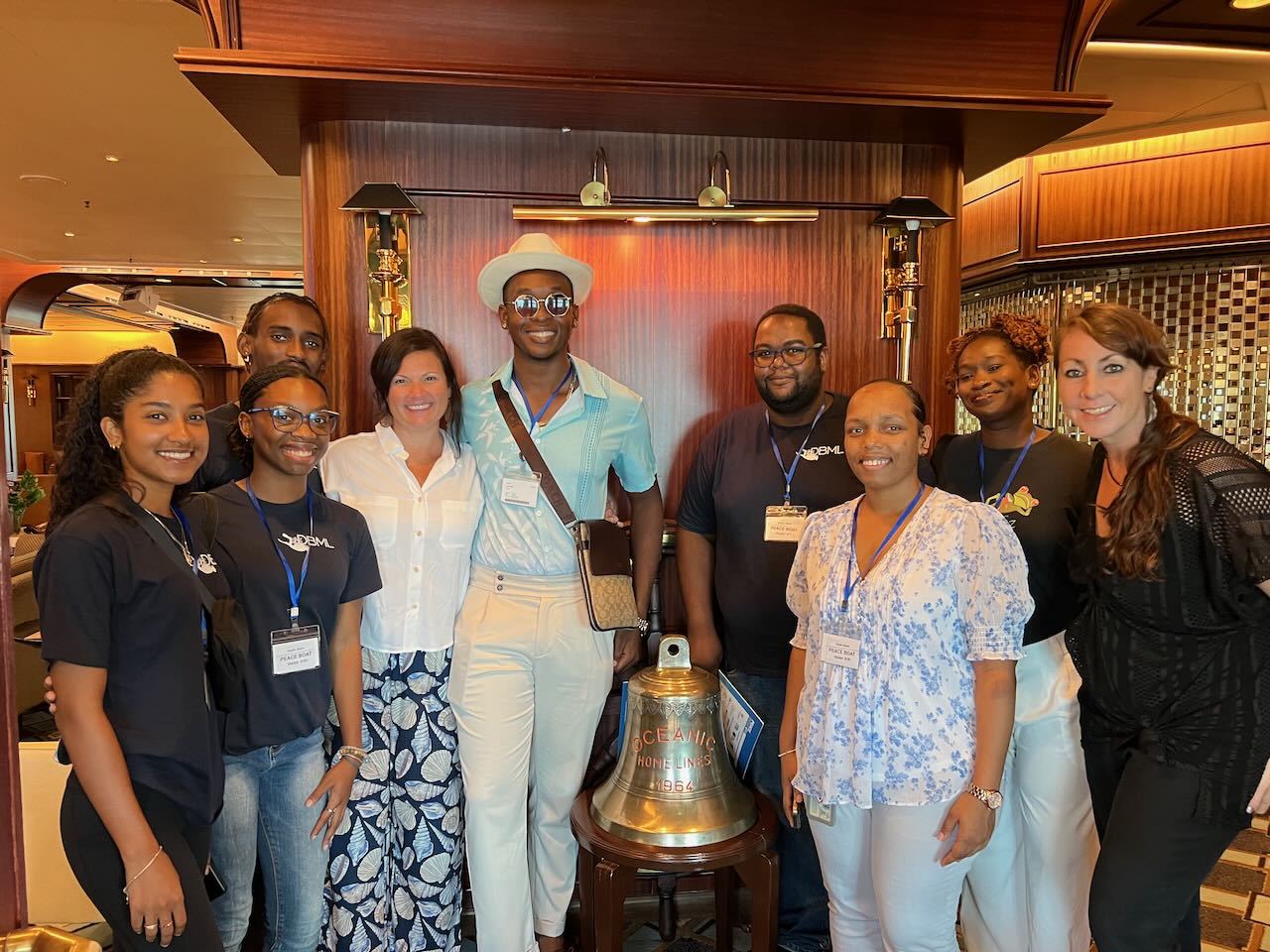
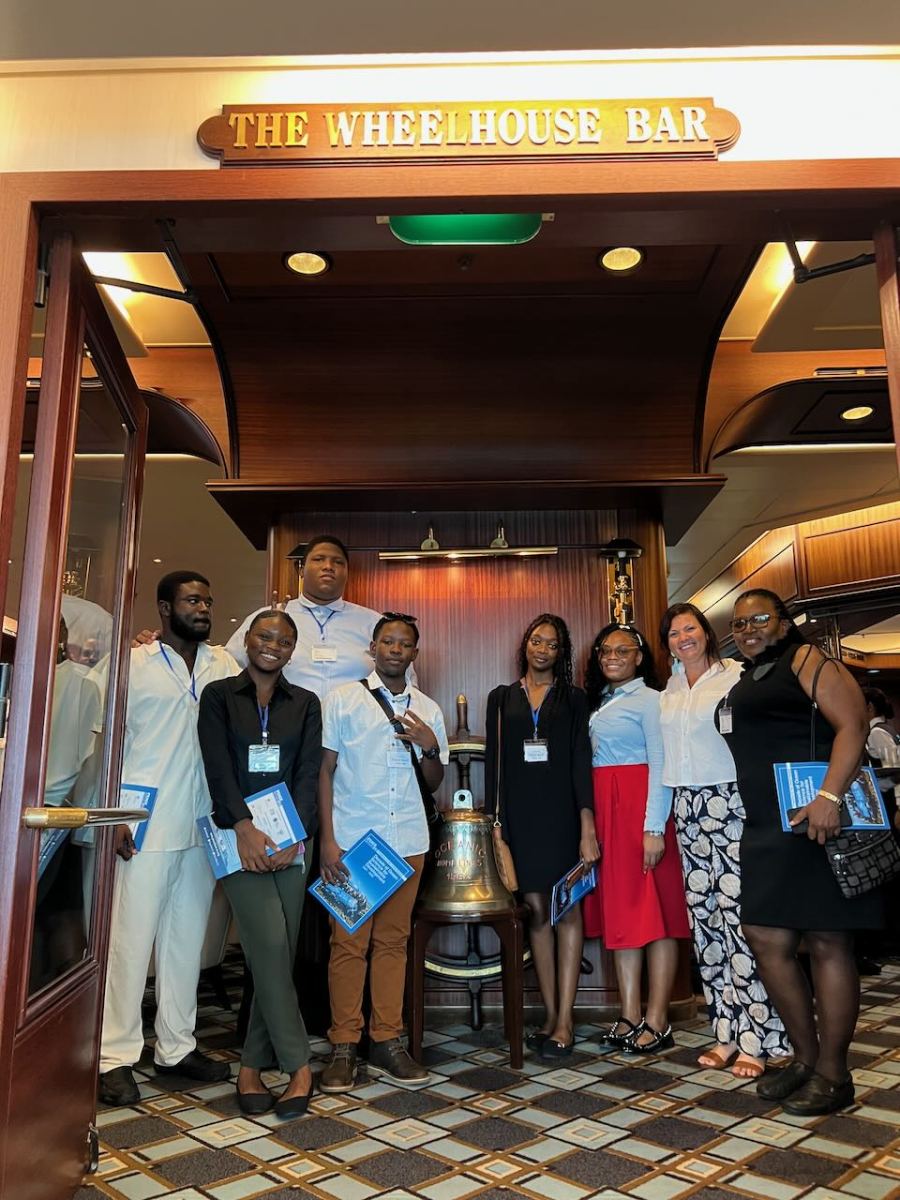
Our final day in Jamaica began as Peace Boat’s MV Pacific World docked in Montego Bay, which the organization frequently visits. While stepping aboard a ship with more than 1,700 passengers was an adventure in itself, the heart of the day centered on something far more impactful—the Blue Economy Forum, a landmark event hosted aboard the Peace Boat as part of its 120th Global Voyage. Co-organized by the Khaled bin Sultan Living Oceans Foundation, the forum brought together changemakers from across Jamaica and around the globe to spotlight ocean innovation, sustainability, and cross-sector collaboration.
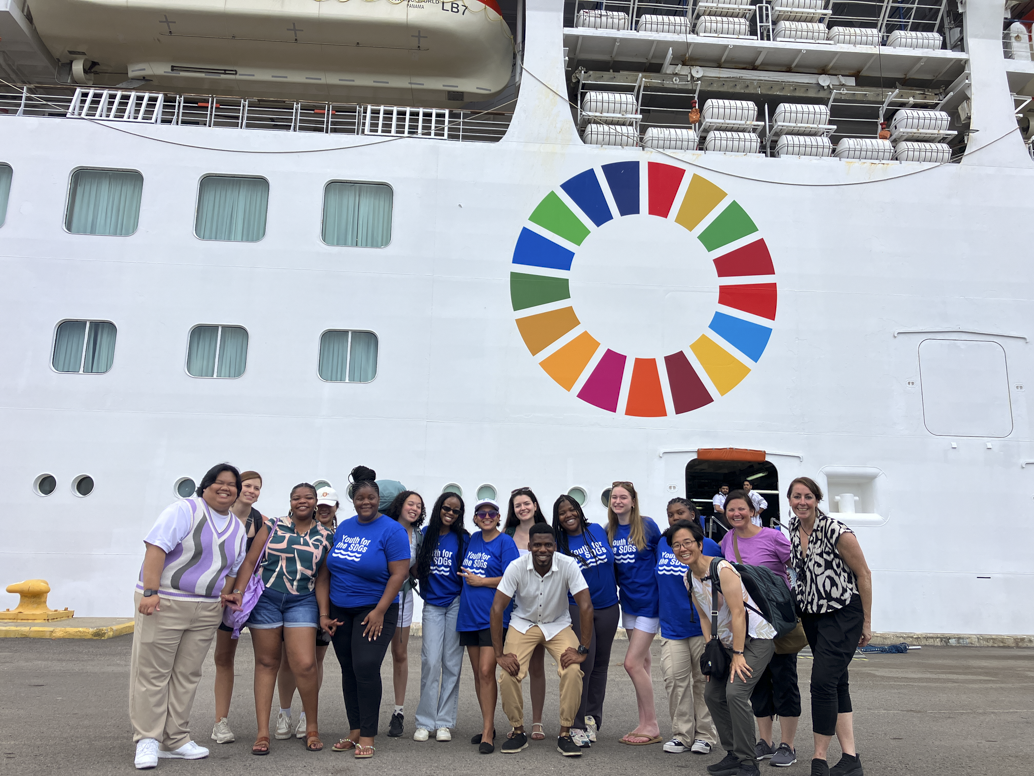
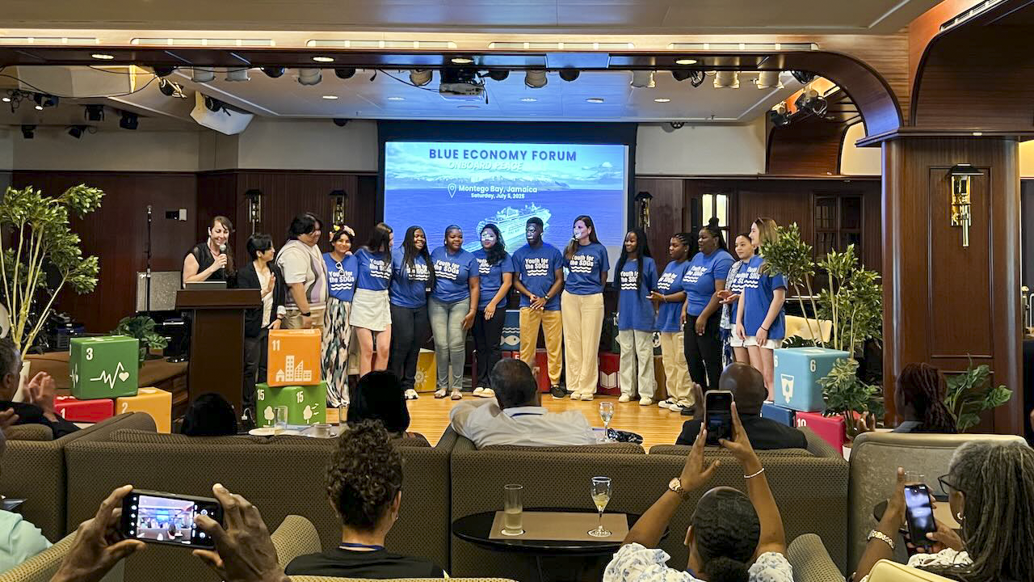
The event opened with remarks from Emilie McGlone, Director of Peace Boat US, who introduced the Peace Boat and Youth for the SDGs program and welcomed the diverse group of student ambassadors participating from around the world. Each youth introduced themselves, sharing their passions and reasons for joining the voyage, which set the stage for an inspiring exchange of knowledge and ideas.
Mangrove Conservation in Jamaica: Past, Present, and Future
One of the most compelling moments of the Blue Economy Forum was a panel I had the honor of co-organizing with Denise Henry, Project Coordinator of the Jamaica Forestry Department’s Mangroves Plus Project. Titled Mangrove Conservation in Jamaica: Past, Present, and Future, the panel brought together leading experts who are at the forefront of safeguarding Jamaica’s mangrove ecosystems: Dr. Camilo Trench from the University of the West Indies Discovery Bay Marine Lab, Mr. Ainsley Henry, CEO of the Forestry Department, and Ms. Monique Curtis, Manager of the Ecosystems Branch at the National Environment and Planning Agency (NEPA).
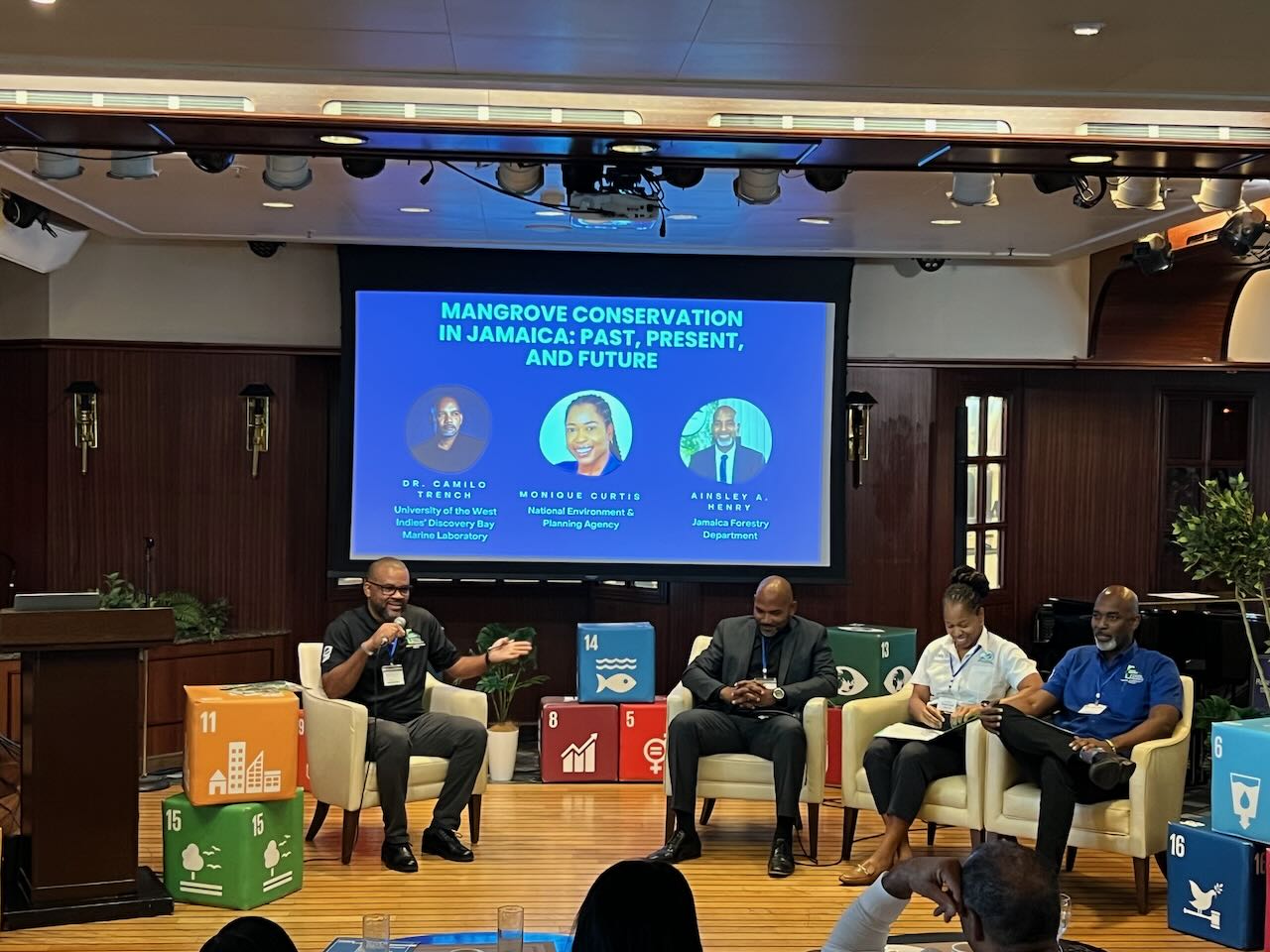
Each panelist shared their unique perspectives on the importance of mangroves as critical coastal infrastructure. Dr. Trench opened by reflecting on the historical shifts in mangrove health and distribution, emphasizing both scientific insights and the need for multi-agency collaboration. Ms. Curtis spoke to the current state of mangroves in Jamaica, noting emerging trends and threats, while Mr. Henry offered a forward-looking vision for mangrove restoration and preservation under the Forestry Department’s mandate. Together, they examined how innovation, both technological and policy-driven, can bridge the gap between conservation and development in vulnerable coastal zones. They also addressed how Jamaica’s efforts align with global frameworks such as the UN Decade on Ecosystem Restoration, the Ramsar Convention, and the Sustainable Development Goals (SDGs), underscoring opportunities to share best practices across borders.
A central theme emerged: community engagement is key. The panel concluded by highlighting strategies that have proven effective in involving local communities in mangrove protection and restoration, emphasizing the importance of education, empowerment, and partnerships.
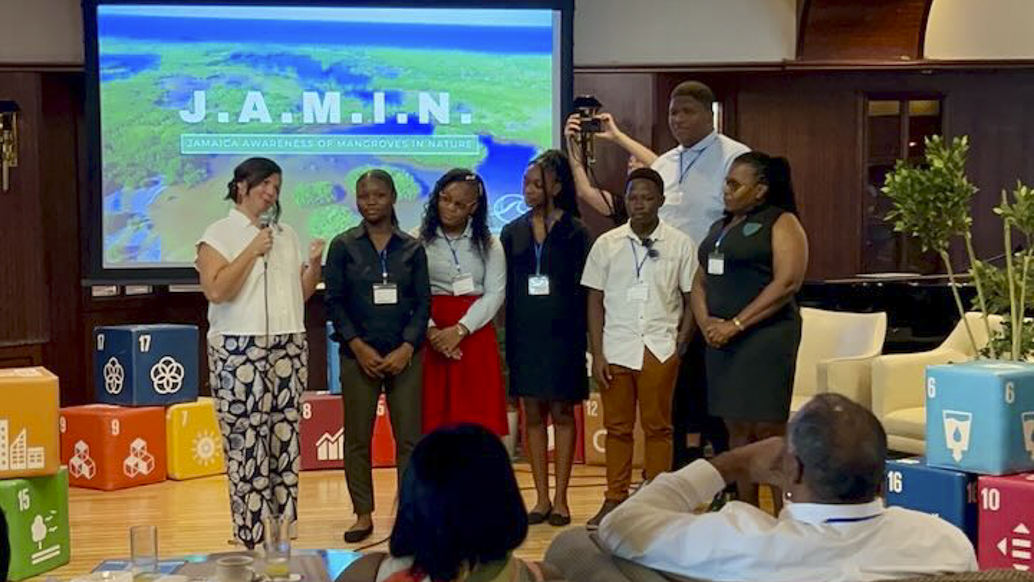
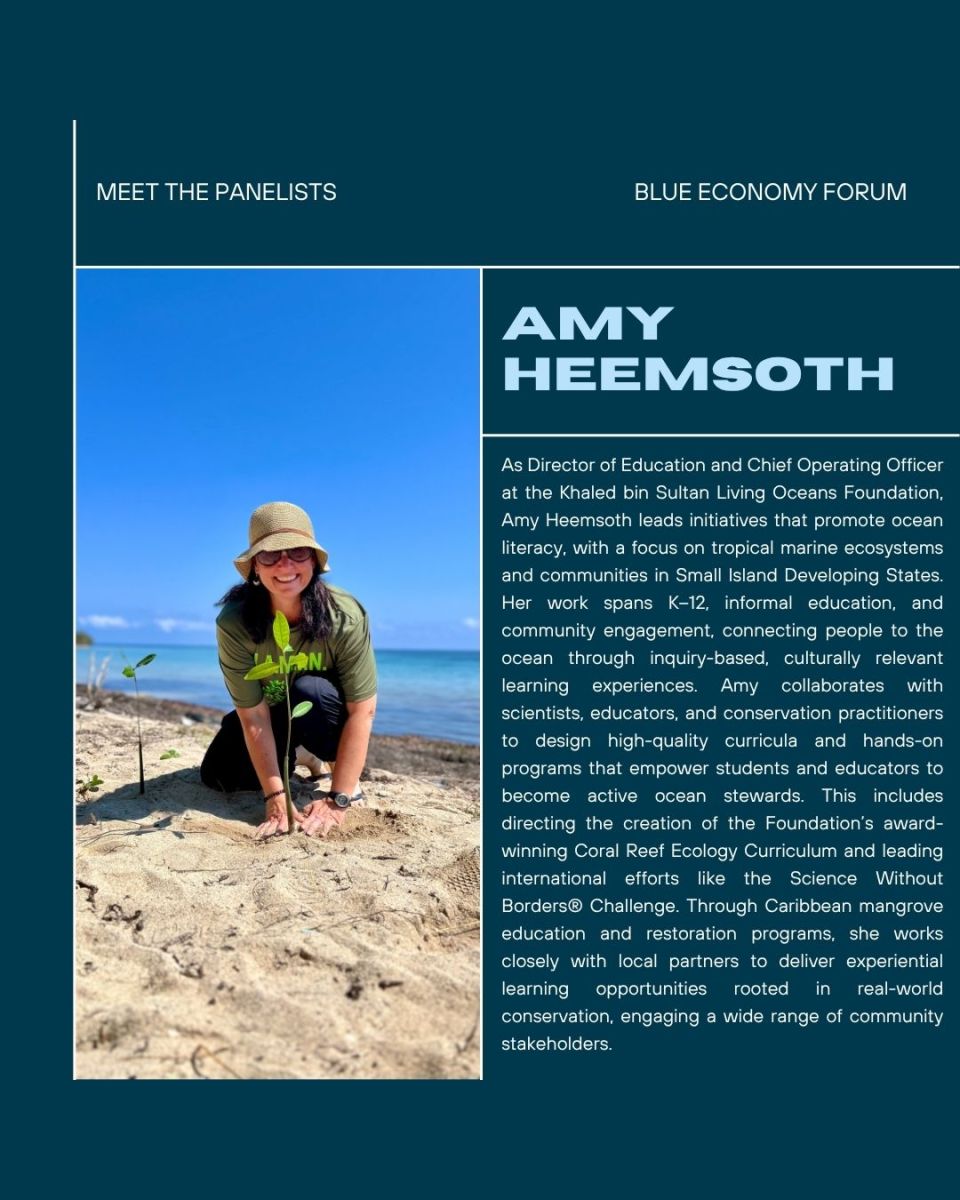
This theme of education in action led directly into the next session, where I introduced the Khaled bin Sultan Living Oceans Foundation’s J.A.M.I.N. Program—short for Jamaica Awareness of Mangroves in Nature. This hands-on mangrove education and restoration program helps bridge the gap between classroom learning and environmental activism. Joining me were Ms. Fulvia Nugent, a science teacher and Head of the Science Department at William Knibb Memorial High School, and several of our former J.A.M.I.N. students, who shared how the program has transformed their relationship with the natural world. Their stories were a powerful testament to how project and place-based learning can inspire lifelong stewardship and cultivate youth leaders ready to champion the health of Jamaica’s coastal ecosystems.
Other Presentations at the Blue Economy Forum
The day continued with powerful presentations from:
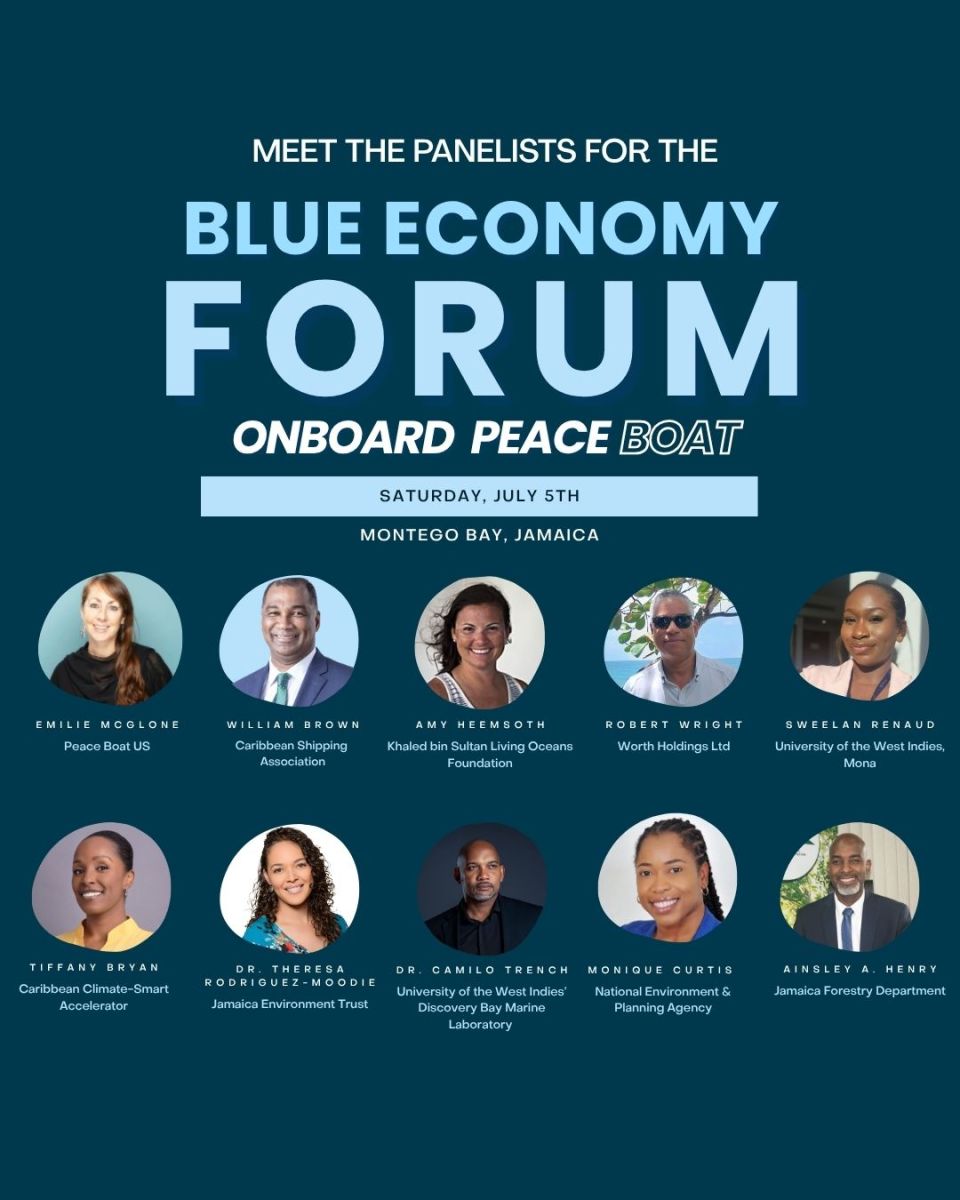
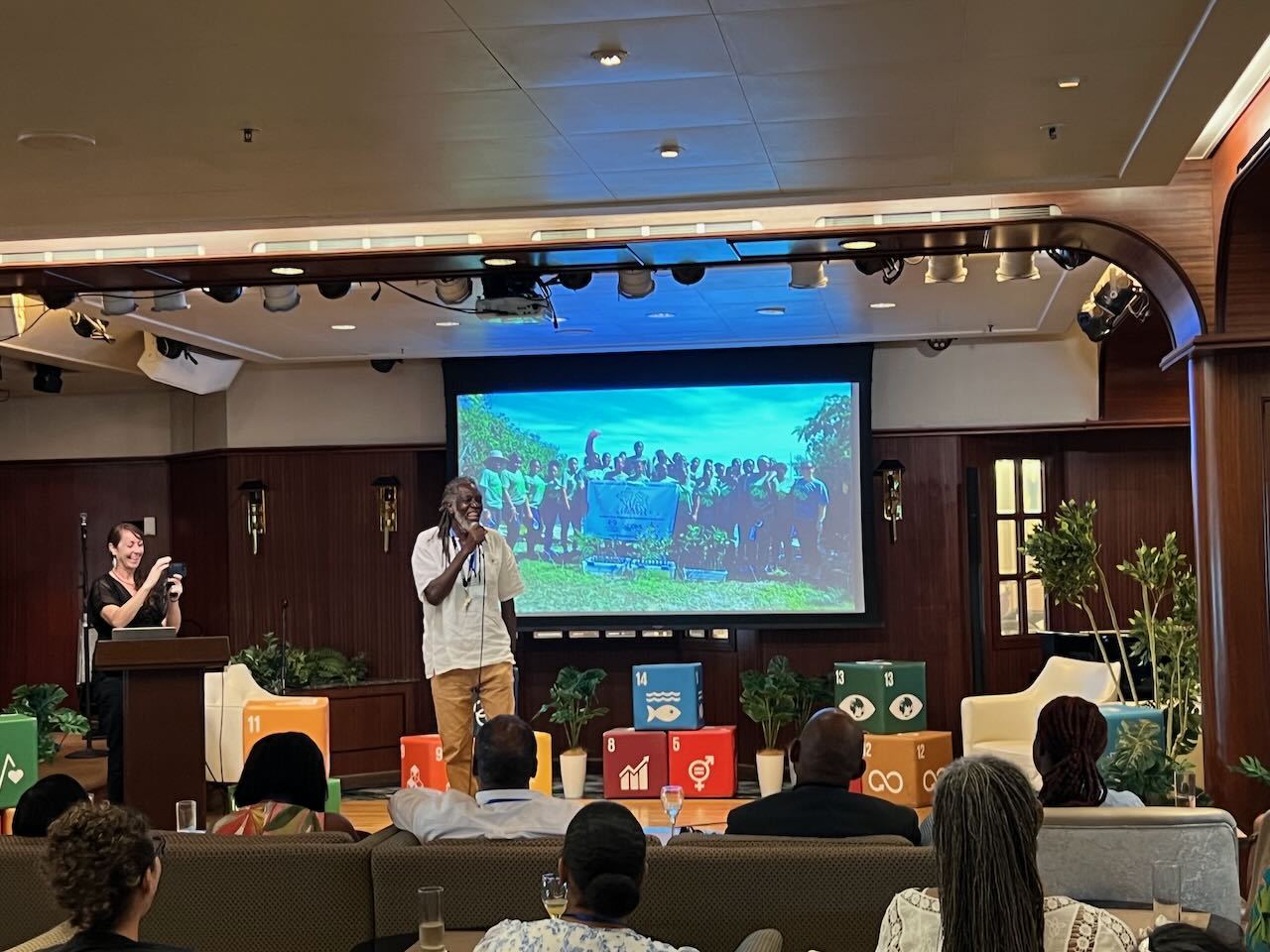
- Firstman, from the Rastafari Indigenous Village, who spoke of cultural knowledge and harmony with nature
- William Brown, Caribbean Shipping Association, discussing blue alternatives for the maritime industry
- Dr. Theresa Rodriguez-Moodie, Jamaica Environment Trust, on safeguarding deep-sea ecosystems
- Sweelan Renaud, EcoSeas Caribbean, youth leaders raising concerns about deep-sea mining
- Robert Wright, Worth Holdings, on Seawater Air Conditioning (SWAC) as a clean energy solution
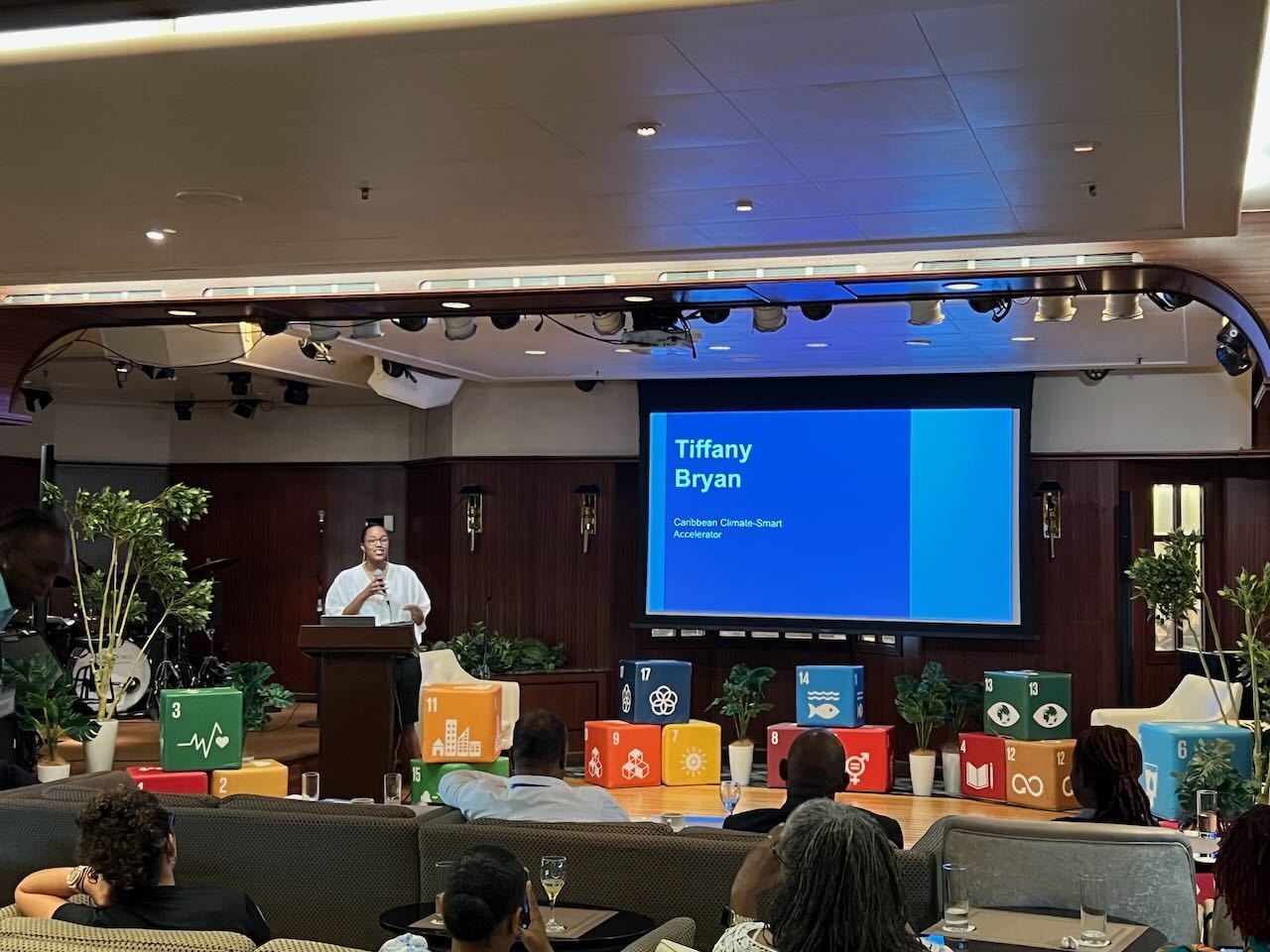
- Tiffany Bryan, Caribbean Climate-Smart Accelerator, on creating a resilient climate-smart Caribbean
Anchored in Purpose
Today’s activities supported several United Nations SDGs. The Blue Economy Forum elevated climate action (SDG 13), life below water (SDG 14), and life on land (SDG 15) by addressing the importance of mangrove conservation and sustainable ocean use. Through discussions on innovative solutions like seawater air conditioning and the risks of deep-sea mining, the forum promoted affordable and clean energy (SDG 7), industry, innovation, and infrastructure (SDG 9), and responsible consumption and production (SDG 12). The J.A.M.I.N. Program and youth participation advanced quality education (SDG 4), while inclusive dialogues with government agencies, educators, and Indigenous voices supported sustainable cities and communities (SDG 11) and reduced inequalities (SDG 10). At its core, the day exemplified partnerships for the goals (SDG 17), proving that collaboration across sectors and generations is essential for a just and sustainable future.
Anchored in shared purpose and inspired by the power of collaboration, we sailed from Montego Bay to Panama more connected than ever to each other, to the ocean, and to the solutions that will ripple far beyond Jamaica’s shores.