Youth for the SDGs Journal – Day 2
We kicked off our second day of the Peace Boat US Youth for the SDGs program with a short journey from Montego Bay to Salt Marsh in Trelawny Parish, Jamaica, where we immersed ourselves in learning about one of the most vital and vulnerable coastal ecosystems: mangroves.
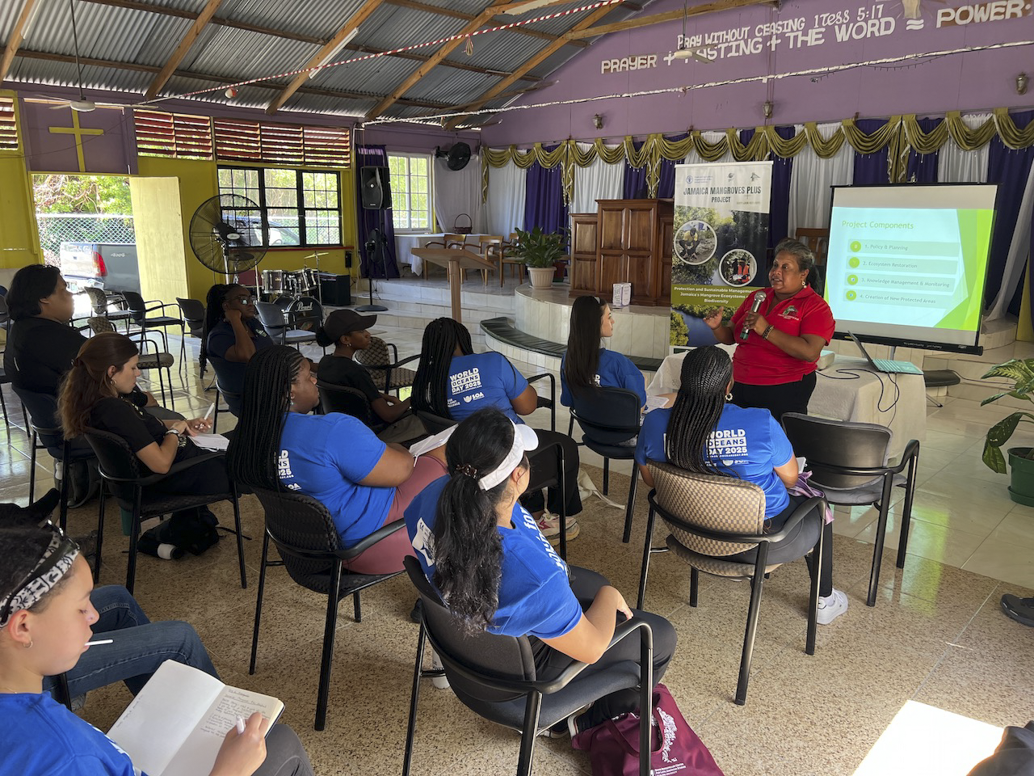
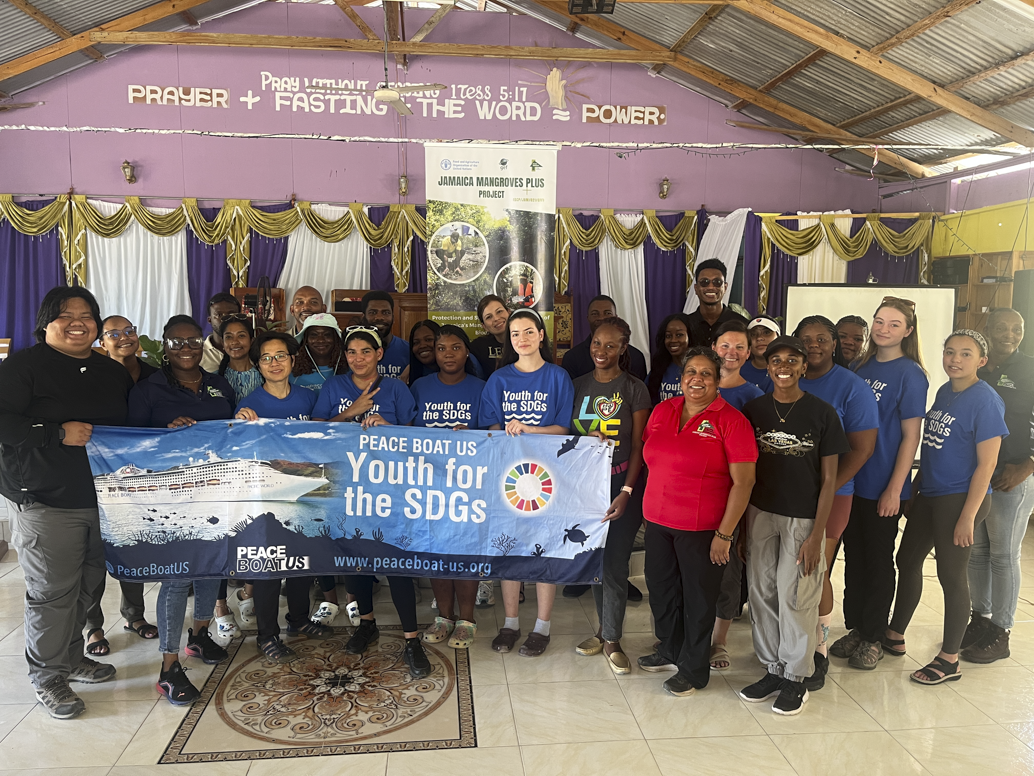
Our day began with a workshop led by the Jamaican Forestry Department’s Mangroves Plus, a Global Environmental Facility (GEF) program focused on the restoration and conservation of mangrove habitats across the island. I was thrilled to co-host this workshop alongside my long-time colleague, Denise Henry, who now serves as Project Coordinator for the initiative. Denise and I have been collaborating on environmental education programs in Jamaica for over a decade. This initiative was the result of months of planning together, with the incredible support of our longtime partner, Dr. Camilo Trench from the UWI Discovery Bay Marine Laboratory (DBML).
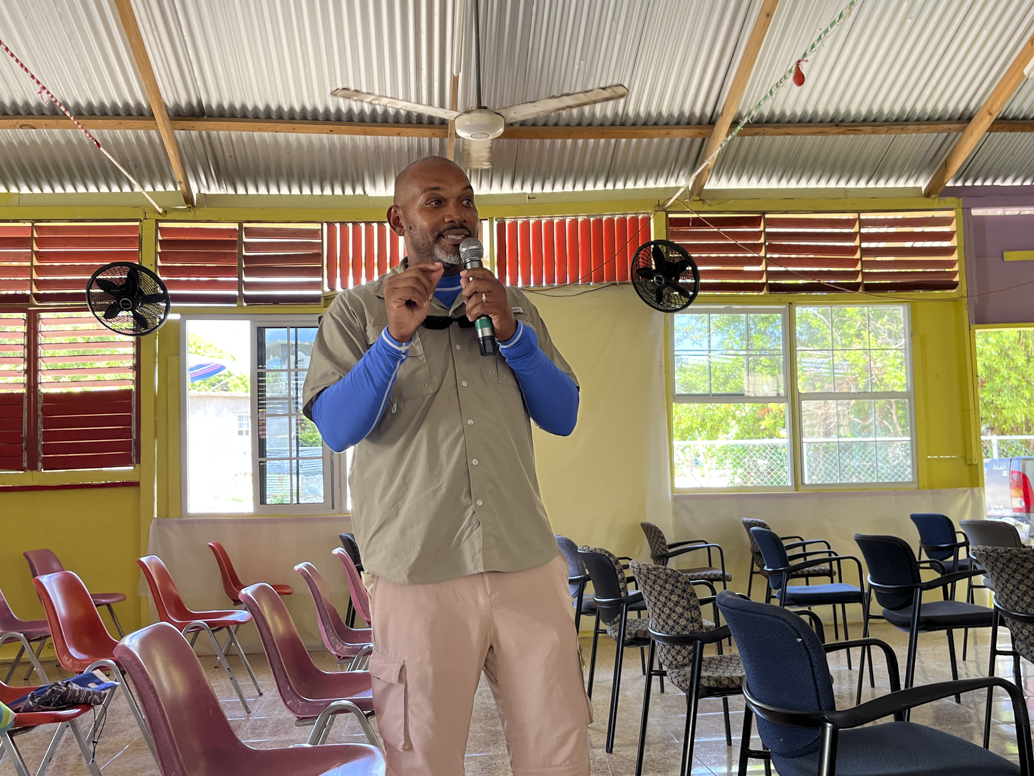
The morning started with an inspiring session led by Denise Henry, who introduced us to the Mangroves Plus Project and its mission to restore and protect Jamaica’s coastal ecosystems. She guided us through the different types of mangrove species in the area, highlighting how each plays a unique role in the ecosystem. We learned that mangroves are more than just tangled trees—they’re biodiversity hotspots, nurseries for fish, powerful carbon sinks, and natural shields against storms and erosion. The youth were actively engaged, asking thoughtful questions, making connections to the challenges in their home countries, and even offering ideas for better mangrove management worldwide.
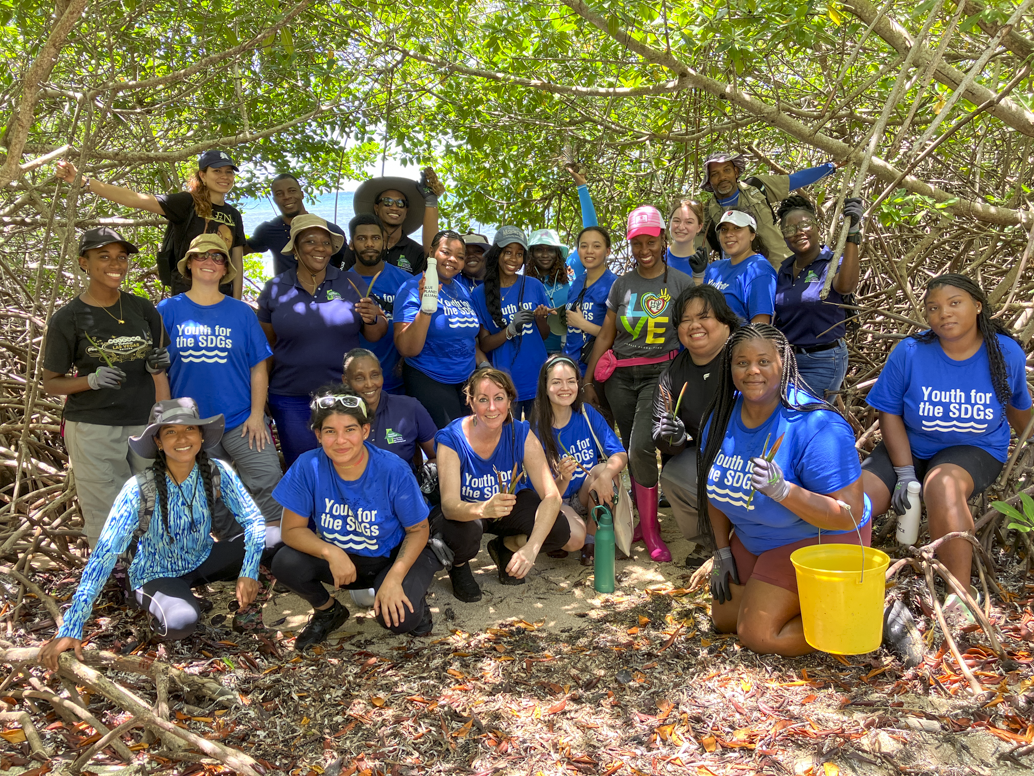
Fueled by curiosity and a new sense of purpose, we laced up our shoes and headed out with Dr. Trench for a guided walk through the mangroves. Getting there was half the adventure. We carefully navigated a path made of old tires laid out to keep us from sinking into the thick mud. With our balance tested and spirits high, we reached an open pocket of the mangrove forest, where we practiced identifying species by examining their leaves, roots, and propagules. Along the way, we rolled up our sleeves for a mangrove clean-up, removing plastic bags and bottles, Styrofoam, and other marine debris trapped in the mangrove roots. We also collected mangrove propagules to use later in the day for planting.
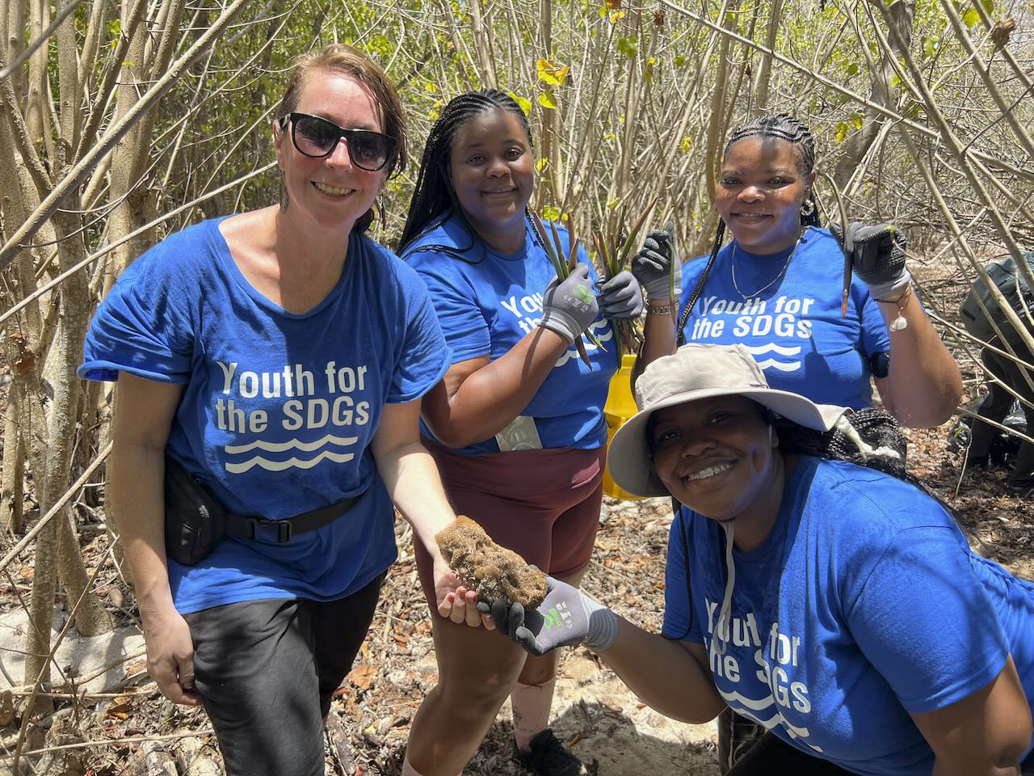
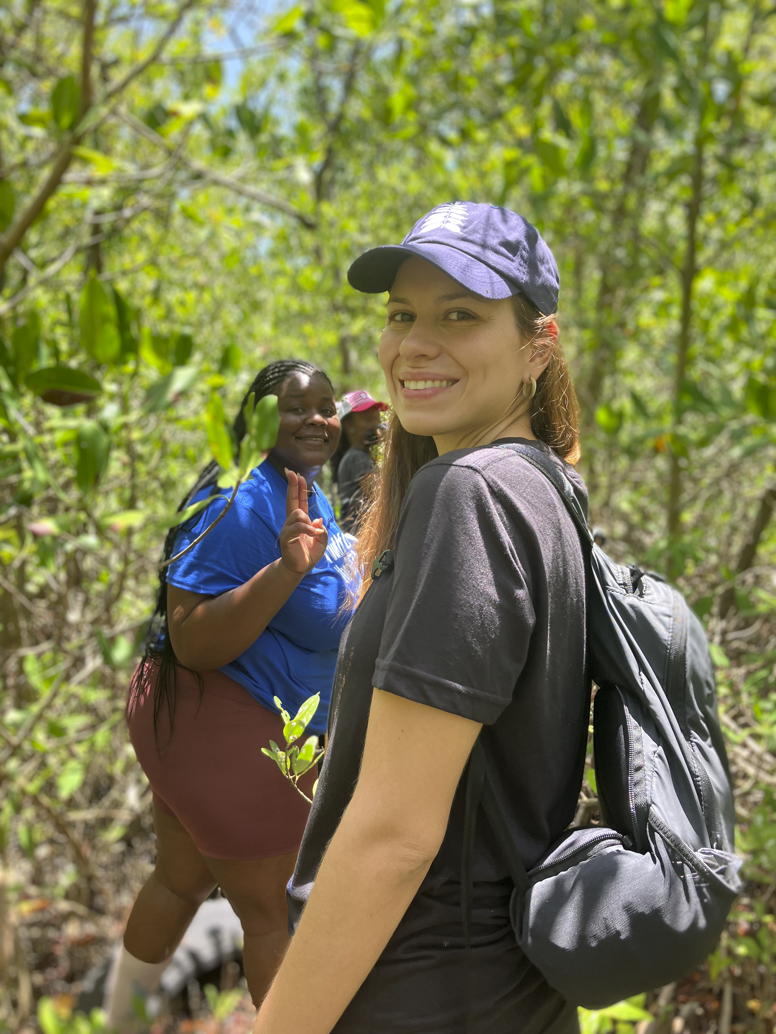
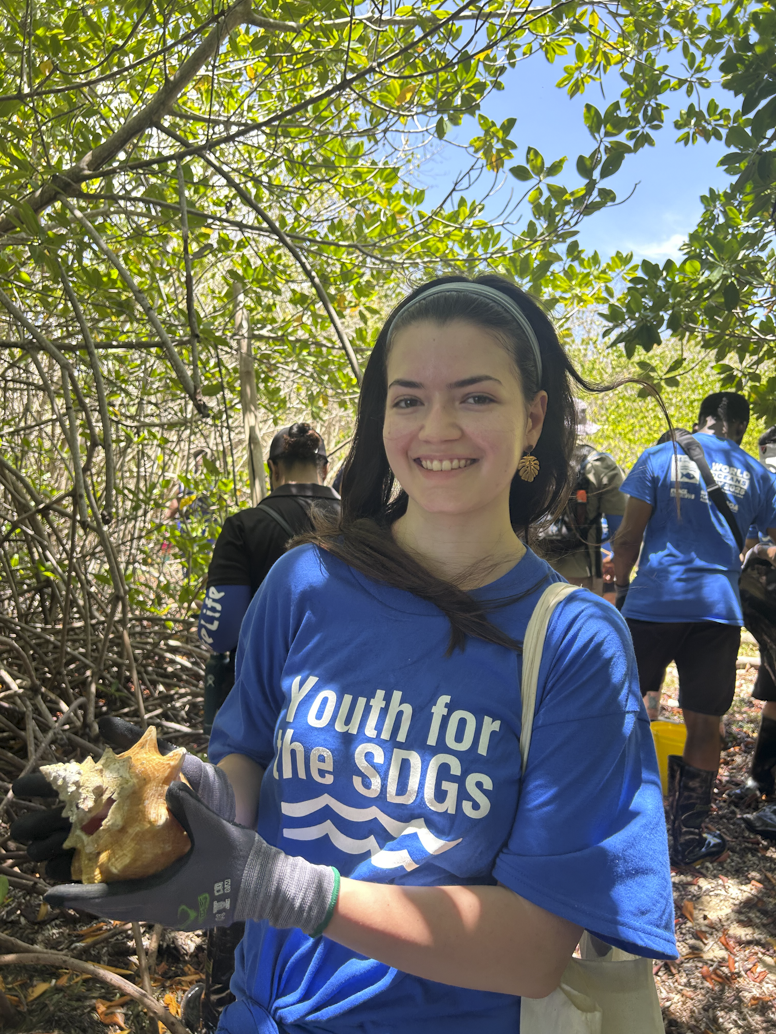
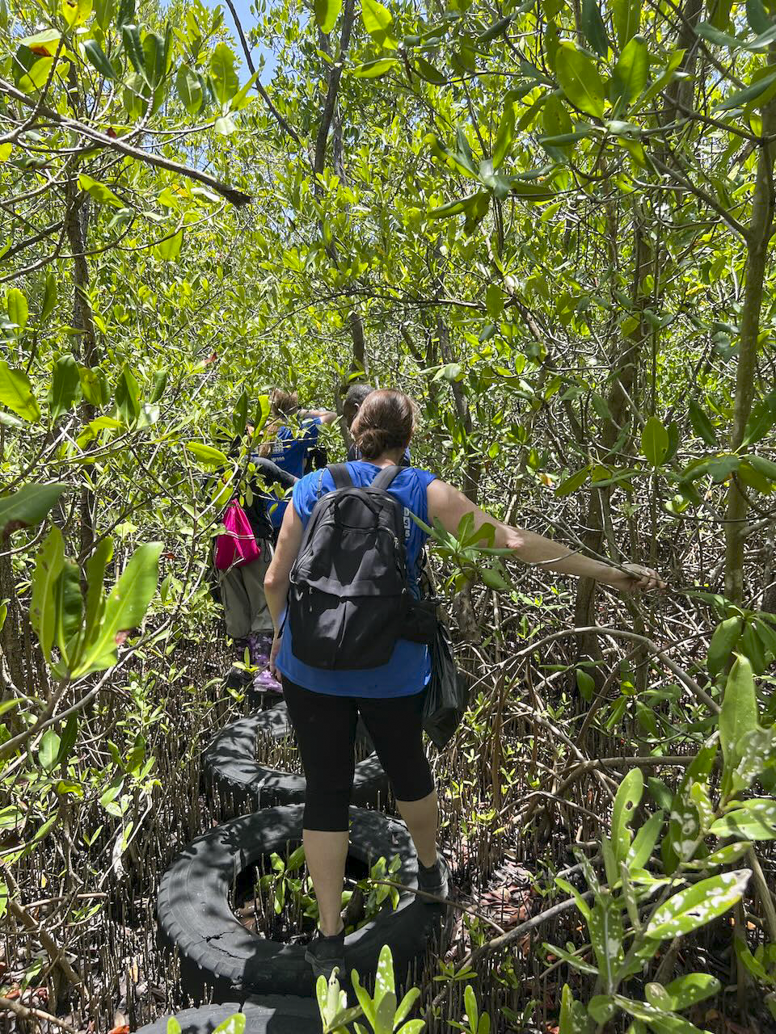
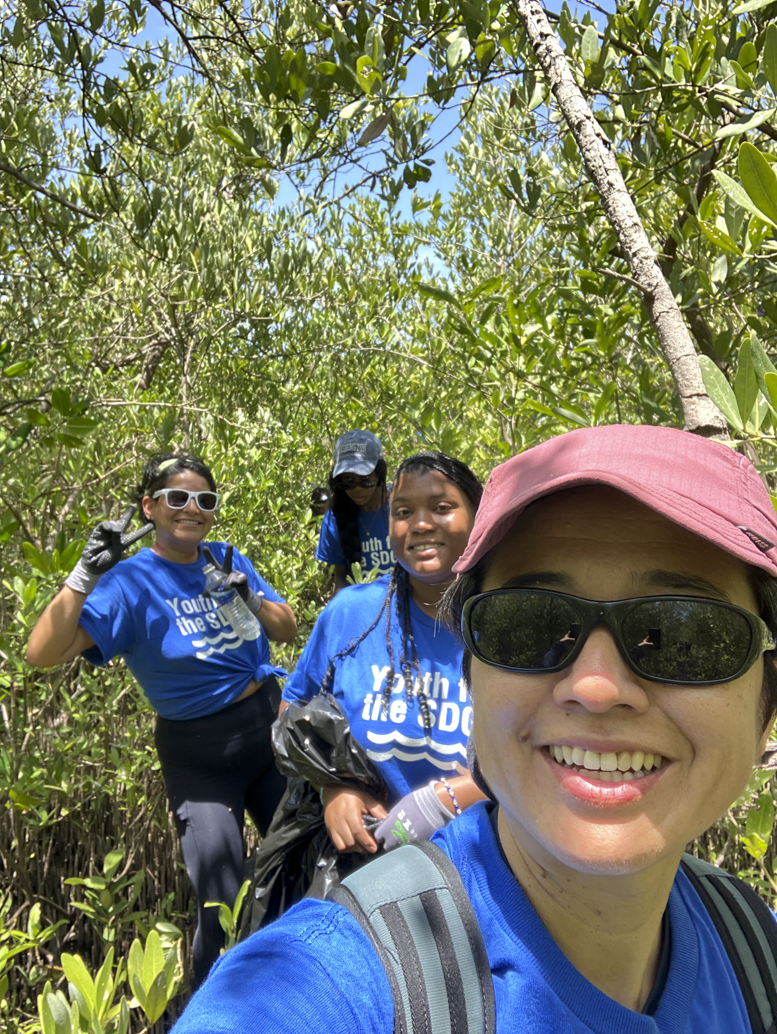
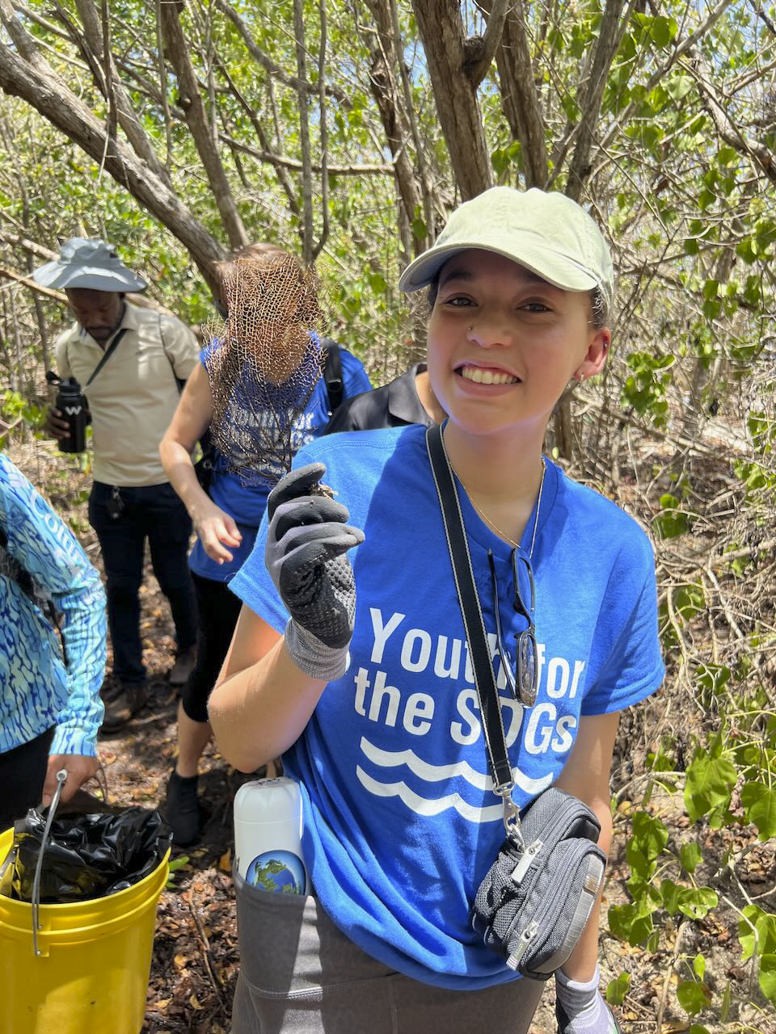
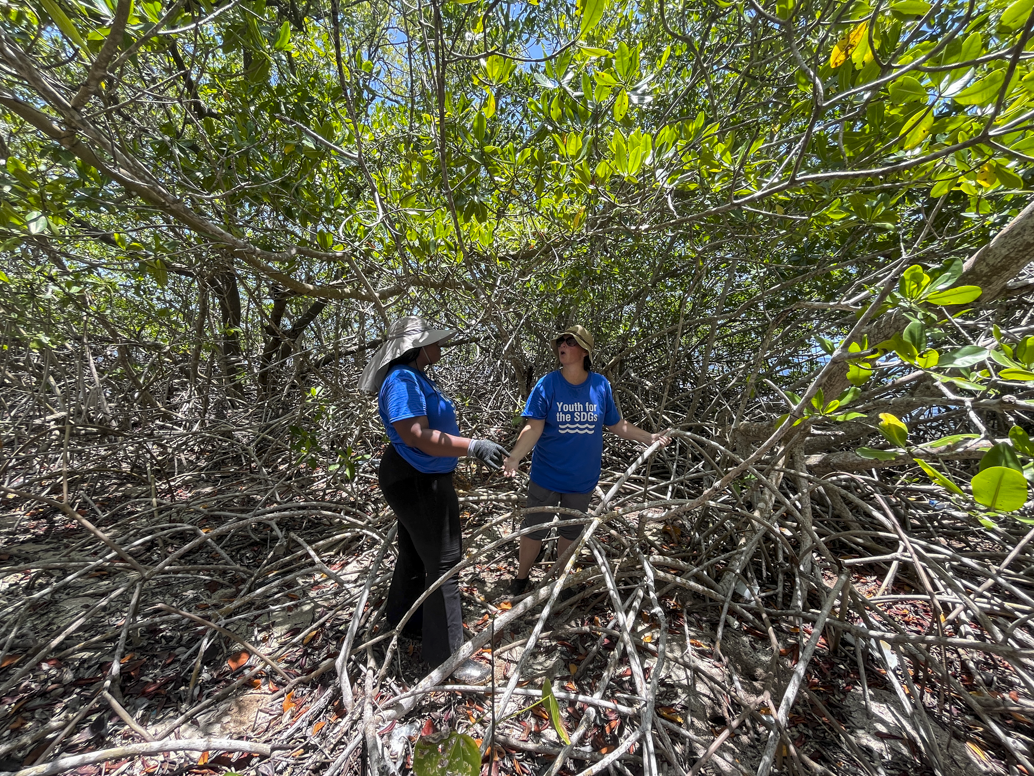
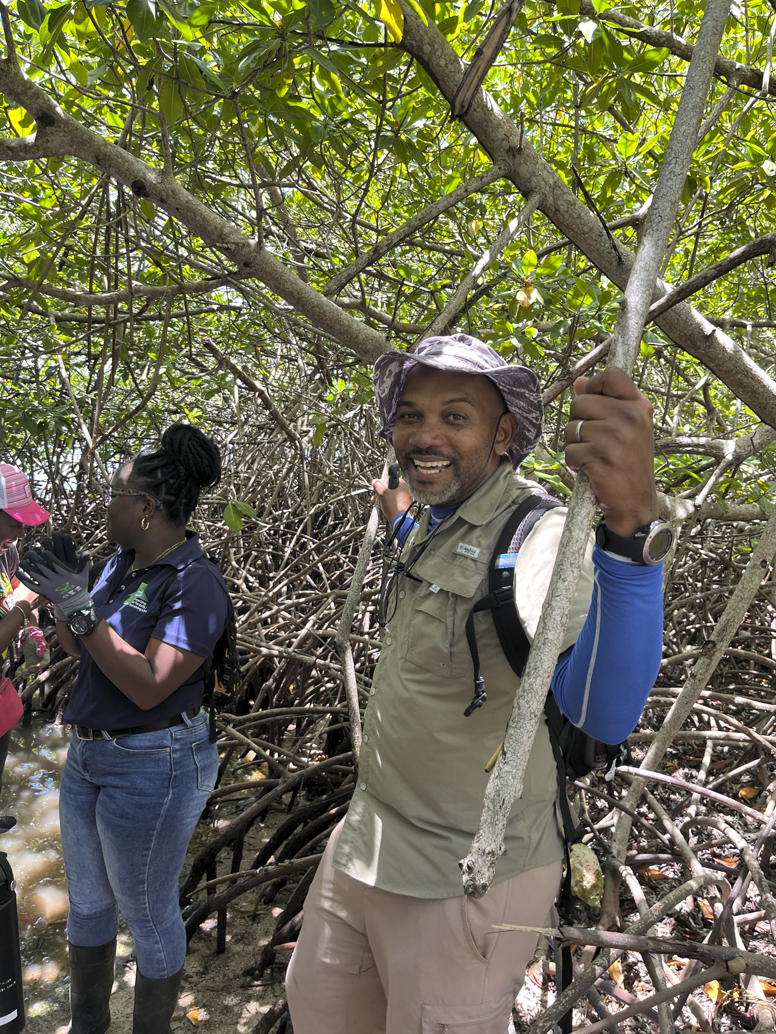
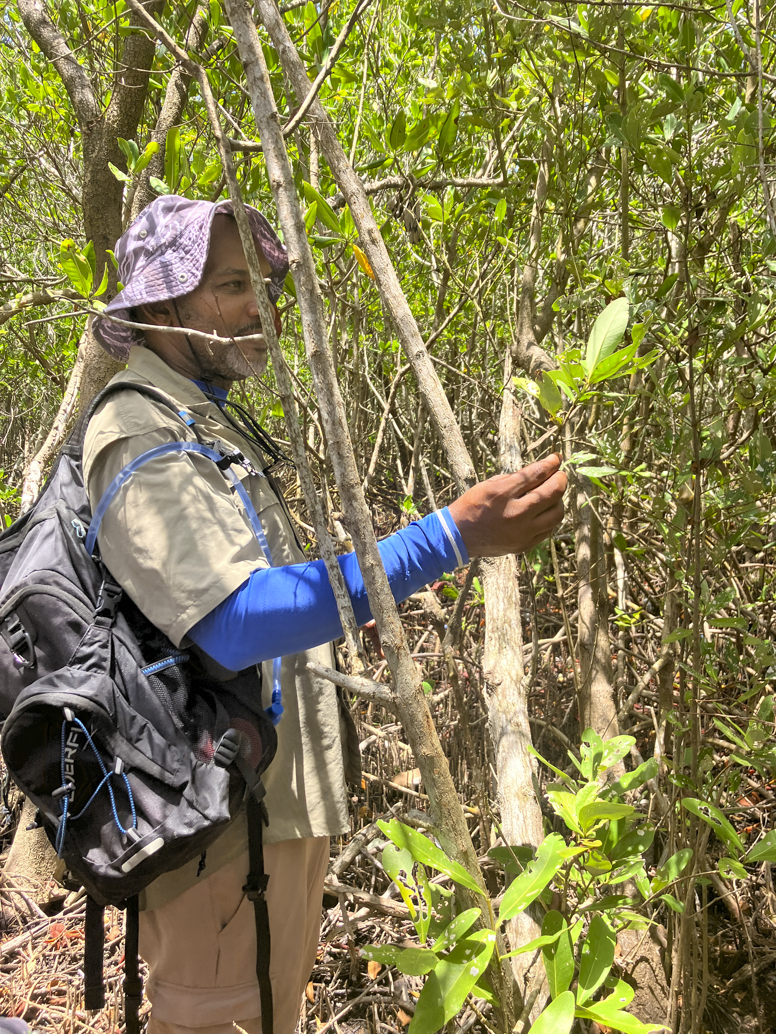
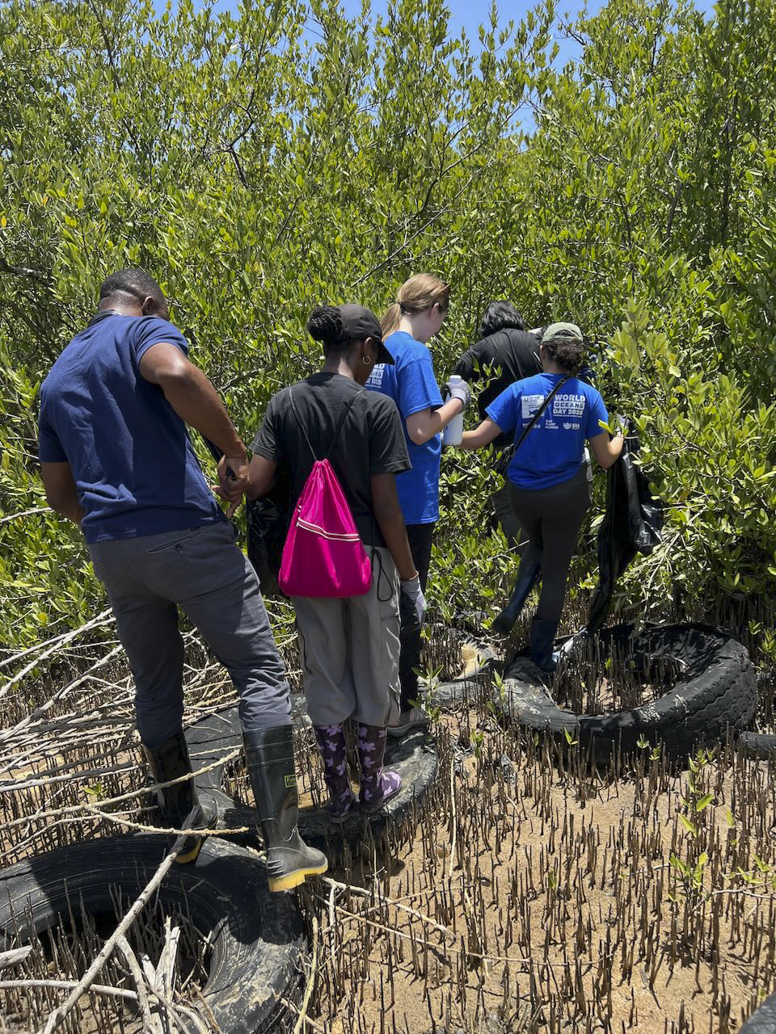
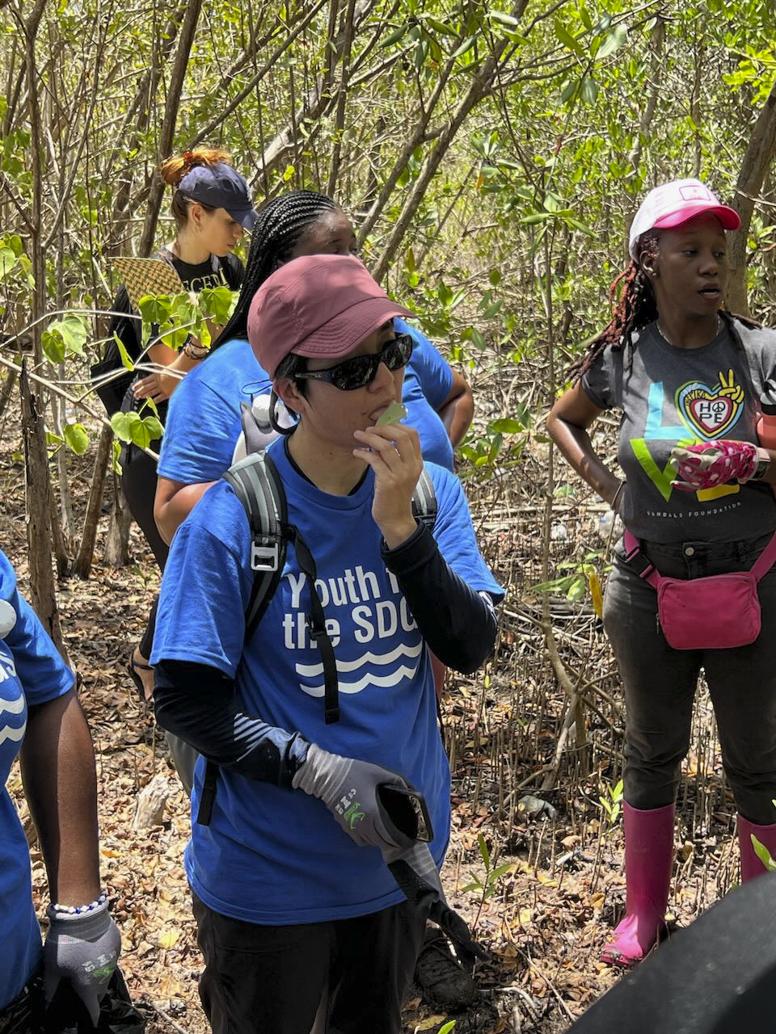
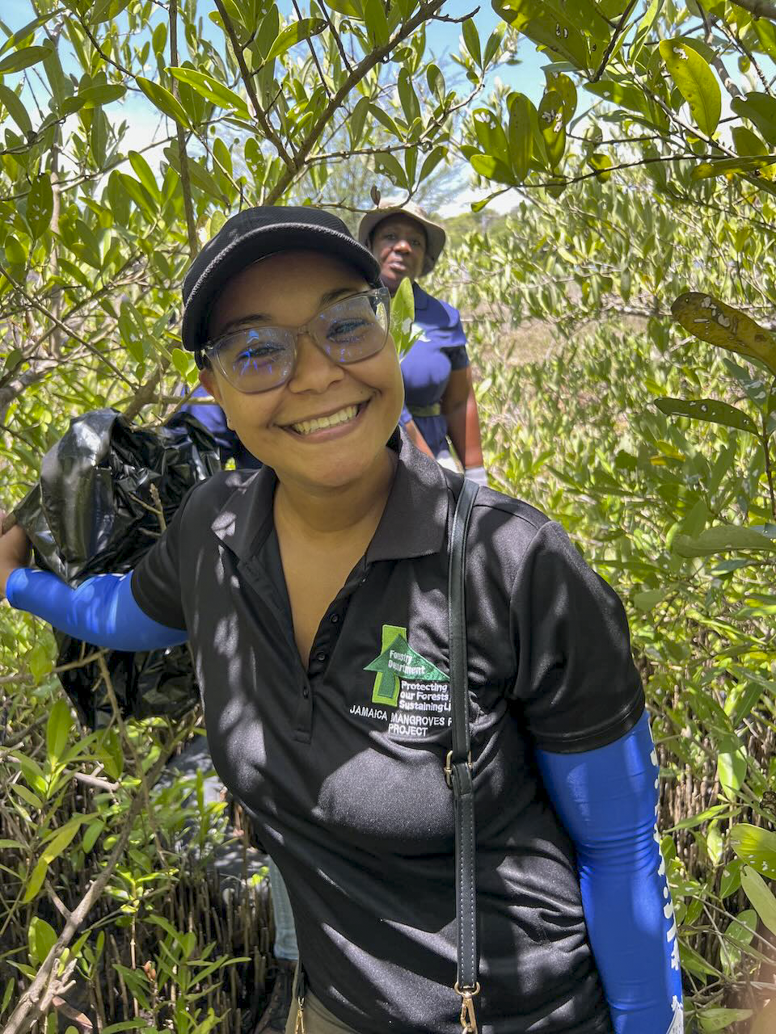
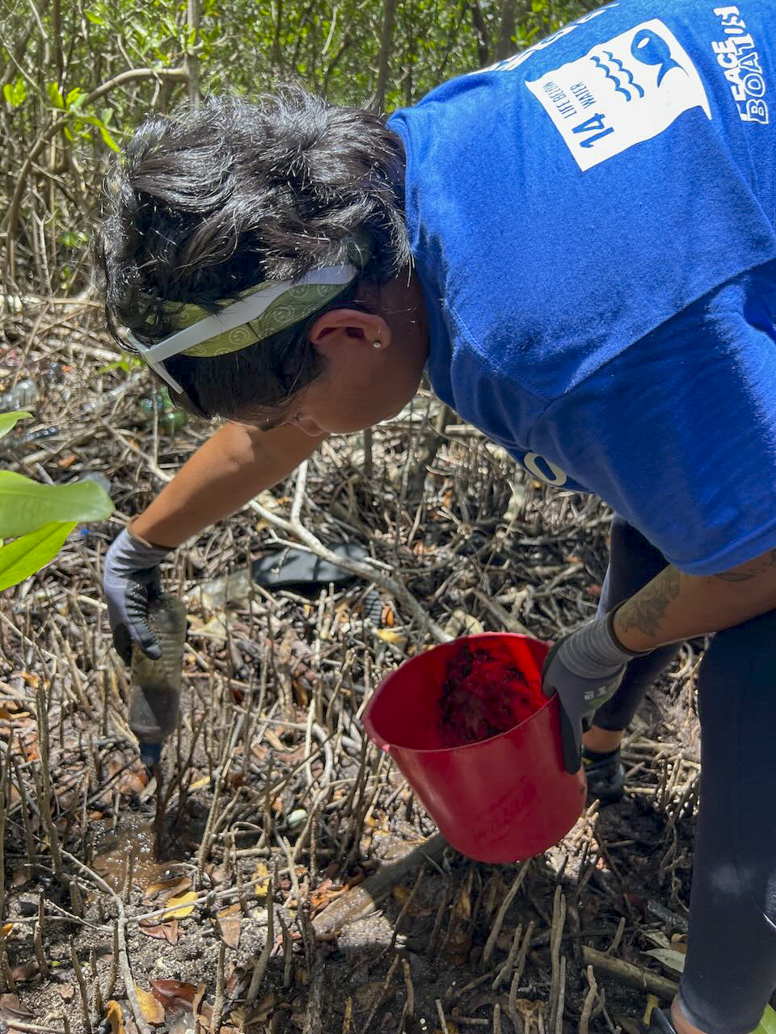
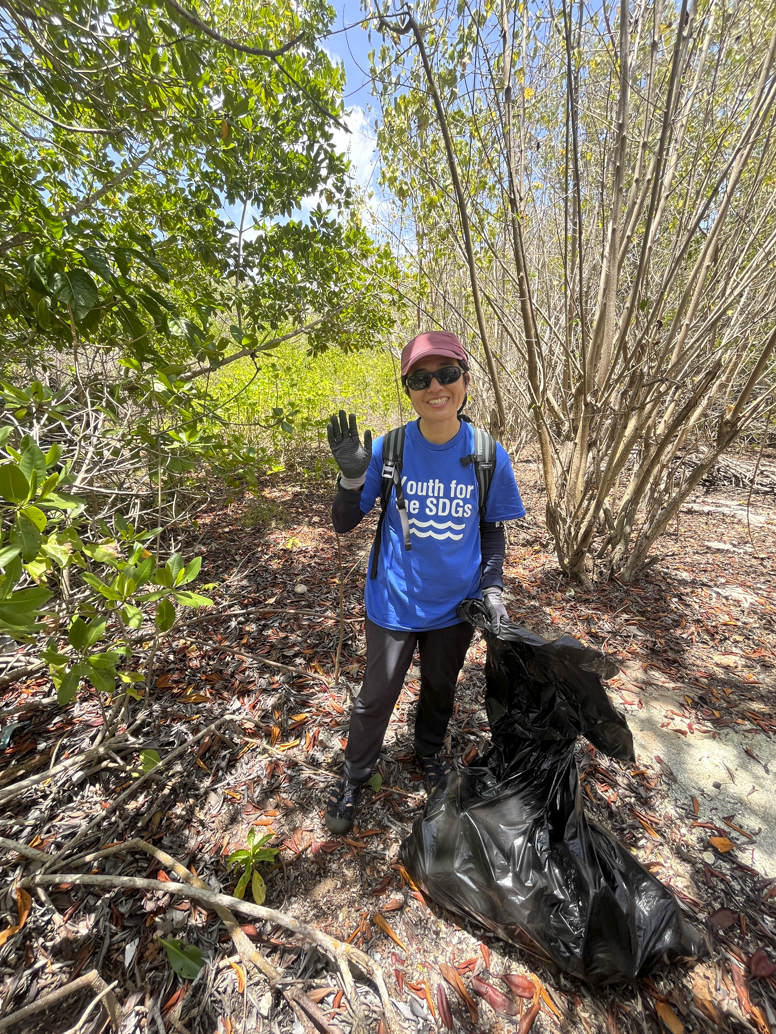
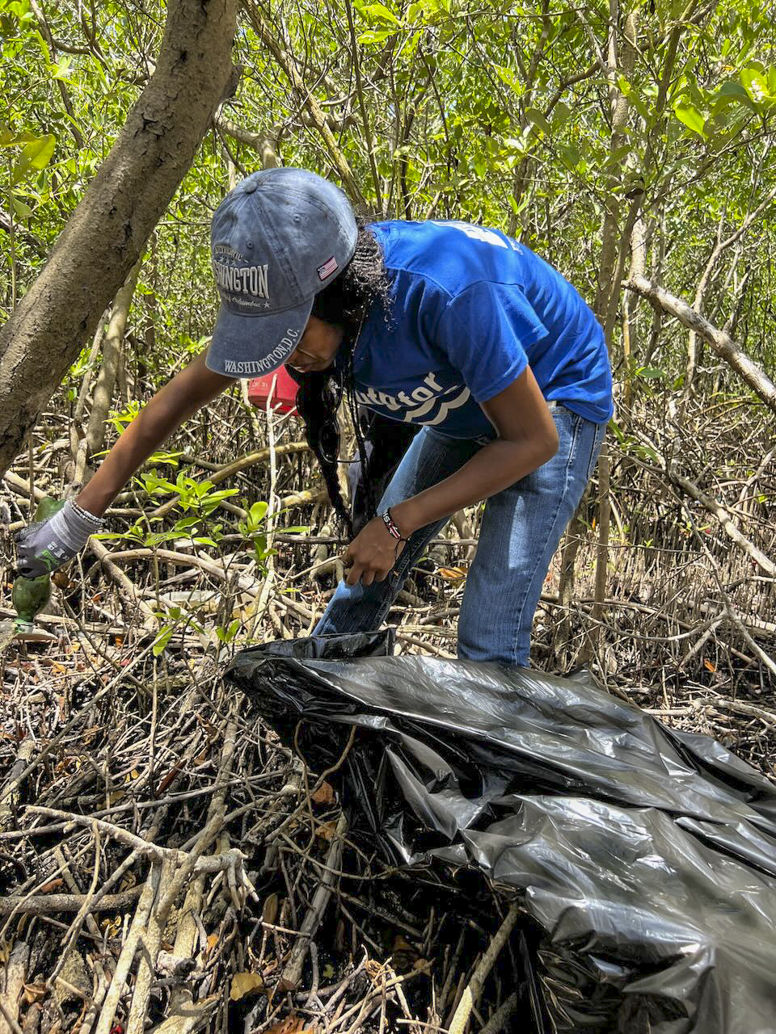
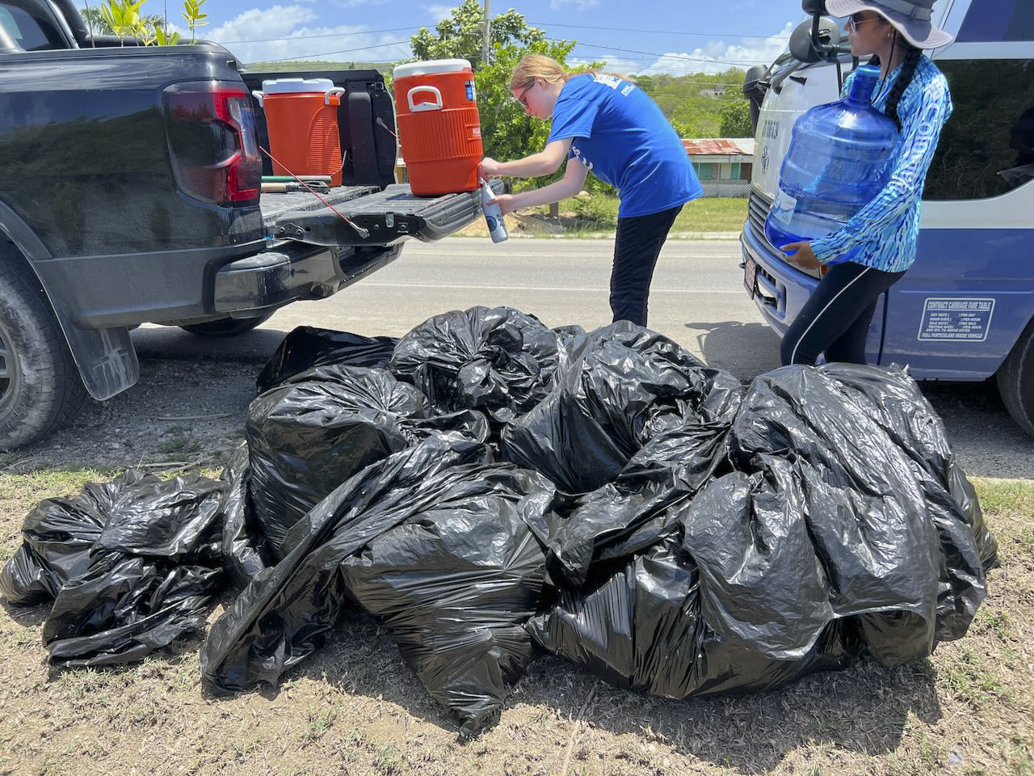
Balancing carefully on a trail of old tires, the group ventured deep into the mangroves. They spotted different mangrove species up close and rolled up their sleeves to clear trash tangled in the roots, taking real steps to help this vital ecosystem thrive.
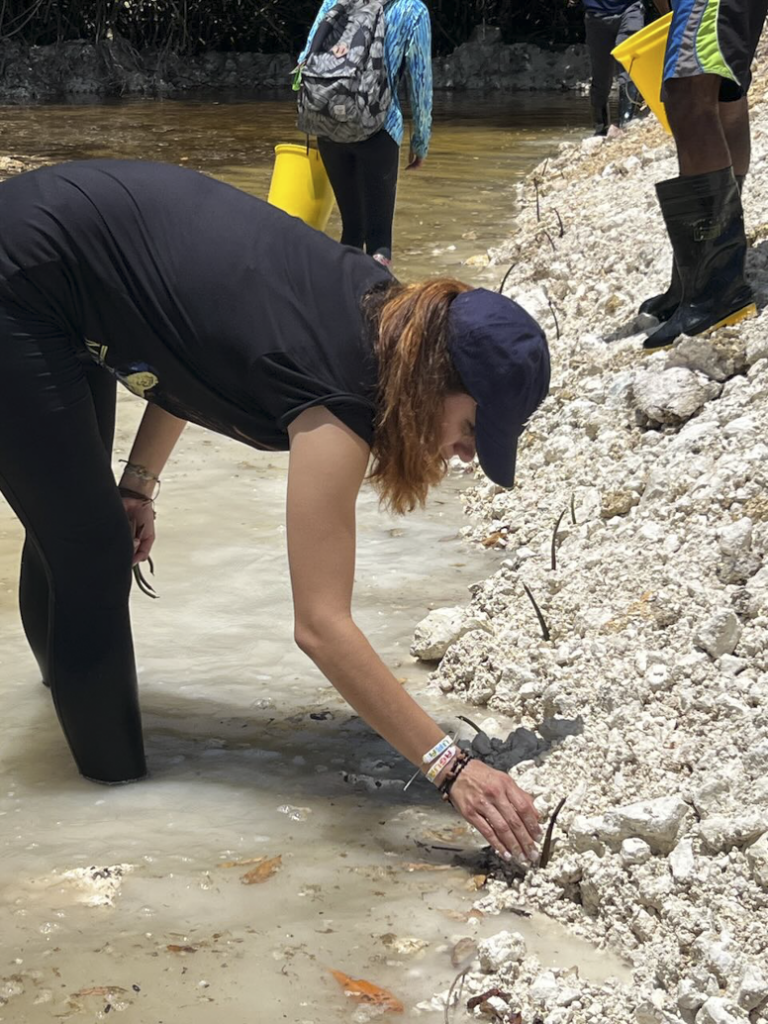
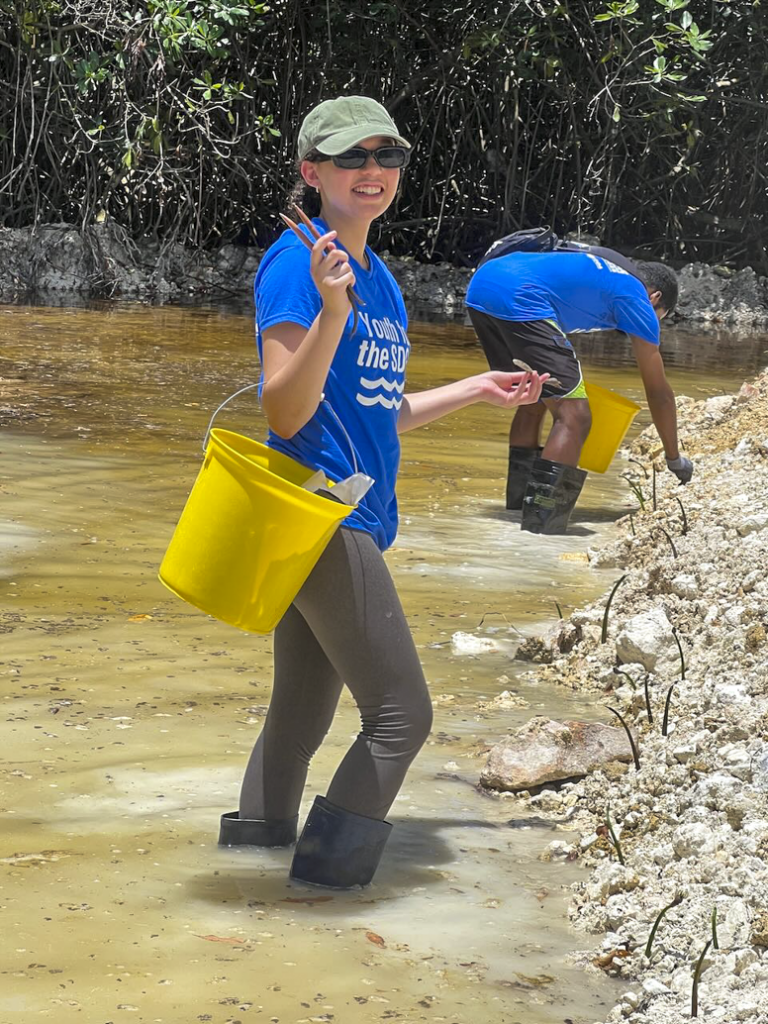
By midday, the group arrived at a nearby restoration site that had recently been cleared of debris. Here, students got their hands dirty—literally—as they planted the collected propagules to support regeneration of the mangrove fringe. It was a powerful way to put learning into action and make a meaningful contribution to the environment.
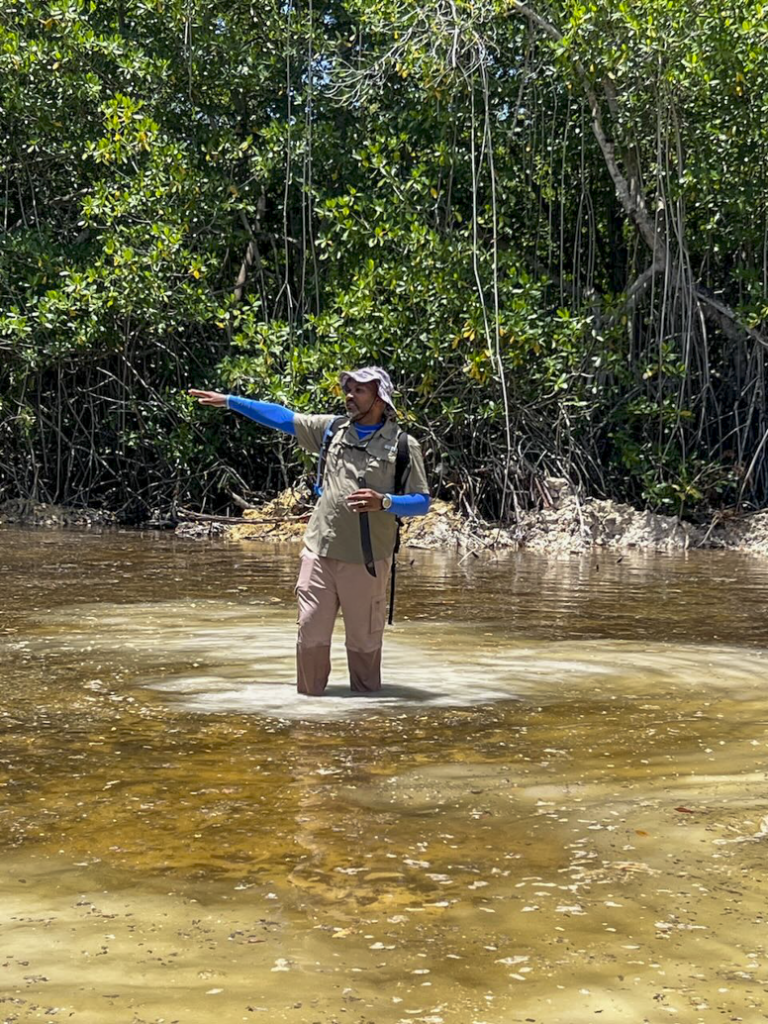
We wrapped up the day with a well-earned lunch by the turquoise-colored sea, reflecting on what it means to restore ecosystems and protect coastal communities. The partnership between Peace Boat US, the Forestry Department, UWI-DBML, and the Khaled bin Sultan Living Oceans Foundation made this workshop a win-win, not just for the students, but for the mangroves themselves. We would like to extend special thanks to the Forestry Department for their support of this initiative.
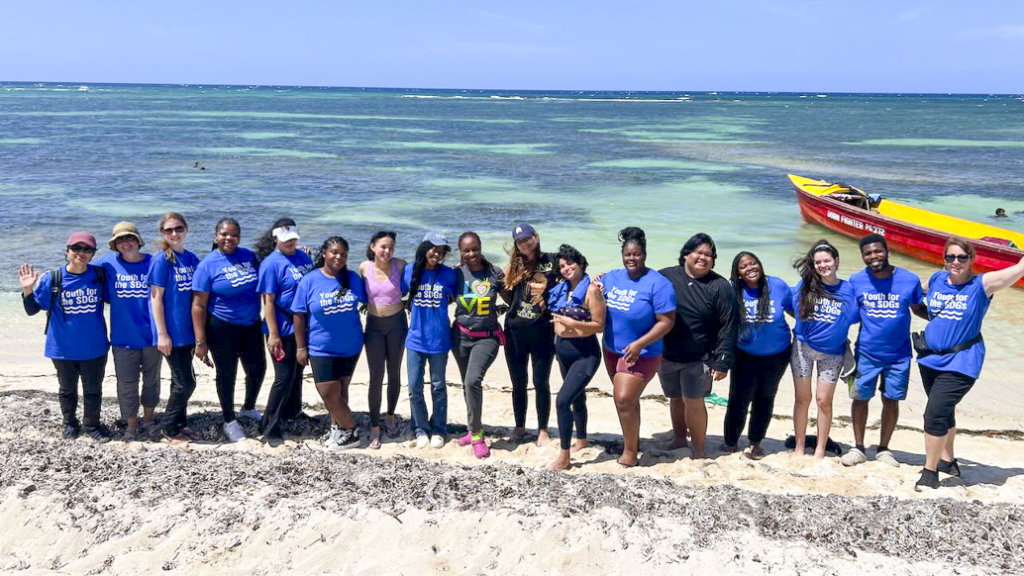
After a rewarding day of restoration and learning, participants gathered by the beach to reflect on the importance of protecting coastal ecosystems and to recharge before the evening’s activities.
To close out the day, we enjoyed dinner at DLE Café MoBay, a local restaurant specializing in healthy, sustainable cuisine. After sharing a short presentation about their practices, the café reminded us that choosing nourishing, planet-friendly meals support both our health and the environment—a fitting end to a day focused on restoring the natural world.
Today’s activities supported several United Nations Sustainable Development Goals (SDGs). Our hands-on mangrove workshop provided opportunities for quality education (SDG 4) and contributed to climate action (SDG 13), life below water (SDG 14), and life on land (SDG 15) through the protection and restoration of vital coastal ecosystems. These efforts also helped strengthen sustainable cities and communities (SDG 11) by improving coastal resilience. Our visit to DLE Café aligned with good health and well-being (SDG 3) and responsible consumption and production (SDG 12), showing how thoughtful food choices support both personal health and the planet. Underpinning it all was partnerships for the goals (SDG 17), as diverse organizations came together to advance shared sustainability objectives.
Rooted in purpose and strengthened by partnership, we left Salt Marsh not only with muddy shoes, but with a deeper commitment to protect the planet that sustains us.