Youth for the SDGs Journal – Day 5
Today marked a significant milestone in our journey—our first port of call in Latin America. We woke up to the gentle hum of the Peace Boat docking in Cristóbal, Panama. After a day of learning and connecting at sea, the promise of setting foot on land brought fresh energy and anticipation.
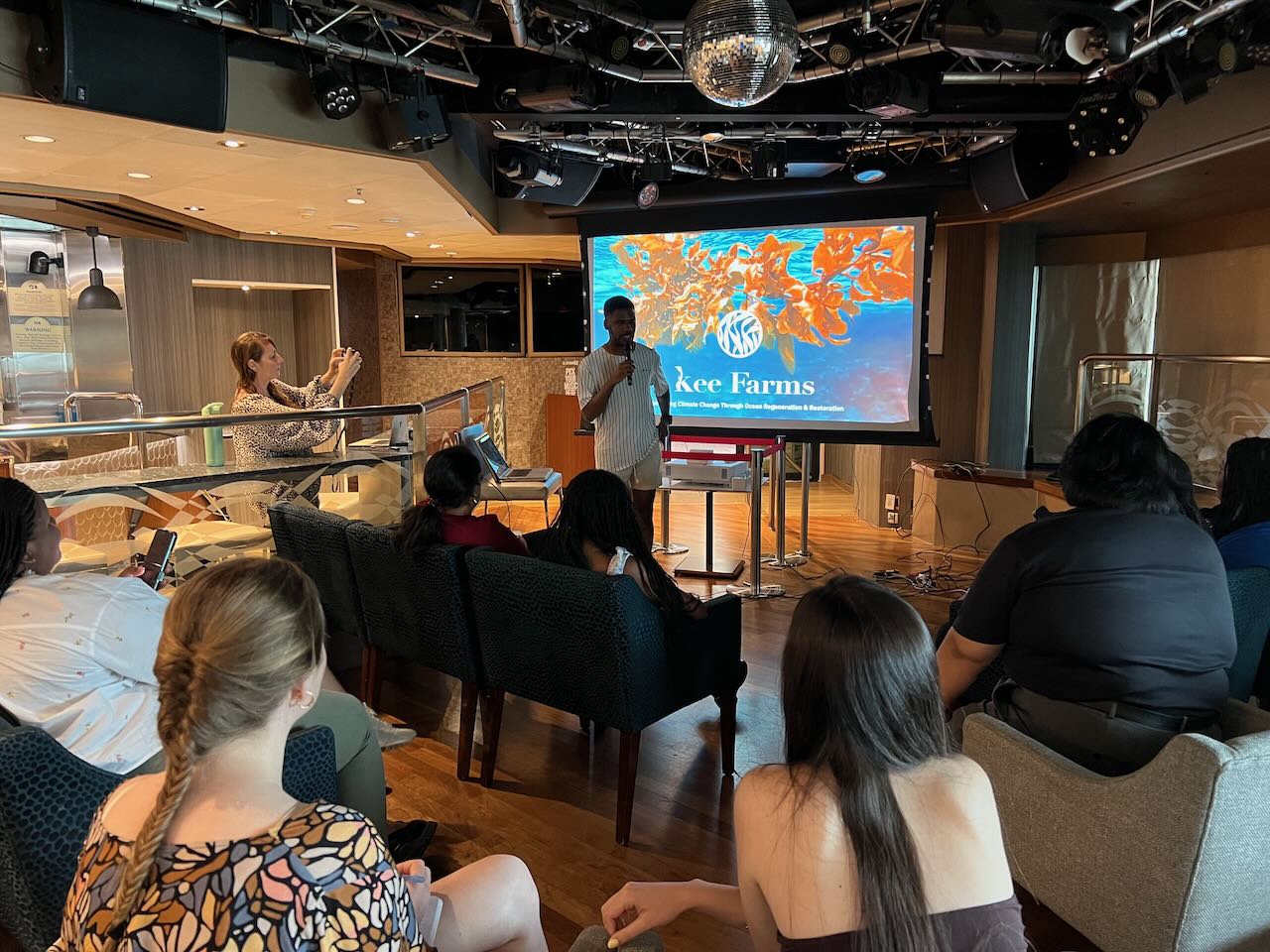
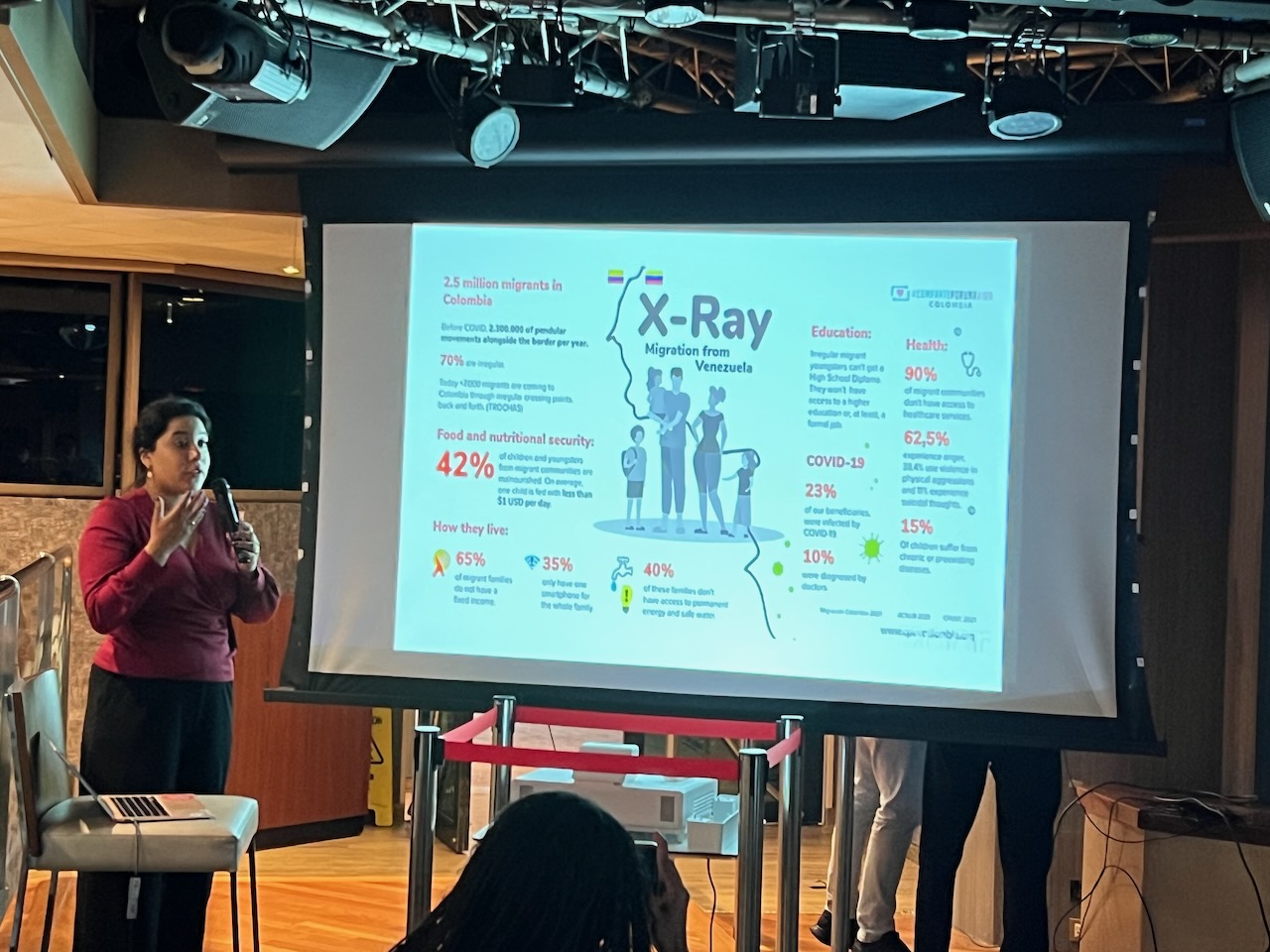
The morning began with a dynamic series of youth-led workshops. Kerese spoke about clean energy initiatives in St. Kitts & Nevis, inspiring us with her work to create a sustainable future for Small Island Developing States (SIDS). Karen shared a deeply personal and thought-provoking presentation and activity on the migration experiences of Venezuelan and Haitian communities, highlighting the complex challenges of human mobility, displacement, and human rights. Nicholas introduced us to his seaweed farming project in Jamaica, which partners with local fishers to build sustainable livelihoods while addressing climate resilience.
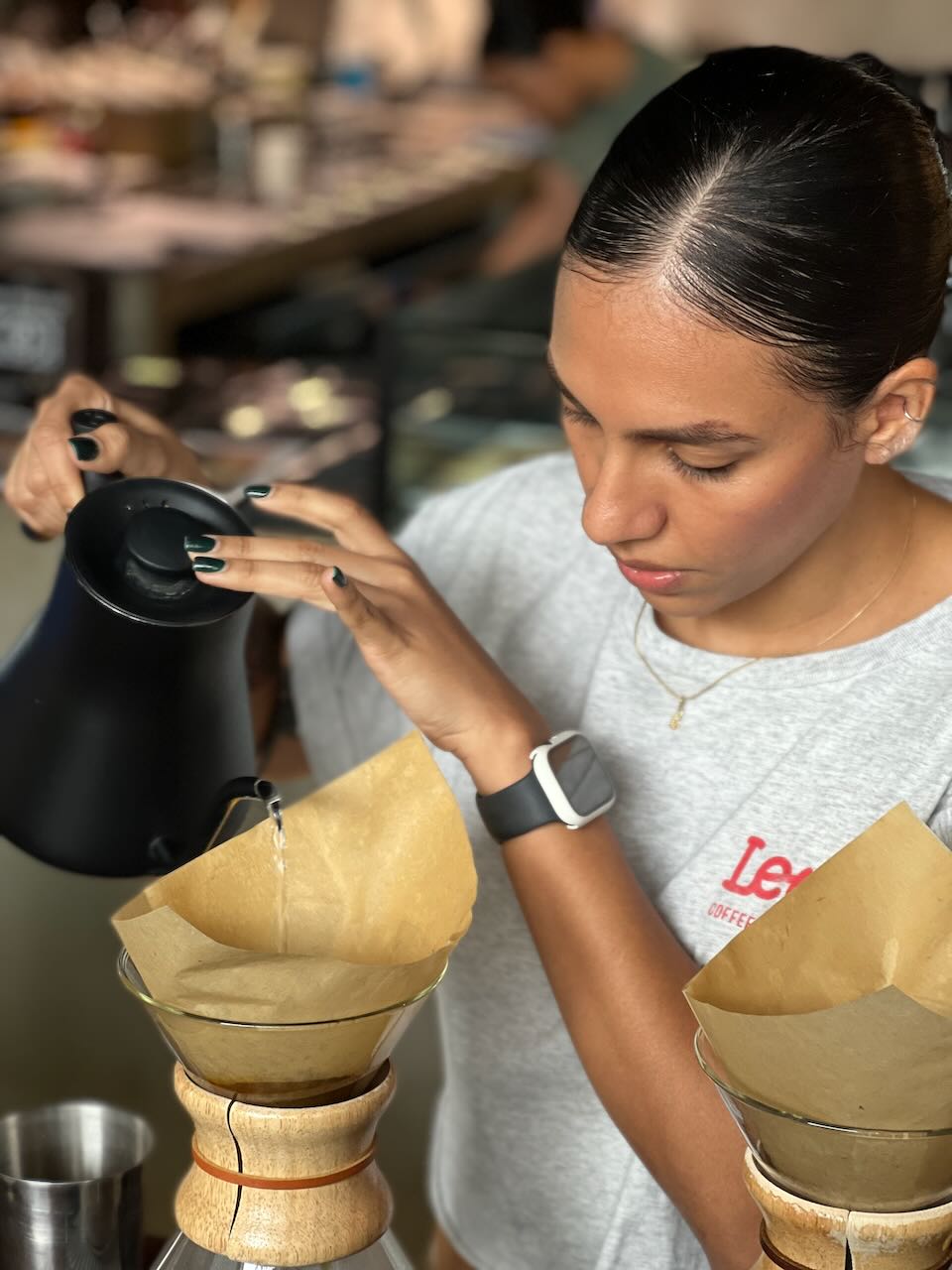
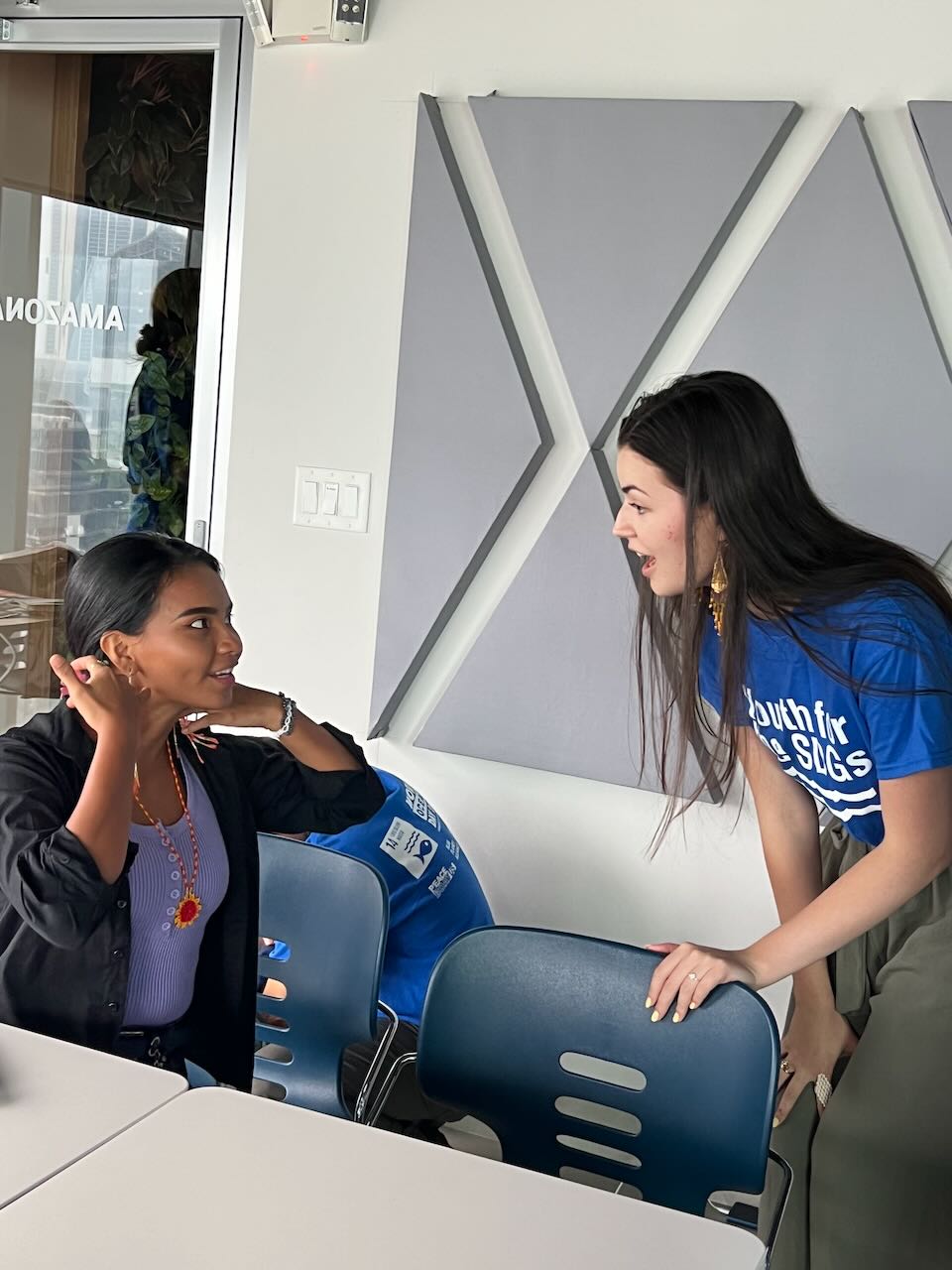
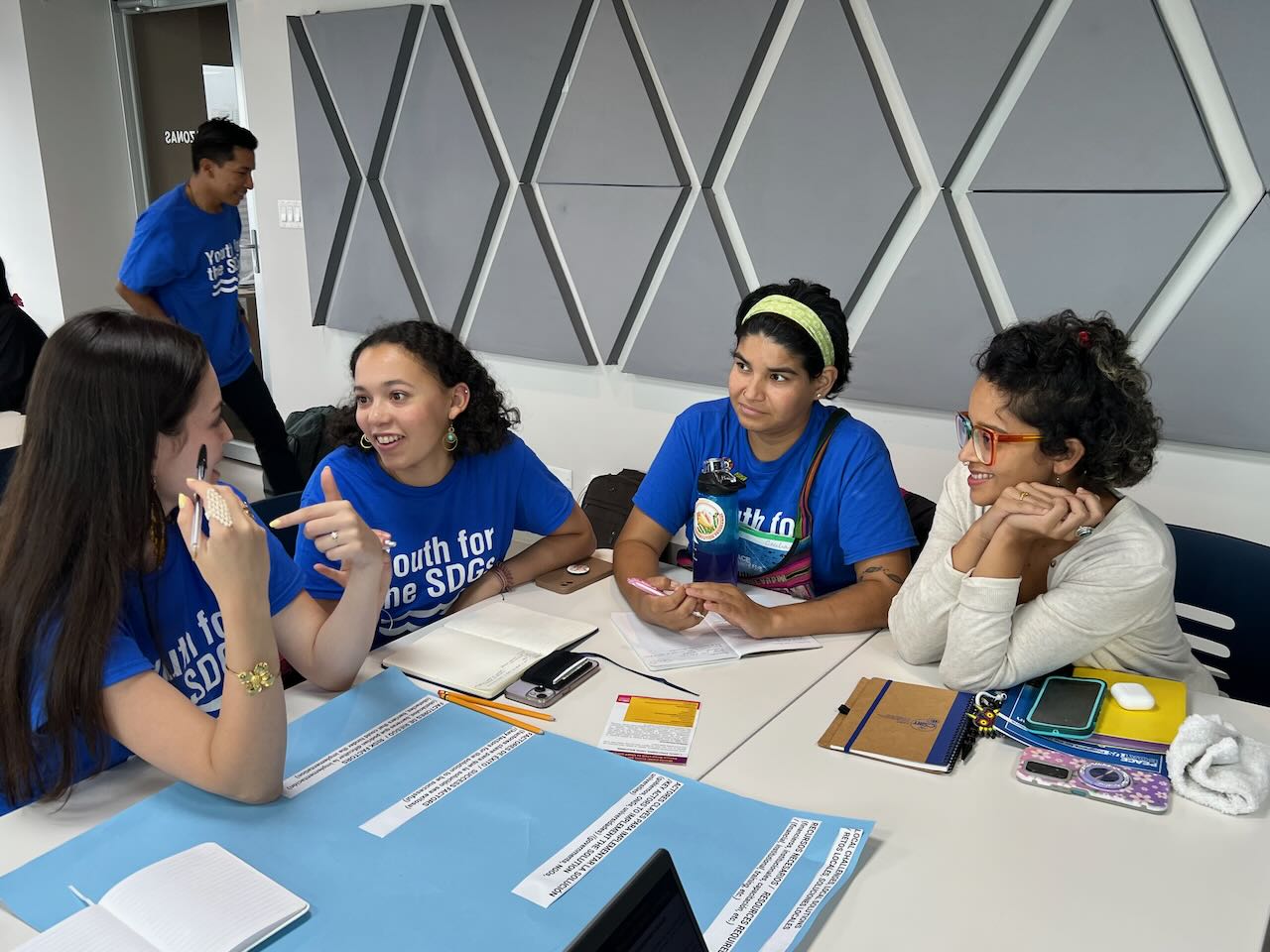
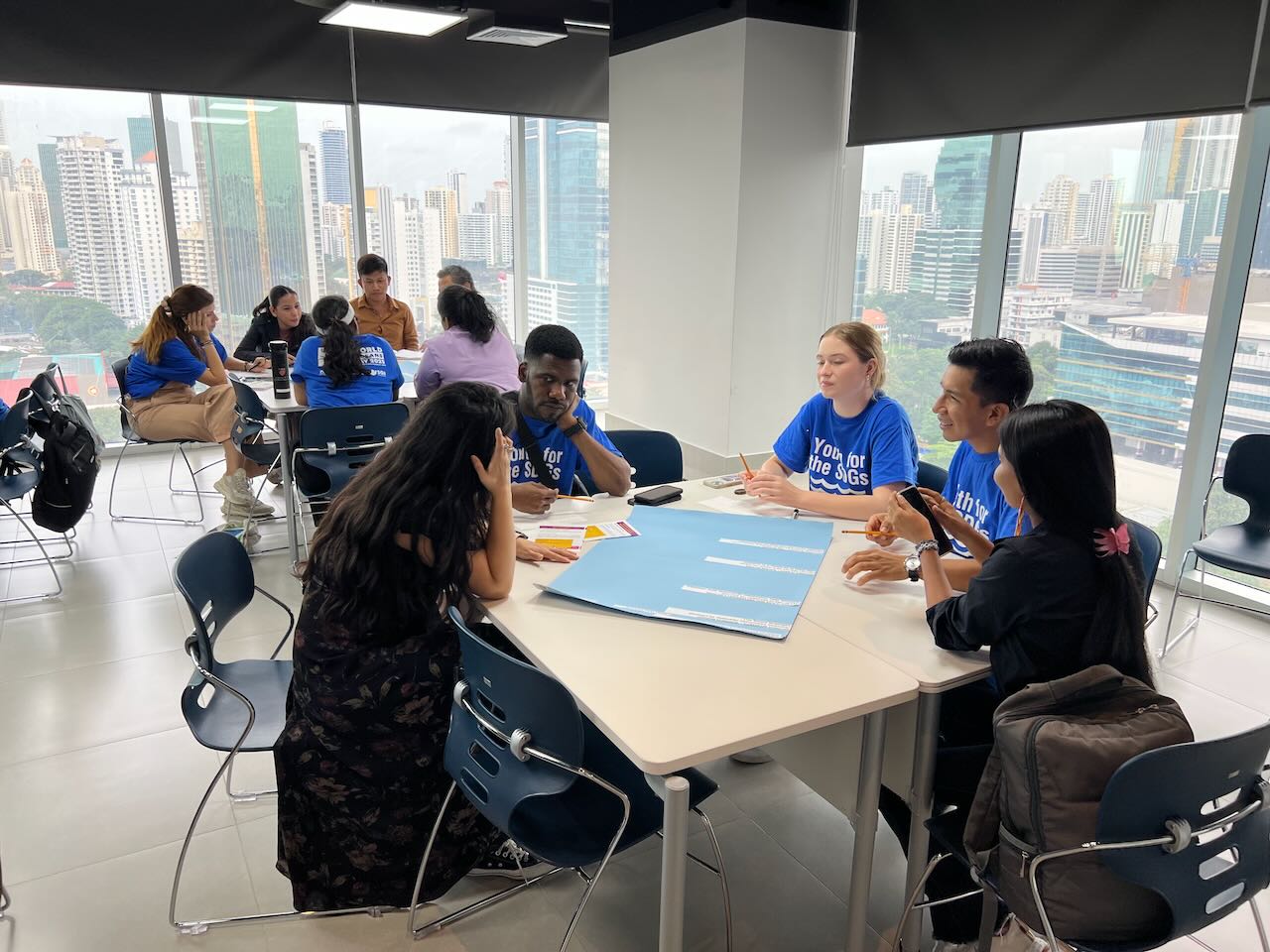
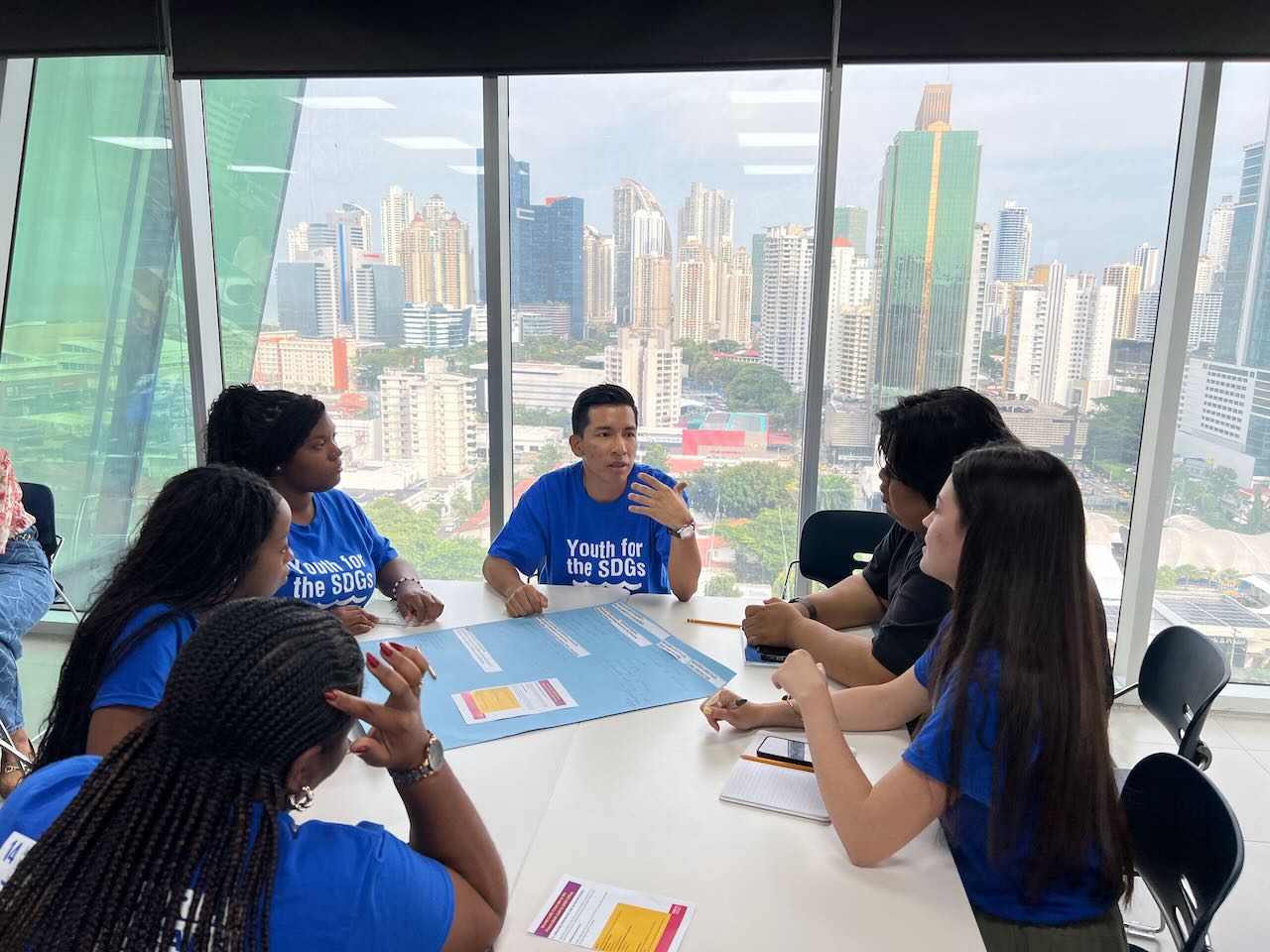
After a quick lunch, we headed straight into a full afternoon ashore. Our first stop was a cultural exchange with a local coffee tasting, a rich and aromatic introduction to Panama’s agricultural heritage. We then made our way to the United Nations Environment Programme (UNEP) regional office, where youth took part in a “World Café: From Me to We” workshop alongside youth representatives from UNEP and UNDP. Our host was Gloria Ordoñez, an Education, Youth, and Sustainable Lifestyles Specialist at UNEP, and also a Youth for the SDGs Alumni. Presented with real-world local challenges, youth worked in diverse groups to develop collaborative solutions, each bringing a unique global perspective to the table. They outlined the necessary resources, identified key stakeholders, analyzed success factors, and discussed potential risks, putting systems thinking and cross-cultural collaboration into action.
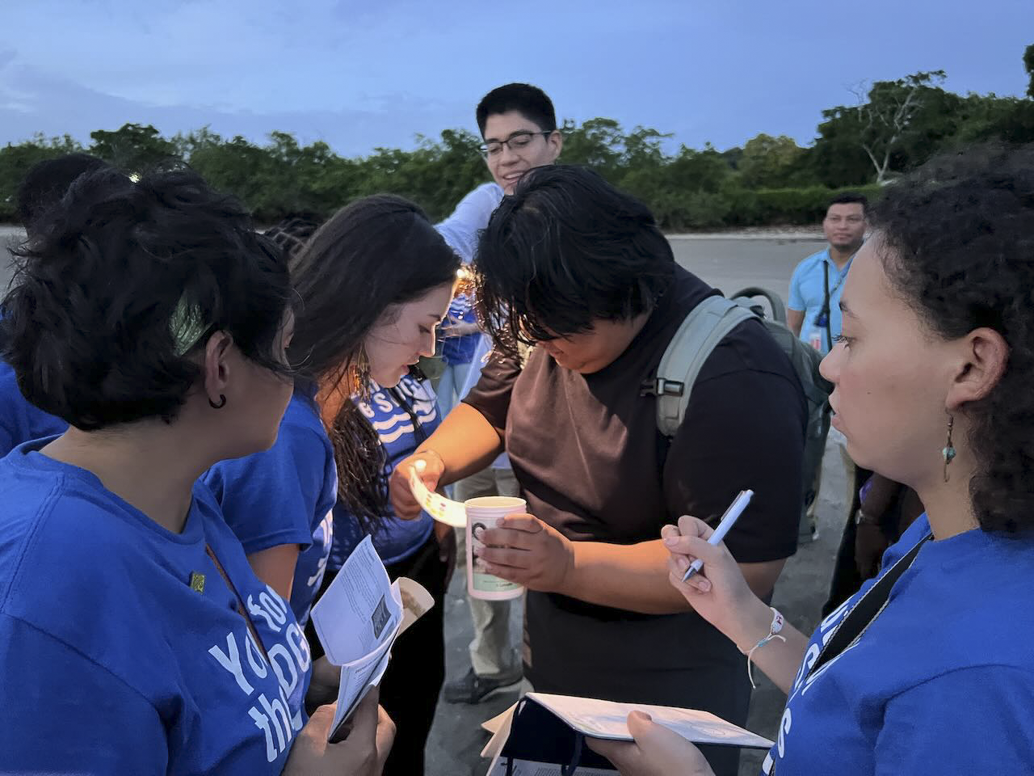
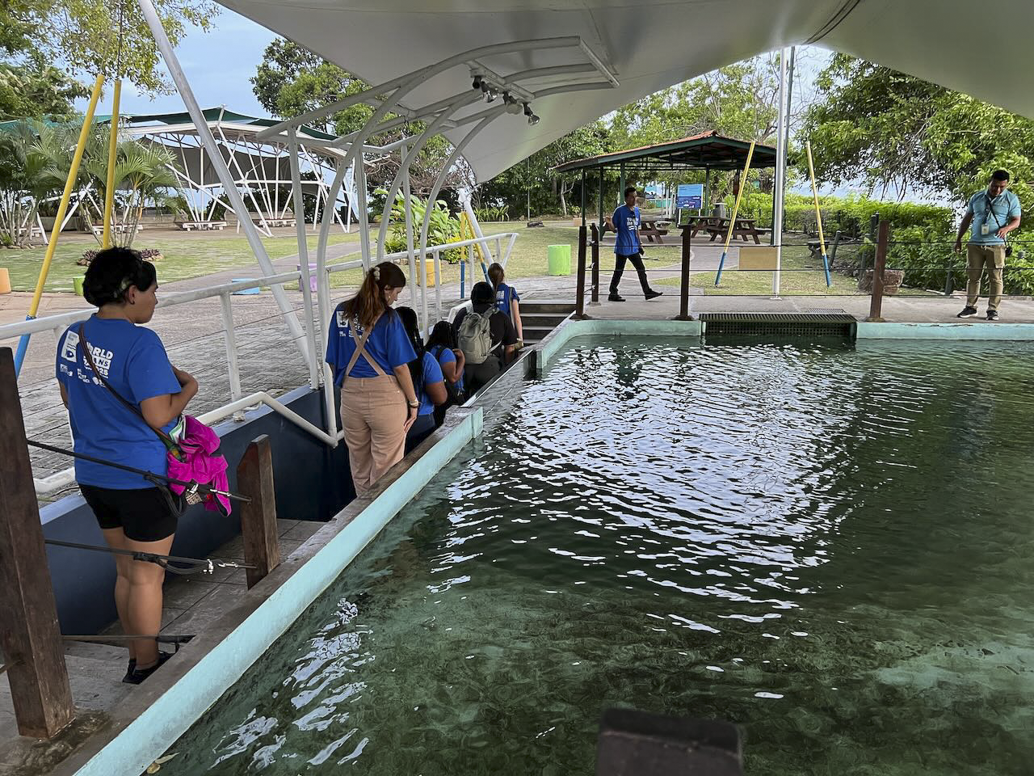
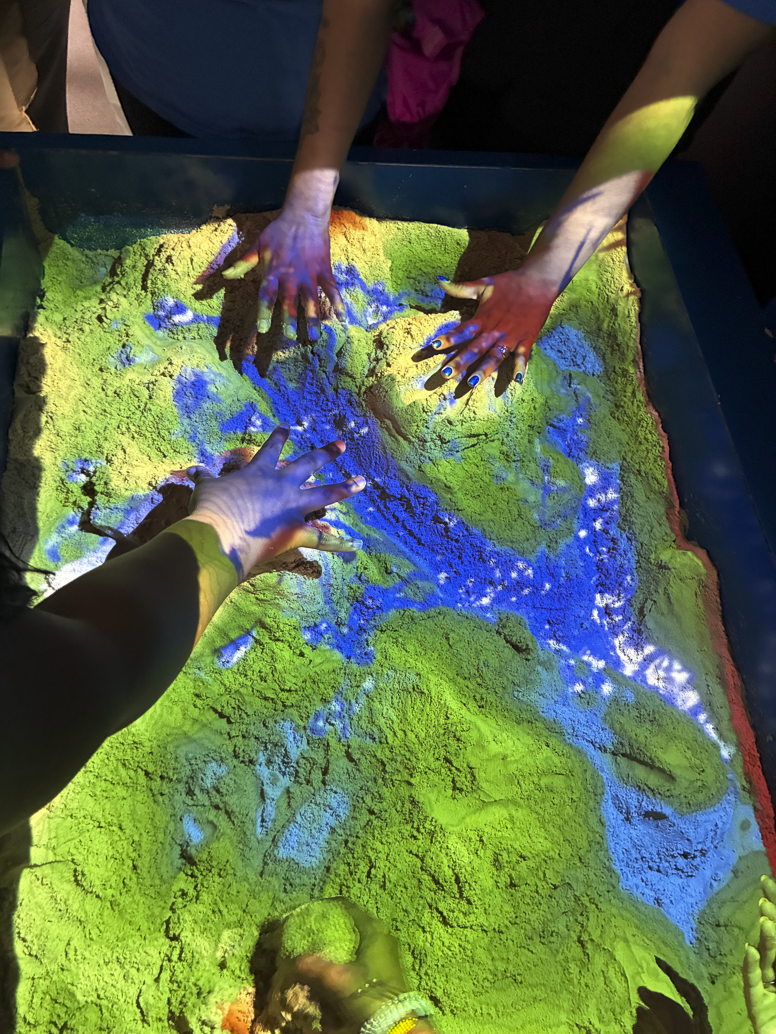
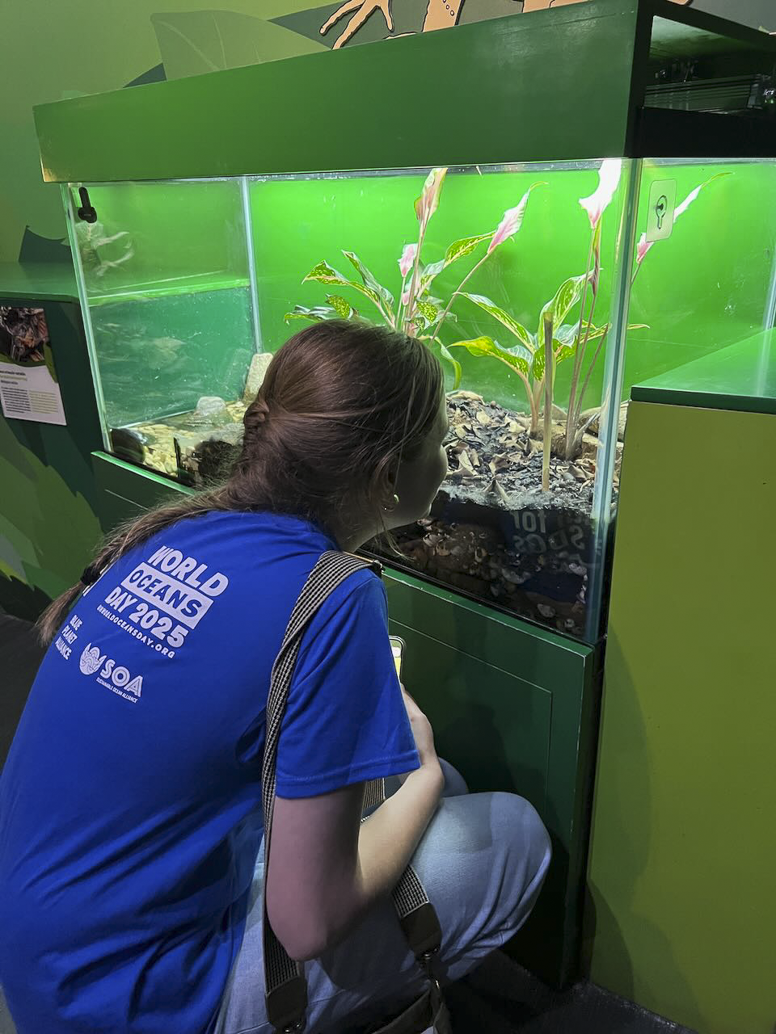
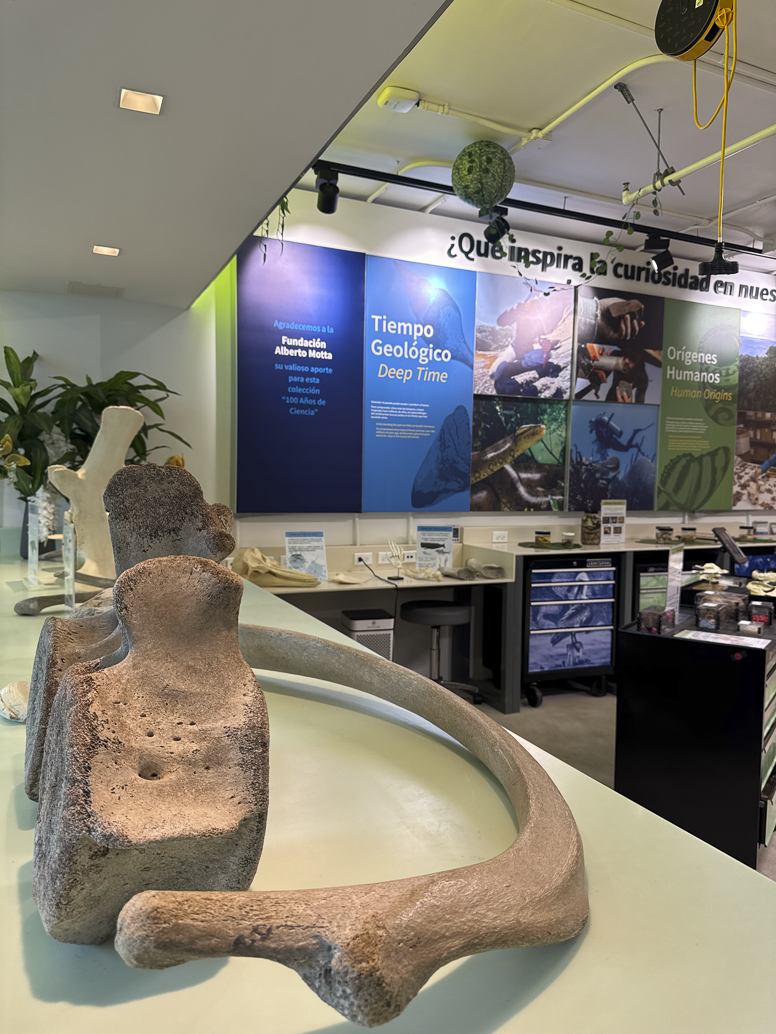
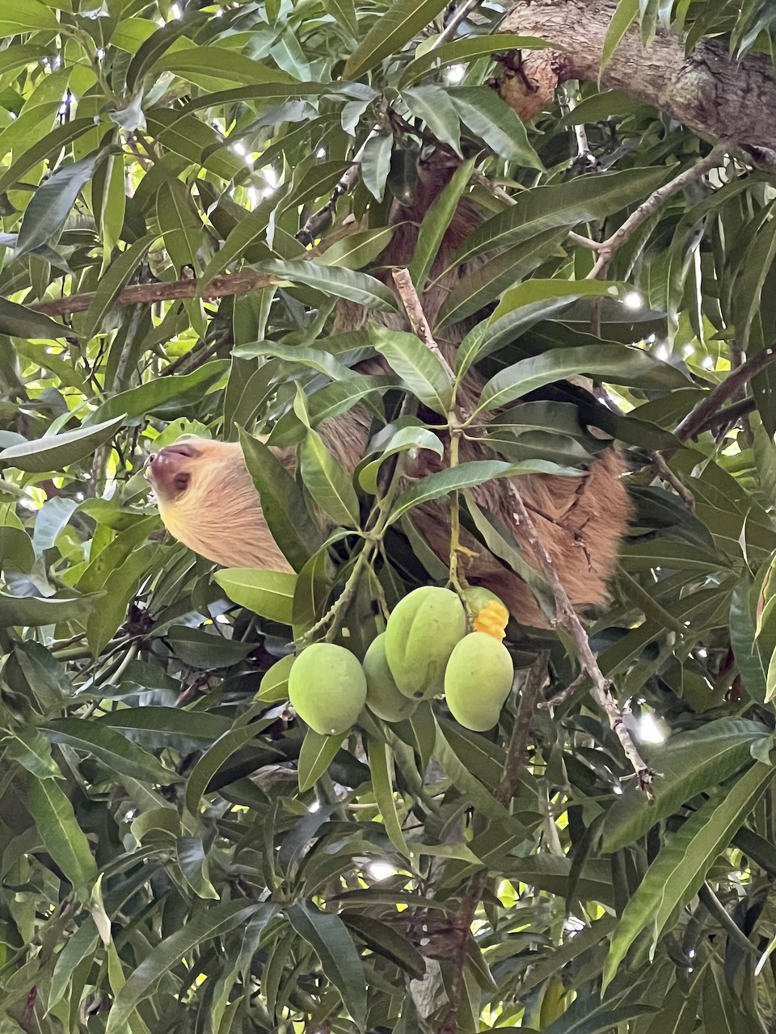
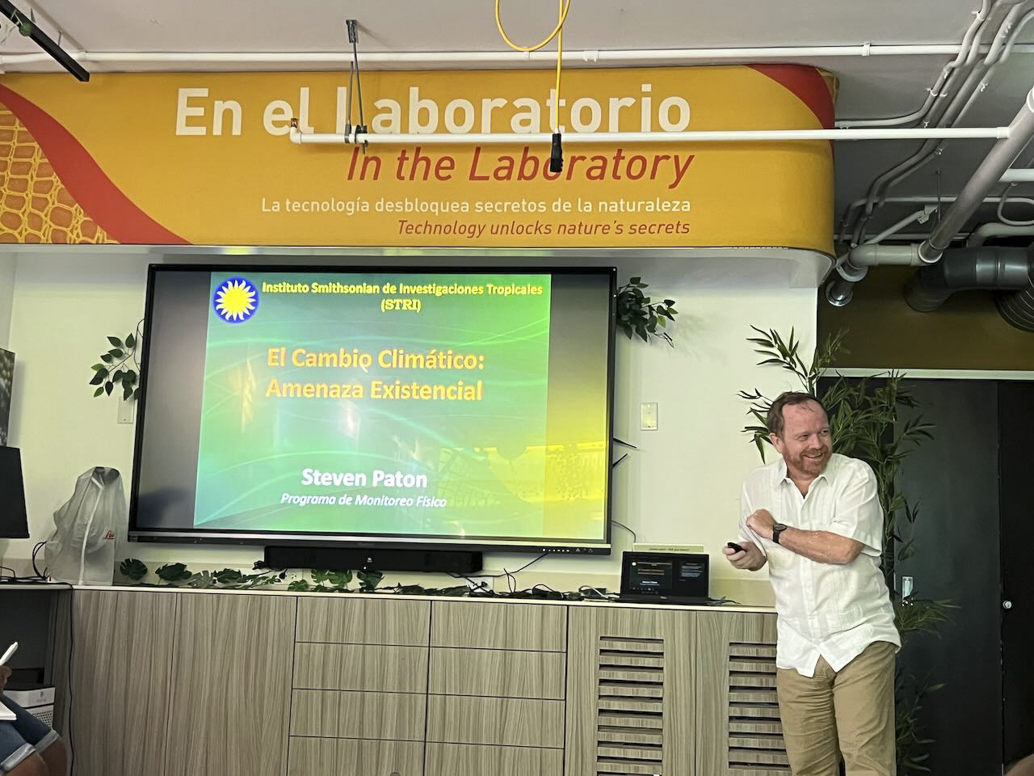
Later in the afternoon, we arrived at the Smithsonian Tropical Research Institute at Punta Culebra, an extraordinary hub of science, conservation, and public engagement nestled on the Pacific coast. There, we explored the vibrant exhibits, encountering everything from Panamanian frogs and living coral tanks to sloths lounging in the treetops. Afterward, we had the privilege of hearing from Dr. Steven Paton, Director of the Physical Monitoring Program, whose captivating talk on the realities of climate change in Panama and globally left us all wide-eyed and energized. With clarity, urgency, and passion, he connected global climate data to local impacts, showing us what’s at stake and what’s still possible. The youth also rolled up their sleeves for a second round of EarthEcho water quality testing, translating learning into action and deepening their understanding of what it means to be environmental stewards in a changing world.
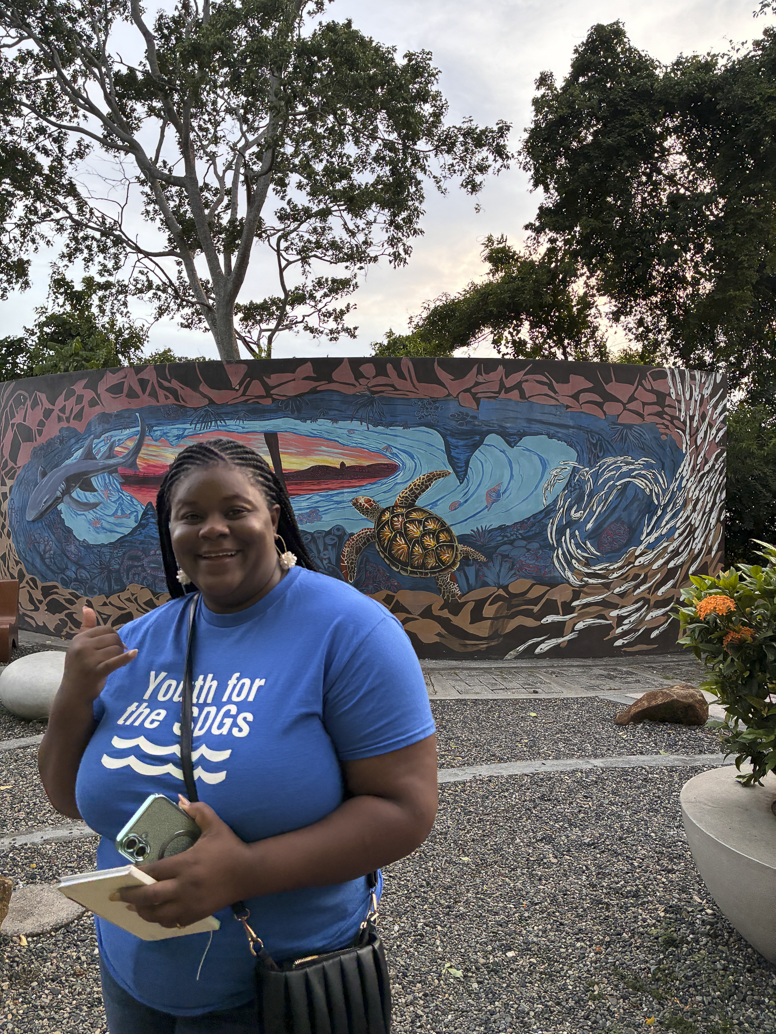
Our evening concluded with a cultural exchange led by Embera Indigenous youth and local partners from the Sustainable Ocean Alliance and Innova-Nation. Through conversation and connection, we learned about each other’s cultures, communities, and the projects we’re passionate about. It was a chance to build relationships, exchange ideas, and see how youth around the world are driving change in their own unique ways.
Today’s activities supported several of the United Nations’ SDGs. Youth-led workshops and the UN exchange advanced affordable and clean energy (SDG 7), sustainable communities (SDG 11), reduced inequalities (SDG 10), and peace, justice, and strong institutions (SDG 16). Our visit to the Smithsonian Institute, water monitoring, and youth-led workshops emphasized climate action (SDG 13), life below water (SDG 14), and quality education (SDG 4). The entire day highlighted partnerships for the achievement of goals (SDG 17) as we built bridges between science, culture, and community on our path toward a more just and sustainable future.
Though today marked my final day with the group, I stepped away filled with pride, gratitude, and deep optimism. Over these past few days, I’ve watched these young changemakers rise, asking inquisitive and bold questions, building cross-cultural connections, and stepping into their roles as global leaders. Though I’ll miss traveling through Costa Rica and Mexico with them and their coordinators, Emilie and Yuri, I’m confident they’re ready to carry this mission forward with purpose and heart. As we reflect on all we’ve learned and shared, I look forward to continuing our partnership with Peace Boat US, supporting even more youth in becoming informed, empowered advocates for a more just and sustainable world.
Dive Deeper
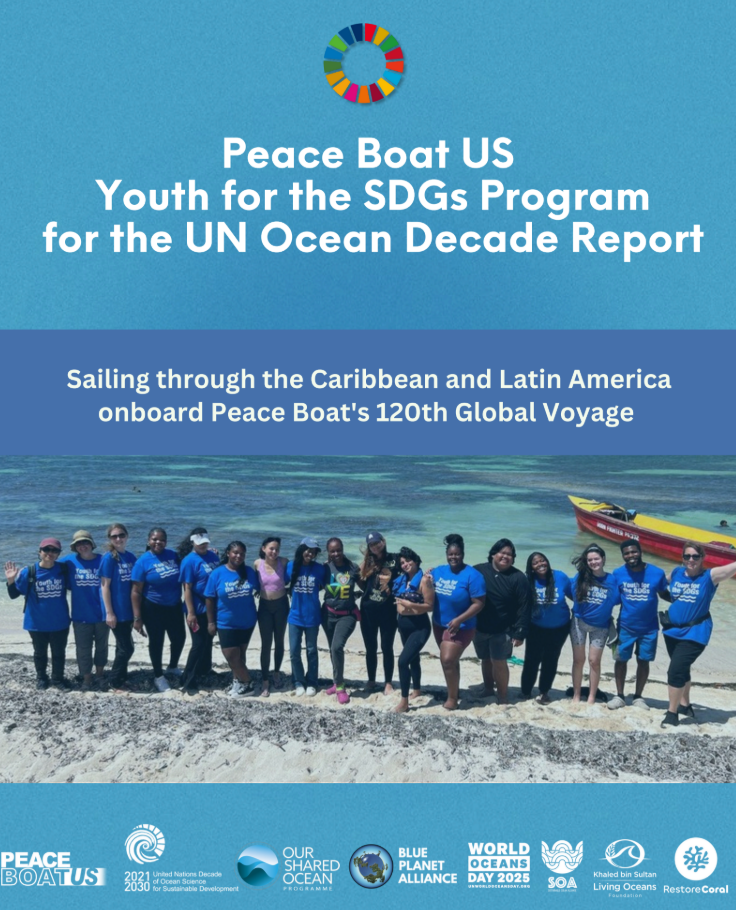
To learn more about our journey sailing with students as part of Peace Boat US’s Youth for the SDGs Program, view the report put together by the participating students.
If you are interested in participating in the next Youth for the SDGs program, you can learn more and apply to be on the next voyage, which is scheduled to set sail from Panama City on June 15, 2026.