search-icon
Announcing Our 11th Annual Science Without Borders® Challenge!
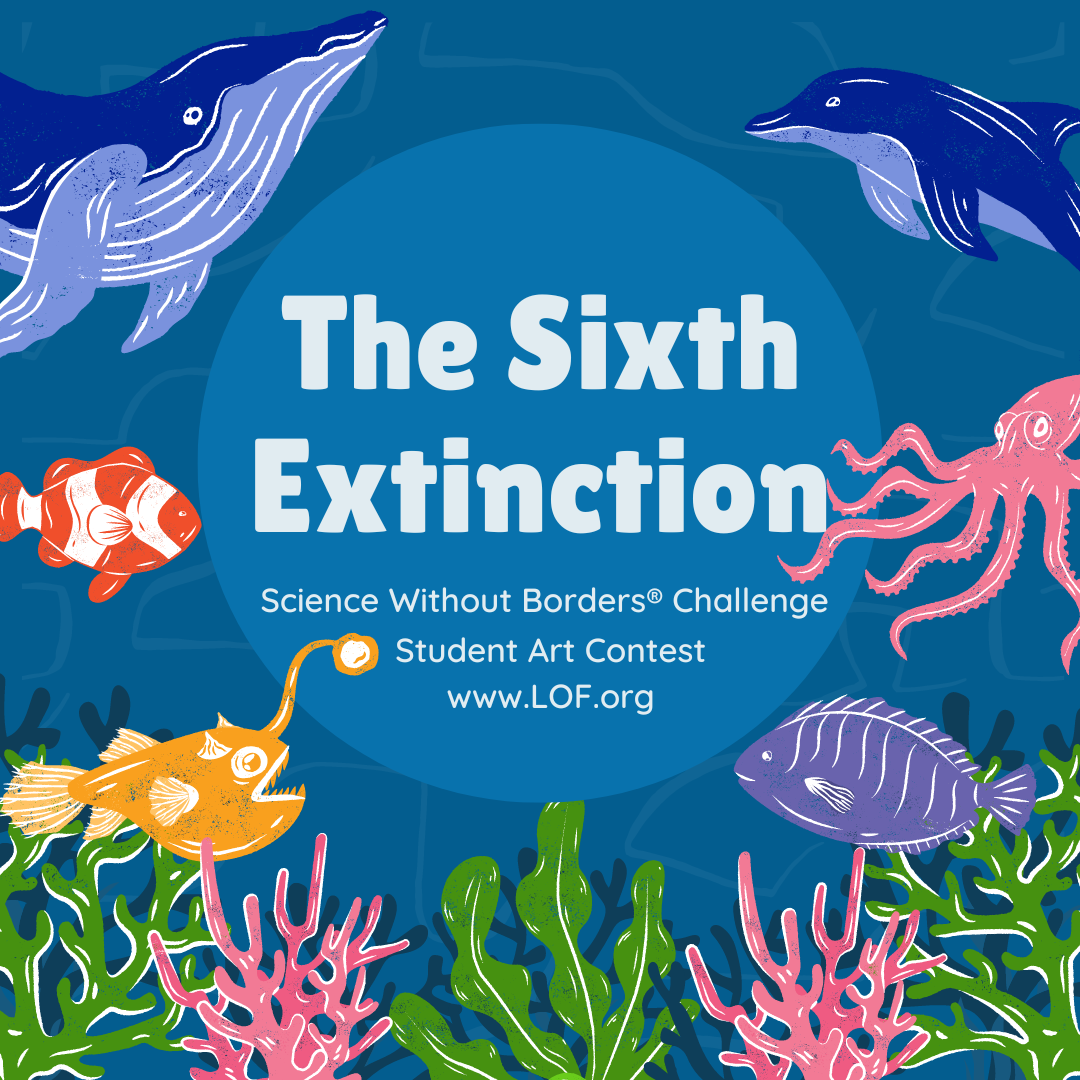
2023 Science Without Borders Challenge the Sixth Extinction

We are excited to announce that our Science Without Borders® Challenge is now open! This annual art contest inspires students from all over the world to be creative while learning about important ocean science and conservation issues. Last year, we asked educators and their students who participated in the contest for ocean conservation theme suggestions. There was one theme that repeatedly occurred in their answers – endangered species. We also think that this is an important topic to learn about, so for this year’s competition, we have selected the theme, “The Sixth Extinction.”

Throughout the history of our planet, there have been five mass extinctions. Scientists believe that we are now in what is termed “the sixth mass extinction.” Humans have been altering the Earth’s environment as far back as the hunters and gatherers. These actions have negatively impacted the environment in many ways, including over-exploiting natural resources, destroying habitats, changing the climate, polluting, introducing invasive species, and causing diseases. These human threats have led to an increased rate of extinction and the cause of many more species becoming endangered.

For this year’s contest, you can help create awareness about endangered species in the ocean. We are asking students to create a piece of artwork that highlights the beauty and importance of a marine species that is on the brink of extinction. We have compiled information to help students learn about the theme and gain understanding of a species risk of extinction.

To enter the 2023 Science Without Borders® Challenge, follow the Contest Rules, review the Tips for Success, and upload your artwork to our online Submission Form. The Challenge is open to all students who are 11-19 years old and enrolled in primary or secondary school (or the home-school equivalent). Entries must be received by Monday, March 6, to be eligible to win.

Since the Foundation launched the Science Without Borders® Challenge ten years ago, over 3,500 students from 94 countries have participated. This year the Foundation hopes to receive more entries than ever before. Help us get the word out about this competition by telling any young artists and teachers you know and encouraging them to apply.

Like previous years, we will host a couple of virtual question and answer sessions about the Science Without Borders® Challenge. Follow us on our website, Facebook, Twitter, and Instagram for contest announcements.
Related Posts

Meet IFAN: Helping Bring Navigate with Care to the Next Generation

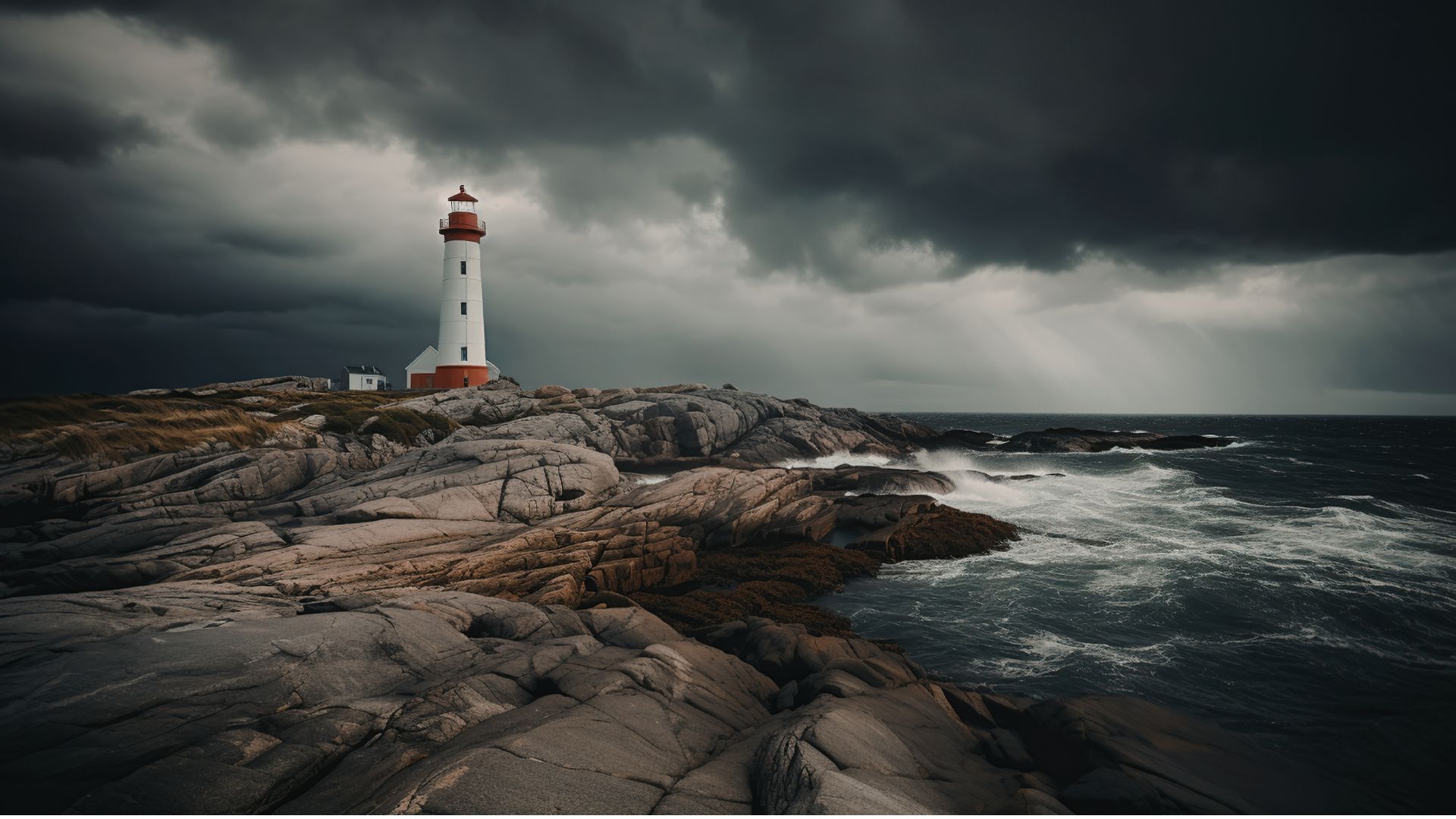
If you’ve ever seen a lighthouse flashing from the shore or a brightly colored buoy bobbing in the water, you’ve seen Aids to Navigation at work.

Aids to Navigation, often called AtoNs, help mariners navigate safely. They can mark channels, warn of hazards, help vessels determine their position, and provide other information people need to make safe decisions on the water. Around the world, these systems help guide everything from small recreational boats to large commercial or container ships. 

But safe navigation isn’t only about protecting vessels and the people aboard them. The choices mariners make can also affect the animals and ecosystems beneath and around them.

That connection between maritime safety and ocean conservation is at the heart of this year’s Science Without Borders® Challenge—and of our partnership with this year’s theme sponsor, the International Foundation for Aids to Navigation (IFAN).

Read More
OceanImageBank_TheOceanAgency_Bleaching_16-scaled-1

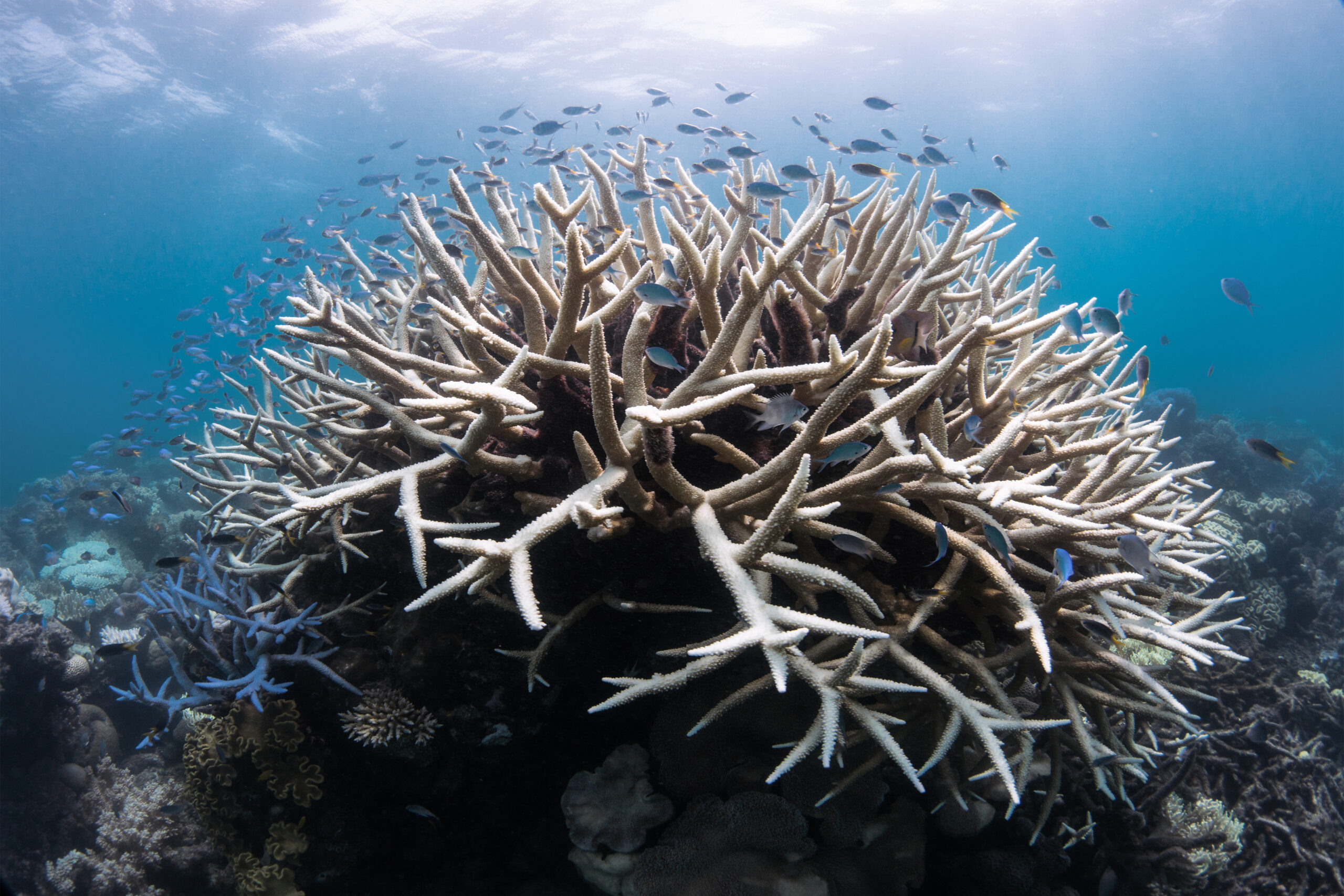
Coral Bleaching Awareness Month: Giving Coral Reefs a Chance to Recover

For hundreds of millions of years, coral reefs have supported life in our oceans. Although they cover less than 1% of the ocean floor, they provide habitat for at least 25% of all marine species. They also support people around the world by sustaining fisheries and tourism, providing food and livelihoods, and helping protect coastlines from waves and storms.

But coral reefs are under increasing pressure. Pollution, overfishing, coastal development, physical damage, and increasingly warm ocean temperatures can all affect reef health. One of the most visible signs that a coral reef is under stress is coral bleaching.

This September, in recognition of Coral Bleaching Awareness Month, we’re taking a closer look at what happens when corals bleach, why bleaching matters, and what scientists around the world are doing to better understand, protect, and restore coral reefs.

Read More
Privacy Overview

This website uses cookies so that we can provide you with the best user experience possible. Cookie information is stored in your browser and performs functions such as recognising you when you return to our website and helping our team to understand which sections of the website you find most interesting and useful.  You can view our complete Privacy Policy here.

Strictly Necessary Cookies

Most of our cookies are used to improve website security and reduce spam. These cookies should be enabled at all times. They also enable us to save your preferences for cookie settings.

3rd Party Cookies

This website uses Google Analytics to collect anonymous information such as the number of visitors to the site, and the most popular pages. Keeping this cookie enabled helps us to improve our website.