search-icon
Odds and Ends

After 15 full days of Cay Sal Bank coral reef research, our expedition team is still going strong. Our survey divers have completed transects and fish counts at 29 separate sites across the bank on nearly 40 dives. You can see each of these dive spots labeled below with red markers. The satellite groundtruthing team has covered hundreds of kilometers in the catamaran and surveyed nearly 400 sites with their drop camera. You can see their tracks as green markers on our map.

Cay Sal Bank coral reef research

Yesterday afternoon the team had a chance to travel over to North Elbow Cay near where the M/Y Golden Shadow was anchored (see “Anchor 5” above).

Tavares Thompson, Alexio Brown, and Alannah Vellacott hike up to the lighthouse.

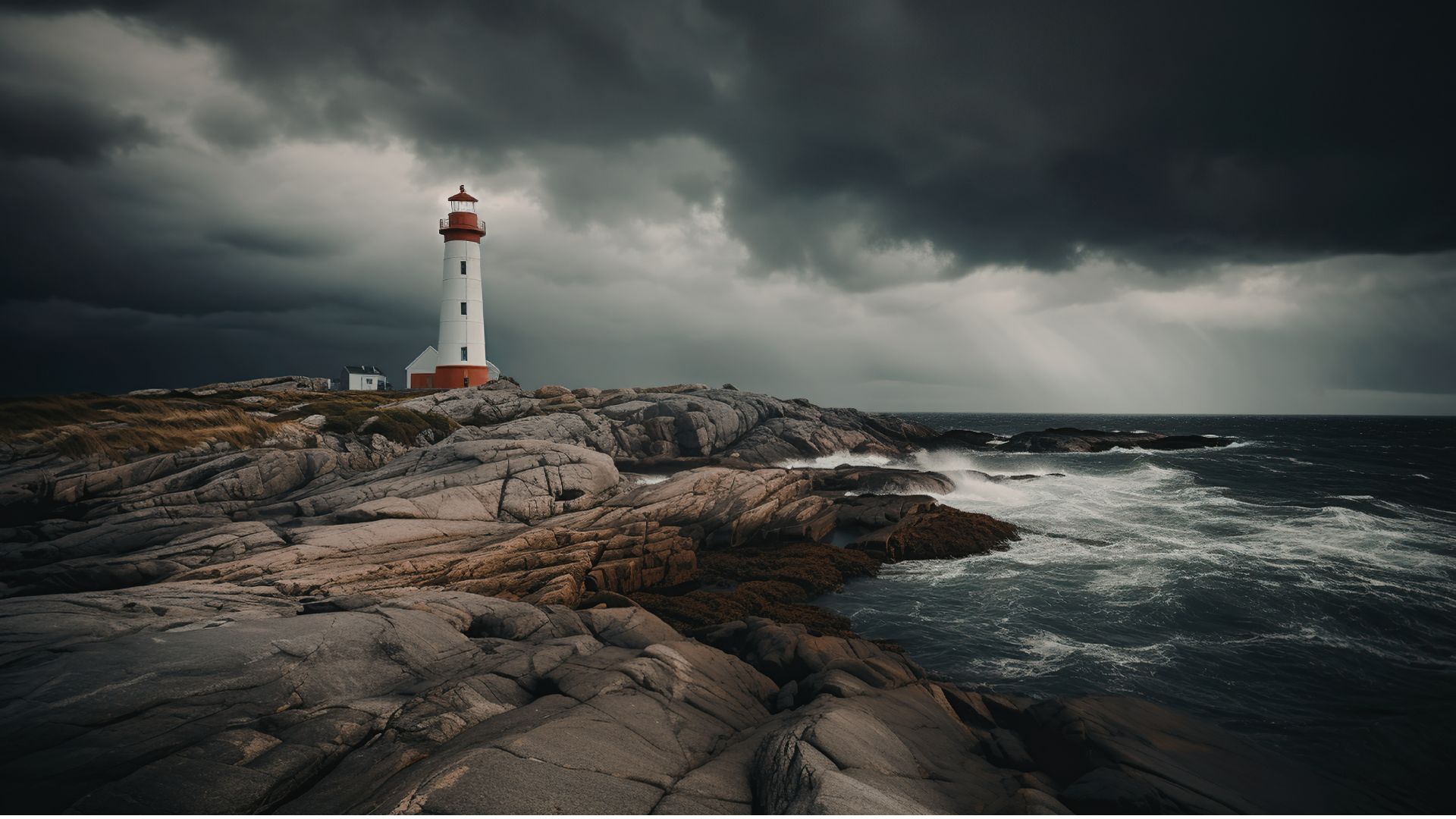
The small island has a 60-foot stone lighthouse on it that has been inactive since the 1940s and fallen into decay.It was formerly used to mark where the Gulf of Mexico met the southern entrance of the Florida Straits. In the 1970s, Bahamian authorities had a small post on the island in an effort to curb drug smuggling in the area, but all of the buildings have since been abandoned.

Our team took several of the small tenders over and checked out what was left on the island. The lighthouse’s structure is still solid, but the inside stairwell and floor have collapsed and all that’s left of the stone buildings are the walls. There were a fair amount of birds inhabiting the island and we were careful not to disturb their nesting areas. All in all it was nice to walk on land for a bit.

On Tuesday, our research diving team coordinated to get a photo with the Earth Flag for SeaWeb. They’re asking ocean conservationists to take a photo with the Earth Flag between Earth Day [April 22] and World Oceans Day [June 8] as a way to share their ocean stories. The Earth Flag originated with cultural anthropologist Margaret Mead who carried it with her for nearly a decade. We’re happy to take part in the Earth Flag Blue Planet Campaign.

“The Earth Flag is my symbol of the task before us all. … Unless we care, unless we check the rapacious exploitations of our Earth and protect it, we are endangering the future of our children and our children’s children.”—Dr. Margaret Mead, March 21, 1977


Last, but not least, we also had a guest diver join us for the day from the M/Y Golden Shadow. Second Engineer Del Parke celebrated his birthday with a couple of dives off of the Golden Osprey with our research team. Executive Director Phil Renaud took this shot of Del checking out a nice Gorgonian coral. Happy Birthday, Del!

To follow along and see more photos, please visit us on Facebook! You can also follow the expedition on our Global Reef Expedition page, where there is more information about our research and our team members.

Post by Liz Smith

(Images/Photos: 1. Amanda Williams; 2. Liz Smith; 3. Bill Mills; 4. Phil Renaud)
Related Posts

From Dialogue to Action: Ocean Foundations Gather in Stockholm

What can philanthropy accomplish when foundations working across ocean science, conservation, and sustainable development come together around a shared purpose?

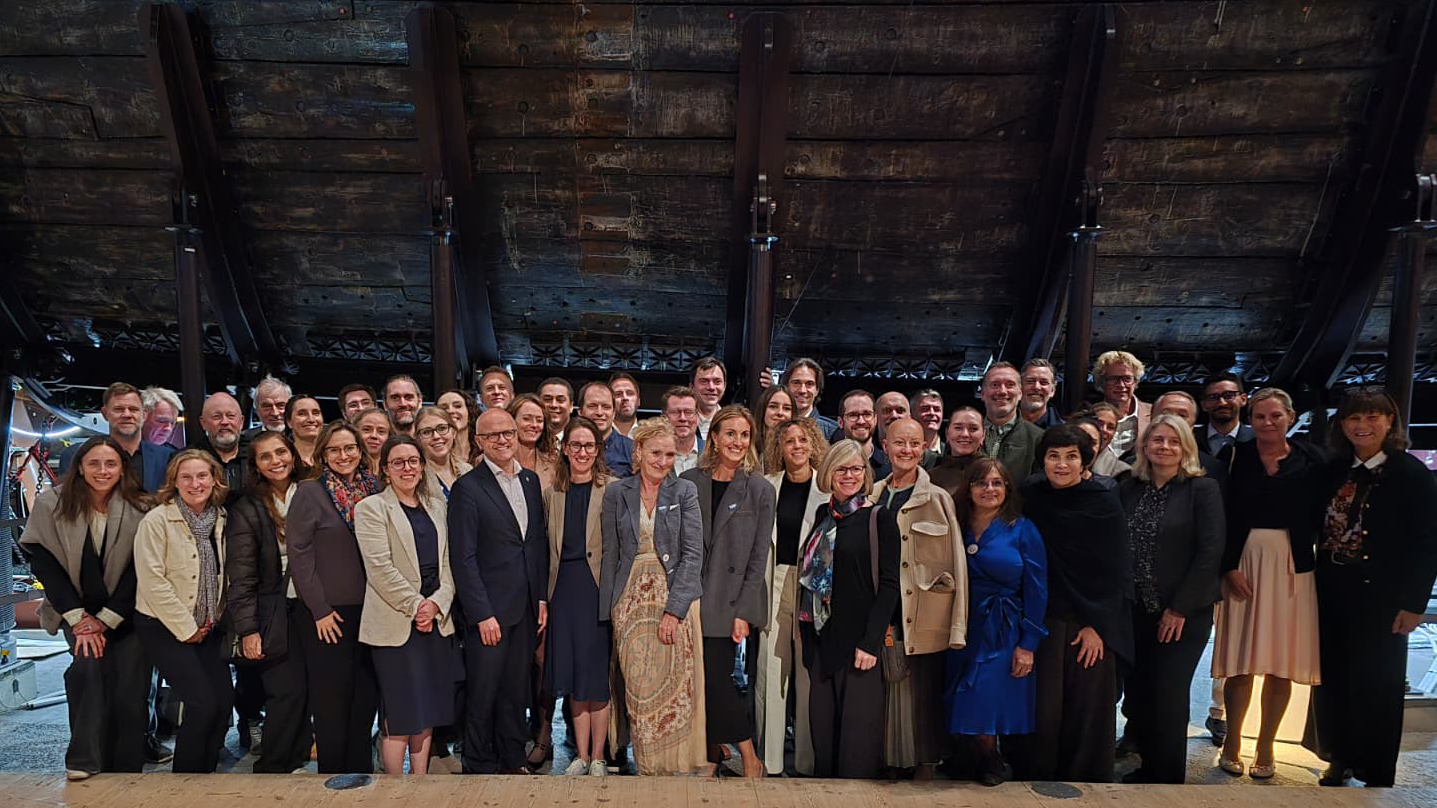
That question was at the heart of the 6th UN Ocean Decade Foundations Dialogue, held September 7–9 in Stockholm, Sweden. The Khaled bin Sultan Living Oceans Foundation joined philanthropic organizations from around the world for three days of discussion, collaboration, and planning focused on accelerating progress during the second half of the UN Decade of Ocean Science for Sustainable Development.

Facilitated by UNESCO’s Intergovernmental Oceanographic Commission (IOC), the UN Ocean Decade Foundations Dialogue is a growing network of more than 30 philanthropic organizations committed to advancing ocean science, collaboration, and action. Since its creation within the framework of the Ocean Decade, the Dialogue has provided foundations with a space to exchange ideas, develop partnerships, and explore how philanthropy can help advance a healthy and resilient ocean.

Hosted by the Voice of the Ocean Foundation (VOTO), this year’s gathering began with From Depth to Action, an Opening Forum that brought nearly 100 leaders from the Swedish and international ocean community together at…

Read More

Meet IFAN: Helping Bring Navigate with Care to the Next Generation

If you’ve ever seen a lighthouse flashing from the shore or a brightly colored buoy bobbing in the water, you’ve seen Aids to Navigation at work.

Aids to Navigation, often called AtoNs, help mariners navigate safely. They can mark channels, warn of hazards, help vessels determine their position, and provide other information people need to make safe decisions on the water. Around the world, these systems help guide everything from small recreational boats to large commercial or container ships. 

But safe navigation isn’t only about protecting vessels and the people aboard them. The choices mariners make can also affect the animals and ecosystems beneath and around them.

That connection between maritime safety and ocean conservation is at the heart of this year’s Science Without Borders® Challenge—and of our partnership with this year’s theme sponsor, the International Foundation for Aids to Navigation (IFAN).

Read More
Privacy Overview

This website uses cookies so that we can provide you with the best user experience possible. Cookie information is stored in your browser and performs functions such as recognising you when you return to our website and helping our team to understand which sections of the website you find most interesting and useful.  You can view our complete Privacy Policy here.

Strictly Necessary Cookies

Most of our cookies are used to improve website security and reduce spam. These cookies should be enabled at all times. They also enable us to save your preferences for cookie settings.

3rd Party Cookies

This website uses Google Analytics to collect anonymous information such as the number of visitors to the site, and the most popular pages. Keeping this cookie enabled helps us to improve our website.