
search-icon
2016 Annual Report
2016 KSLOF Annual Report

This past year was a very different year for the Foundation’s staff, it was the first year in many that we were not occupied with field work aboard our research vessel in some far-flung corner of the world. Having completed an intensive five years of field work for the Global Reef Expedition in 2015, it was time to roll up our sleeves for the challenging analytical work ahead. I think the Pareto principle holds true in science, in that if 20% of your effort goes into data collection then 80% of effort is needed for data analyses, producing reports and driving outcomes (in our case that means influencing conservation of coral reef ecosystems).

To assist us in this endeavor, we hired two new staff members. Professor Sam Purkis joined our Foundation as our Interim Chief Scientist. Sam is affiliated with the Rosenstiel School of Marine and Atmospheric Science at the University of Miami and he is no stranger to the Living Oceans Foundation. Sam managed all the remote sensing and habitat map production activities throughout the entire Global Reef Expedition. Renee Carlton also joined the Foundation’s staff in 2016 to manage the production of our final reports for each country we surveyed throughout the expedition. Renee participated in much of the expedition as part of the ocean acidification data collection team. Welcome aboard, Sam and Renee!

Our Education Department had an amazingly successful year conducting mangrove education and restoration projects in The Bahamas and Jamaica. Amy also launched our exciting Education Portal featuring a world-class curriculum on coral reef ecology. This new Education Portal has been recognized as one of the best new education resources on coral reefs. Congratulations, Amy!

The Communications team also had a great year. They co-produced a film with the Smithsonian Channel. The film, An Ocean Mystery: The Missing Catch, was selected as a finalist in the Blue Ocean Film Festival and went on to win the Conservation Award at the San Francisco International Ocean Film Festival. This film clearly reveals that fish stocks are collapsing worldwide and that much of the catch is never reported due to illegal, unreported, and unregulated (IUU) fishing, resulting in mismanagement of crucial fisheries. We also completed a six-part series about the Global Reef Expedition that highlights many of the threats facing coral reefs and what is being done to save them.

Perhaps the most exciting event of the year was the announcement by our Chairman, His Royal Highness Prince Khaled bin Sultan, that his daughter, Princess Hala was joining our Board of Directors! She brings a passion for the ocean, a love of scuba diving, and legal skills to our organization. Welcome Aboard, Princess Hala!
Related Posts

From Dialogue to Action: Ocean Foundations Gather in Stockholm

What can philanthropy accomplish when foundations working across ocean science, conservation, and sustainable development come together around a shared purpose?

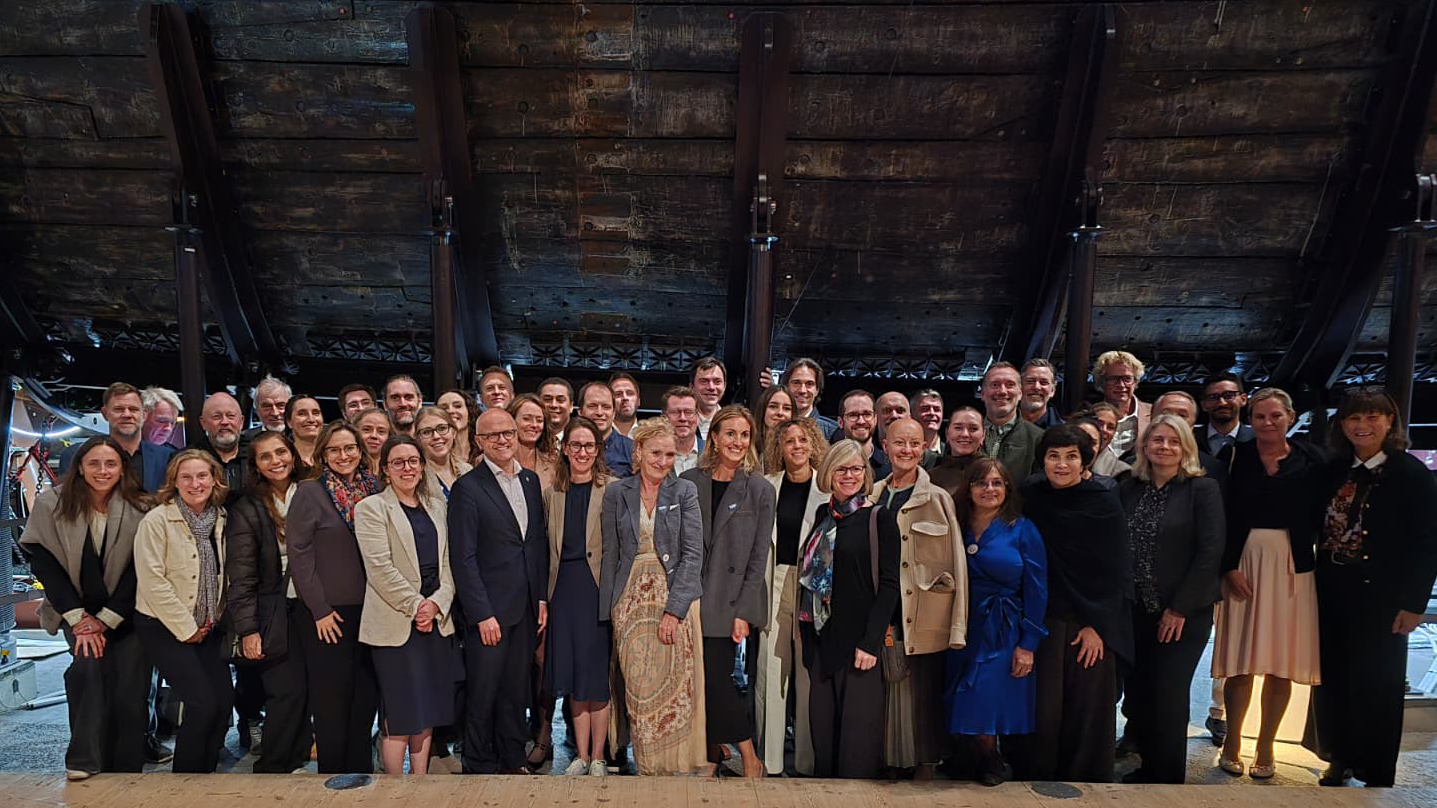
That question was at the heart of the 6th UN Ocean Decade Foundations Dialogue, held September 7–9 in Stockholm, Sweden. The Khaled bin Sultan Living Oceans Foundation joined philanthropic organizations from around the world for three days of discussion, collaboration, and planning focused on accelerating progress during the second half of the UN Decade of Ocean Science for Sustainable Development.

Facilitated by UNESCO’s Intergovernmental Oceanographic Commission (IOC), the UN Ocean Decade Foundations Dialogue is a growing network of more than 30 philanthropic organizations committed to advancing ocean science, collaboration, and action. Since its creation within the framework of the Ocean Decade, the Dialogue has provided foundations with a space to exchange ideas, develop partnerships, and explore how philanthropy can help advance a healthy and resilient ocean.

Hosted by the Voice of the Ocean Foundation (VOTO), this year’s gathering began with From Depth to Action, an Opening Forum that brought nearly 100 leaders from the Swedish and international ocean community together at…

Read More

Meet IFAN: Helping Bring Navigate with Care to the Next Generation

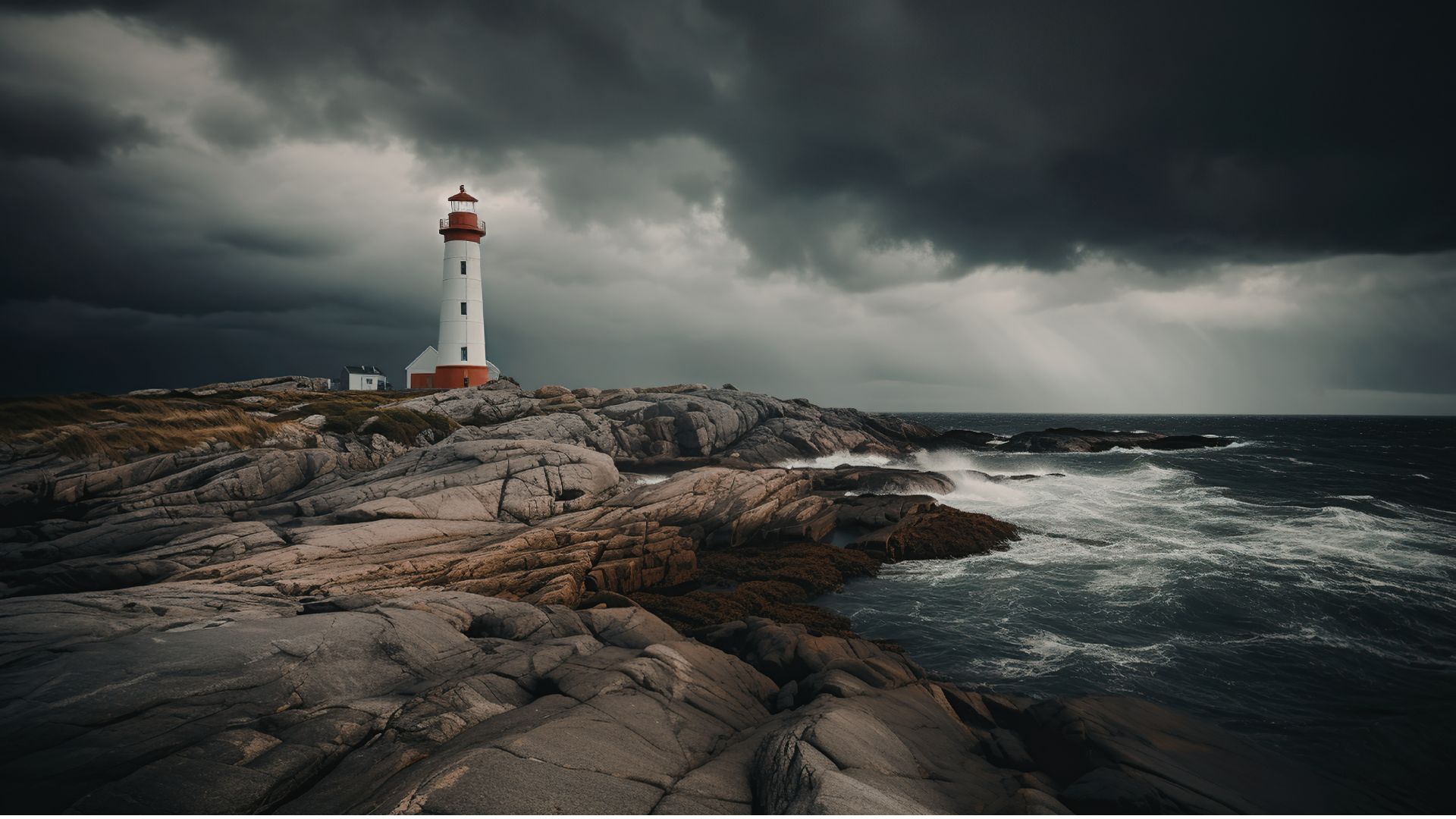
If you’ve ever seen a lighthouse flashing from the shore or a brightly colored buoy bobbing in the water, you’ve seen Aids to Navigation at work.

Aids to Navigation, often called AtoNs, help mariners navigate safely. They can mark channels, warn of hazards, help vessels determine their position, and provide other information people need to make safe decisions on the water. Around the world, these systems help guide everything from small recreational boats to large commercial or container ships. 

But safe navigation isn’t only about protecting vessels and the people aboard them. The choices mariners make can also affect the animals and ecosystems beneath and around them.

That connection between maritime safety and ocean conservation is at the heart of this year’s Science Without Borders® Challenge—and of our partnership with this year’s theme sponsor, the International Foundation for Aids to Navigation (IFAN).

Read More

Privacy Overview

This website uses cookies so that we can provide you with the best user experience possible. Cookie information is stored in your browser and performs functions such as recognising you when you return to our website and helping our team to understand which sections of the website you find most interesting and useful.  You can view our complete Privacy Policy here.

Strictly Necessary Cookies

Most of our cookies are used to improve website security and reduce spam. These cookies should be enabled at all times. They also enable us to save your preferences for cookie settings.

3rd Party Cookies

This website uses Google Analytics to collect anonymous information such as the number of visitors to the site, and the most popular pages. Keeping this cookie enabled helps us to improve our website.