In the 1970’s, Jamaica’s reefs were the pride of the Caribbean, teaming with large fish that supported a vibrant tourism industry and provided seafood for local communities. But overfishing, disease, hurricanes, and development pressure degraded many of these reefs in the ‘80’s and ‘90’s, and few healthy reefs remain in Jamaica’s waters today.
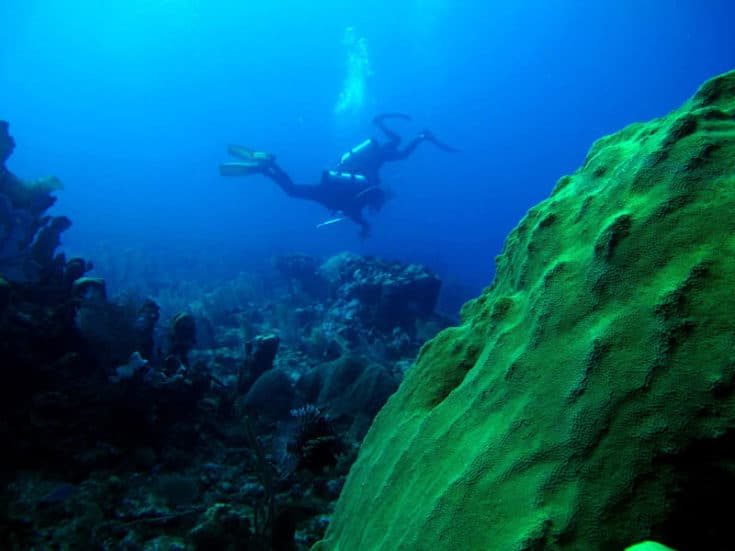
In March of 2012, Dr. Andy Bruckner was leading a team of scientists conducting coral reef surveys in Jamaica as part of the Global Reef Expedition – a 6-year mission to assess coral reef health around on the globe. Although reefs on Jamaica’s north shore are some of the most studied reefs in the Caribbean, not much was known about the reefs on Pedro Bank and along Jamaica’s southern shore. The Jamaican government was considering establishing a marine protected area in the region and asked for our help.
Jamaica has pledged to protect 20% of their reefs by 2020 as part of the Caribbean Challenge Initiative, and the Pedro Bank was a prime candidate for protection. Pedro Bank was thought to have some of the best reefs remaining in the country and it was an important source of seafood – but that was changing. The big fish were gone. Local fishermen who could once catch fish around the mainland were now traveling to these remote offshore banks in small boats and in dangerous seas to catch fish to feed and support their families.
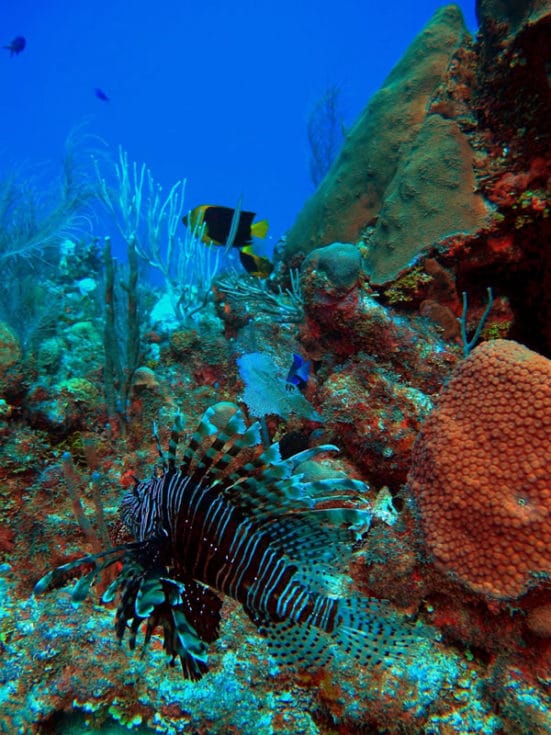
Jamaica wanted to protect Pedro Banks, but they were not sure how to do so in a manner that ensured the long-term health of the reef while supporting the needs of the community. Close too much of the reef to fishing and people would not be able to catch the fish they need, close too little of the reef and there would be no fish left to catch – or tourists paying to see them.
That’s where our research came in. Through meticulous surveys of coral reef habitats, scientists aboard the Global Reef Expedition were able to assess the health of the reef in the proposed marine protected area (MPA) and throughout Pedro Bank. We found that some of the reefs were in poor health, with a high prevalence of coral disease, excessive seaweed and notably few, small, fish, while other areas were reasonably healthy. Some of the healthiest reefs were located within the boundaries of the proposed MPA. The Khaled bin Sultan Living Oceans Foundation shared our data and findings with local government officials, and the Southwest Cay Fishery Conservation Area on Pedro Bank was created that following May. This new fishery closure area should begin to help restore fish populations, as fishing pressure was the biggest threat to Pedro Bank reefs.
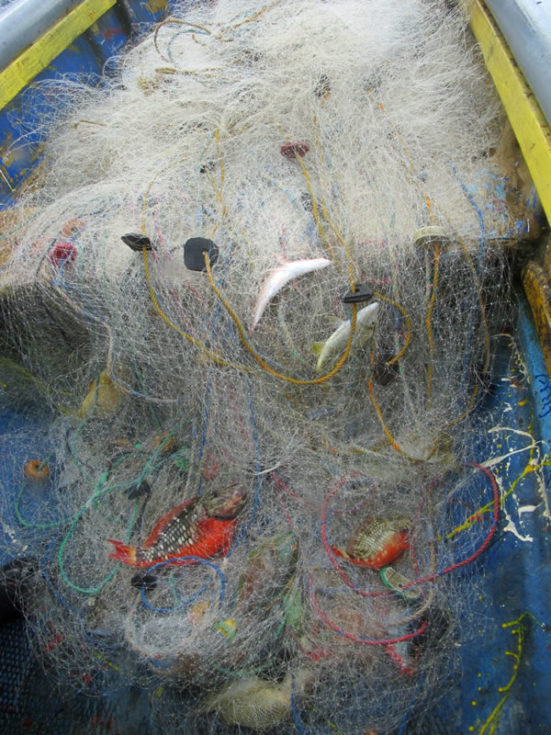
In addition to protecting the reefs of Southwest Cay, we suggested a number of additional areas worthy of protection, including healthy reefs and seagrass beds far from the fishing villages, which could be included in a marine protected area network. This MPA network would not only allow the fish communities to rebound, it could help maintain and restore the entire Pedro Bank coral reef ecosystem.
The hope is that this expanded MPA network would provide a safe place for fish to grow. It would support the return of large, commercially important predatory fish that are no longer found on Pedro Banks, and also allow some of the main target species – parrotfish and surgeonfish – to grow to a larger size and produce more offspring. These fishes are an essential component of a healthy reef ecosystem as they clear the reef of algae, providing space for new corals to settle and grow. This network could then act as a source of baby fish, and the benefits of protecting these additional areas would spill over to the surrounding reefs and the local community. This little extra protection may just be what the reef needs to recover and continue to provide for current and future generations of Jamaicans.
To learn more about the health of coral reefs on Jamaica’s Pedro Bank, you can find a summary of our findings and recommendations in “The status of coral reefs and associated fishes and invertebrates of commercial importance in Pedro Bank, Jamaica,” in the International Journal of Tropical Biology.
Photos by Andrew Bruckner