search-icon
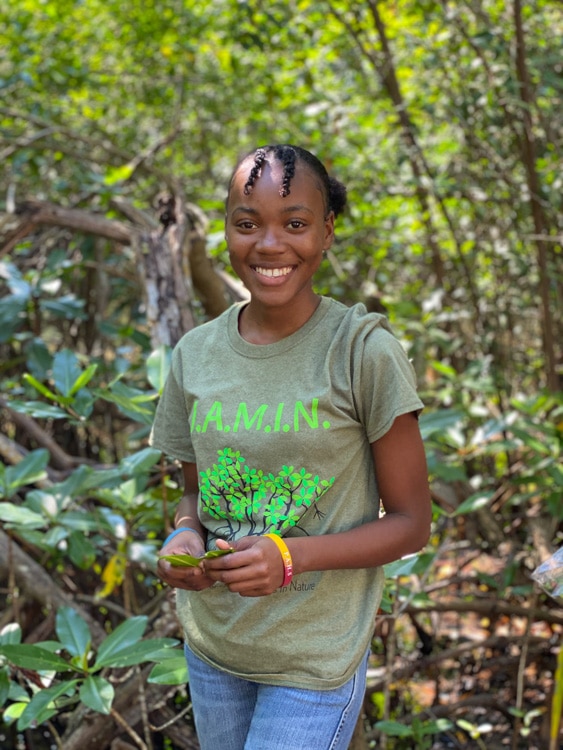
J.A.M.I.N. 2019-2020, A Year in Review

Reflecting on the past year, we have certainly had more challenges and hardships with our Mangrove Education and Restoration Programs than ever before. Mother nature was unquestionably the main perpetrator of a string of events that caused interruptions and setbacks to our programs.

On September 1st Hurricane Dorian swept over Abaco, The Bahamas, where we have been conducting our B.A.M. program for the past four years. The destruction that occurred here is unfathomable. Most of my colleagues, teachers, students, and their families became homeless overnight during what was the worst hurricane ever to make landfall on The Bahamas. The infrastructure was almost entirely demolished, leaving many people displaced and without shelter, food, and electricity. Needless to say, we canceled our B.A.M. program for the year. We are just grateful that our B.A.M. family made it through this catastrophe.
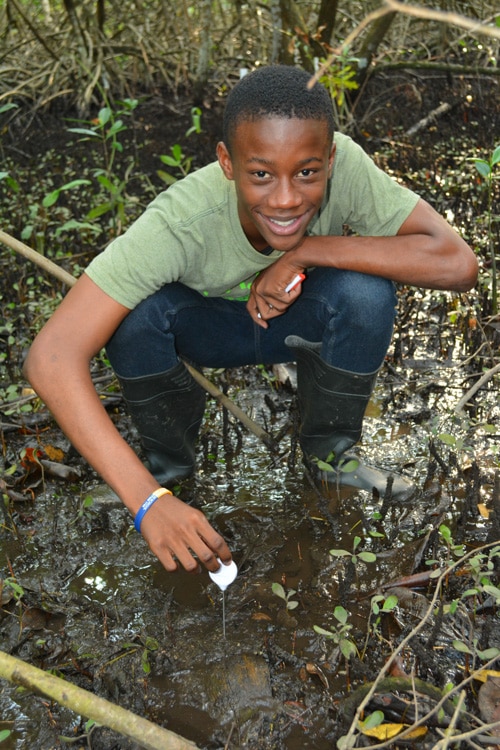
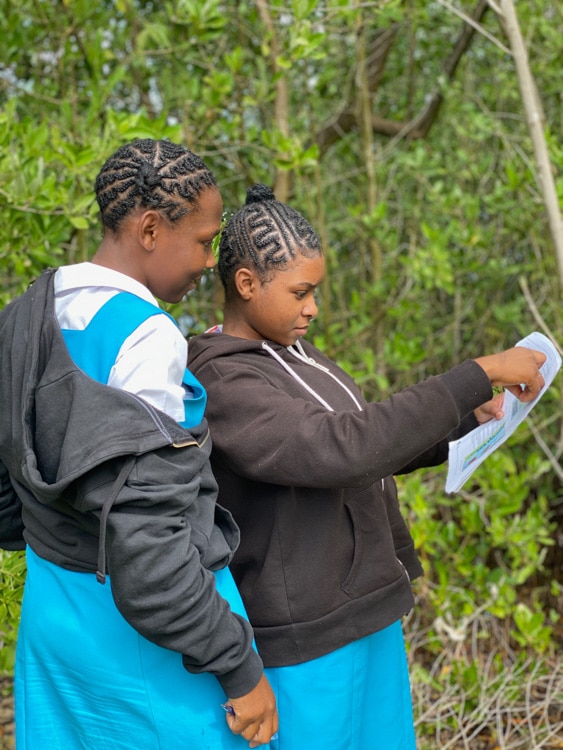
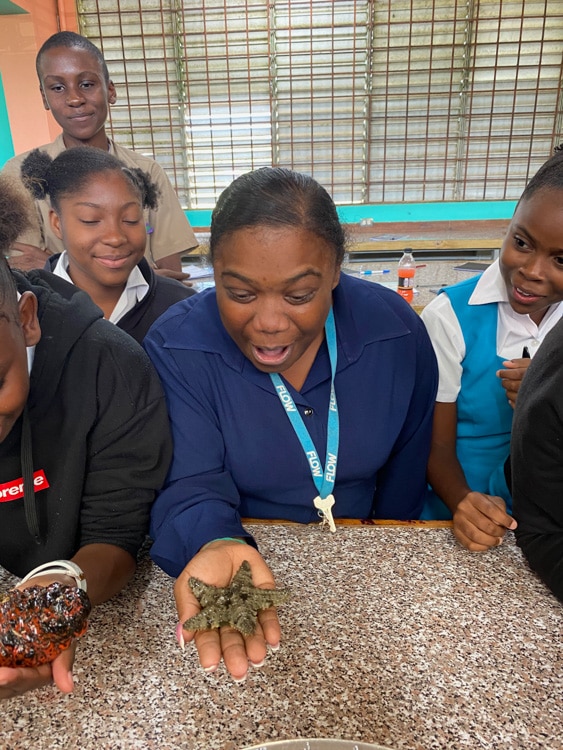
Rainy weather in October hindered us from implementing any field trips with William Knibb High School during the second week of our J.A.M.I.N. program. Thankfully, our partners at the University of the West Indies Discovery Bay Marine Laboratory were able to return to the schools to conduct the field trips at a later date.  
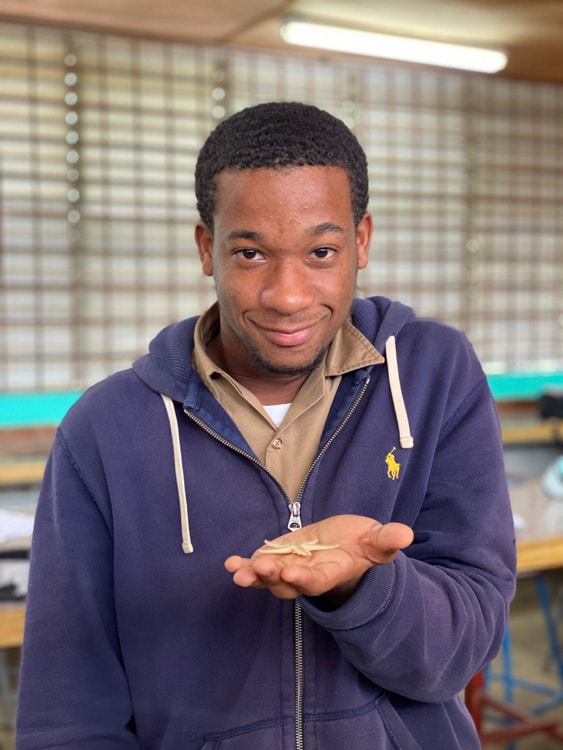
In January, while my colleagues at Alligator Head Foundation and I were driving in Port Antonio, an earthquake of 7.7 magnitude rattled Jamaica. The earthquake took place deep in the ocean, which reduced its impact significantly. Fortunately, no one was harmed, and only minor damages occurred. The following day the schools engaged in lengthy earthquake drills to prepare their students for a similar future scenario. Understandably, our programs were postponed.  
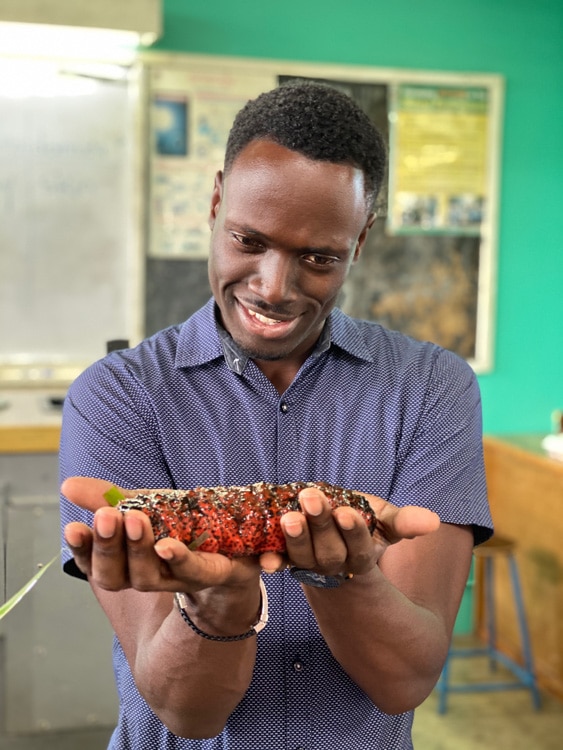
Not long after I returned from Jamaica, COVID-19 started spreading its threatening tentacles around the world. When the risk of the pandemic became too great, our plans for the final phase of the J.A.M.I.N. program were cancelled. Shortly thereafter, Jamaican schools decided to close their doors for the rest of the school year. 

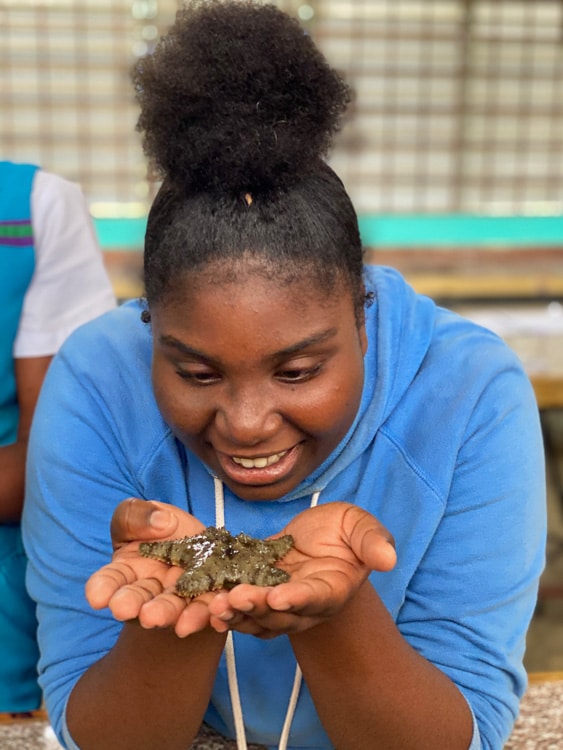
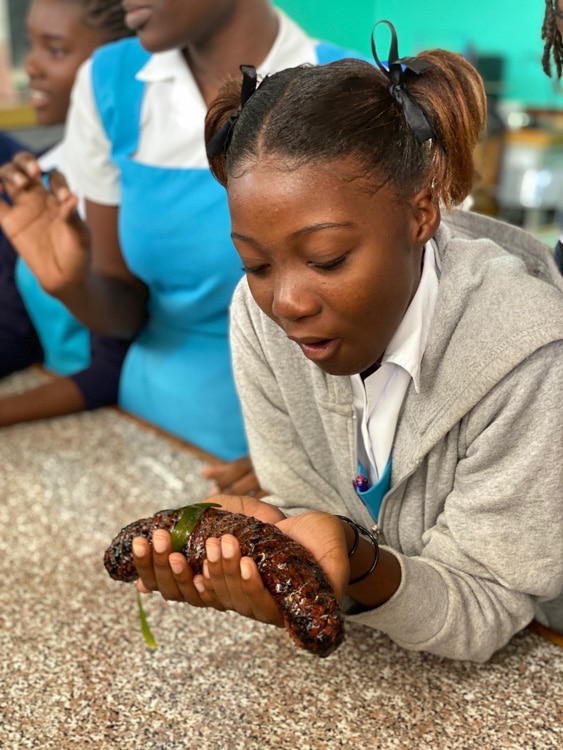
As environmental educators, we try to strategize and plan our programs to be as meaningful and advantageous as possible for both students and teachers. We want them to learn about the environment by being out in it. This past year, in particular, we learned that this type of environmental education can come with its own set of challenges and setbacks. We can’t control Mother Nature or global pandemics. However, we have to be able to adapt to any obstacles that transpire, and through resilience and hard work, we will persevere.
Related Posts

Introducing Our New Website: A Fresh Look for the Foundation’s Future

As we celebrate the Khaled bin Sultan Living Oceans Foundation’s 25th anniversary, we are proud to unveil our newly redesigned website—a modern home for our science, conservation work, and educational programs. This launch marks an important moment for the Foundation as we honor our long history and look toward the future of ocean conservation.

For more than two decades, the Foundation has worked tirelessly to improve the health of our living oceans. We have advanced ocean science, led one of the largest coral reef research missions in history, restored mangrove forests with local communities, created award-winning education programs, and shared the wonders of the ocean with people around the world. Our new website reflects the organization we are today—focused on conserving coral reefs, restoring mangrove forests, and improving ocean literacy—while still highlighting the legacy of work that brought us here.

The redesigned site…

Read More

Connecting People, Art, and Oceans: Championing Conservation at the 2025 IUCN Congress

The IUCN World Conservation Congress brings together thousands of leaders and decision-makers from governments, non-profit organizations, civil society, Indigenous groups, and the private sector to shape global conservation policy and action. This influential gathering serves as a platform to share knowledge, build partnerships, and advance initiatives that protect our planet’s biodiversity.

As a member of the International Union for Conservation of Nature (IUCN), the Khaled bin Sultan Living Oceans Foundation was honored to take part in the Congress, joining a global community of leaders, organizations, and changemakers committed to protecting nature and advancing sustainable futures.

Read More
Privacy Overview

This website uses cookies so that we can provide you with the best user experience possible. Cookie information is stored in your browser and performs functions such as recognising you when you return to our website and helping our team to understand which sections of the website you find most interesting and useful.  You can view our complete Privacy Policy here.

Strictly Necessary Cookies

Most of our cookies are used to improve website security and reduce spam. These cookies should be enabled at all times. They also enable us to save your preferences for cookie settings.

3rd Party Cookies

This website uses Google Analytics to collect anonymous information such as the number of visitors to the site, and the most popular pages. Keeping this cookie enabled helps us to improve our website.