In the heart of Moorea Island in French Polynesia, a recent workshop at UC Berkeley’s Gump Research Station set the stage for a potentially transformative endeavor. Hosted by Gump Station, this gathering was dedicated to fostering a dynamic collaboration between scientists and the local community. The goal? To inform the creation of an ‘Innovation Hub’ that bridges the gap between research and the people it ultimately serves.
The event brought together over 30 people from around the world with an interest in working with the environment and people of French Polynesia. Participants included an eclectic mix of scientists, funders, representatives from nonprofit and community outreach organizations, and prominent members of the local community. The Foundation’s Chief Communications Officer, Liz Thompson, attended and shared some ideas about what the Innovation Hub could be and how it could be structured to benefit both the people and the marine environment of Moorea. The workshop succeeded in bringing together diverse minds united by a shared passion for combining science and outreach for conservation.
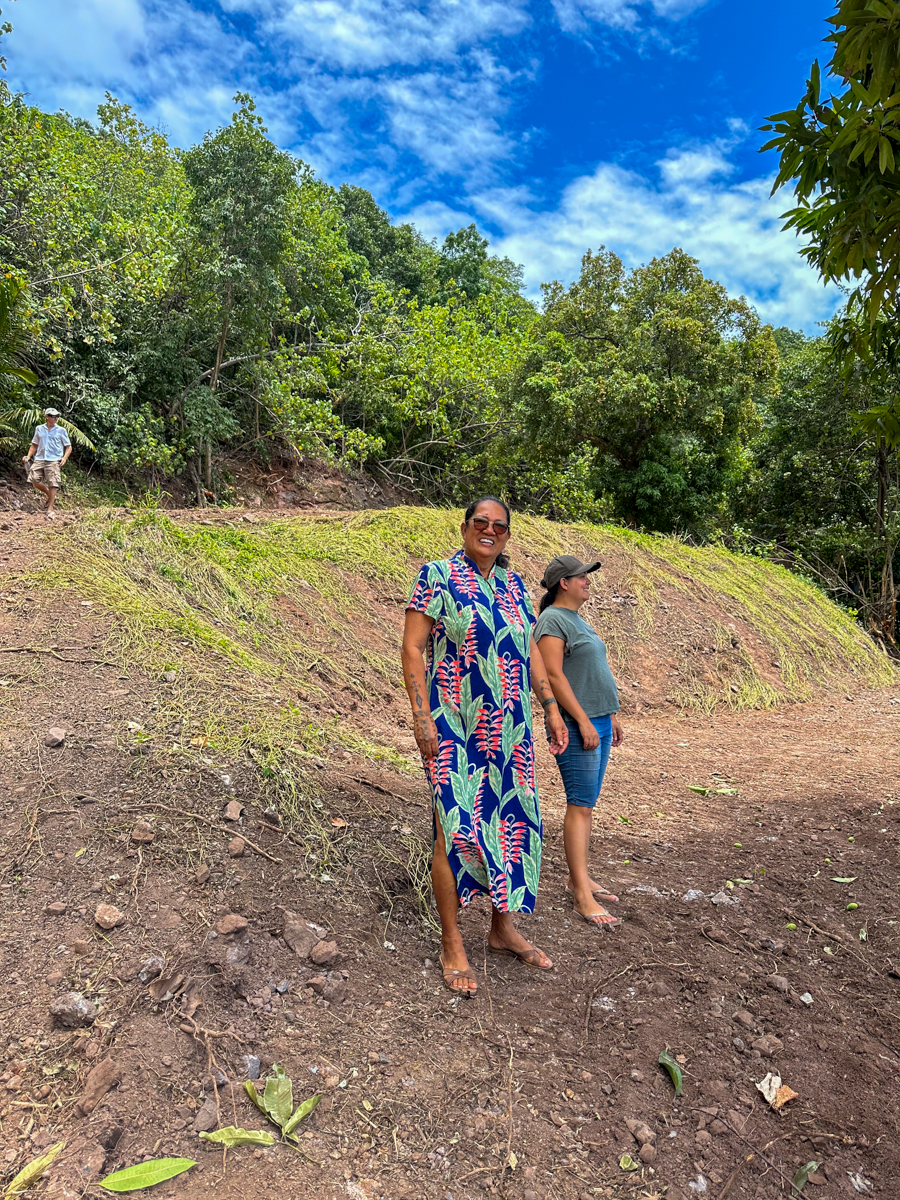
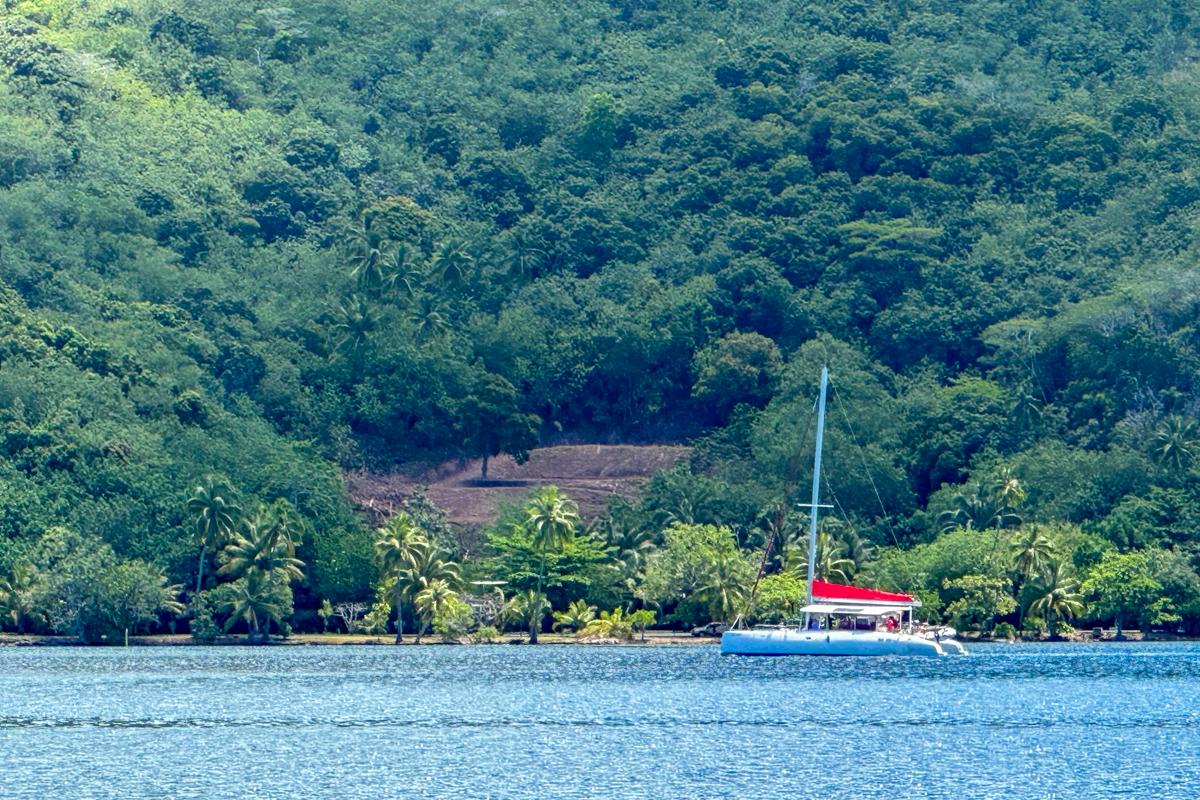
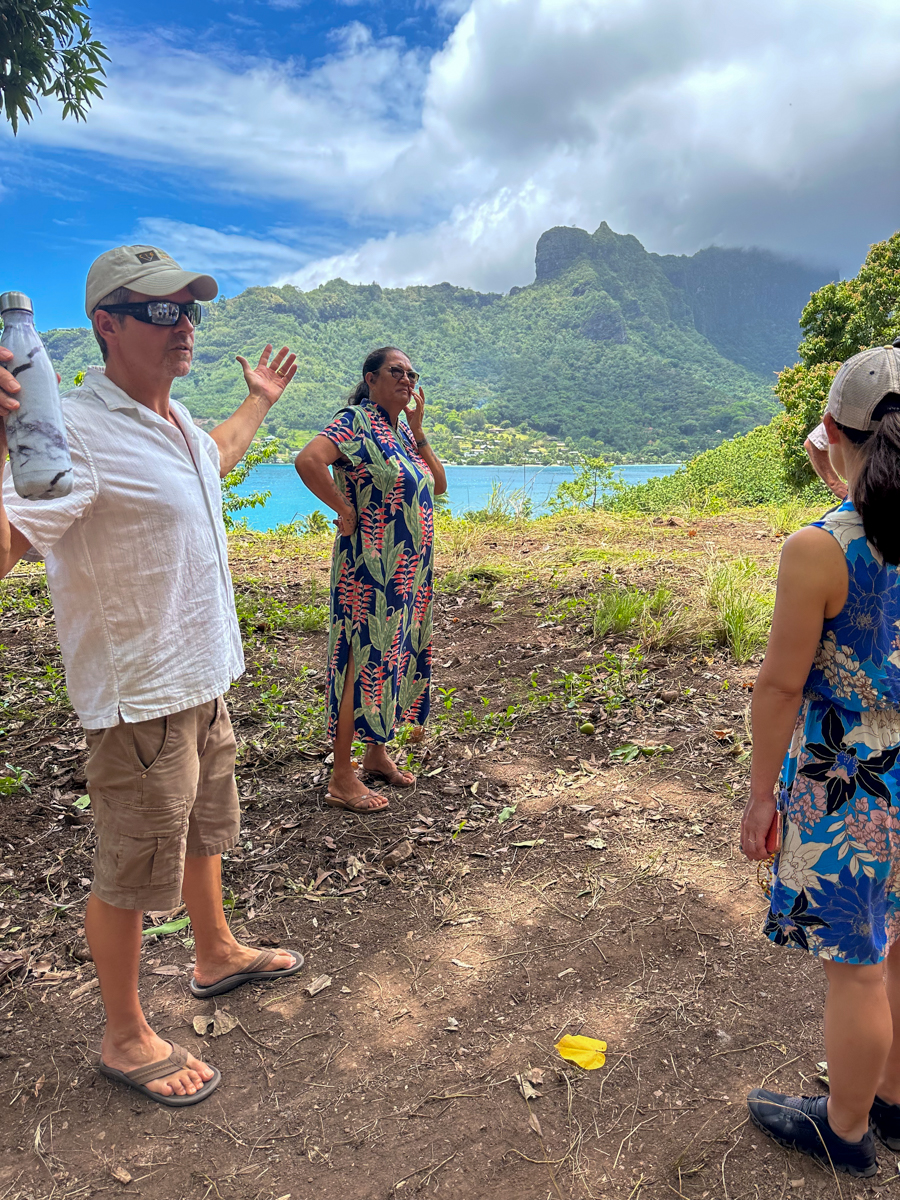
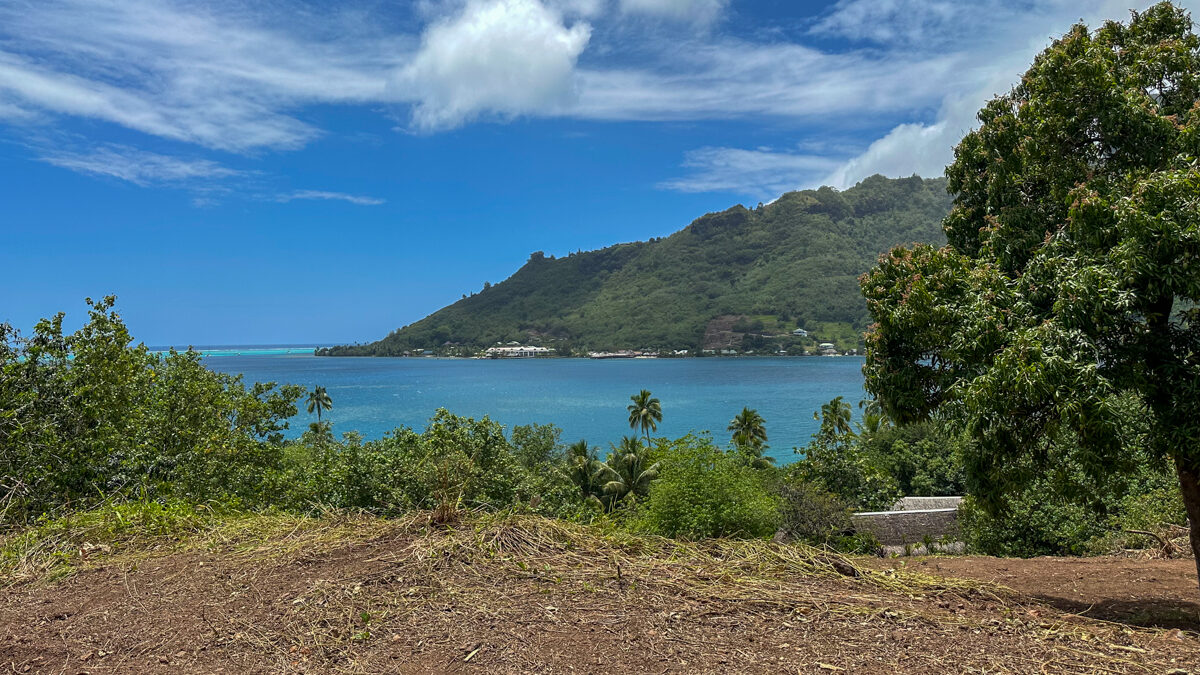
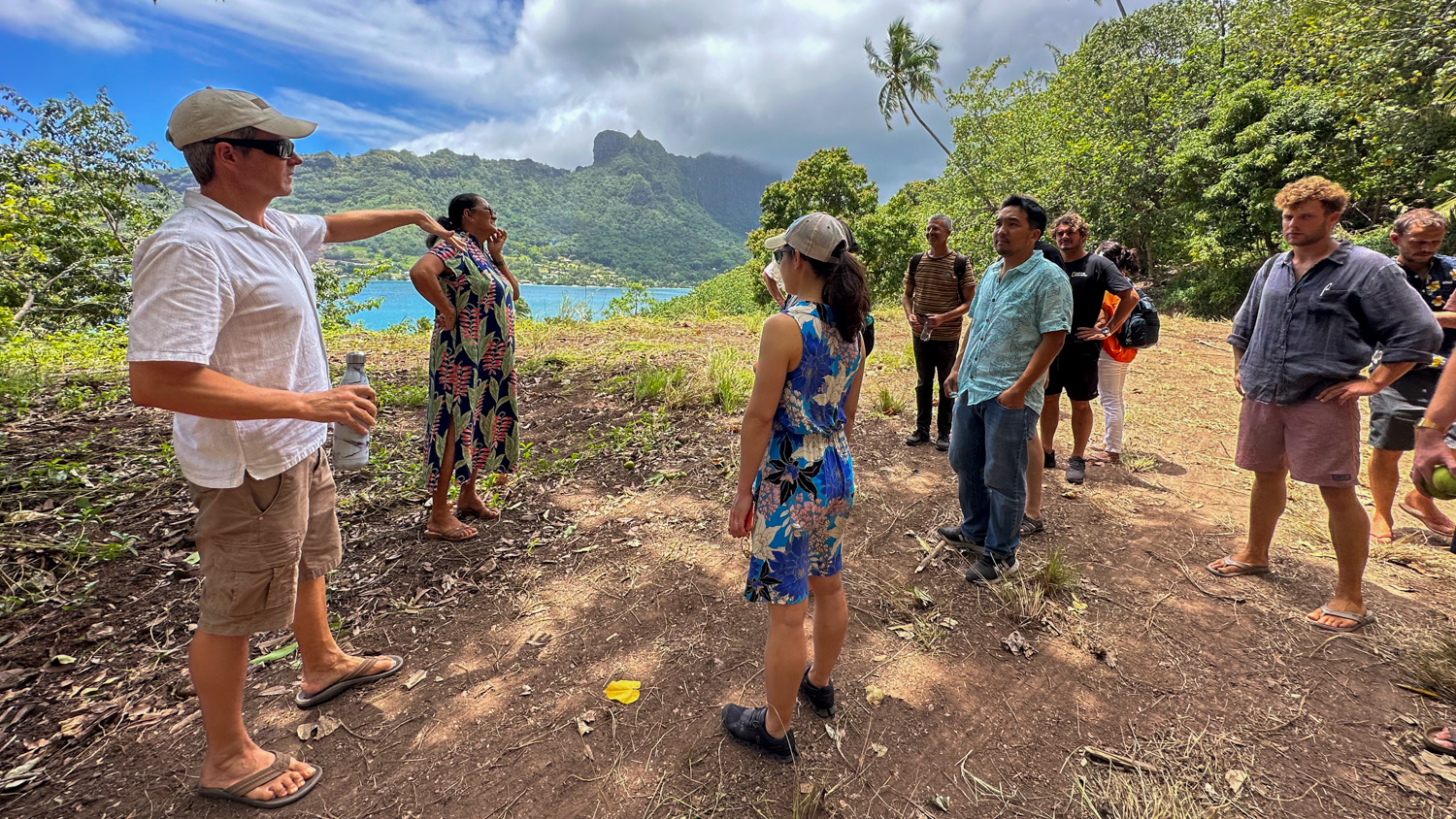
The workshop opened with a visit to the potential site of the new facility—the Atitia Center. Nestled in the southern half of the Gump Station, this hub already boasts a rich tapestry of educational, cultural, and community programs. It was here that participants from across the Pacific converged to engage in a collective conversation about our shared interest in making this Innovation Hub a success.
The Khaled bin Sultan Living Oceans Foundation was honored to be invited to this event, a testament to our track record in community outreach and our past initiatives in French Polynesia and the wider Pacific. Our emphasis on involving communities in marine science and conservation through accessible, low-cost tools struck a chord with the group and became one of the workshop’s overarching themes.
This workshop was not just a meeting of minds but a forging of meaningful connections. The Foundation had the privilege to collaborate with like-minded organizations to see how we could align our efforts in marine conservation. The Association Te Pu Atitia, dedicated to preserving Polynesia’s biocultural heritage, Coral Gardeners—a local coral restoration initiative, and the Tetiaroa Society, leaders of a global effort to strengthen the resilience of tropical islands to global change, emerged as key allies in the shared mission.
The essence of this innovative hub lies in empowering the community. By inviting locals to share their insights and ideas on valuable research endeavors, Gump Station aims to create a space where everyone has a stake in the conservation of our oceans. Citizen science initiatives will provide a hands-on opportunity for community members to actively participate in research efforts, strengthening the bond between science and society.
This workshop at UC Berkeley’s Gump Research Station was not merely an event—it was a milestone. It marks the latest step in a long journey towards a more inclusive, community-driven approach to marine science and conservation. The Khaled bin Sultan Living Oceans Foundation extends heartfelt gratitude to Gump Station for extending the invitation, and we look forward to the exciting journey ahead.