search-icon

Tag: Mangrove Education

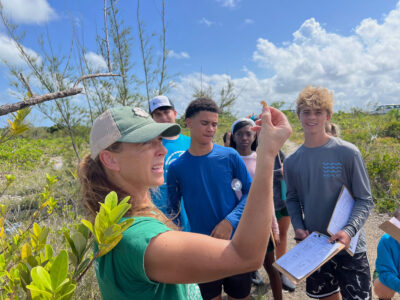
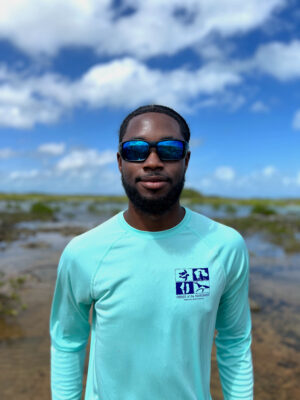
Full Circle: From B.A.M. Student to Colleague

Seeing a former student grow into a passionate advocate for the environment is one of the most rewarding aspects of my work. Still, nothing compares to the joy of welcoming that former student as a colleague. So, when I learned

Read More »

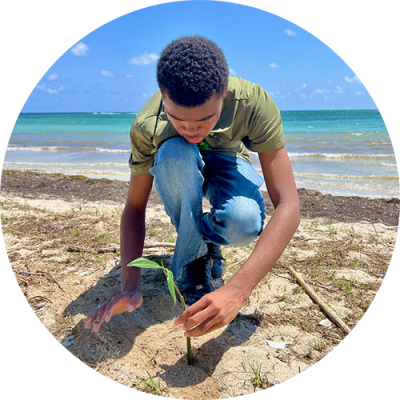
2023-2024 J.A.M.I.N. Student Voices

Previously, you heard the voices of the students in our B.A.M. program. Now, it’s time to hear how the students in Jamaica feel about our J.A.M.I.N. program. “This program is honestly top-tier. The trips were fun and informative. I would

Read More »

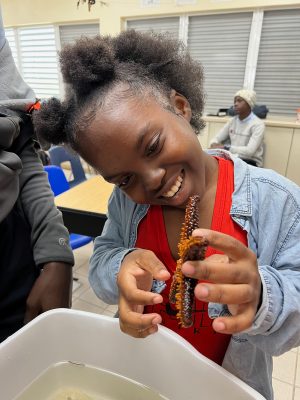
Echinoderms: My Favorite Spiny-skinned Creatures

Beyond our excursions to the mangroves, our mangrove animal show-and-tell stands out as one of the most beloved activities in both our Jamaica Awareness of Mangroves in Nature (J.A.M.I.N.) and the Bahamas Awareness in Mangroves (B.A.M.) programs. Despite the rich diversity of marine life
Read More »

In Awe of J.A.M.I.N

Today’s guest blog comes from Sandra Turner, who works to promote the equitable advancement of climate literacy and ocean conservation. The Geography of Awe is the name of her latest National Geographic Society grant project, where she integrates her fieldwork

Read More »

2022-2023 B.A.M. and J.A.M.I.N. Teacher Spotlight

Often, we share comments about our B.A.M. and J.A.M.I.N. programs from the students’ perspectives. This year I would like to highlight our remarkable teachers. Teachers are the backbone of our mangrove education and restoration programs, and their crucial role cannot

Read More »

2023 B.A.M. Student Voices

Previously, you heard the voice of the students in our J.A.M.I.N. program. Now it’s time to hear how the students in The Bahamas feel about our B.A.M. program.

“Though I do not want to pursue a career in science

Read More »

J.A.M.I.N. Student Voices

Throughout the B.A.M. and J.A.M.I.N. programs, we evaluate each program by surveying students in each of the three phases of the mangrove education and restoration process. We use this information to gauge how much information the students initially know regarding

Read More »